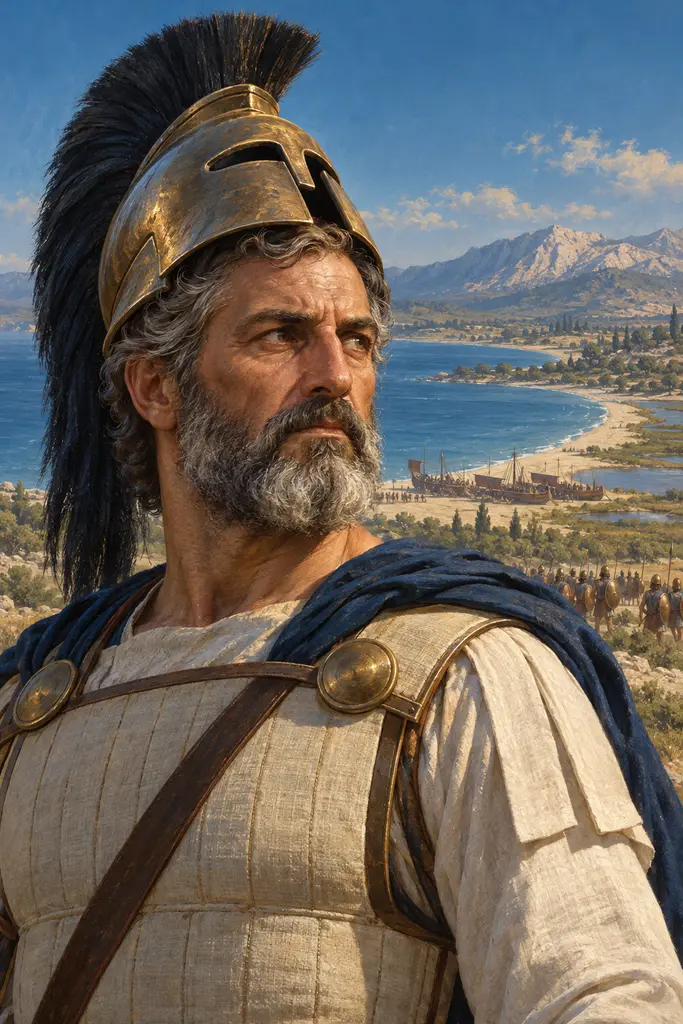
Miltiades
Athenian noble, Persian vassal in the Chersonese, general at Marathon, died about 489 BCE
In the game: Level 6: The Bridge of Boats
Miltiades son of Cimon was an Athenian aristocrat who ruled the Thracian Chersonese as a tyrant under Persian overlordship, then fled to Athens when the Ionian Revolt collapsed. In 490, as one of the ten Athenian generals, he pressed for battle at Marathon, and Herodotus credits him with the victory over the army of Datis and Artaphernes.
In the game: The game's chronicle note presents him as the general who led the charge at Marathon. It also states the Ister bridge story as plain fact, though many historians doubt that tale.
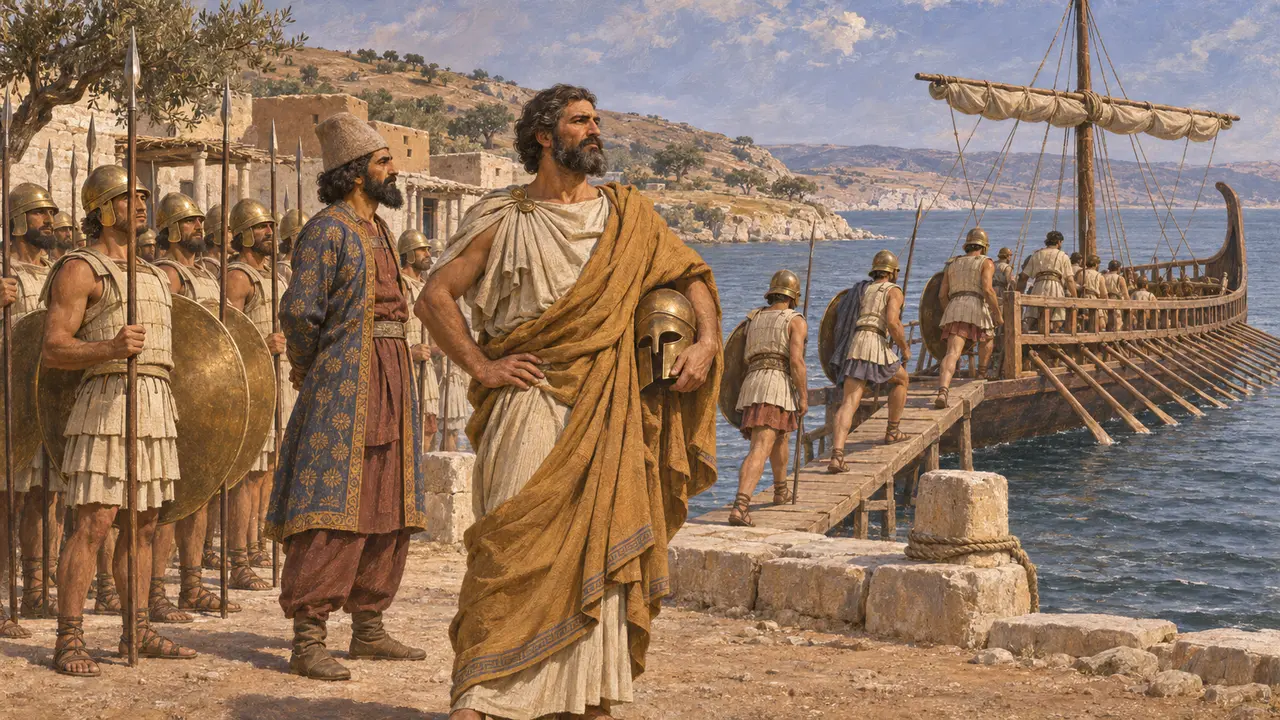
Lord of the Chersonese
Ancient accountHerodotus says the Pisistratid rulers of Athens sent Miltiades to the Chersonese, the peninsula on the European side of the Hellespont, where his family already held power. He governed there as a tyrant, kept five hundred hired men and married Hegesipyle, daughter of the Thracian king Olorus. When Darius advanced into Europe about 513, Miltiades became a Persian subject and sailed with the other Greek tyrants on the Scythian campaign.
Herodotus 6.34-41; Herodotus 4.137
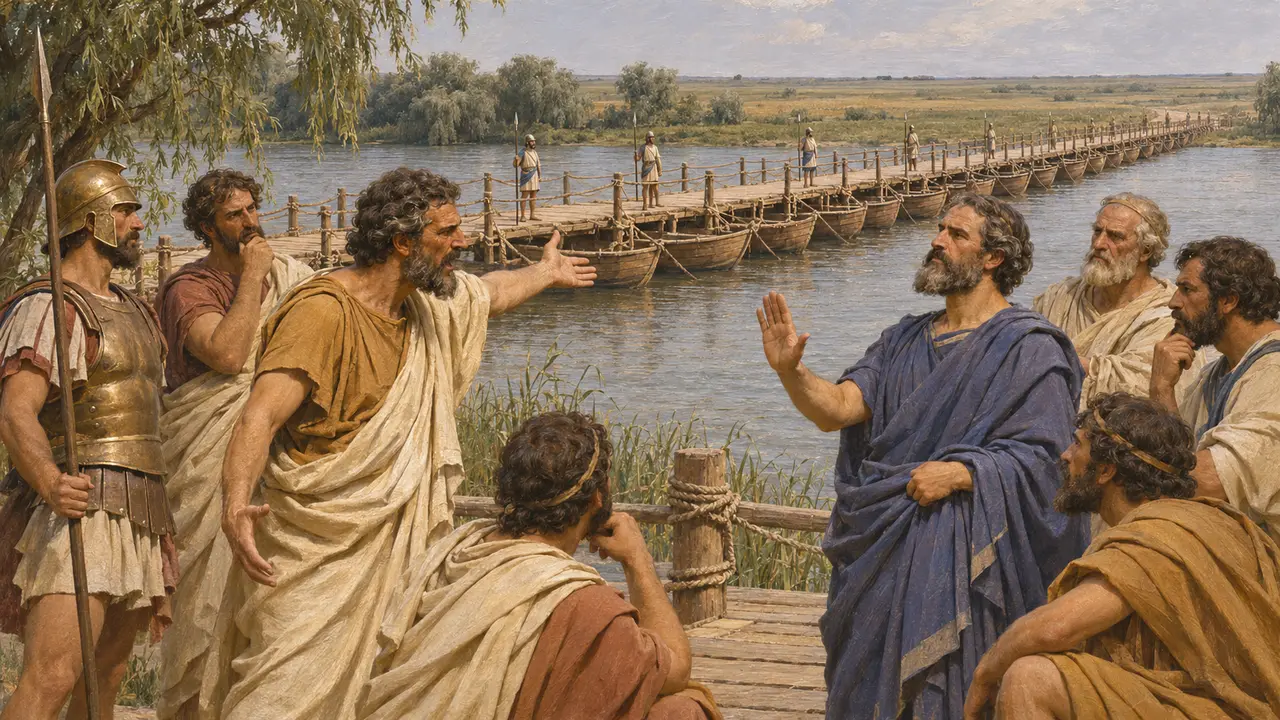
The Ister bridge story
DisputedHerodotus reports that while the Ionians guarded Darius's bridge of boats on the Ister, Miltiades urged them to destroy it and leave the King stranded among the Scythians. Histiaeus of Miletus argued that the tyrants owed their power to Persia, and the bridge was kept. Many historians suspect the tale was spread later, perhaps when Miltiades stood trial in Athens for his tyranny, to show him as an enemy of Persia.
Herodotus 4.137; Herodotus 6.41; Herodotus 6.104
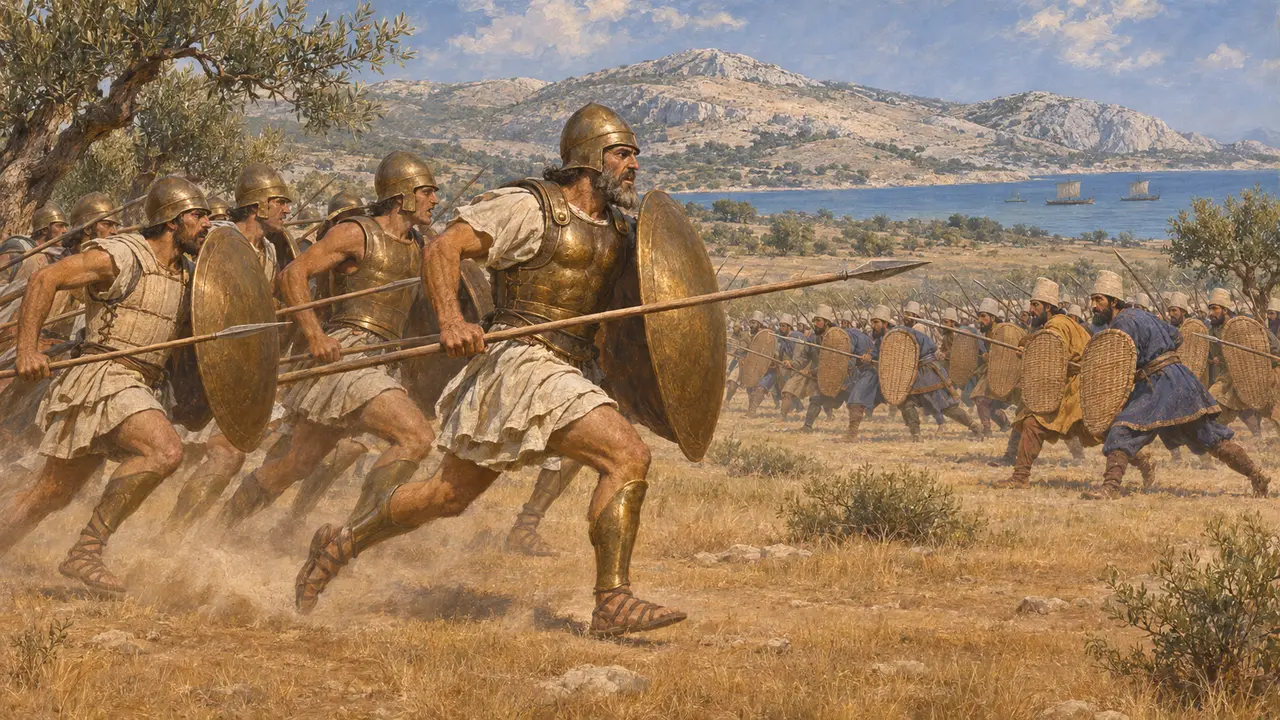
Flight and the battle of Marathon
Ancient accountIn 493, as the Phoenician fleet reconquered the rebel coasts, Miltiades escaped to Athens. His son Metiochus was captured, and Darius gave him a Persian wife and an estate. Elected general, Miltiades persuaded the polemarch Callimachus to cast the deciding vote for battle. Herodotus says the Athenians charged at a run and that about 6,400 of the King's men died against 192 Athenians. The Athenian toll is widely accepted, the Persian one less so.
Herodotus 6.41; Herodotus 6.103-117
Paros and a disgraced end
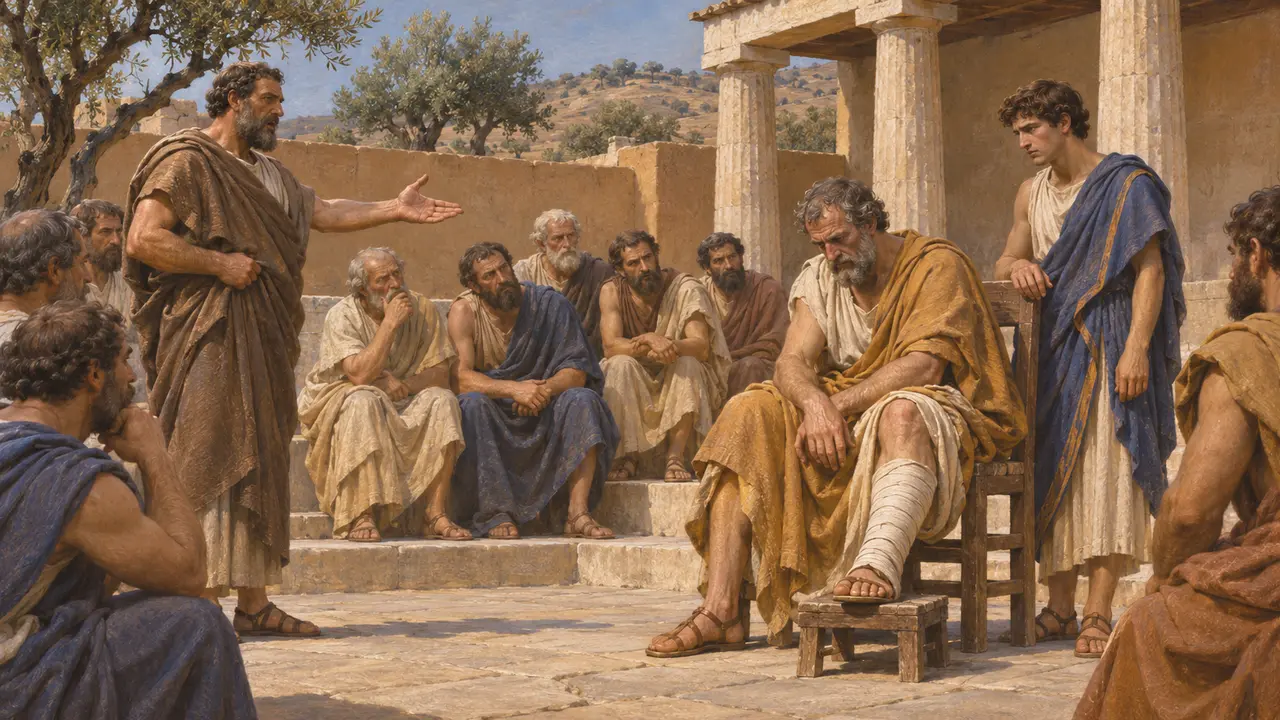
Ancient accountAfter Marathon Miltiades asked the Athenians for ships without saying where he would lead them, and sailed against the island of Paros. The siege failed and he injured his leg. Back in Athens he was prosecuted by Xanthippus and fined fifty talents. He died soon after when the wound turned gangrenous, and his son Cimon paid the fine.
Herodotus 6.132-136
A helmet at Olympia
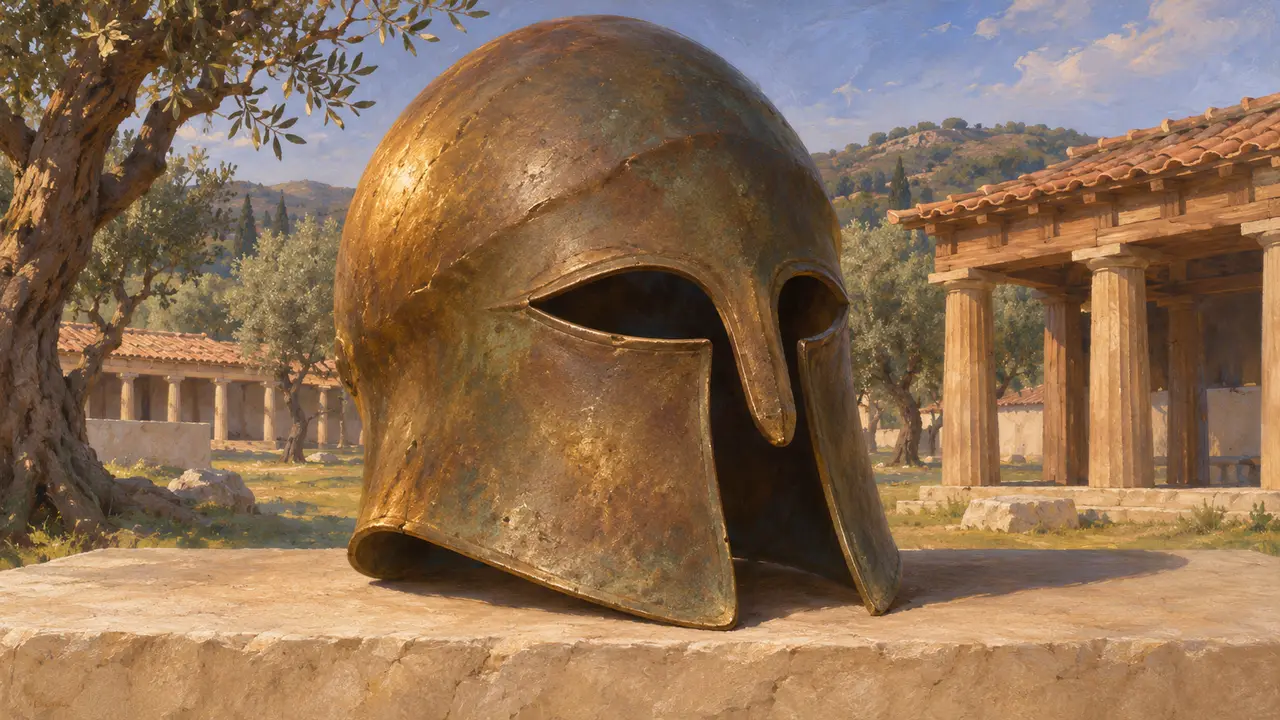
In the recordA bronze Corinthian helmet excavated at the sanctuary of Zeus at Olympia carries an inscription saying that Miltiades dedicated it to Zeus. It is usually identified with this Miltiades and may come from one of his campaigns. It is one of the few objects from his own lifetime that names him, and it is now in the Olympia museum.
Inscribed helmet from Olympia, Olympia Archaeological Museum
Sources
- Herodotus, Histories, books 4 and 6
- Inscribed helmet of Miltiades, Olympia Archaeological Museum
- P. Krentz, The Battle of Marathon, 2010
- P. Briant, From Cyrus to Alexander, 2002