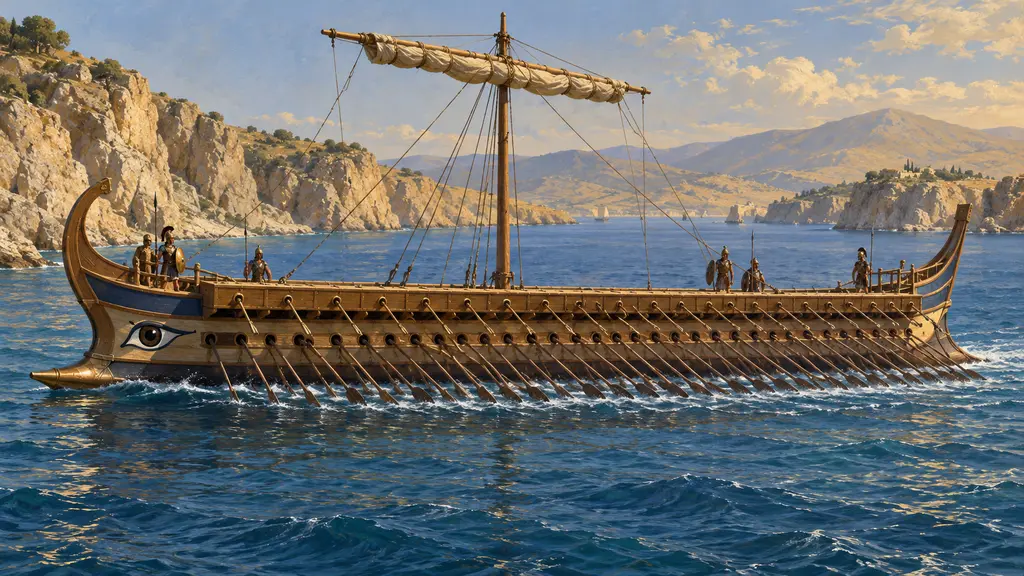
The Cypriots
Island kingdoms of Cyprus, Persian subjects and naval allies, about 525-479 BCE
Cyprus was divided among small city-kingdoms such as Salamis, Paphos, Kition, Amathus and Soli, with Greek, Phoenician and older native populations. Under Persian rule its kings kept their thrones, paid tribute and sent warships to the King's fleet. In about 497 most of them joined the Ionian Revolt and were defeated within about a year.
In the game: The game shows the Cypriots as squadrons in the King's fleet, which matches Herodotus. The island's separate kings, their tribute and their failed revolt of about 497 lie behind that role and are not shown in play.
When Cyprus came under Persia
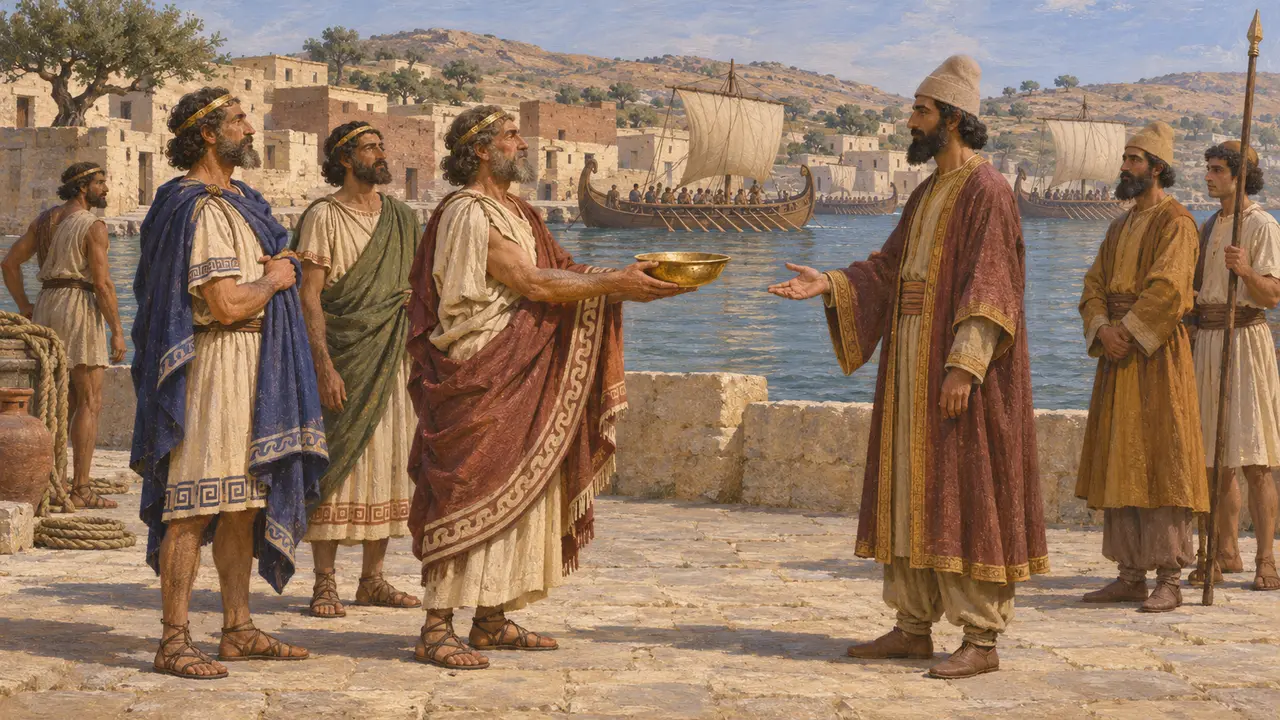
DisputedHerodotus says the Egyptian king Amasis was the first to conquer Cyprus and make it pay tribute. He then says the Cypriots gave themselves to the Persians of their own accord and joined Cambyses' invasion of Egypt in 525. Xenophon's Cyropaedia credits Cyrus with ruling Cyprus, but that work is a moral romance, and most historians follow Herodotus in placing the submission shortly before 525.
Herodotus 2.182; Herodotus 3.19; Xenophon, Cyropaedia; P. Briant, From Cyrus to Alexander, 2002
Tribute and the kings
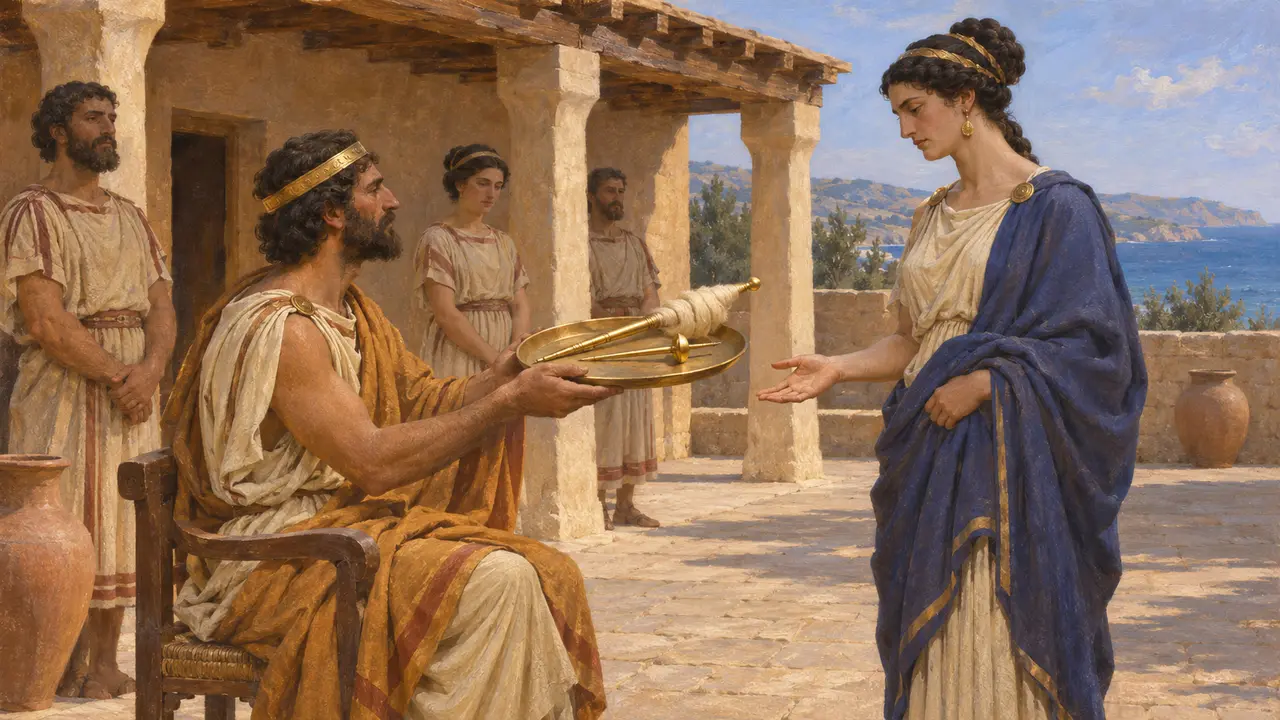
Ancient accountIn Herodotus's list of Darius's tax districts, Cyprus belonged to the fifth district with Phoenicia and Palestinian Syria, which together paid 350 talents of silver. The Cypriot kings went on ruling their own cities under Persian overlordship. Herodotus names one of them, Euelthon of Salamis, who gave a fugitive queen of Cyrene a golden spindle and distaff instead of the army she asked for.
Herodotus 3.91; Herodotus 4.162
The revolt of Onesilus
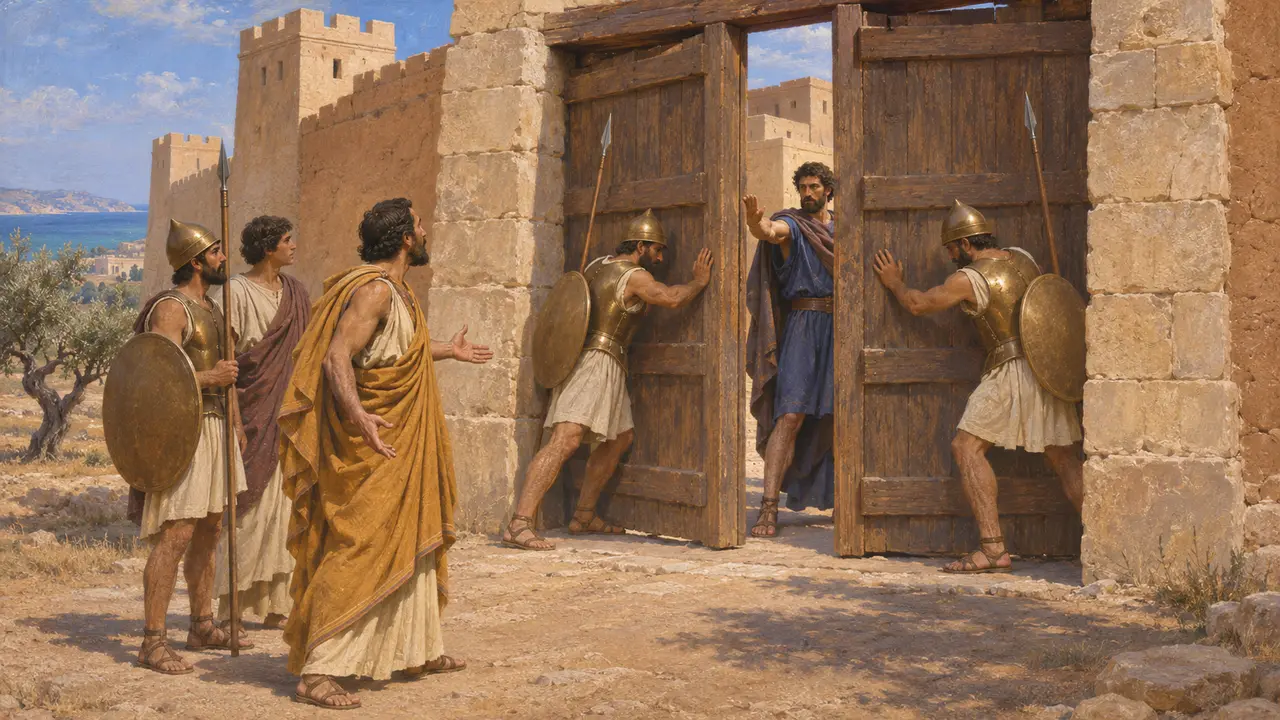
Ancient accountHerodotus tells how Onesilus shut his brother Gorgus, king of Salamis, out of the city and brought every Cypriot kingdom except Amathus into the Ionian Revolt. A Persian army under Artybius landed while the Ionian fleet beat the Phoenicians at sea. On land, Stesenor of Kourion and the Salaminian chariots changed sides, Onesilus was killed, and Soli fell in the fifth month of its siege.
Herodotus 5.104-116
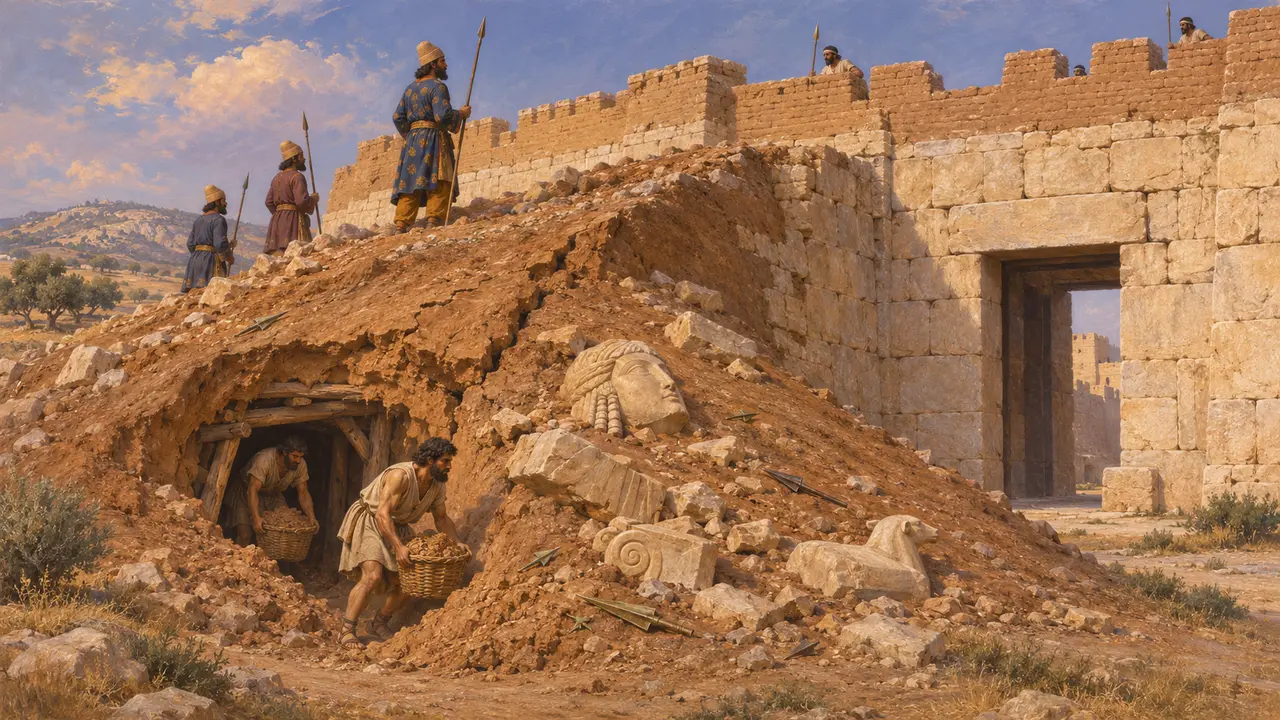
The siege mound at Paphos
In the recordExcavators at Old Paphos found a great Persian siege ramp against the north-east gate, filled with rubble, broken sculpture and hundreds of arrowheads and spearheads. The defenders dug tunnels beneath it to make it collapse. The remains are dated to the revolt of about 498-497, a siege that Herodotus does not describe.
F. G. Maier and V. Karageorghis, Paphos: History and Archaeology, 1984
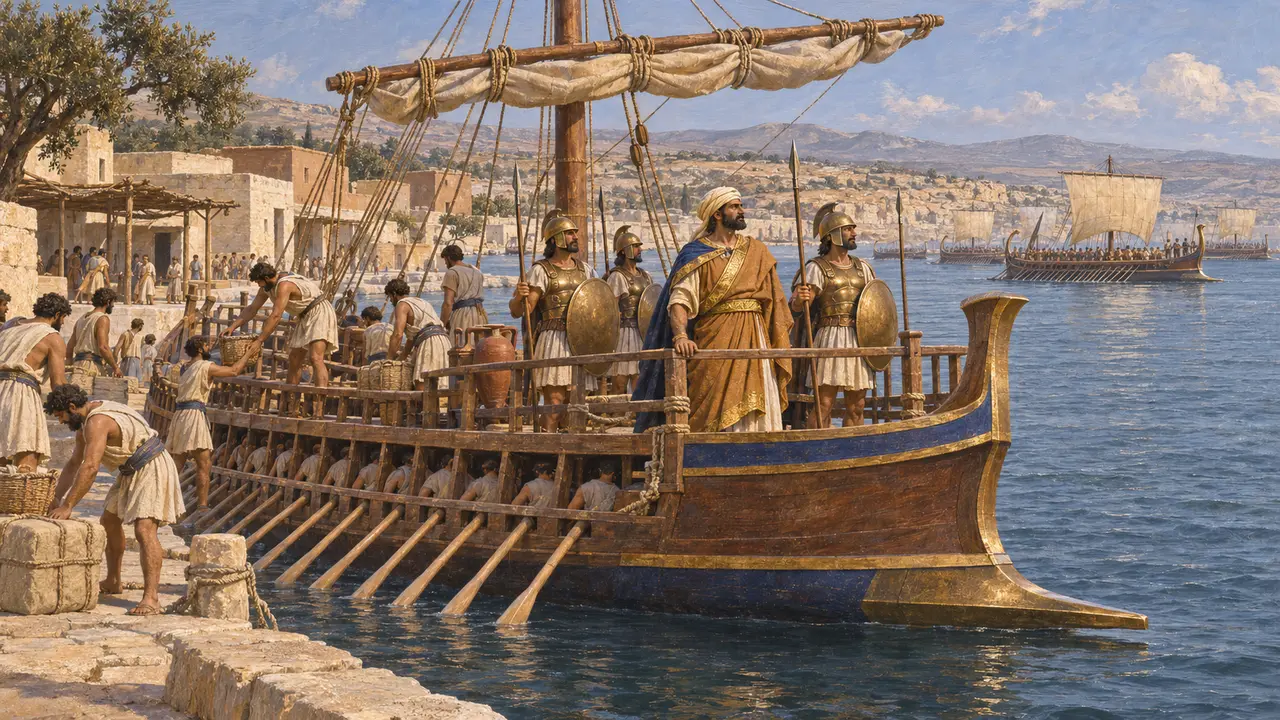
Ships for Xerxes
Ancient accountHerodotus says Cyprus sent 150 ships in 480, behind the Phoenicians with 300 and the Egyptians with 200. He says the kings wore turbans and the others were armed like Greeks, and names Gorgus son of Chersis, the king Onesilus had ousted, among the notable captains. He puts Xerxes' whole fleet at 1,207 ships, a figure most historians think too high, and he has Artemisia call the Cypriots poor allies before Salamis.
Herodotus 7.89; Herodotus 7.90; Herodotus 7.98; Herodotus 8.68
Sources
- Herodotus, Histories, books 2, 3, 4, 5, 7 and 8
- F. G. Maier and V. Karageorghis, Paphos: History and Archaeology, 1984
- P. Briant, From Cyrus to Alexander, 2002
- Xenophon, Cyropaedia