
Prexaspes
Two Persian noblemen of this name in Herodotus, under Cambyses and Xerxes, 522-480 BCE
Herodotus uses the name Prexaspes for two men. One was a trusted servant of Cambyses who was drawn into the story of Bardiya's death. The other, son of Aspathines, was one of the four admirals of Xerxes' fleet in 480. Whether they were related is not known.
In the game: The game names Prexaspes in Chronicle entries and event articles, including the Admirals entry, where he is one of four admirals of Xerxes' fleet. He has no figure or mechanic of his own.
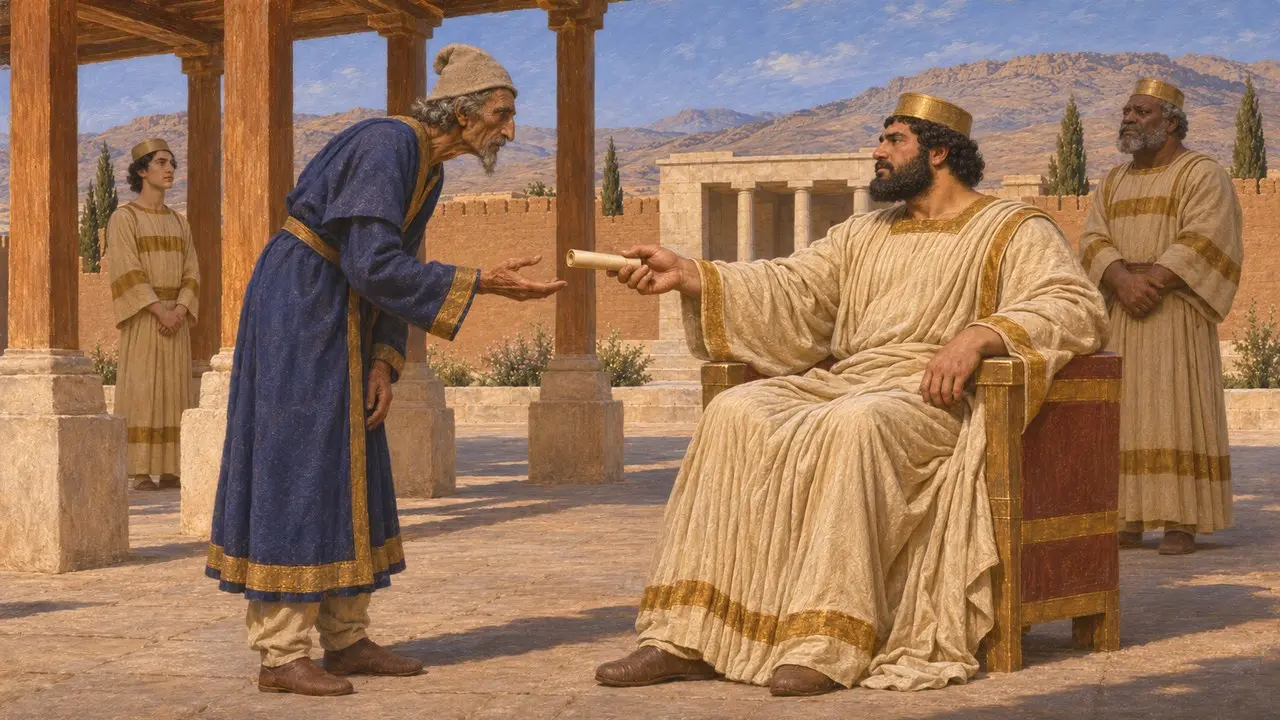
Cambyses' confidant
Ancient accountHerodotus describes a Prexaspes who was among the most trusted men of Cambyses and carried his messages. The source is Greek and was written long after the events.
Herodotus 3.30
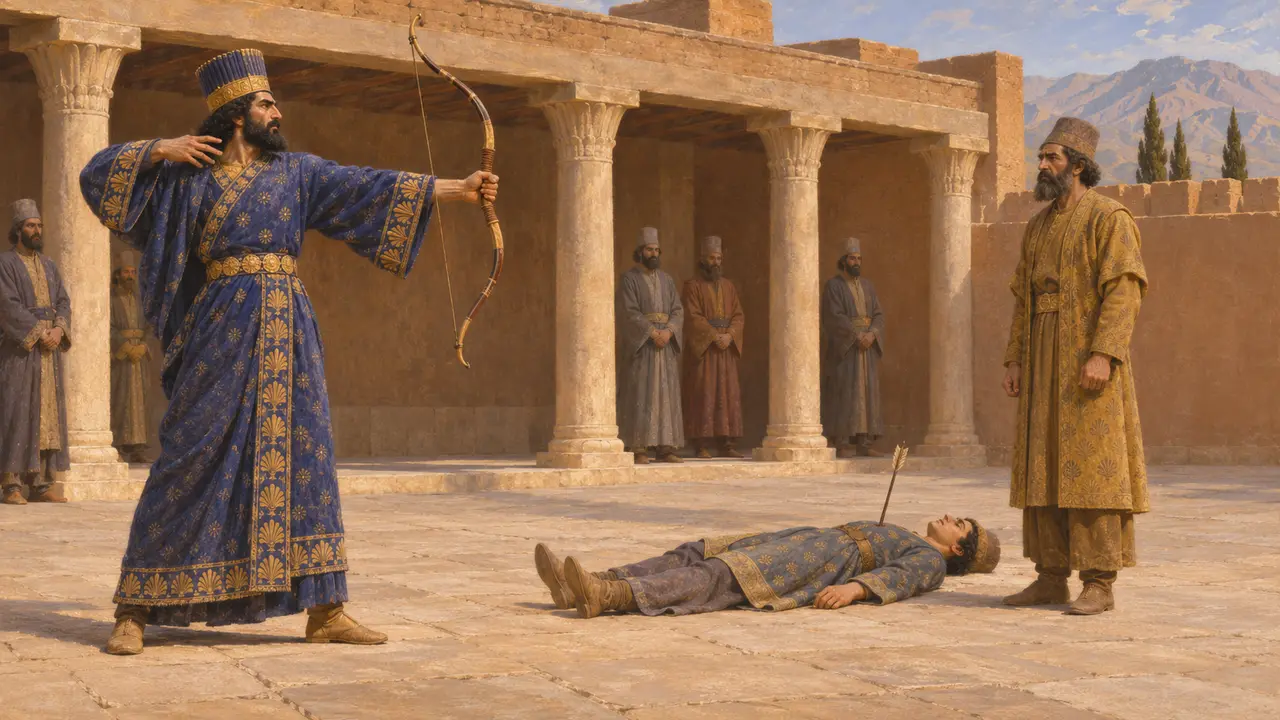
The shot at the son
Later legendHerodotus tells that Cambyses, in a fit of madness, shot the son of Prexaspes to show that his hand was steady. The tale is built as a lesson about a king's cruelty and a servant's endurance, and no Persian record confirms it.
Herodotus 3.34-35

The killing of Bardiya
DisputedHerodotus says Cambyses sent Prexaspes to kill his brother Bardiya, called Smerdis by the Greeks, and gives a second version of how the death was carried out. Darius's Behistun inscription says only that Cambyses killed Bardiya in secret, and names no agent. Historians therefore cannot say whether Prexaspes did it, and some doubt the Gaumata story as Darius presented it.
Herodotus 3.30; DB §10
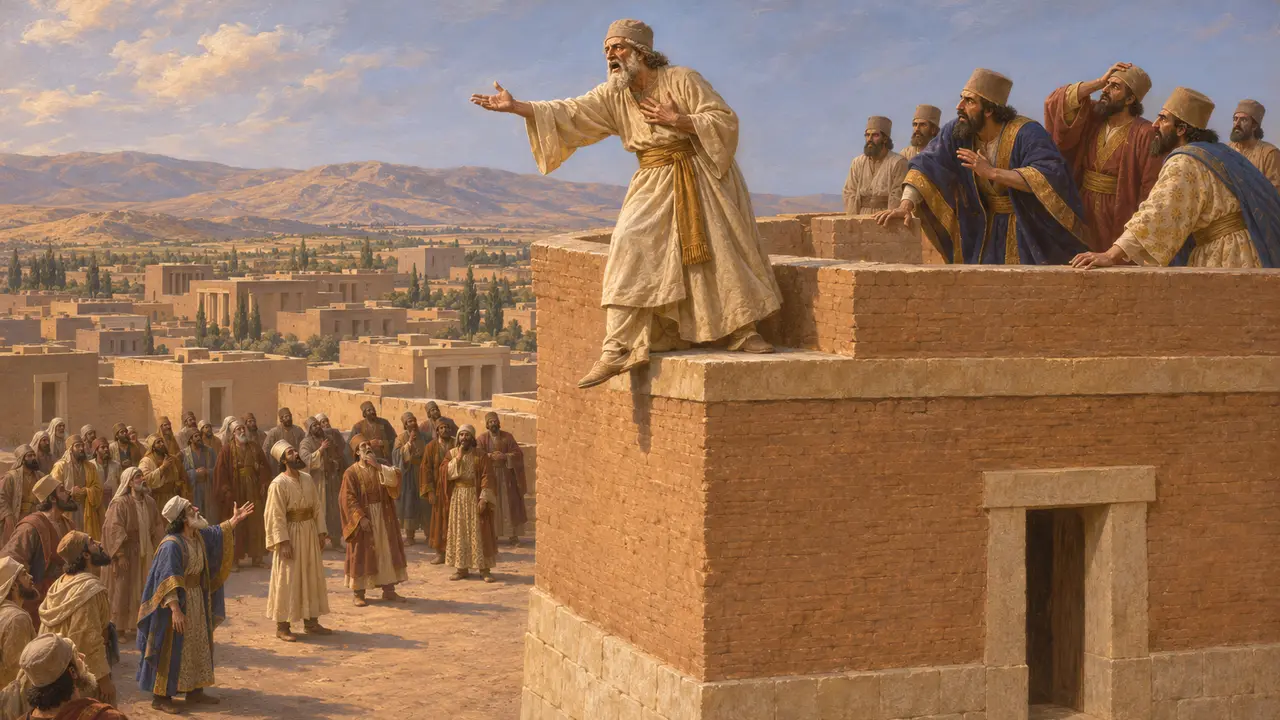
The tower speech
Later legendIn Herodotus the conspirators made Prexaspes announce to the Persians that the new king was truly Cyrus's son. He instead confessed to killing Bardiya and threw himself from a tower. The scene reads as a moral tale about a servant's conscience.
Herodotus 3.74-75
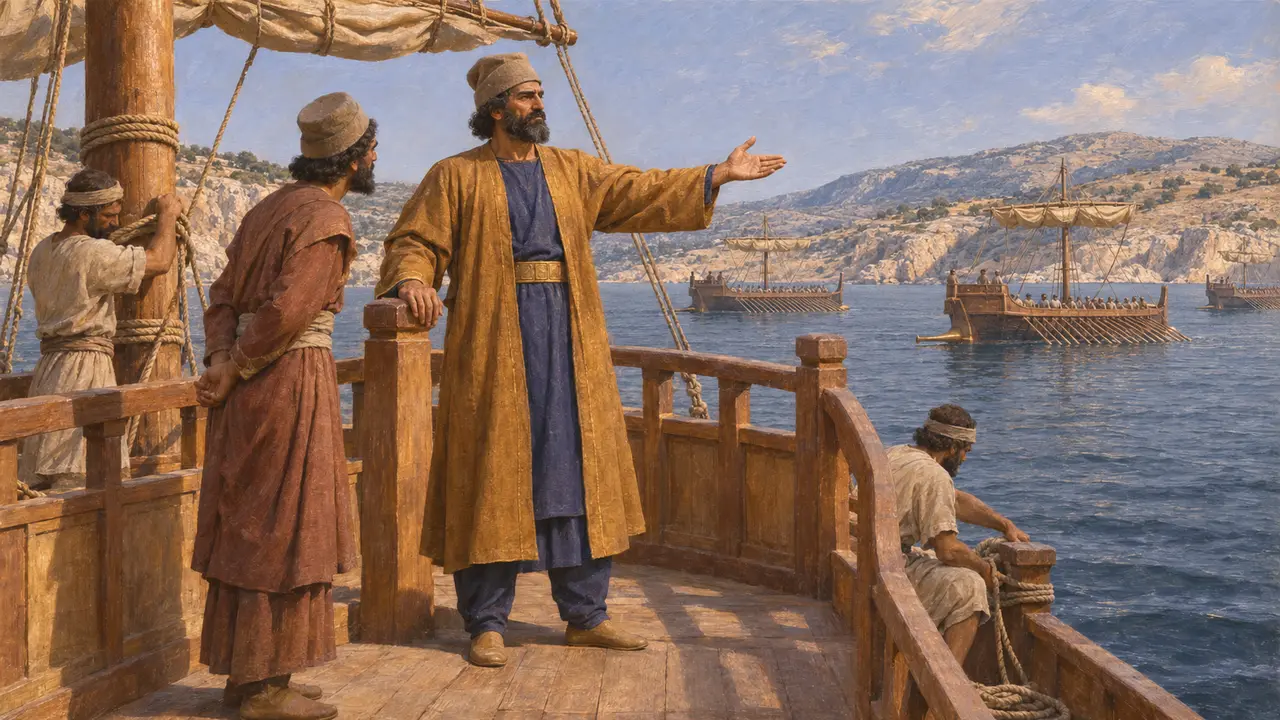
Admiral of Xerxes' fleet
Ancient accountHerodotus names Prexaspes, son of Aspathines, among the four Persian admirals of Xerxes' fleet in 480. The others he lists are Ariabignes, Achaemenes and Megabazus. An Aspathines is named as the bearer of Darius's bow and battle-axe in the inscription DNd at Naqsh-e Rostam, so the admiral may have come from a family close to the throne, though the link is not certain. Herodotus's fleet figures are widely held to be exaggerated.
Herodotus 7.97
Sources
- Herodotus 7.97
- Herodotus 3.30
- Herodotus 3.74-75
- DB §10
- DNc
- P. Briant, From Cyrus to Alexander, 2002