Encyclopedia › Battles and events
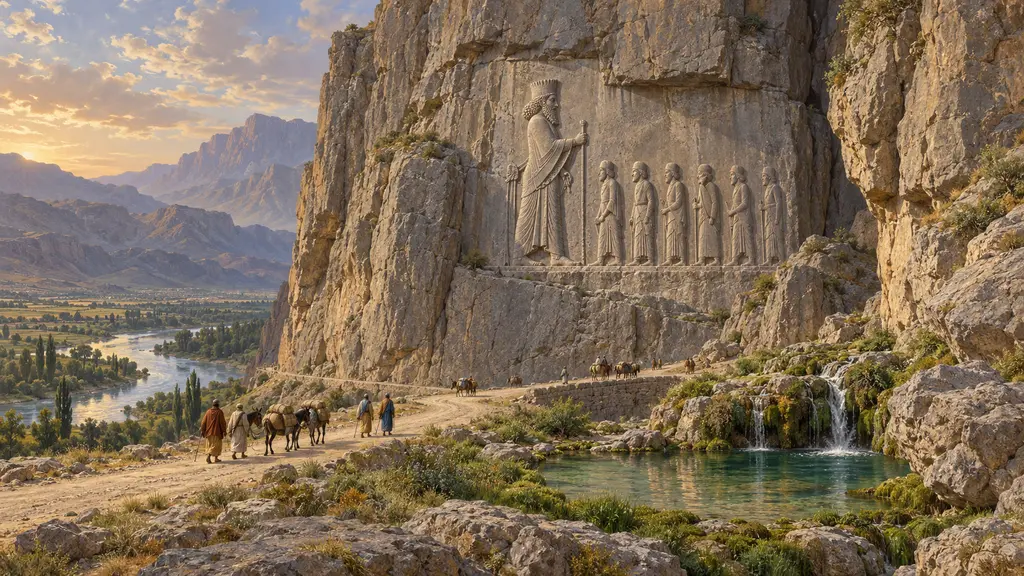
The killing of Gaumata
Darius and six nobles kill the reigning king at Sikayauvati in Media, 522 BCE
On 29 September 522 Darius, son of Hystaspes, and six Persian nobles killed the man then ruling the empire as Bardiya, son of Cyrus. Darius said his victim was Gaumata, a magus and an impostor, and the killing made Darius king but set off a year of revolts. Historians still argue over whether the dead king was in fact the real Bardiya.
In the game: The game presents this as an event of 522, using Darius's name for the dead king while noting that some historians think he was the real Bardiya. Its date and its count of six helpers match Darius's own inscription.
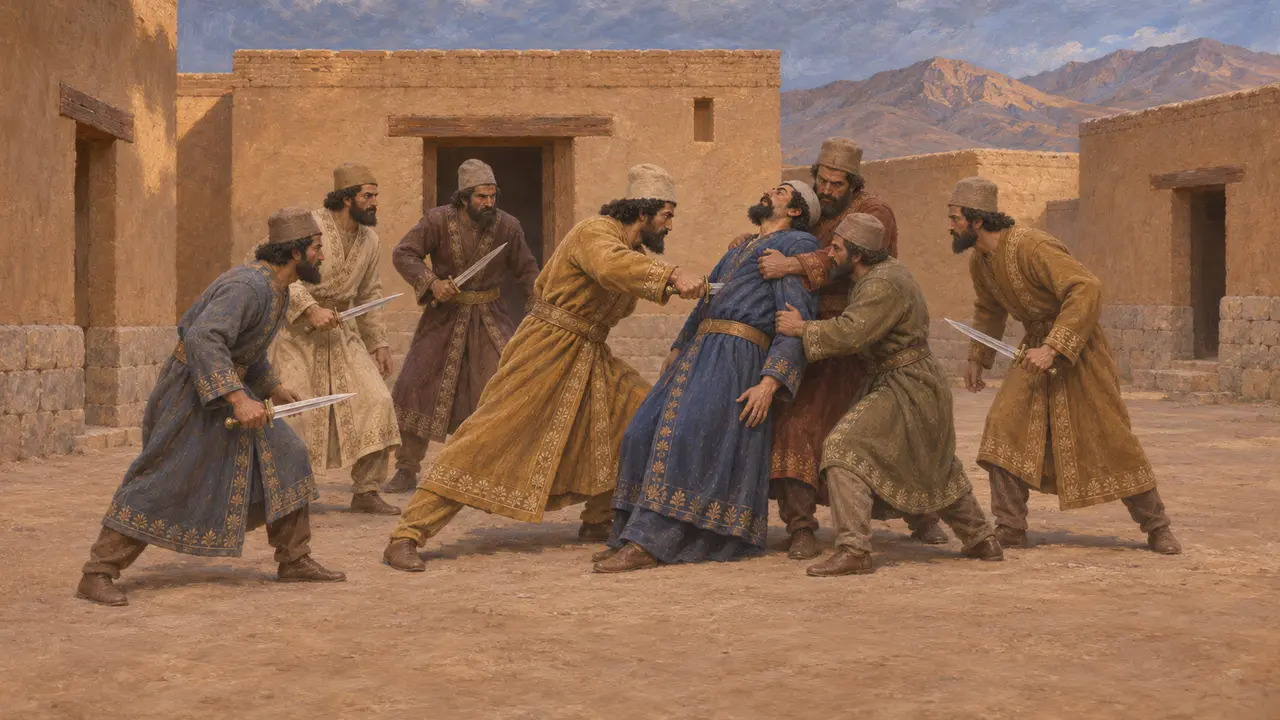
Darius's own account
In the recordIn the Behistun inscription Darius says that a magus named Gaumata rose up at Paishiyauvada in March 522. Gaumata claimed to be Bardiya, son of Cyrus and brother of Cambyses, and he took the kingship that July. Darius says no one dared speak against him until he himself came. On the tenth day of the month Bagayadish, about 29 September, Darius and a few men killed Gaumata at the fortress of Sikayauvati in the district of Nisaya, in Media.
DB §10-13
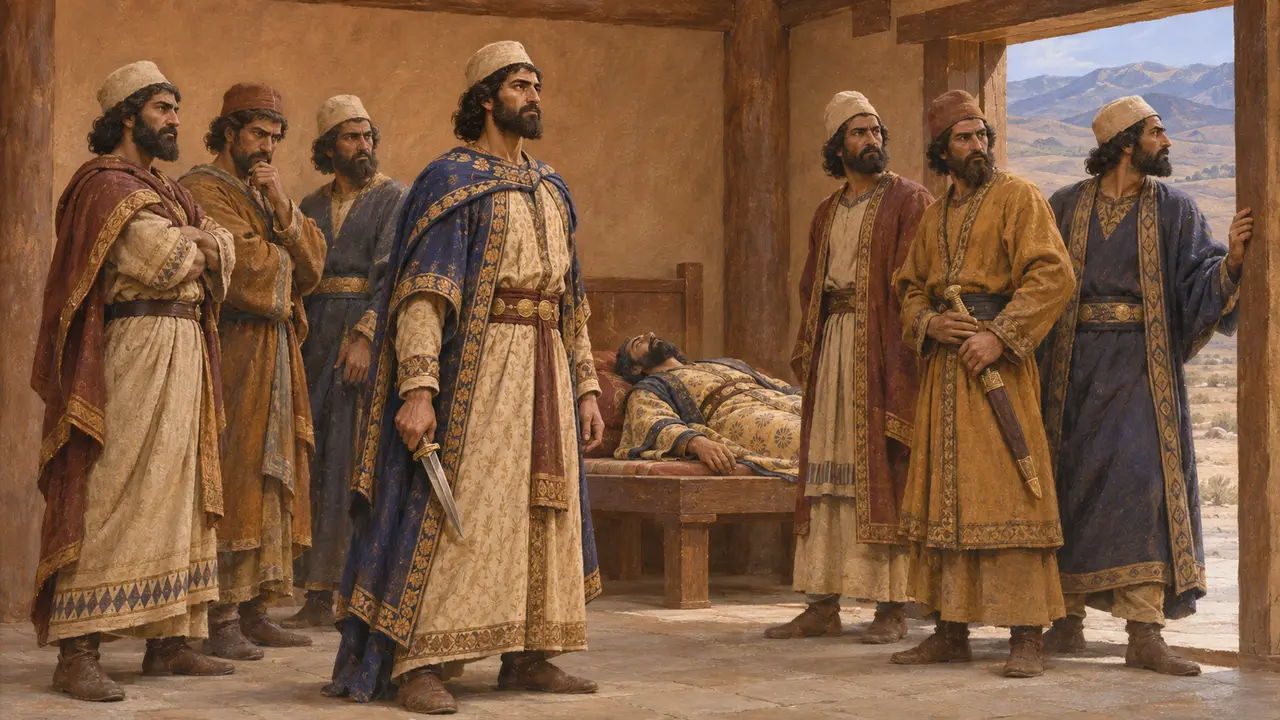
The six helpers
In the recordNear the end of the inscription Darius names the men who were with him, each with his father's name: Vindafarna, Utana, Gaubaruva, Vidarna, Bagabukhsha and Ardumanish. He asks future kings to protect their families. Herodotus gives almost the same list in Greek forms, such as Intaphernes, Otanes, Gobryas, Hydarnes and Megabyzus. Where Darius names Ardumanish, however, Herodotus has Aspathines.
DB §68-69; Herodotus 3.70
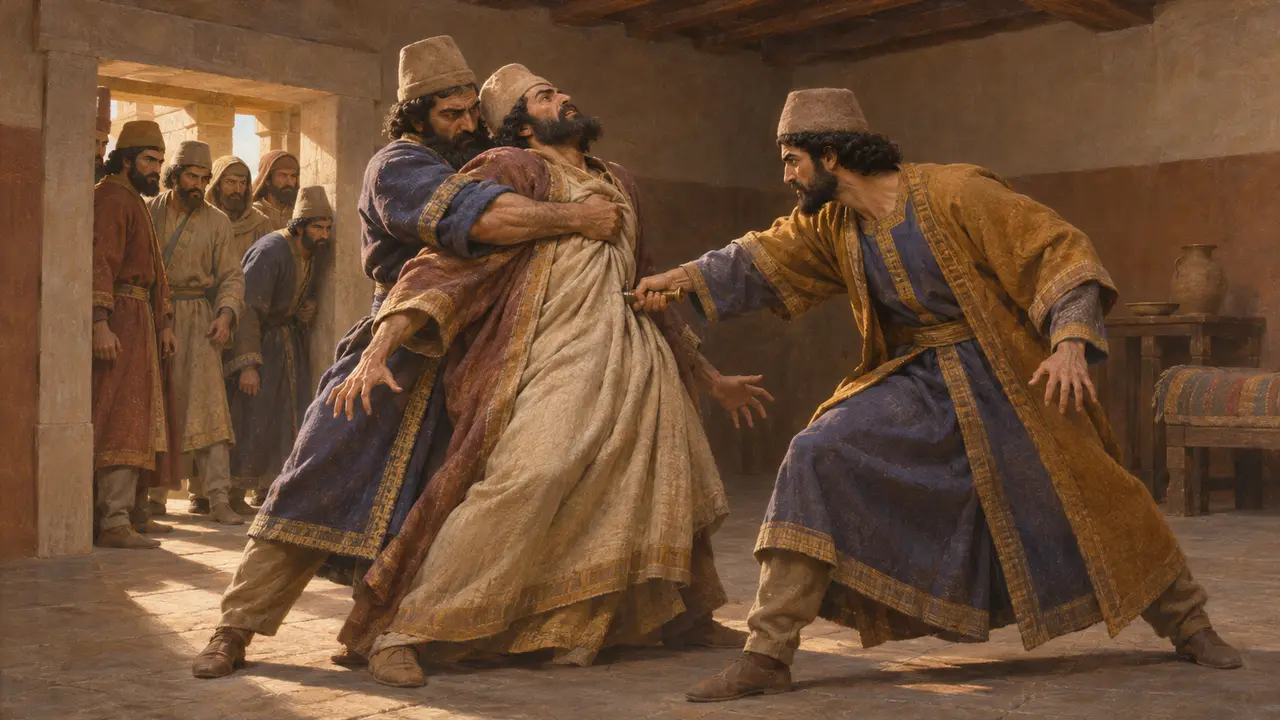
Herodotus's version
Ancient accountHerodotus says Cambyses had his brother Smerdis secretly murdered, and a magus of the same name then took the throne with the help of his brother Patizeithes. In this version the seven forced their way into the palace at Susa, not a fortress in Media, and Darius stabbed the magus in a dark room while Gobryas held him. Herodotus adds that the Persians later kept a festival of the killing of the magi, which the Greeks called the Magophonia.
Herodotus 3.30, 3.61-79
Impostor or true son of Cyrus
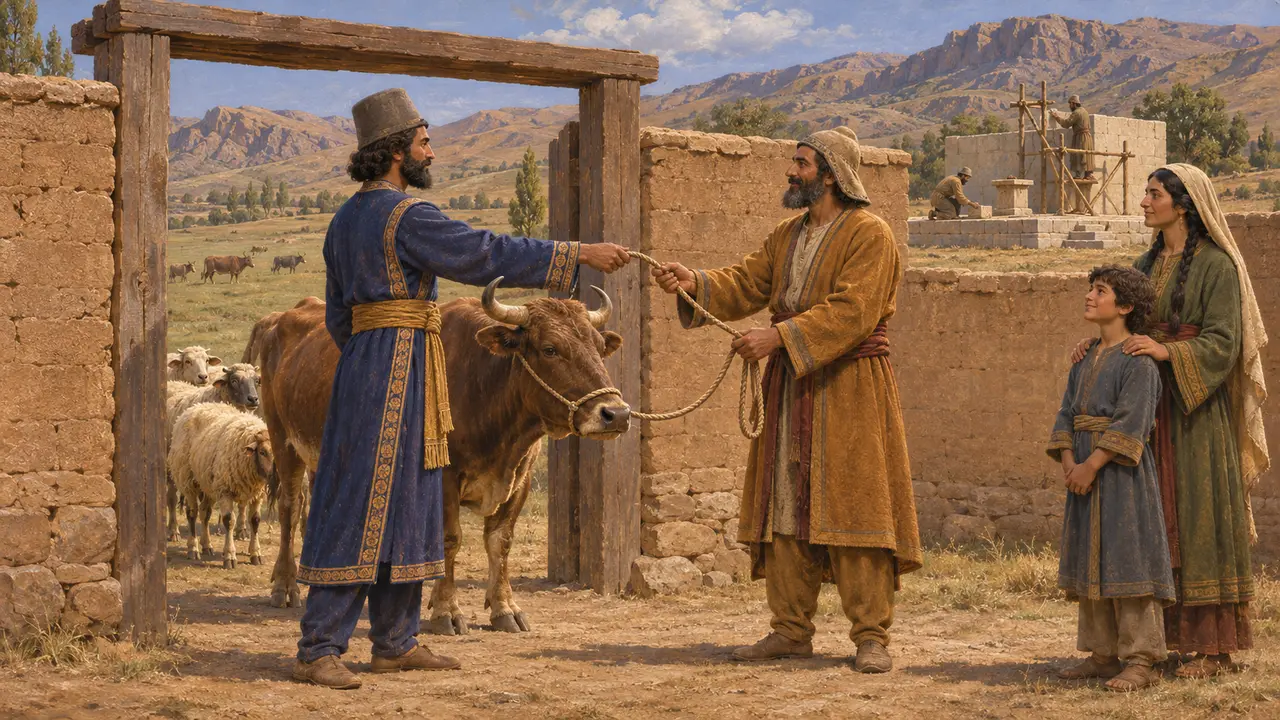
DisputedBabylonian contracts were dated by the reign of Barziya through the summer of 522, which suggests that many subjects accepted him. Darius says he rebuilt the places of worship Gaumata had destroyed and returned the pastures, herds and household workers he had seized, while Herodotus says the king had remitted tribute and military service for three years. Many historians suspect Darius killed the real Bardiya and invented the impostor, but others accept his account.
DB §14; Herodotus 3.67; P. Briant, From Cyrus to Alexander, 2002
The magus without ears
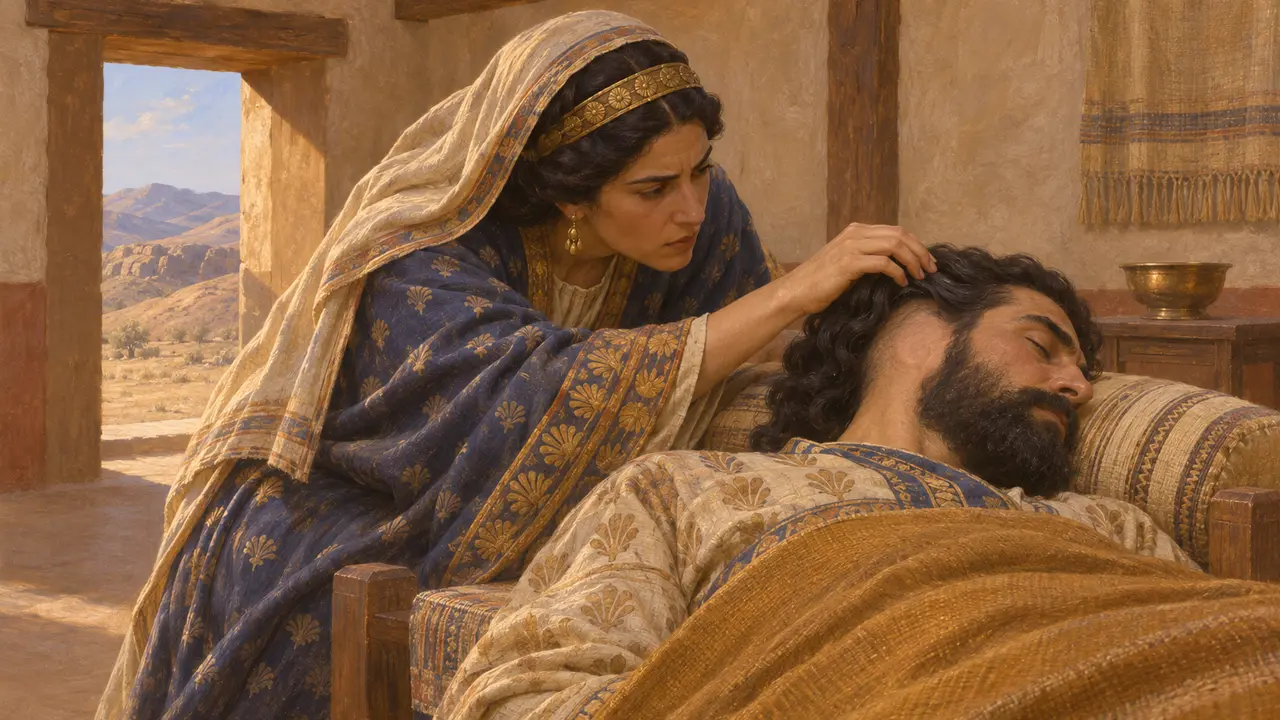
Later legendHerodotus tells how Otanes exposed the impostor. His daughter Phaidyme was one of the king's wives, and she felt his head while he slept and found he had no ears, since Cyrus had once cut them off as a punishment. Herodotus also says the seven chose the new king by whose horse neighed first at sunrise, and that Darius's groom Oebares contrived the result. Both stories read as court tales rather than records.
Herodotus 3.68-69, 3.84-87
Sources
- Darius I, Behistun inscription (DB §10-14, §68-69)
- Herodotus 3.30, 3.61-88
- P. Briant, From Cyrus to Alexander, 2002
- A. Kuhrt, The Persian Empire: A Corpus of Sources from the Achaemenid Period, 2007
- R. Schmitt, The Bisitun Inscriptions of Darius the Great: Old Persian Text, 1991
- Ctesias, Persica (as summarised by Photius)