Encyclopedia › Battles and events
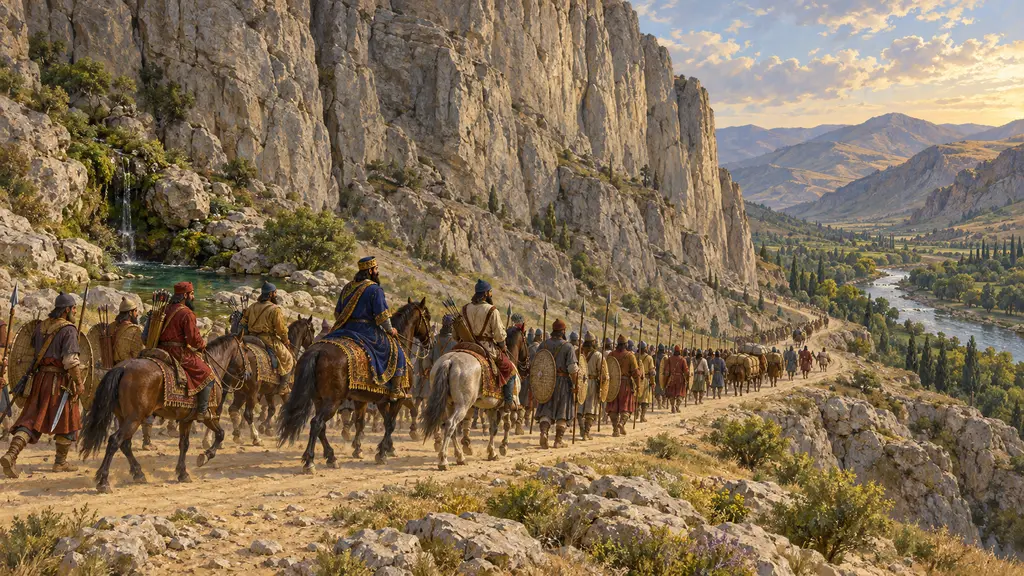
The death of Cambyses
The King's death on the march home from Egypt, 522 BCE
In 522 Cambyses, son of Cyrus and conqueror of Egypt, died while marching back towards Persia. A man calling himself Bardiya, the King's brother, had already been recognised as king in much of the empire. The death left the throne open, and within months Darius and six Persian nobles killed the new ruler, setting off the revolts of 522-521.
In the game: The game follows Darius's official version, naming the ruler a man posing as Bardiya. Whether he was an impostor or the real brother is still argued, and the game's brief note does not settle the cause of death.
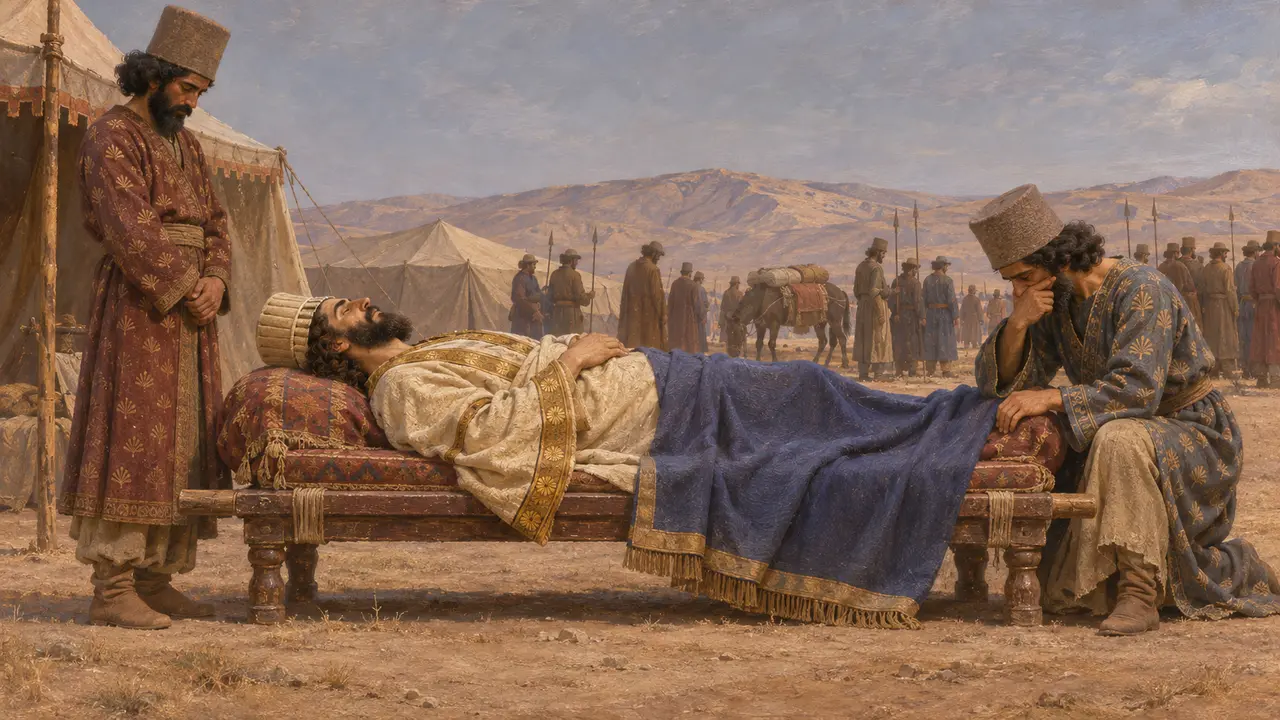
What Darius's inscription says
In the recordThe Behistun inscription says that Cambyses had secretly killed his brother Bardiya before going to Egypt. While the King was away, a magus named Gaumata rose in Persis in March 522, claimed to be Bardiya and took the kingship in July. Darius then states only that Cambyses died his own death. The phrase gives no place, cause or exact date.
DB §10-11
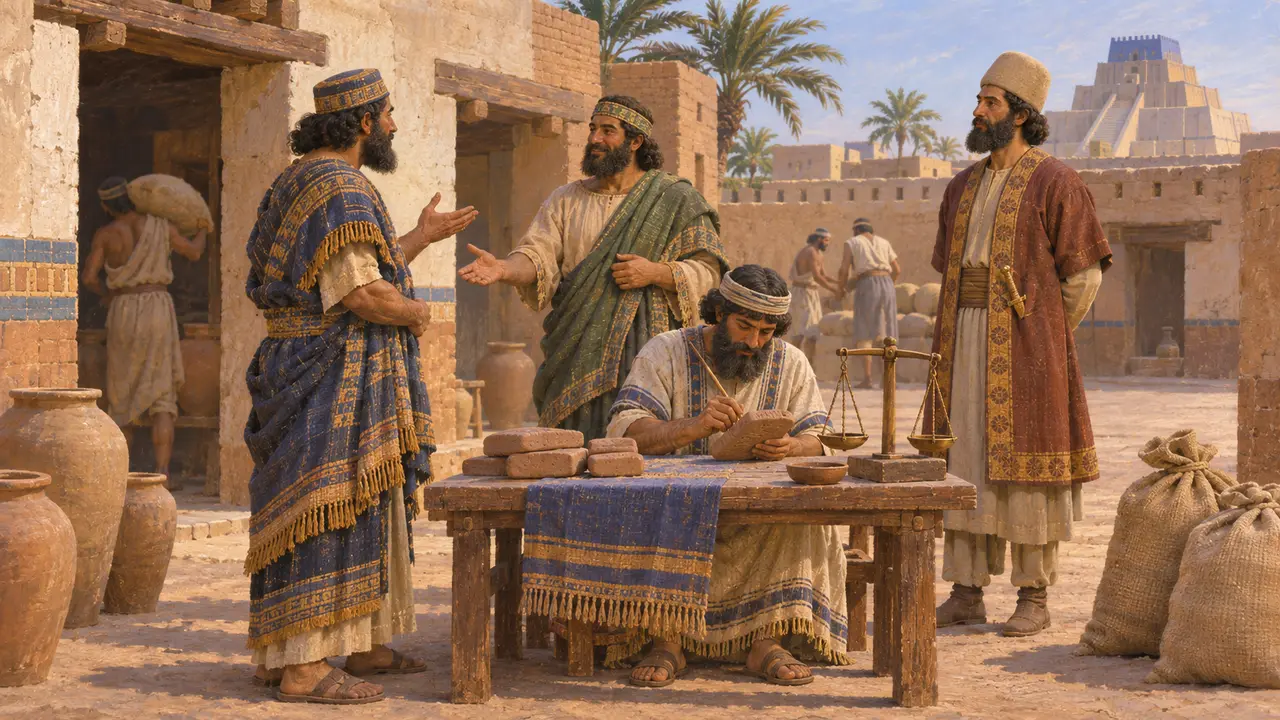
A new king in the documents
In the recordBabylonian business texts are dated by the reign of Bardiya from the spring of 522. This shows that he was accepted as king in Babylonia while Cambyses was probably still alive. Cambyses' death therefore probably fell in the summer of 522, after the new ruler had already won wide support. The documents do not say how or where Cambyses died.
A. Kuhrt, The Persian Empire, 2007
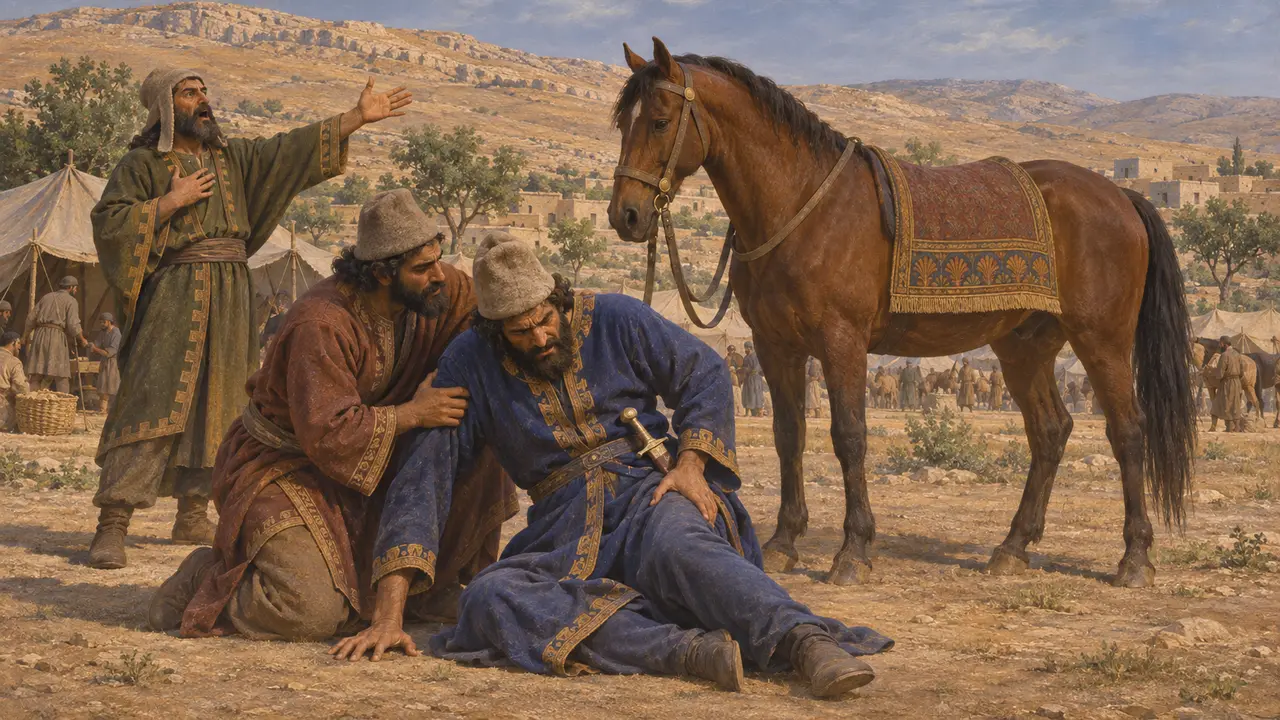
Herodotus and Ctesias on the wound
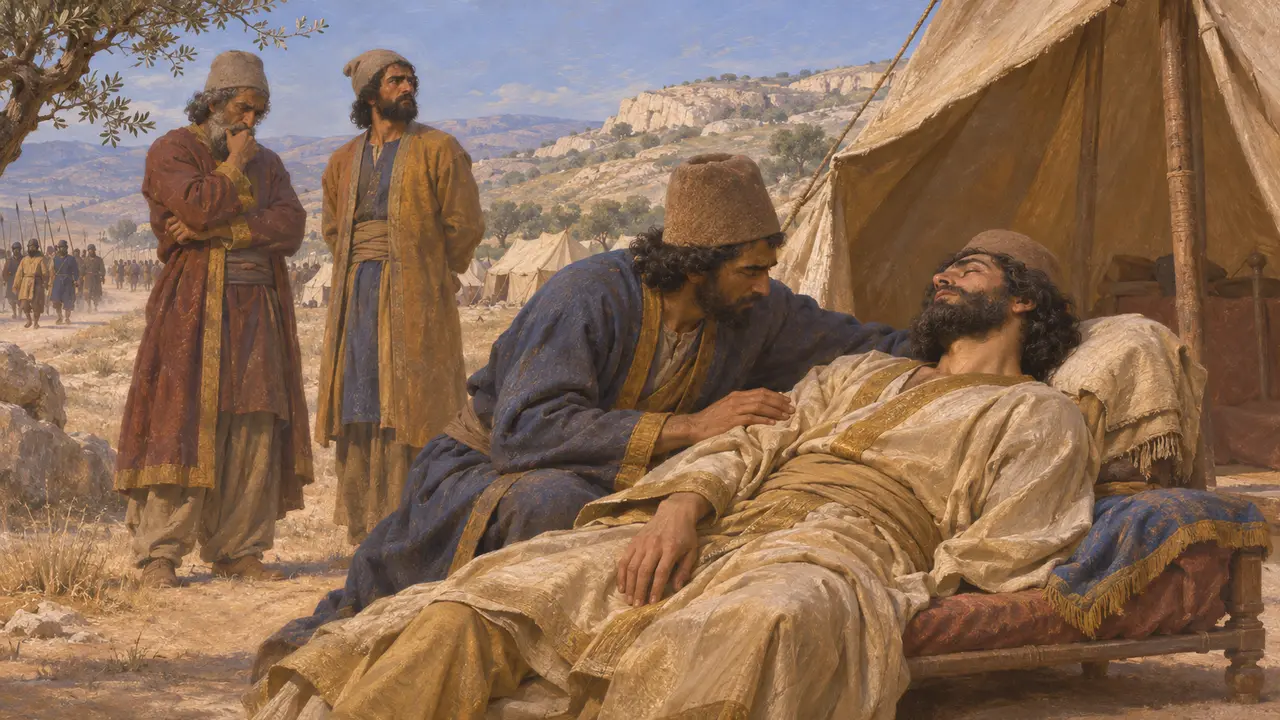
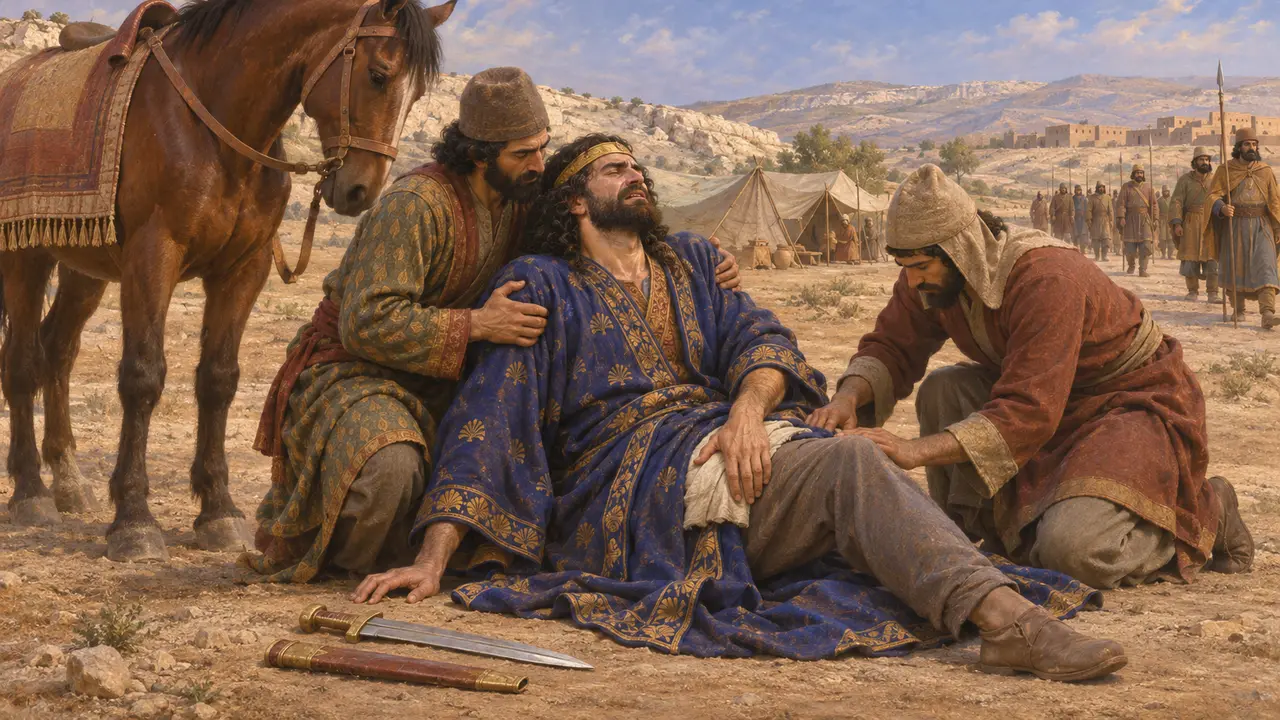
Ancient accountHerodotus says that Cambyses was in Syria, at a place called Ecbatana, when a herald announced the new king. As he leapt on his horse, his sword slipped from its sheath and pierced his thigh. The wound turned bad, and he died after a reign of seven years and five months. Ctesias tells a different story: the King died in Babylon, eleven days after cutting his thigh with a knife while carving wood.
Herodotus 3.62-66; Ctesias, Persica (Photius's summary)
Accident, suicide or murder
DisputedHistorians do not agree on what happened. Some read Darius's phrase as a natural or accidental death, others as suicide, and some suspect that Cambyses was killed by men who later backed Darius. The question is tied to a larger dispute over whether the man on the throne was really Bardiya. If he was, Darius's whole account would serve to justify his own seizure of power.
P. Briant, From Cyrus to Alexander, 2002
The wound of the Apis
Later legendHerodotus shapes the death as divine punishment. He says the sword struck the same place on the thigh where Cambyses had stabbed the Apis bull in Memphis. He adds that an oracle of Buto had warned the King he would die at Ecbatana, which he had taken to mean the Median city. Egyptian records of an Apis buried with royal honour under Cambyses cast doubt on the story of the stabbed bull.
Herodotus 3.29, 3.64
Sources
- DB §10-11
- Herodotus 3.29, 3.62-66
- Ctesias, Persica (Photius's summary)
- P. Briant, From Cyrus to Alexander, 2002
- A. Kuhrt, The Persian Empire, 2007