Arakha
Armenian rebel who ruled Babylon as Nebuchadnezzar IV, 521 BCE
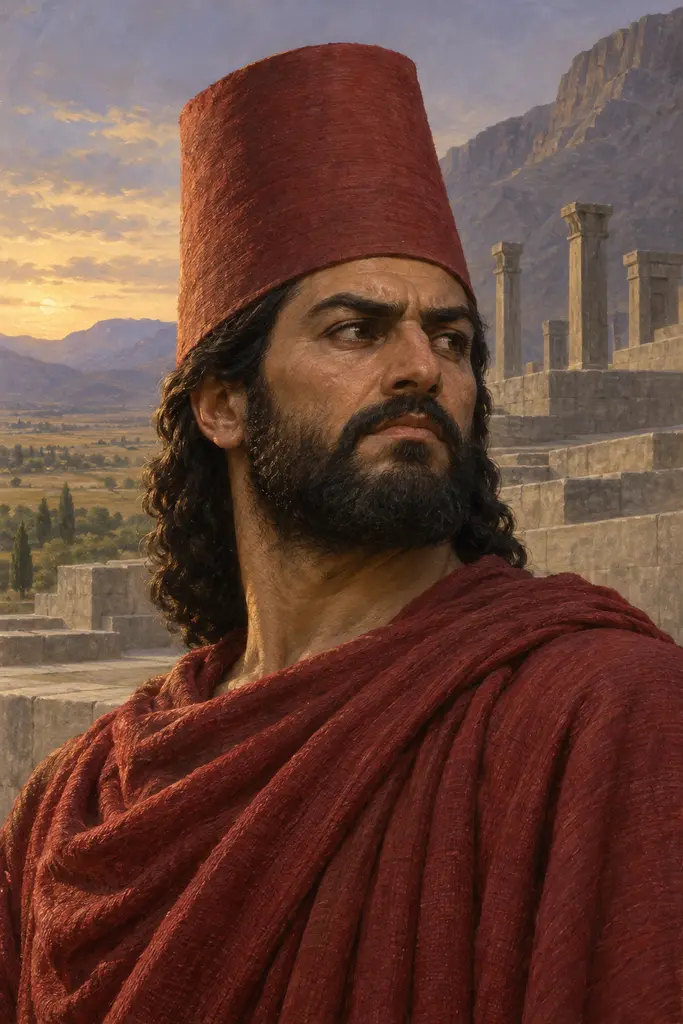
Arakha was an Armenian who seized Babylon in 521 by claiming to be Nebuchadnezzar, son of Nabonidus, the last native king. His revolt was the second Babylonian rising against Darius within about a year. Darius's general Intaphernes retook the city late in 521. Its end helped close the wave of rebellions that followed the death of Cambyses.
In the game: Arakha appears only in the game's chronicle as a Babylonian rebel of 521. The note's facts (his Armenian origin, the name Nebuchadnezzar and the capture by Intaphernes) agree with the Behistun inscription.
The second rising of Babylon
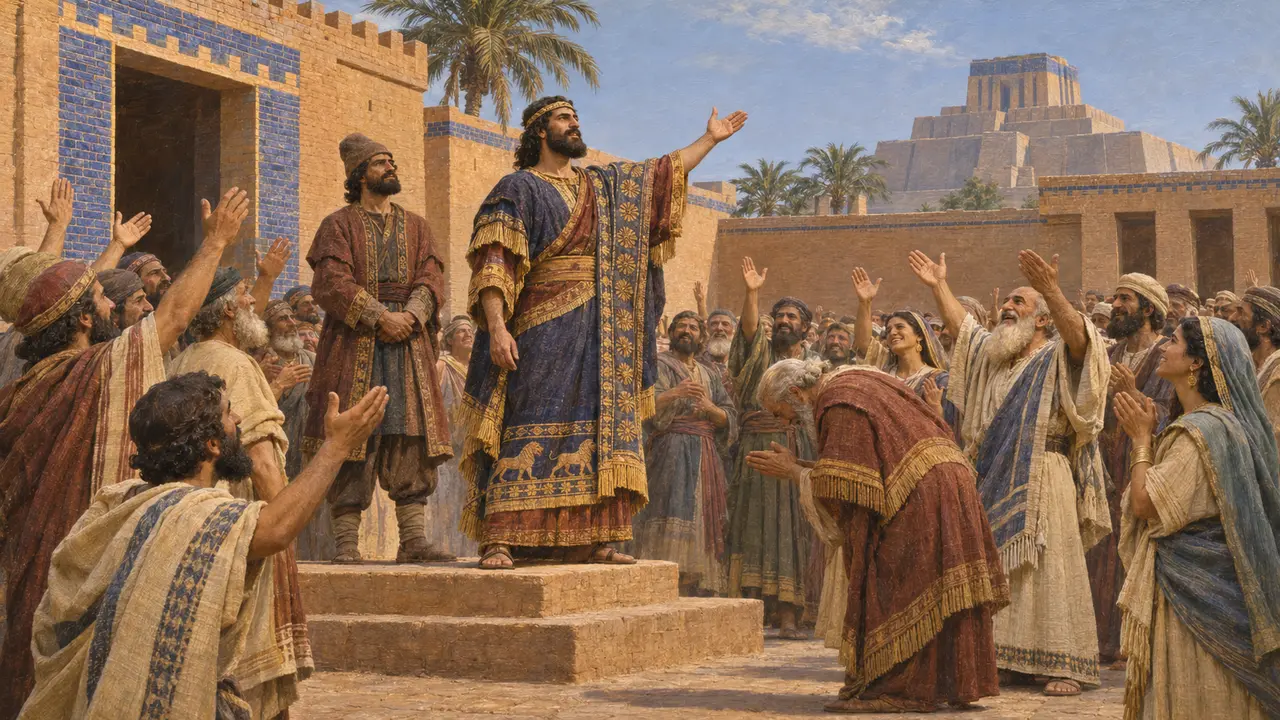
In the recordDarius's Behistun inscription says that Babylon rebelled a second time while he was in Persia and Media. A man named Arakha, an Armenian and son of Haldita, rose from a Babylonian district called Dubala. He told the people he was Nebuchadnezzar, son of Nabonidus, and Babylon accepted him as king. Only months earlier Darius had crushed Nidintu-Bel, who had made the same claim.
DB §49
Intaphernes takes the city
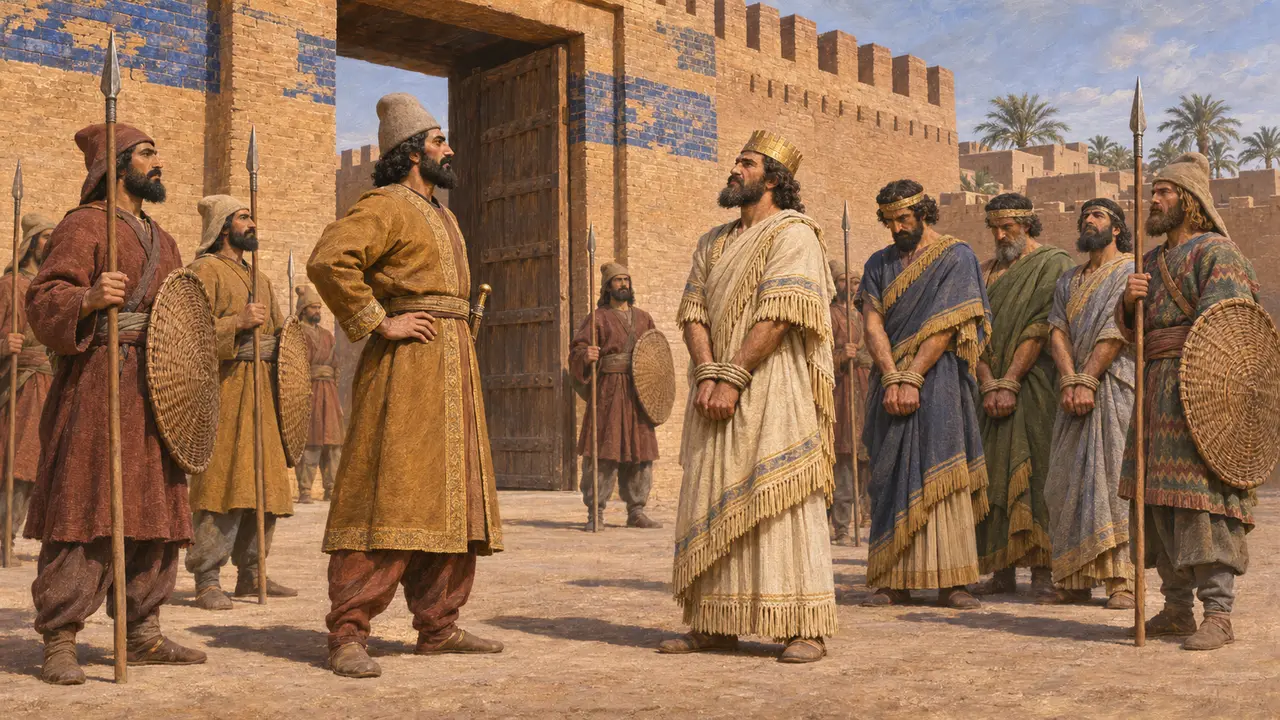
In the recordDarius sent an army under Vindafarna, the Persian noble whom Greek writers call Intaphernes. He was one of the six helpers named in the inscription. According to Behistun, he defeated the Babylonians and captured Babylon in the month Varkazana, late in 521. Arakha and his leading followers were seized and impaled at Babylon.
DB §50
Tablets dated to his reign
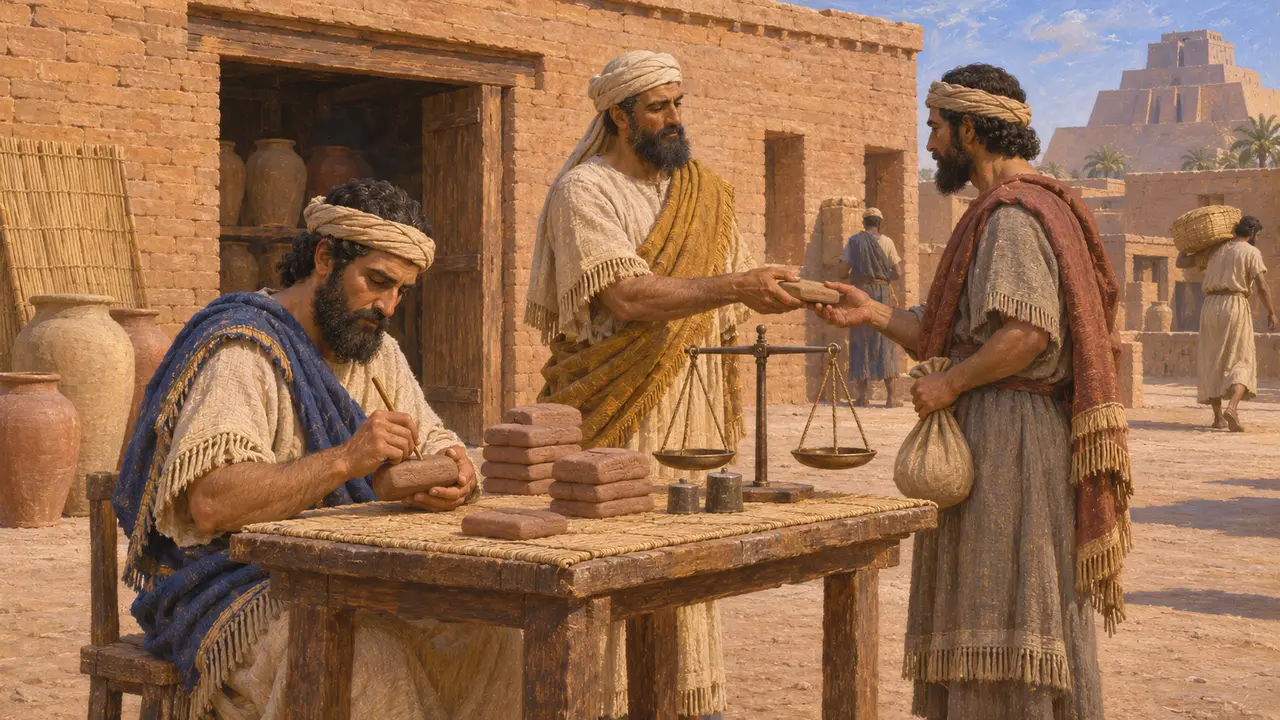
In the recordBabylonian business and temple documents were dated by the years of a king Nebuchadnezzar, whom modern scholars number Nebuchadnezzar IV. Scribes in Babylon and nearby cities used his name for a few months in the second half of 521. These tablets show that his rule was real and recognised in daily life, not only a claim recorded by his enemy.
A. Kuhrt, The Persian Empire: A Corpus of Sources, 2007
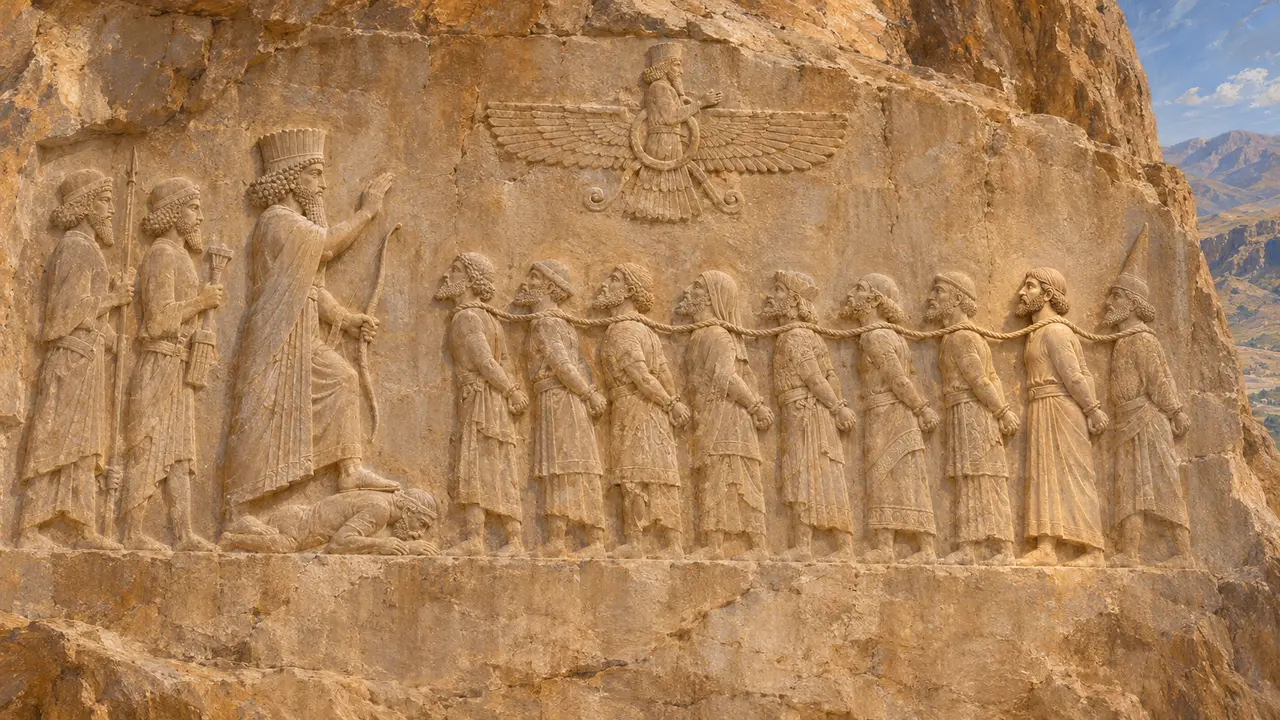
A liar among the bound kings
DisputedOn the Behistun relief Arakha stands among the roped rebels before Darius, and a short label calls him a liar who claimed to be Nebuchadnezzar. The only narrative of his revolt comes from Darius, who presents every rebel as an impostor. Historians debate the exact chronology of the two Babylonian revolts and what 'Armenian' meant here. His father's name Haldita recalls the Urartian god Haldi.
DBi; P. Briant, From Cyrus to Alexander, 2002
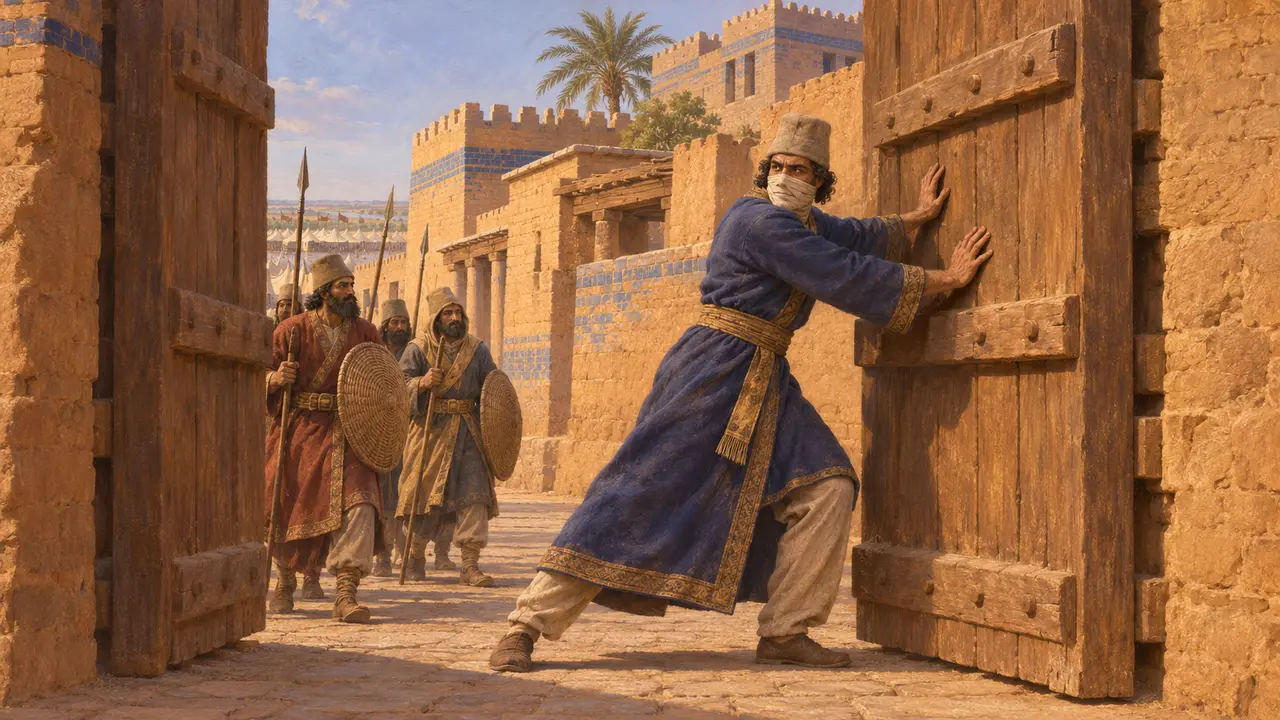
Zopyrus and the long siege
Later legendHerodotus tells of a Babylonian revolt under Darius with a siege of over nineteen months. It ended when the noble Zopyrus mutilated himself, pretended to desert and later opened the gates. Herodotus does not name Arakha, and the tale is shaped as a moral story about loyalty. Some historians link it to the revolts of 522 to 521, while Ctesias tells of a Babylonian revolt under Xerxes in which a Zopyrus died.
Herodotus 3.150-160
Sources
- Behistun inscription, DB §§49-50 and DBi
- R. Schmitt, The Bisitun Inscriptions of Darius the Great: Old Persian Text, 1991
- A. Kuhrt, The Persian Empire: A Corpus of Sources, 2007
- P. Briant, From Cyrus to Alexander, 2002
- Herodotus 3.150-160