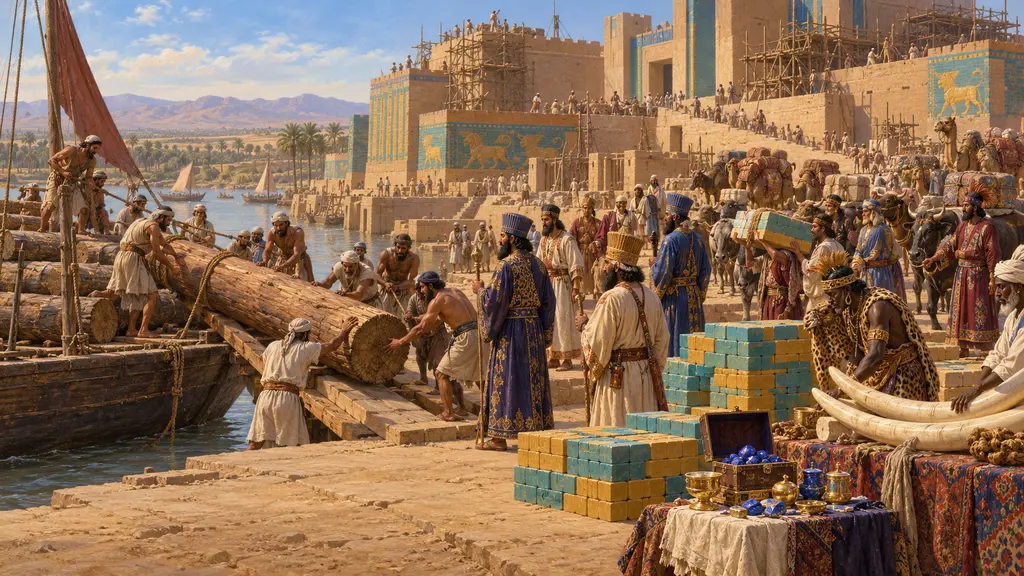
Lebanon
Mountain source of cedar timber for Persian royal building, 6th-5th century BCE
In the game: Level 5: The Charter
Lebanon was the mountain range behind the Phoenician coast, long known in the ancient Near East for its cedar. Darius's Susa charter names it as the source of the cedar used in his palace at Susa. The Phoenician cities of the coast were Persian subjects who also supplied ships to the King's fleet.
In the game: The game mentions Lebanon only in Chronicle entries and event articles, chiefly the Susa charter, where it is the source of the palace cedar. It has no building, unit or mechanic of its own.
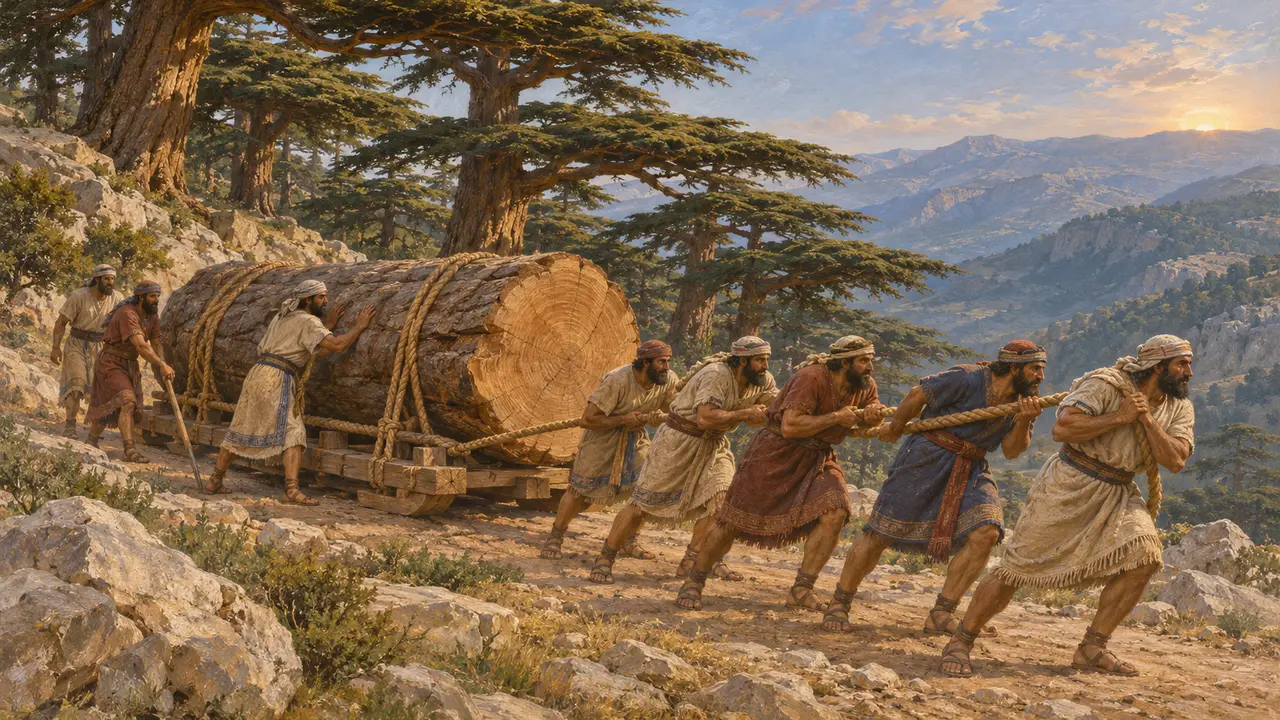
Cedar in Darius's Susa charter
In the recordDarius's foundation charter from Susa, DSf, lists the materials and peoples who built his palace. It says the cedar timber was brought from a mountain called Lebanon. Assyrian people carried it as far as Babylon, and Carians and Ionians brought it on from Babylon to Susa.
DSf
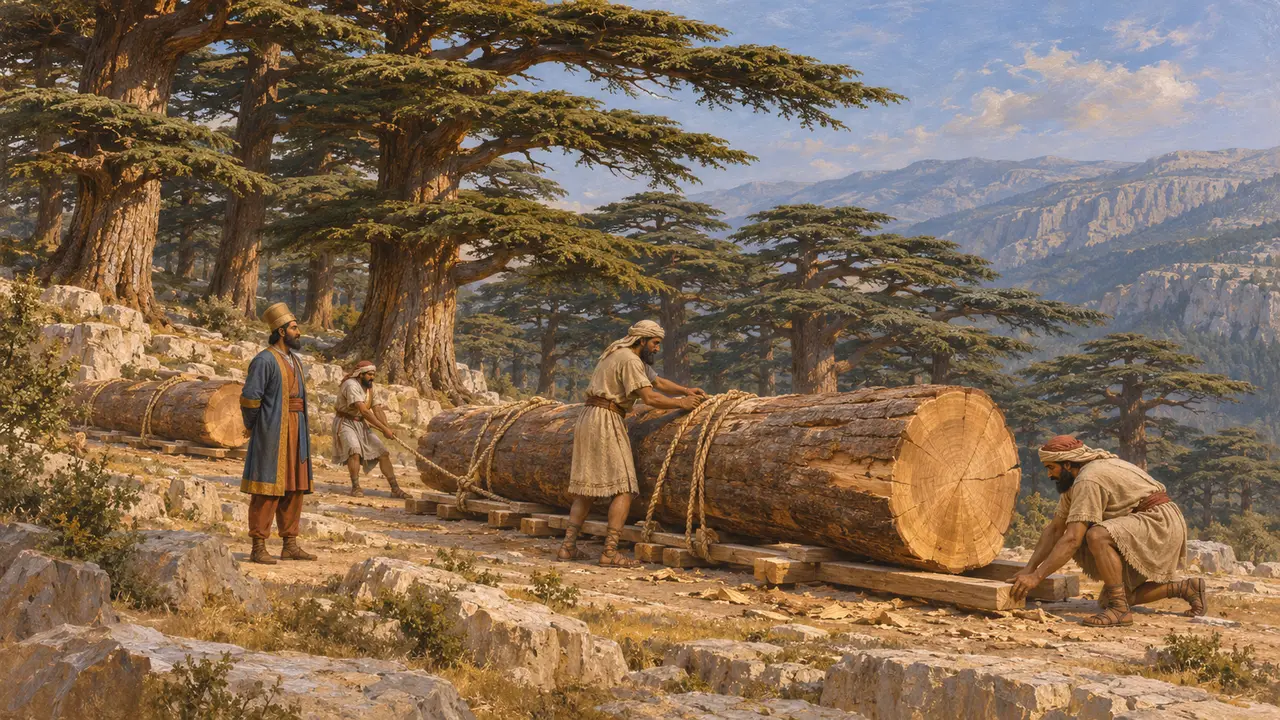
Lebanon as the only named source
DisputedDSf is the clearest text naming Lebanon as a source of timber for a Persian building. Cedar is reported in other Persian buildings, but how much came from Lebanon rather than other mountain regions is not settled by the texts. Identifying the source of excavated timber is also difficult.
P. Briant, From Cyrus to Alexander, 2002
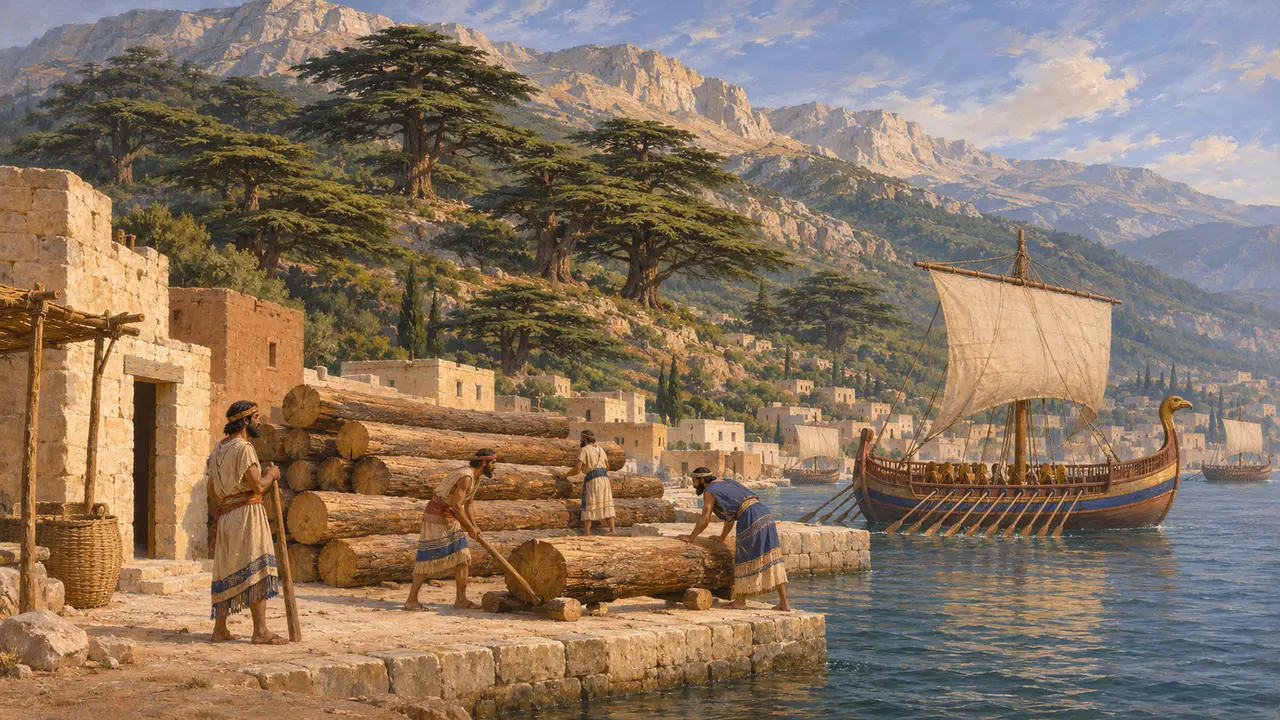
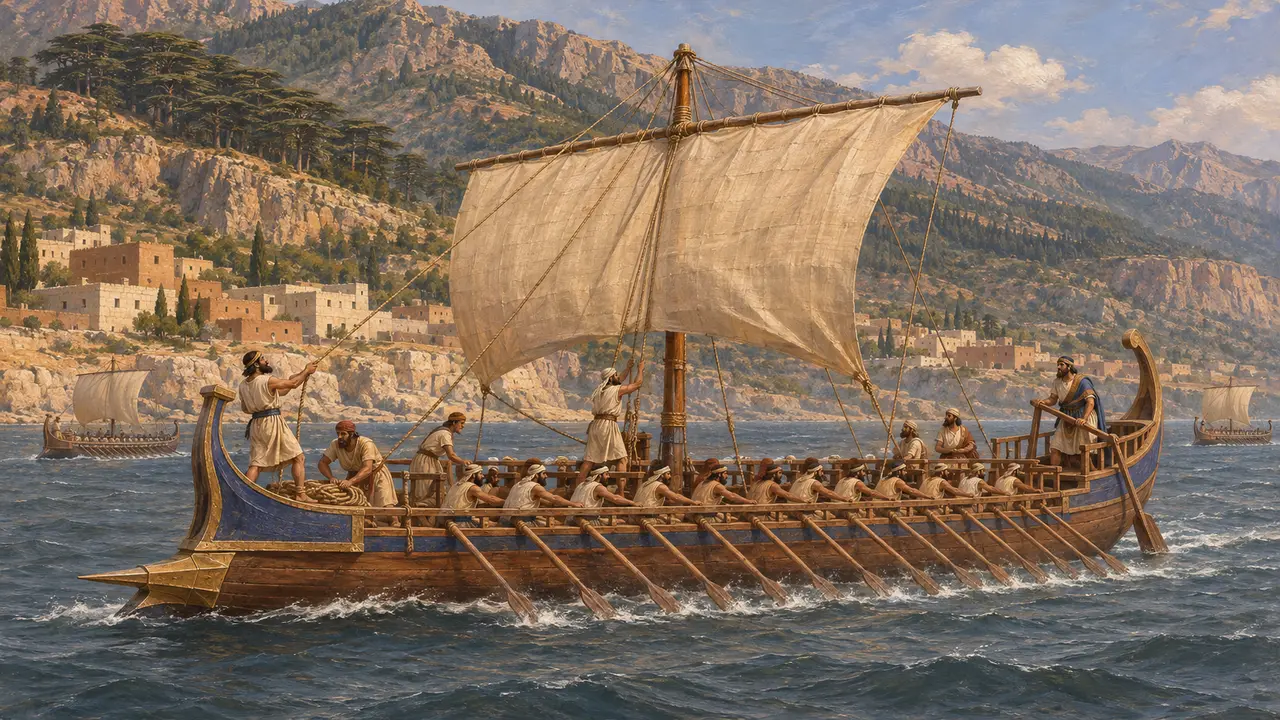
Phoenician ships in the King's fleet
Ancient accountHerodotus says the Phoenician contingent in Xerxes' fleet was the most skilled at sailing. The coast that supplied this naval service also lay beside the timber mountains, though the sources do not link the two directly.
Herodotus 7.89
Sources
- DSf
- P. Briant, From Cyrus to Alexander, 2002
- Herodotus 3.91
- Herodotus 7.89