Encyclopedia › Battles and events

The revolt of Nidintu-Bel
A Babylonian rising under a royal name, crushed by Darius, Babylonia, 522 BCE
In the game: Level 3: The Lie
In autumn 522, soon after Darius killed the man he called Gaumata, a Babylonian named Nidintu-Bel claimed to be Nebuchadnezzar, son of the last native king Nabonidus, and Babylon accepted him. Darius marched south in person, won two battles in December and took the city. The revolt showed how fragile Persian rule over the richest province still was, and it was the first of two Babylonian risings he had to put down.
In the game: The game reports the revolt in a Chronicle message taken from the Behistun inscription: the false Nebuchadnezzar, the battles on the Tigris and at Zazana, and the taking of Babylon. It dates it simply to 522.
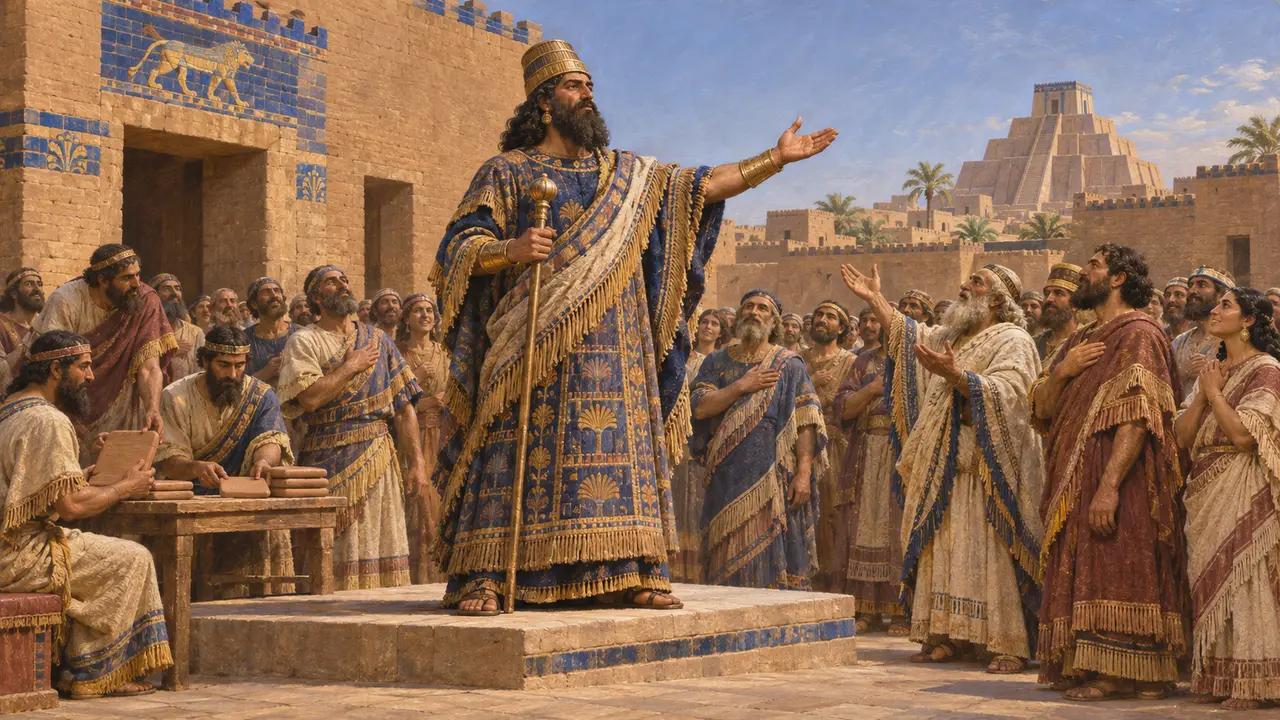
A new Nebuchadnezzar
In the recordDarius says that Nidintu-Bel, son of Ainaira, a Babylonian, rose in Babylon and falsely claimed to be Nebuchadnezzar, son of Nabonidus, and that the Babylonians went over to him. Babylonian business tablets of the time bear this out: contracts were dated to the reign of King Nebuchadnezzar, now called Nebuchadnezzar III, for a few months in late 522.
DB §16; Babylonian dated tablets
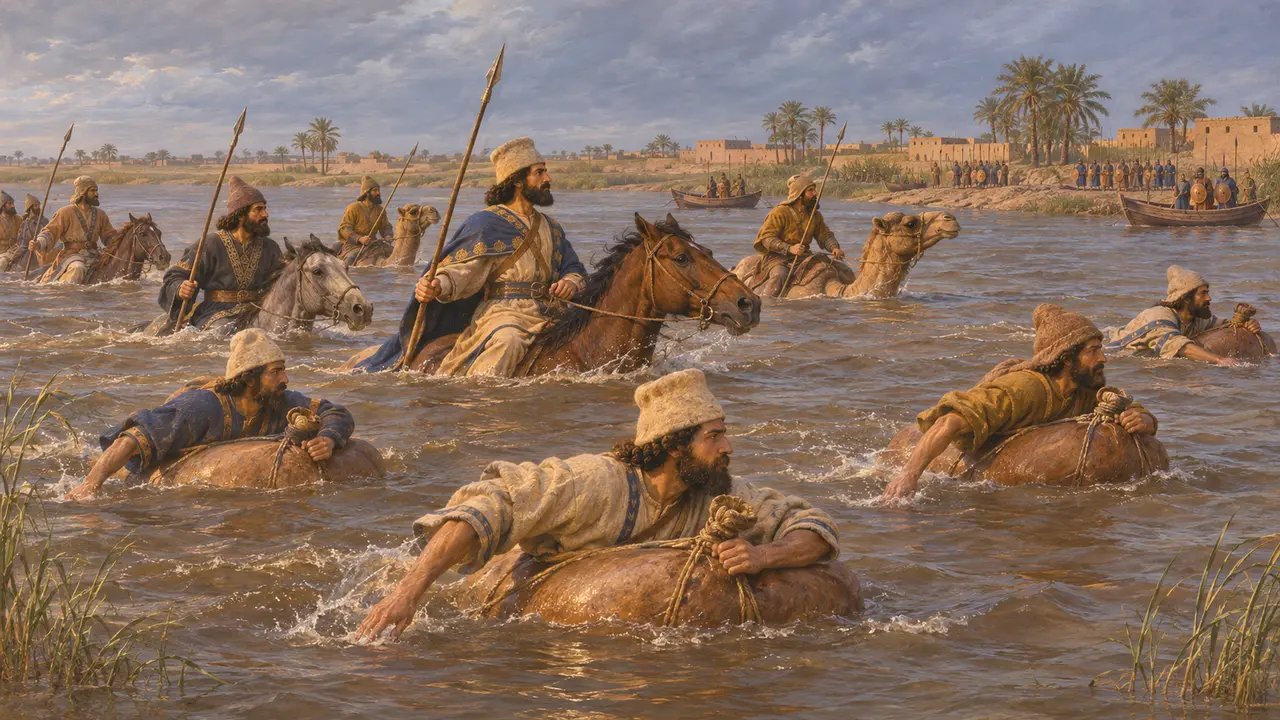
The crossing of the Tigris
In the recordDarius went to Babylon himself. He says Nidintu-Bel's army held the Tigris, which could not be forded, and had boats on the river. Darius put some of his troops on inflated skins, mounted others on camels and horses, crossed, and defeated the Babylonians in a battle he dates to 26 Assiyadiya, about 13 December 522.
DB §18
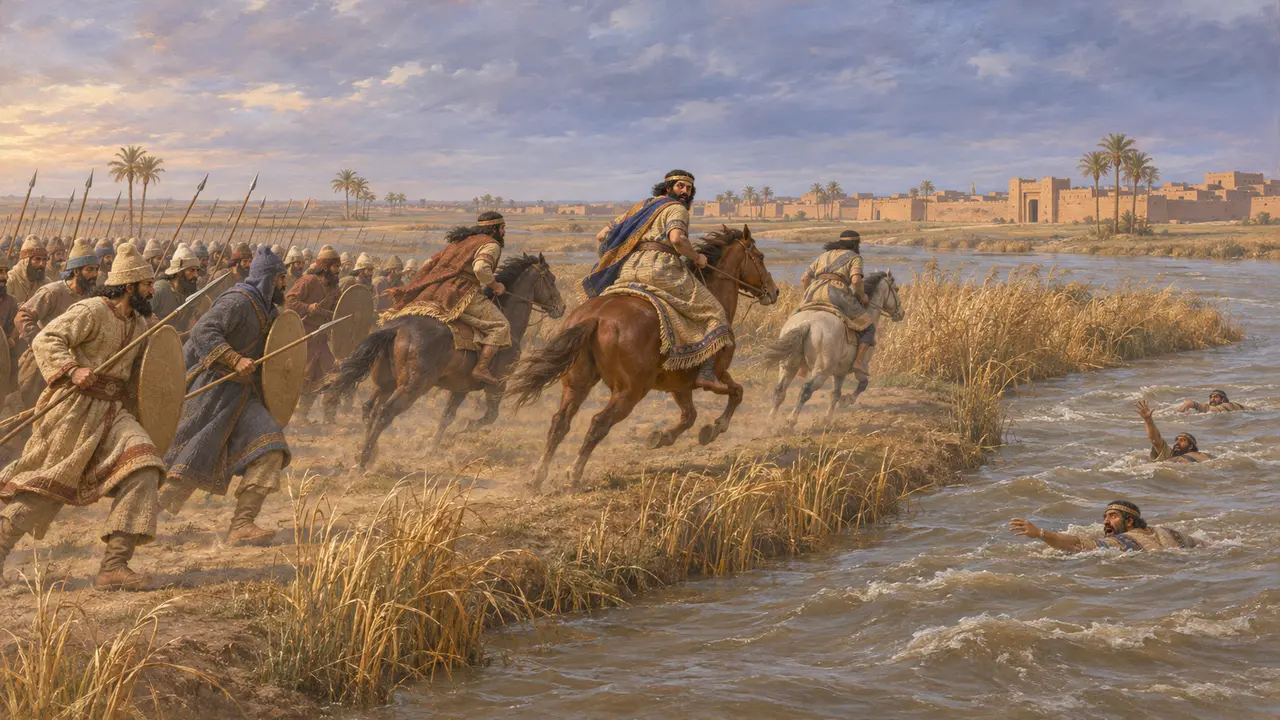
Zazana and the fall of Babylon
In the recordA second battle followed at Zazana, a town on the Euphrates, on 2 Anamaka, about 18 December. Darius says part of the enemy was carried away by the river. Nidintu-Bel fled with a few horsemen to Babylon, and Darius took the city and put him to death there. On the Behistun relief he stands second in the line of bound rebel kings, with a label naming his lie.
DB §19-20; DBd
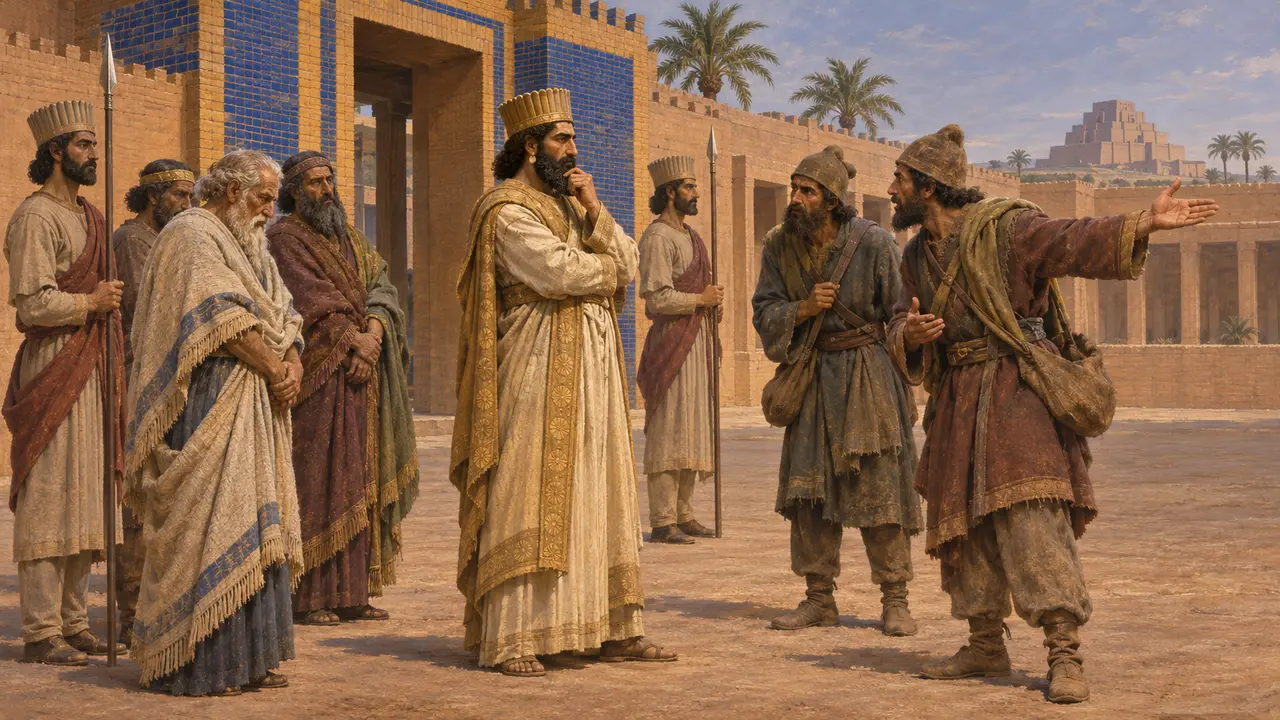
Dates and claims in question
DisputedDarius calls the royal claim a lie, and no other source settles it. Historians read the choice of name as a sign that native Babylonian kingship still commanded loyalty. The length of his rule is argued from the tablets, and it is unclear whether Babylon fell in late December 522 or early 521. Darius says many lands rose against him while he was at Babylon, so his stay may have been longer than the text makes plain.
DB §21; P. Briant, From Cyrus to Alexander, 2002
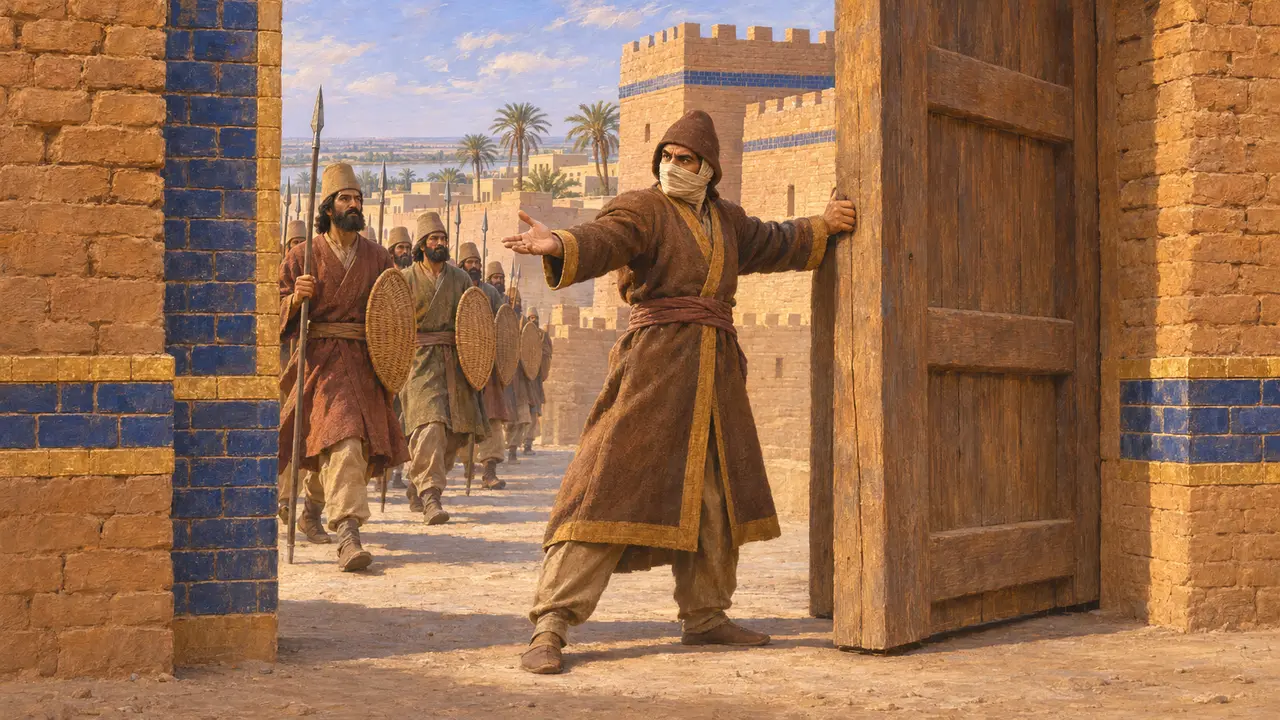
Zopyrus and the long siege
Later legendHerodotus tells of a Babylonian revolt against Darius that ended only after a siege of about twenty months. The Persian noble Zopyrus cut off his own nose and ears, posed as a deserter and opened the gates, and Darius then had some three thousand leading men impaled. The tale fits neither of Darius's Babylonian revolts well. Some link it to the risings under Xerxes, but most treat it as a story of loyalty rather than history.
Herodotus 3.150-160
Sources
- DB §16-21
- R. G. Kent, Old Persian: Grammar, Texts, Lexicon, 1953
- R. Schmitt, The Bisitun Inscriptions of Darius the Great: Old Persian Text, 1991
- A. Kuhrt, The Persian Empire: A Corpus of Sources from the Achaemenid Period, 2007
- P. Briant, From Cyrus to Alexander, 2002
- Herodotus 3.150-160