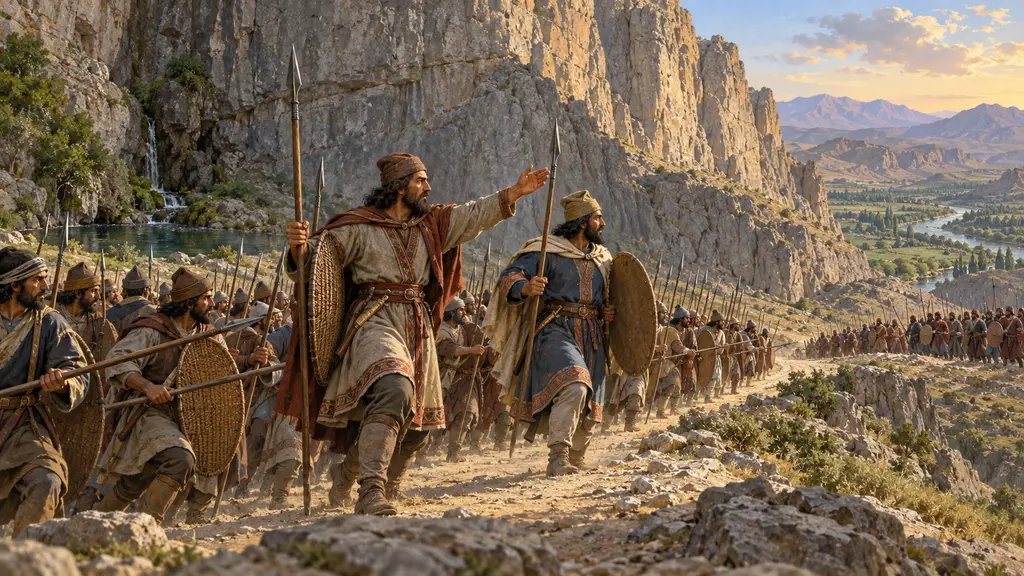
Vaumisa
Persian commander against the Armenian rebels for Darius, 522-521 BCE
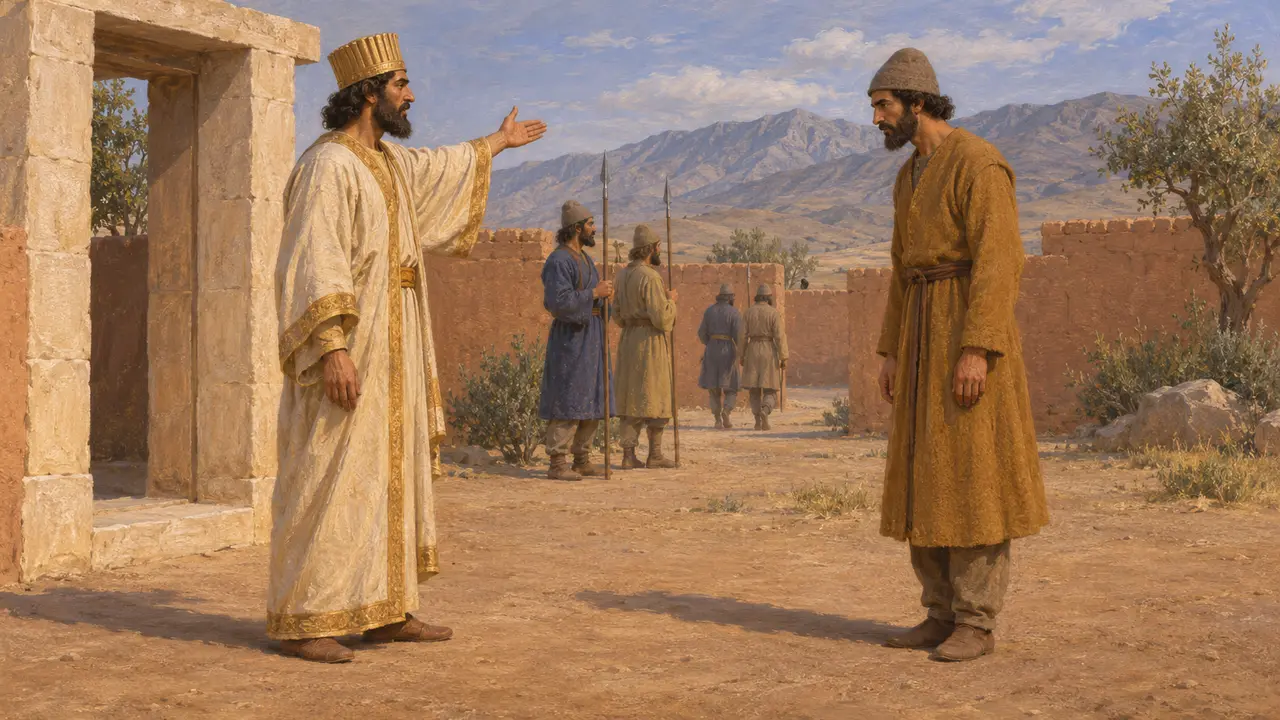
Vaumisa was a Persian whom Darius sent against the Armenian rebels in the revolts that followed the killing of Gaumata. He is known from the Behistun inscription, where Darius calls him his servant. Herodotus does not mention him.
In the game: Vaumisa is named in the Encyclopedia's event articles, including the war in Armenia, and has no mechanic of his own.
Battles in Assyria
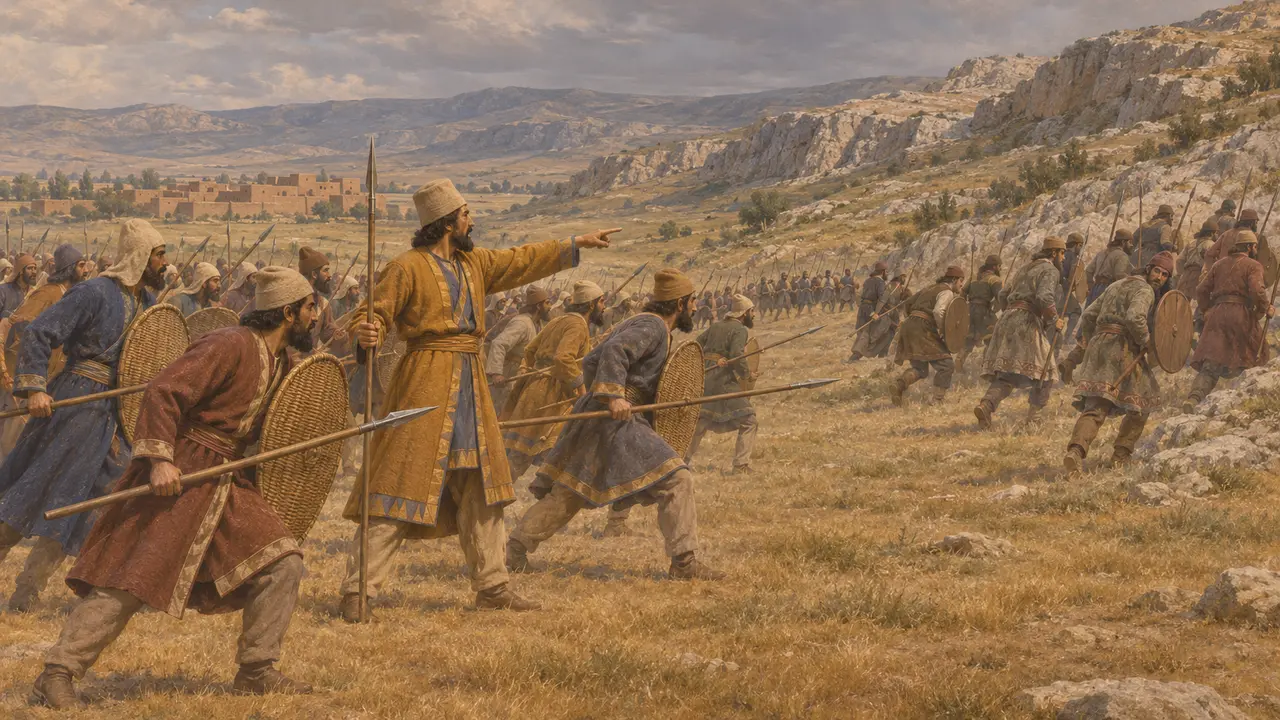
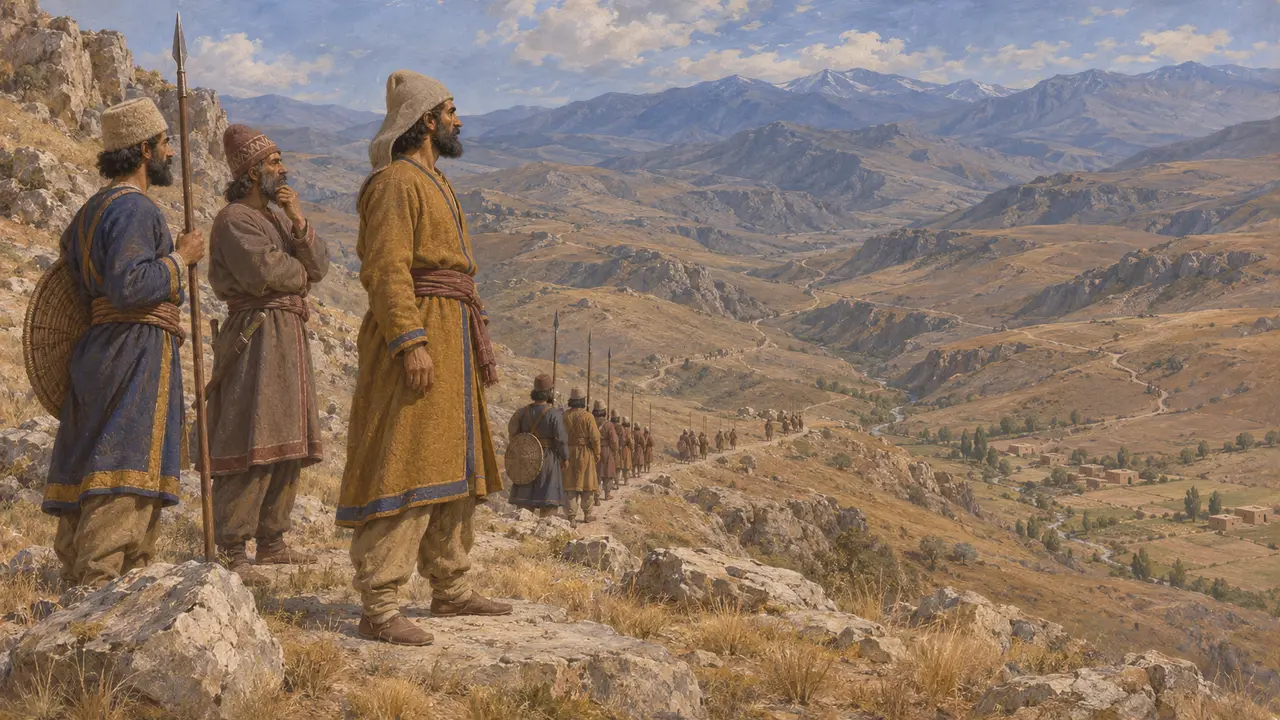
In the recordAccording to the inscription, Vaumisa met the rebels in battle more than once, and the first fight took place at a place called Izala in Assyria. Darius credits the victories to the help of Auramazda. Vaumisa then waited in Armenia until the King reached Media.
DB §27-29
A second commander, Dadarshish
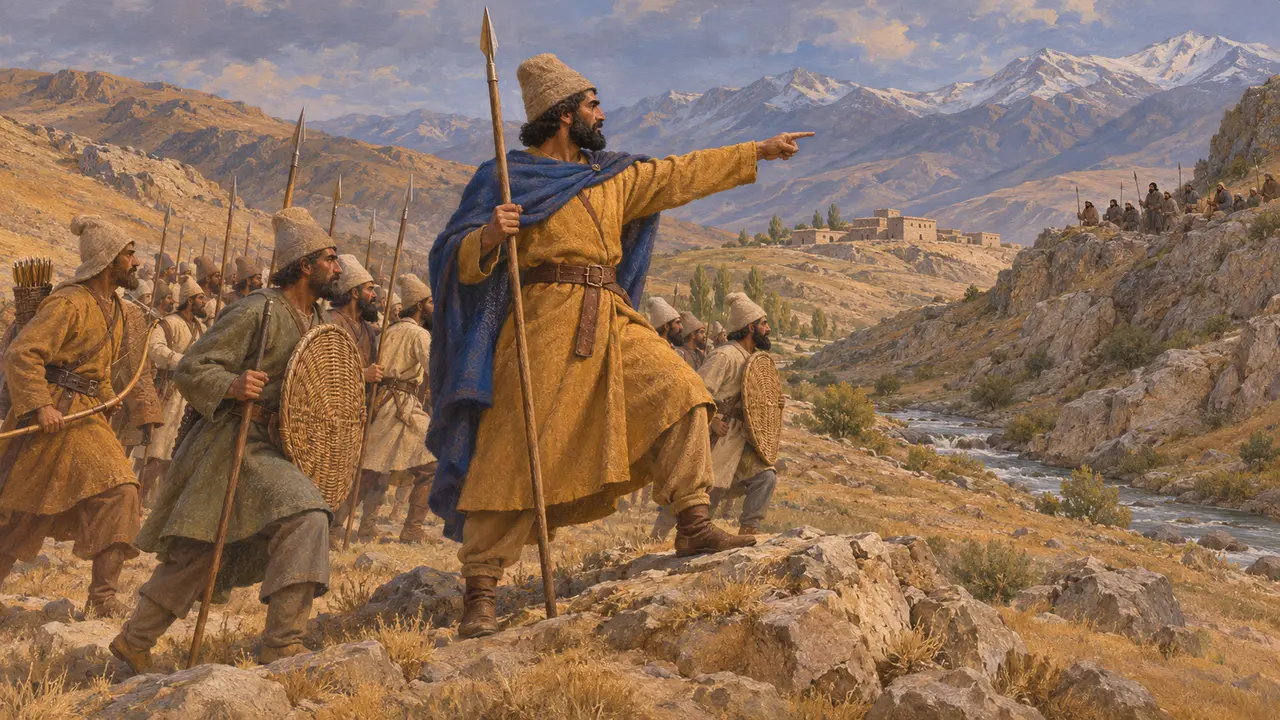
In the recordDarius also sent an Armenian servant, Dadarshish, against the same rebels, and Behistun reports his battles in separate paragraphs. The two campaigns belong to the same war. Dadarshish has his own entry.
DB §26-30
What the sources leave open
DisputedHistorians cannot locate every place Darius names, and Izala in particular is uncertain. How the two commanders' campaigns fitted together in time is reconstructed from a single royal text. That text was written to praise Darius, and the fighting is known only in this form.
P. Briant, From Cyrus to Alexander, 2002
Absent from Herodotus
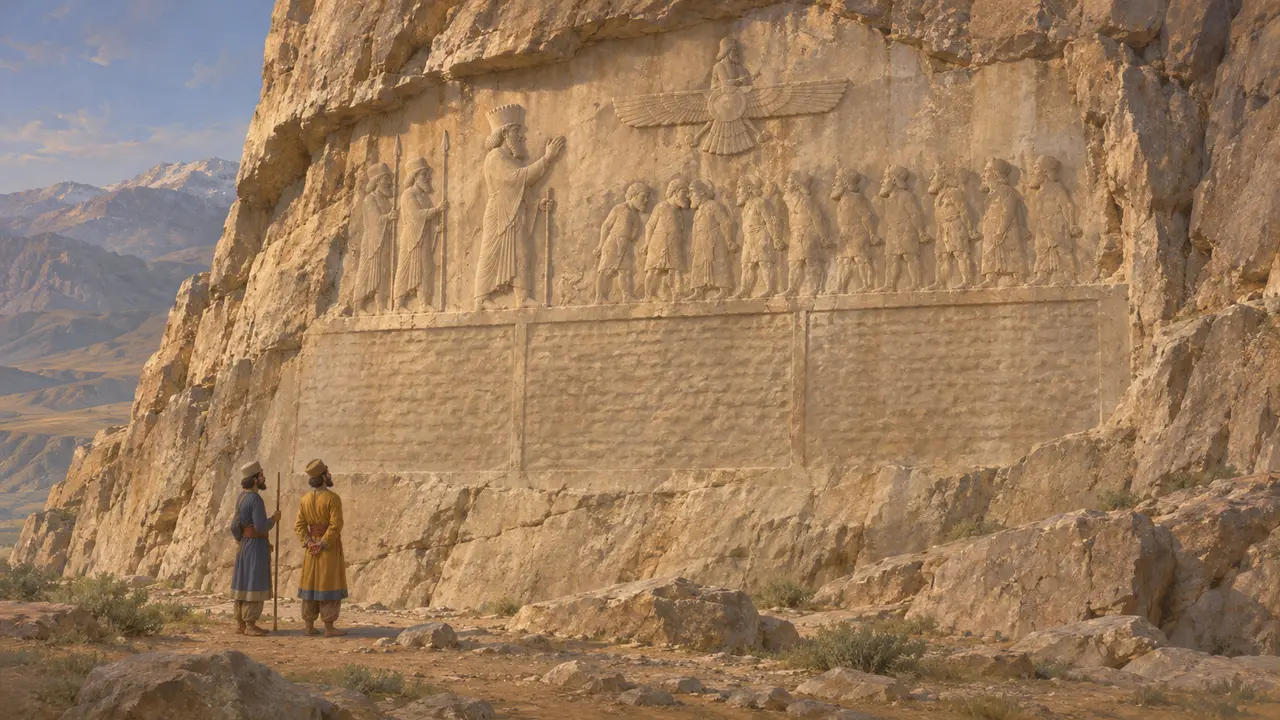
Ancient accountHerodotus tells of the conspiracy and Darius's accession, but in his account of that period he does not mention Vaumisa or the Armenian war in any detail. The name survives only in the Persian inscription.
Herodotus 3.70-88
Sources
- DB §26-30
- P. Briant, From Cyrus to Alexander, 2002
- R. G. Kent, Old Persian: Grammar, Texts, Lexicon, 1953
- Herodotus 3.70-88