
Dadarshish
Servant and general of Darius in the Armenian war, 521 BCE
Dadarshish was a general whom Darius sent against the Armenian rebels in the revolts that followed the killing of Gaumata. He is known from the Behistun inscription, where Darius names him as his servant and lists three battles he won. A man of the same name appears later in the text as satrap of Bactria, and historians argue over whether this is one person.
In the game: The game names him only in the event articles, chiefly the war in Armenia, and gives him no mechanic of its own. Its description of him as the five-battle general departs from Behistun, which credits him with three battles and Vaumisa with two.
Three battles
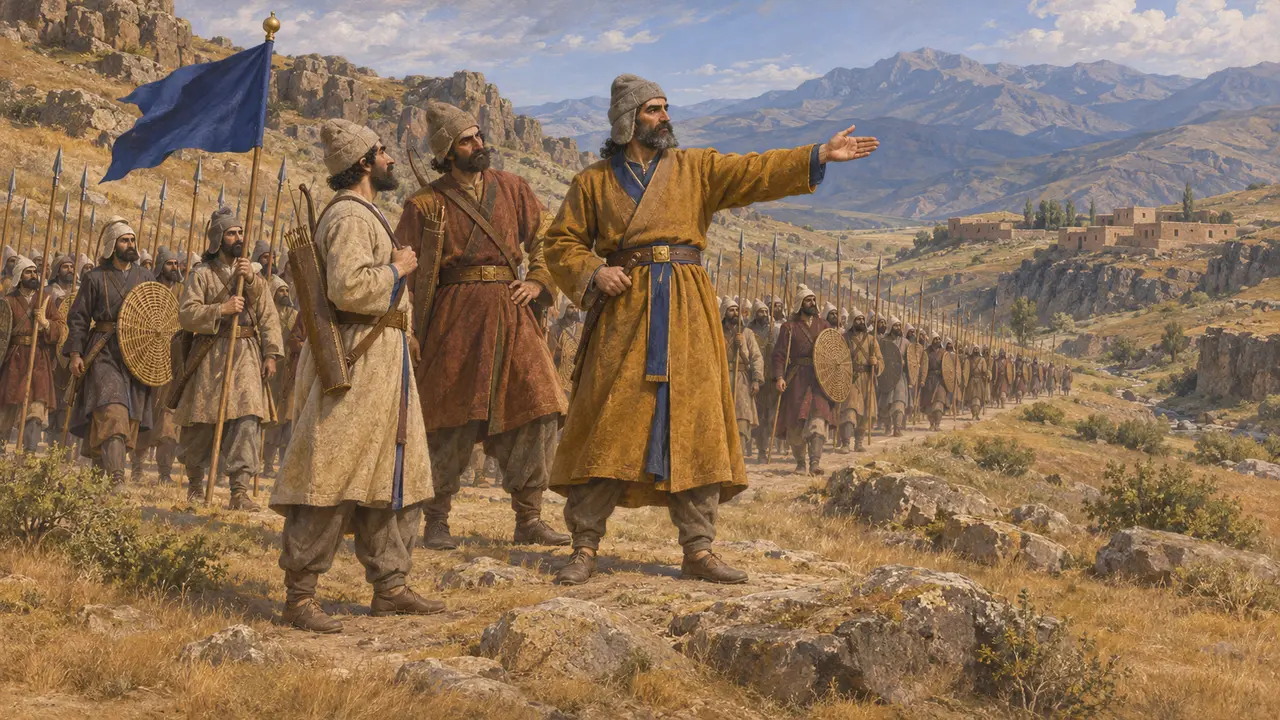
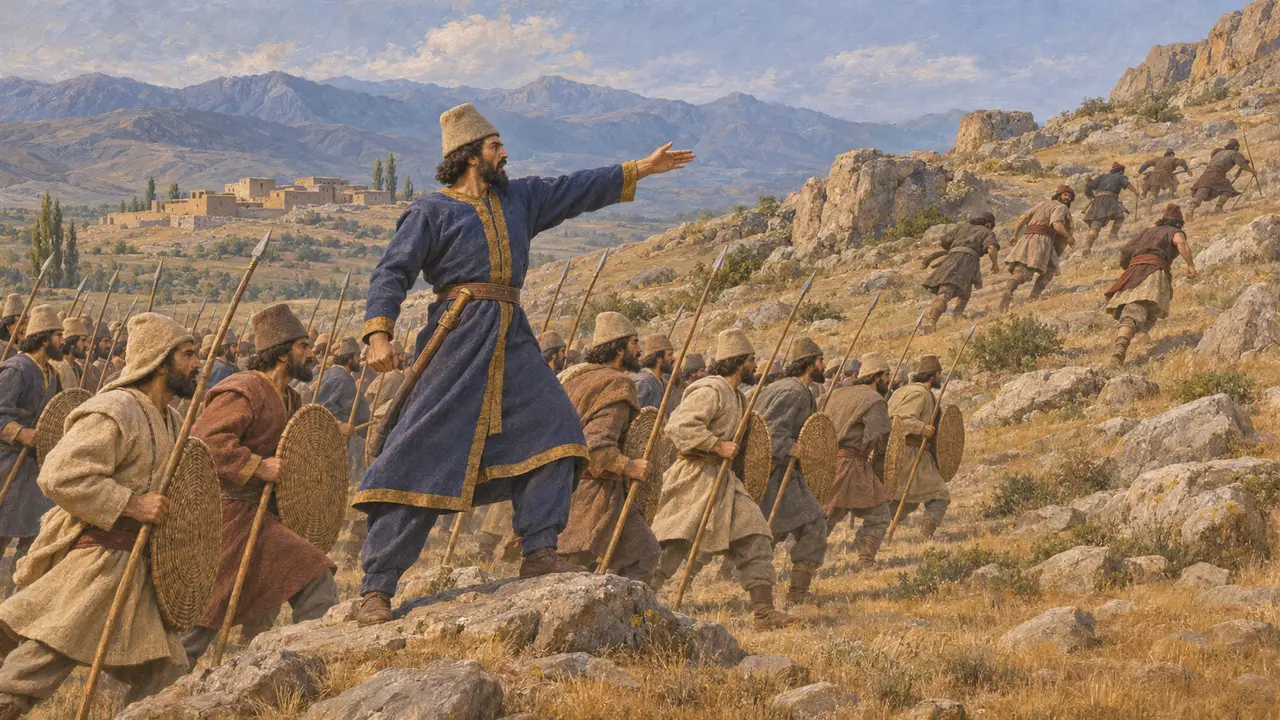
In the recordDarius lists three battles fought by Dadarshish against the rebels, at Zuzahya, at Tigra and at Uyama, each with a date by the Old Persian calendar. In each Darius credits the victory to the help of Auramazda. The report is the King's own, written after the events.
DB §§26-28
Vaumisa and the rest of the war
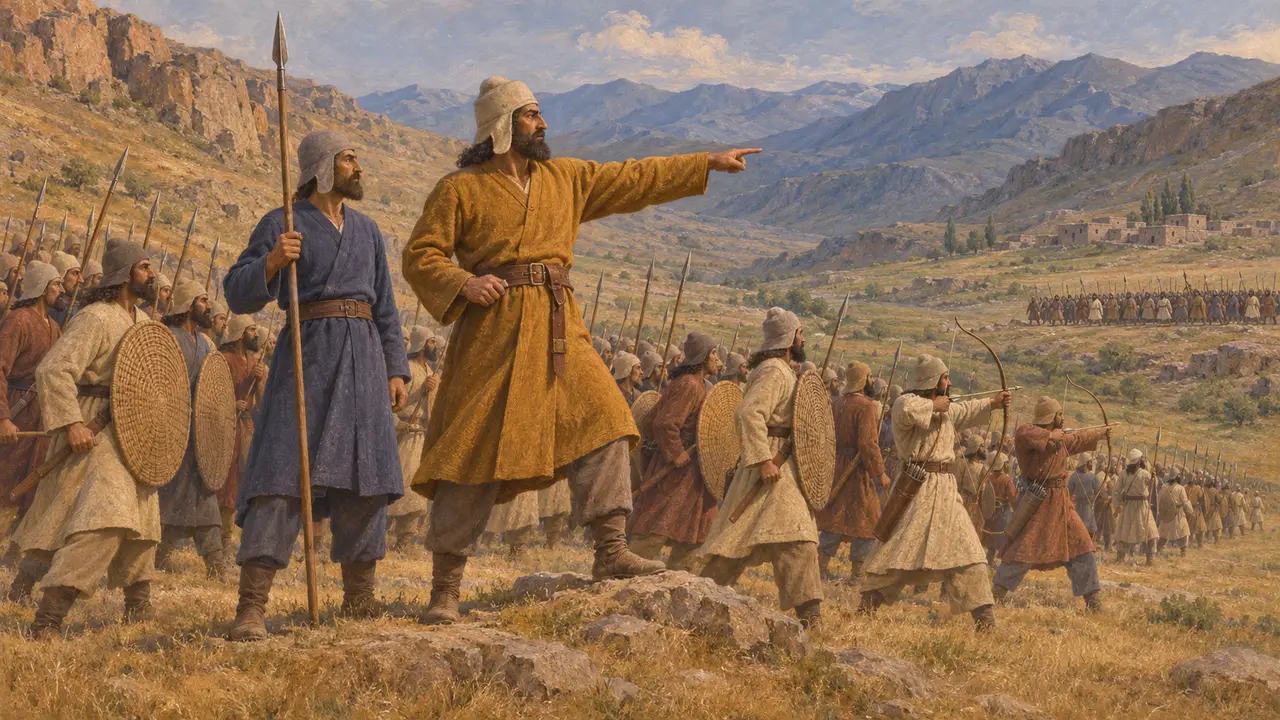
In the recordDarius also sent a Persian servant, Vaumisa, against the same rebels. The inscription gives Vaumisa two battles, so the war had two field commanders, and the five battles belong to the two men together.
DB §§28-29
Satrap of Bactria
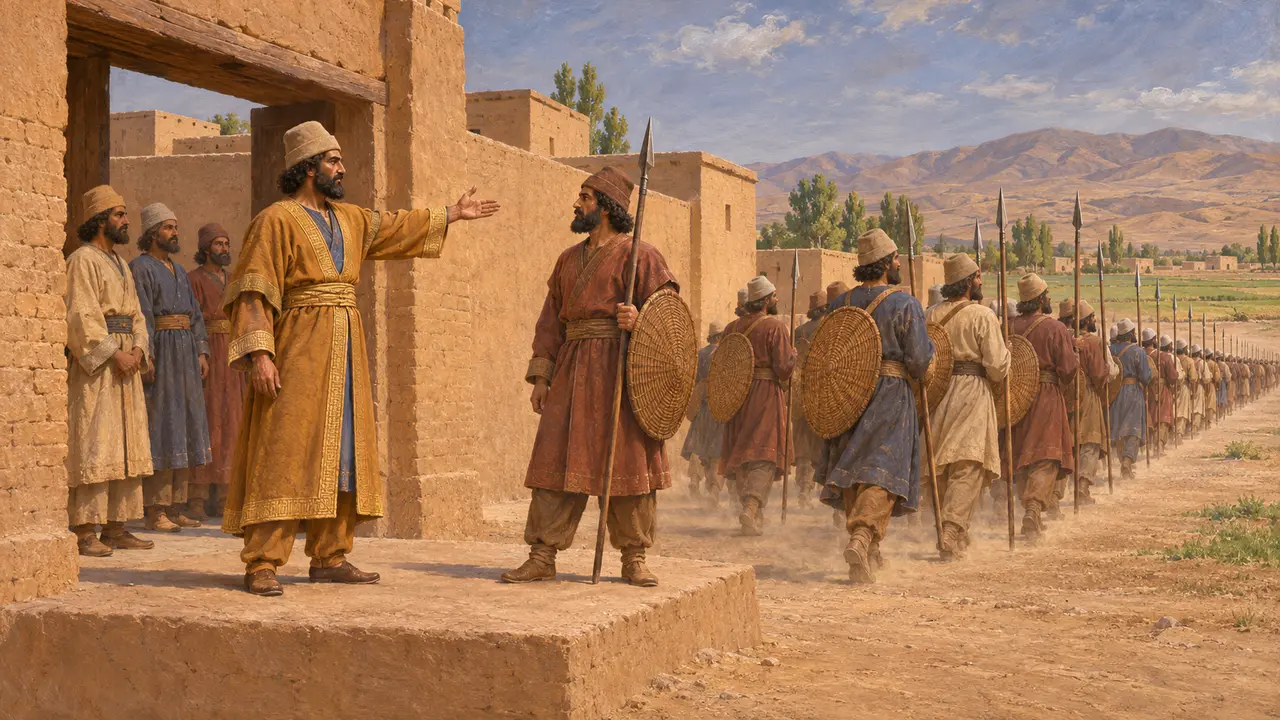
DisputedLater the inscription names a Dadarshish, called a Persian and the King's servant, as satrap in Bactria who sent an army against rebels in Margiana. Some historians identify him with the general of the Armenian war, while others think two men shared the name. The differing labels, Armenian in one place and Persian in the other, feed the doubt.
DB §38
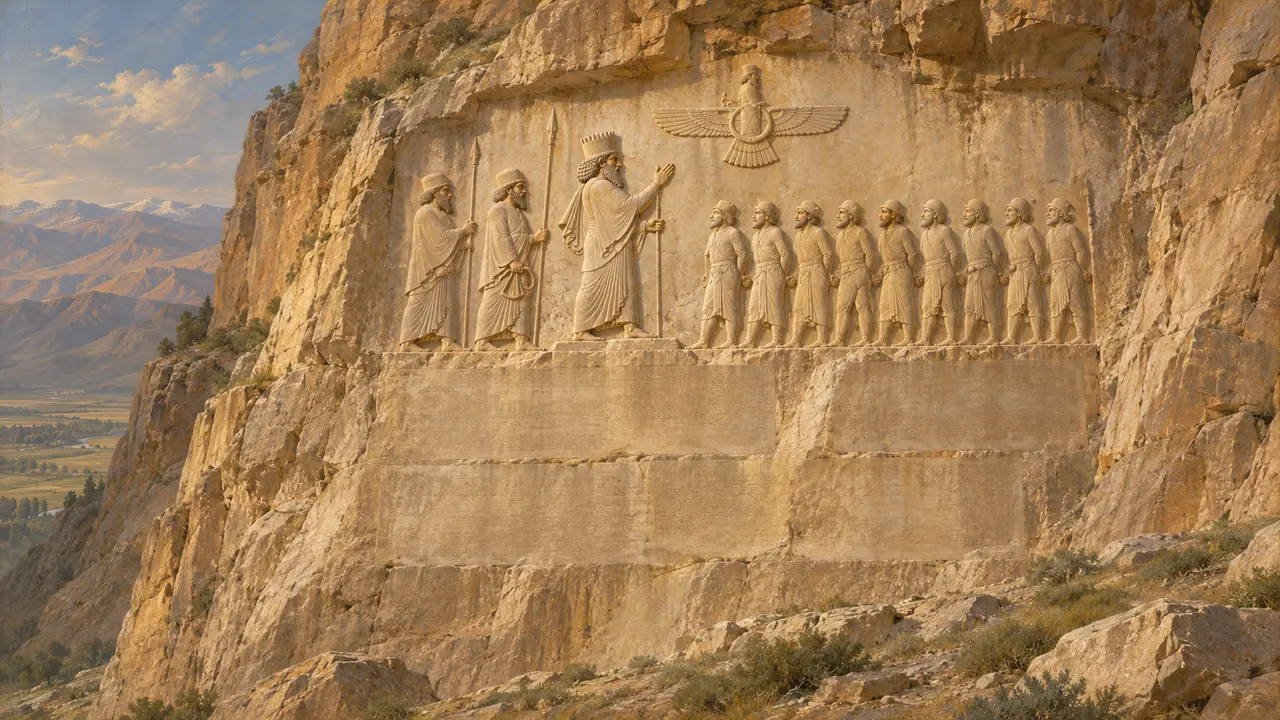
Why he is known
In the recordDadarshish is known only from the royal inscription, which was composed to praise Darius. No Greek writer is known to name him. His own view of events is therefore lost.
DB §§26-28, 38
Sources
- DB §§26-29, 38
- R. Schmitt, The Bisitun Inscriptions of Darius the Great, Old Persian Text, 1991
- P. Briant, From Cyrus to Alexander, 2002