Encyclopedia › Battles and events
The war in Armenia
Darius's generals against the Armenian rebels, Armenia and Assyria, 522-521 BCE
In the game: Level 3: The Lie
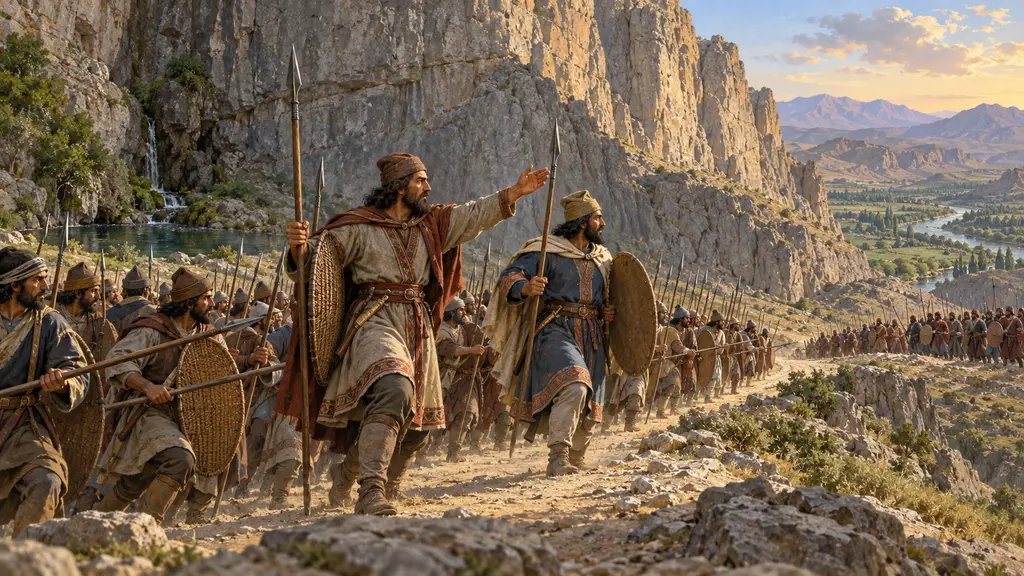
Armenia was one of the lands that rose against Darius in the first months of his reign. His inscription at Behistun records five battles fought for him by two generals, Dadarshish the Armenian and Vaumisa the Persian. It is one of the least-known theatres of the revolts of 522-521, and the inscription never says that the war ended in a clear victory.
In the game: The game shows a 521 campaign fought battle after battle by Dadarshish and Vaumisa, as Behistun does. It simplifies the dates: Vaumisa's first battle, at Izala, probably fell at the very end of 522.
Armenia among the rebel lands
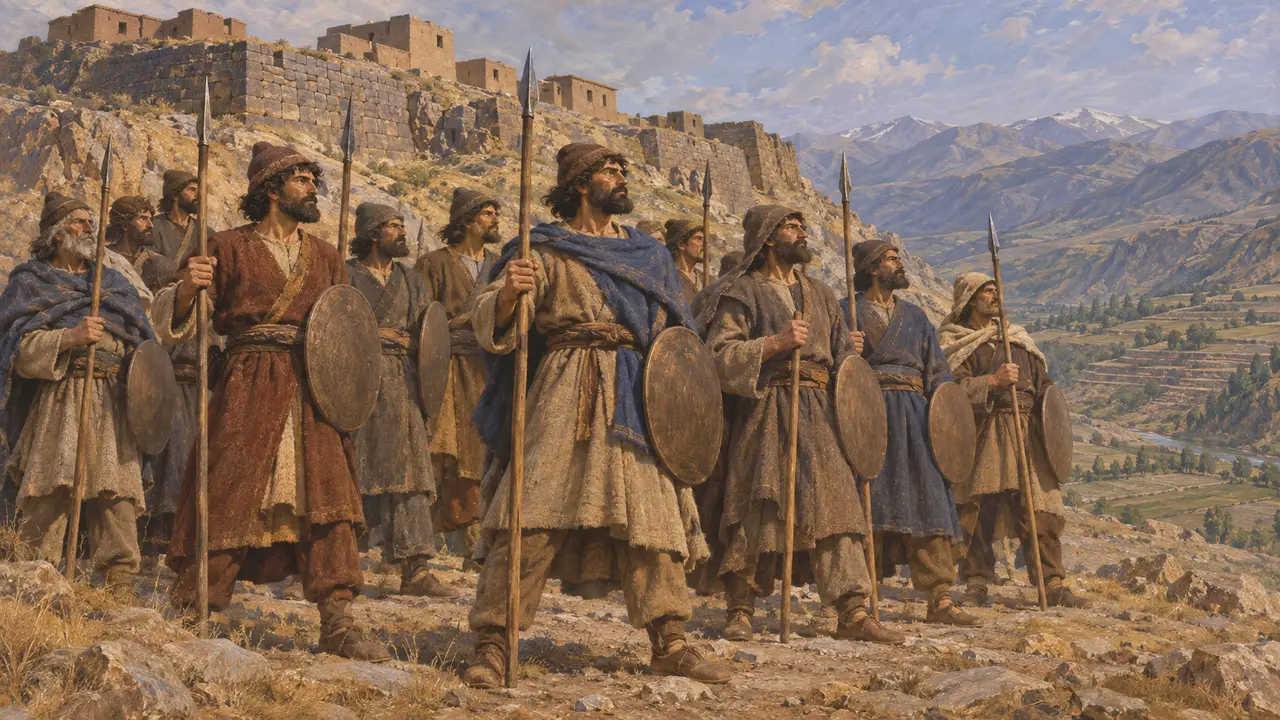
In the recordArmenia (Old Persian Armina) is not in the list of rebel countries that Darius gives at the start of his account of the revolts. It appears later, where he tells of rebels in Armenia who would not call themselves his, beside the Median revolt of Fravartish. The Babylonian version renders the name as Urashtu, after Urartu, the kingdom that once ruled these highlands. Unlike most of the revolts, the Armenian rising is tied to no named pretender.
DB §21; DB §26; Babylonian version of DB
Dadarshish fights three battles
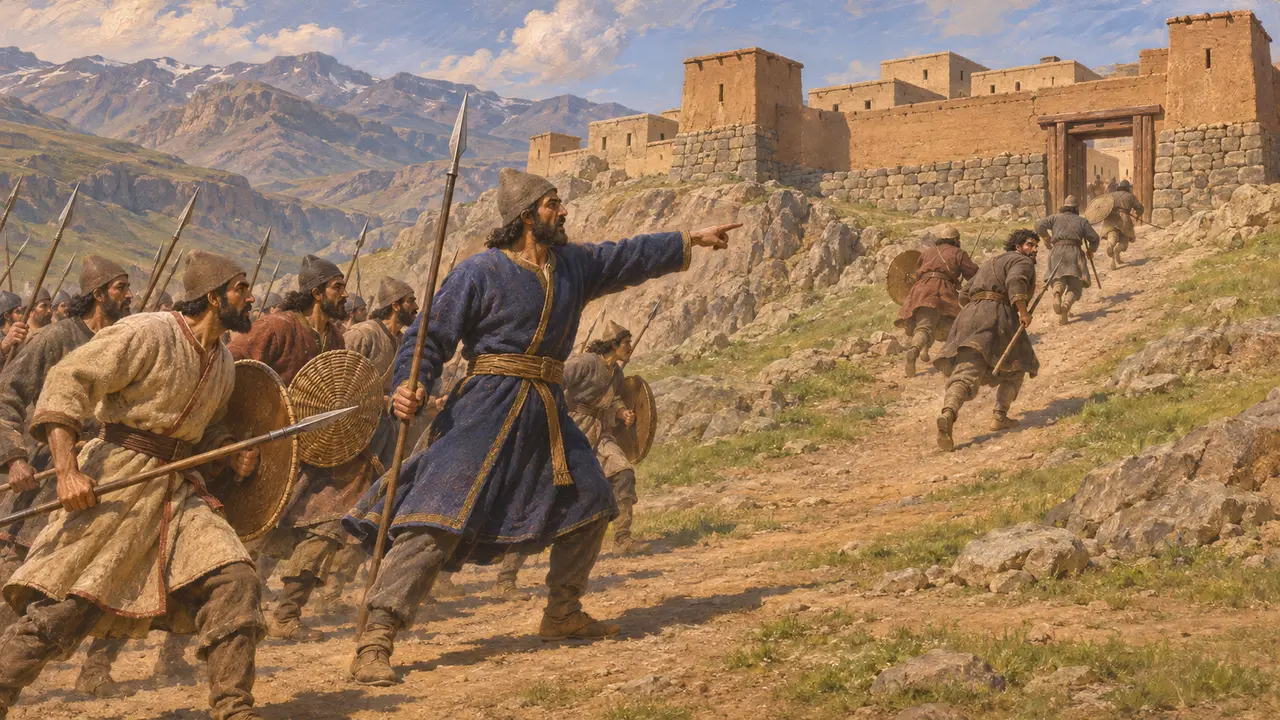
In the recordDarius says he sent Dadarshish, an Armenian loyal to him, against the rebels. Dadarshish fought them at a village called Zuzahya, then at the fortress of Tigra ten days later, and then at the fortress of Uyama in the following month, probably in May and June 521. Each time the text says the rebels were beaten, yet afterwards Dadarshish waited in Armenia until Darius came to Media. He is not the Dadarshish who, as satrap of Bactria, fought the Margian rebels.
DB §§26-28; DB §38
Vaumisa fights two more
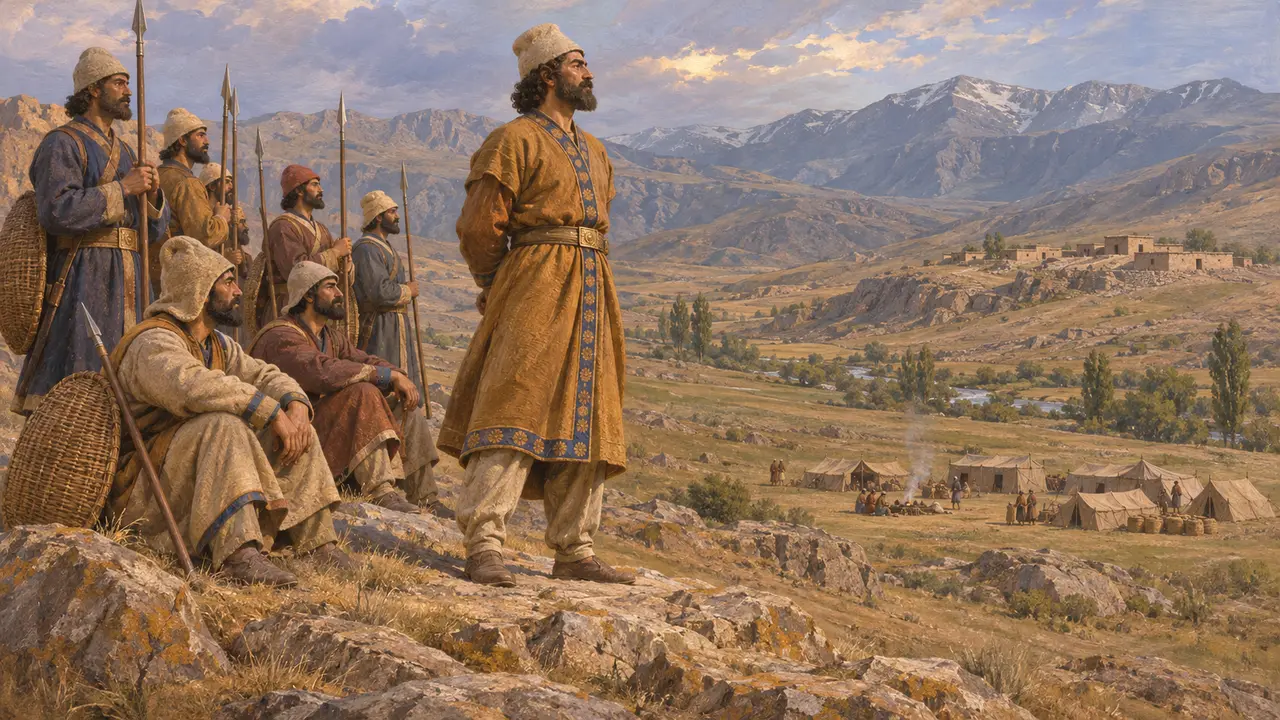
In the recordA second general, Vaumisa the Persian, was also sent to Armenia. His first battle took place at Izala in Assyria, outside Armenia proper, and his second in an Armenian district called Autiyara at the end of the month Thuravahara. Like Dadarshish, he then waited in Armenia for the King. Behistun later calls Arakha, leader of the second Babylonian revolt, an Armenian, but does not connect him with this war.
DB §§29-30; DB §49
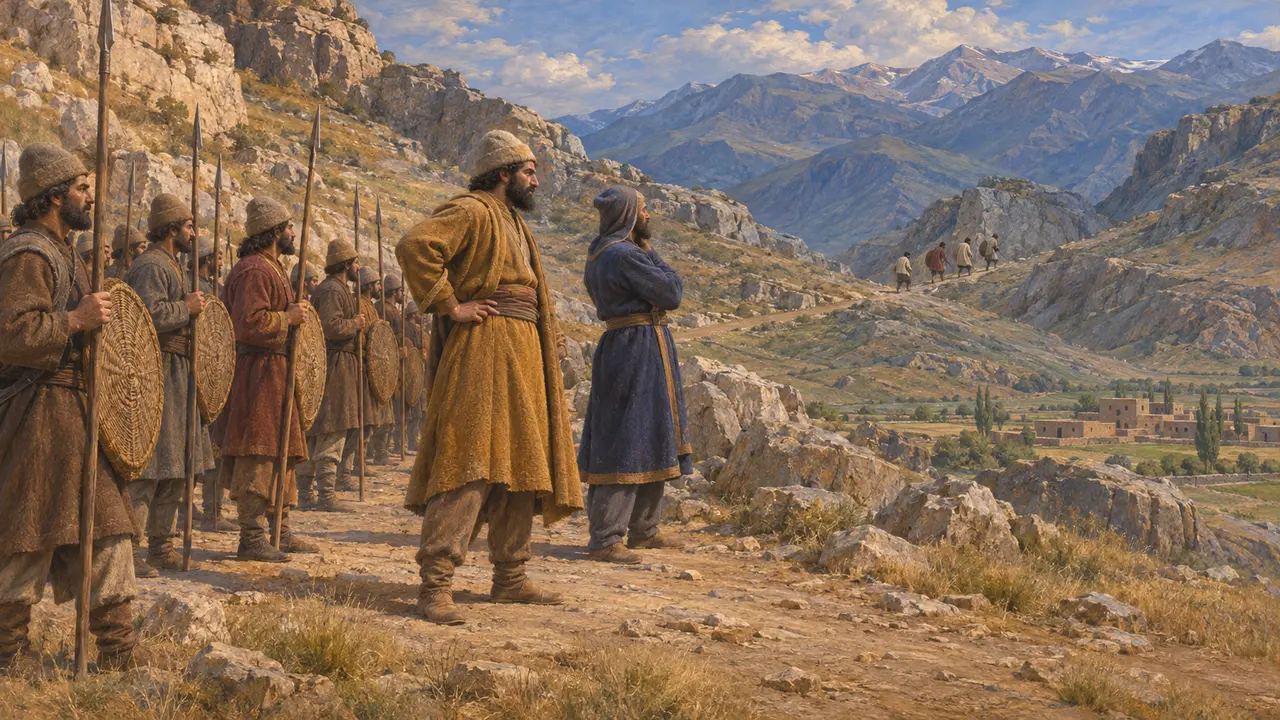
An unfinished war
DisputedHistorians note that five reported victories, with no captured leader and no stated end, suggest the generals could not settle Armenia on their own. Many think the rising was only held in check until Darius was free to act after defeating Fravartish in Media. The dates are also debated. On the usual reckoning Vaumisa's fight at Izala fell around the turn of 522-521, before Dadarshish's battles, and why it was fought in Assyria remains unclear.
P. Briant, From Cyrus to Alexander, 2002; A. Kuhrt, The Persian Empire, 2007
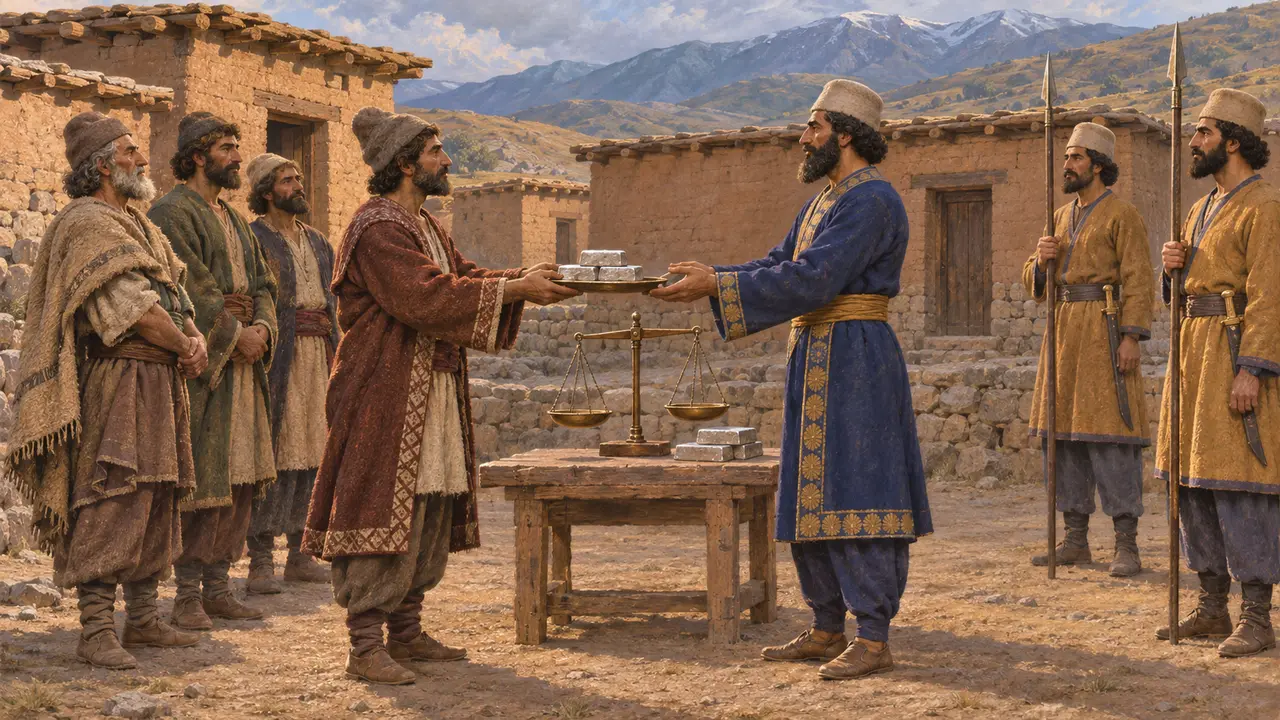
Armenia after the revolts
Ancient accountGreek writers say nothing of the Armenian war itself. Herodotus places the Armenians, with their neighbours as far as the Black Sea, in Darius's thirteenth tax district, paying 400 talents of silver a year. Xenophon, marching through the region in 401, found western Armenia under a Persian governor, Tiribazus, which shows that the land stayed in the empire.
Herodotus 3.93; Xenophon, Anabasis 4.4
Sources
- Darius I, Behistun inscription, DB §§21, 26-30, 49
- R. Schmitt, The Bisitun Inscriptions of Darius the Great: Old Persian Text, 1991
- A. Kuhrt, The Persian Empire: A Corpus of Sources from the Achaemenid Period, 2007
- P. Briant, From Cyrus to Alexander, 2002
- Herodotus 3.93
- Xenophon, Anabasis 4.4