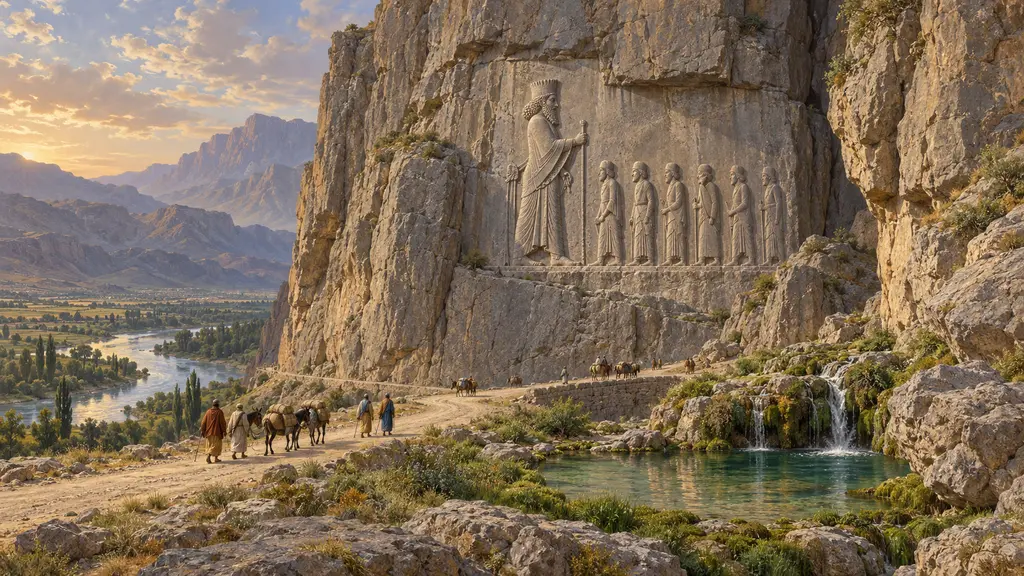
Sagartia
Land of the Sagartian nomads of Iran, which rose under Citrantakhma in 521 BCE
In the game: Level 3: The Lie
Sagartia was the land of the Sagartians, Iranian nomads of the plateau east of Media. In 521 BCE a Sagartian named Citrantakhma claimed to be king of Sagartia of the line of Cyaxares and rose against Darius. Herodotus knows the Sagartians as horsemen who fought with the lasso.
In the game: Sagartia is named in the Bagastana level's Chronicle and the King's generals' campaigns, among the lands that rose in 522-521 BCE.
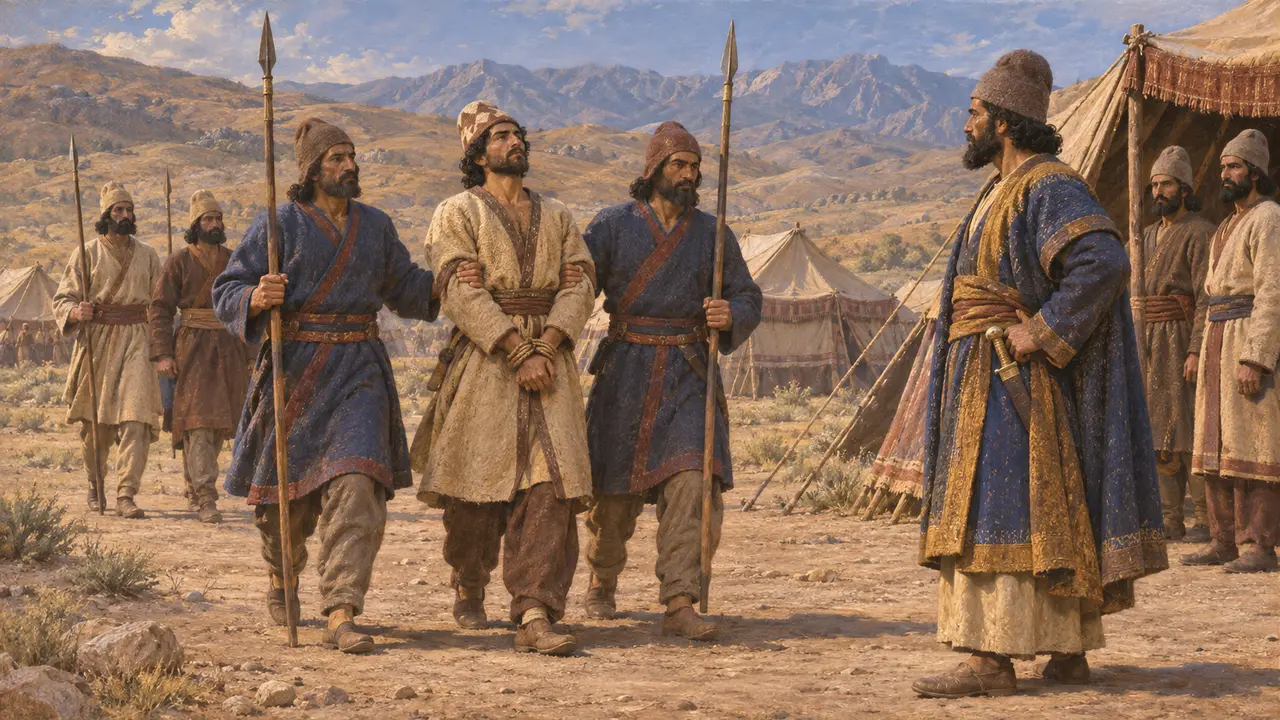
Citrantakhma's rising
In the recordDarius says a Sagartian named Citrantakhma rebelled, saying he was king in Sagartia of the family of Cyaxares. Darius sent against him a Mede, Takhmaspada, who beat him and brought him in. Darius cut off his nose and ears, and impaled him at Arbela.
Behistun inscription §33
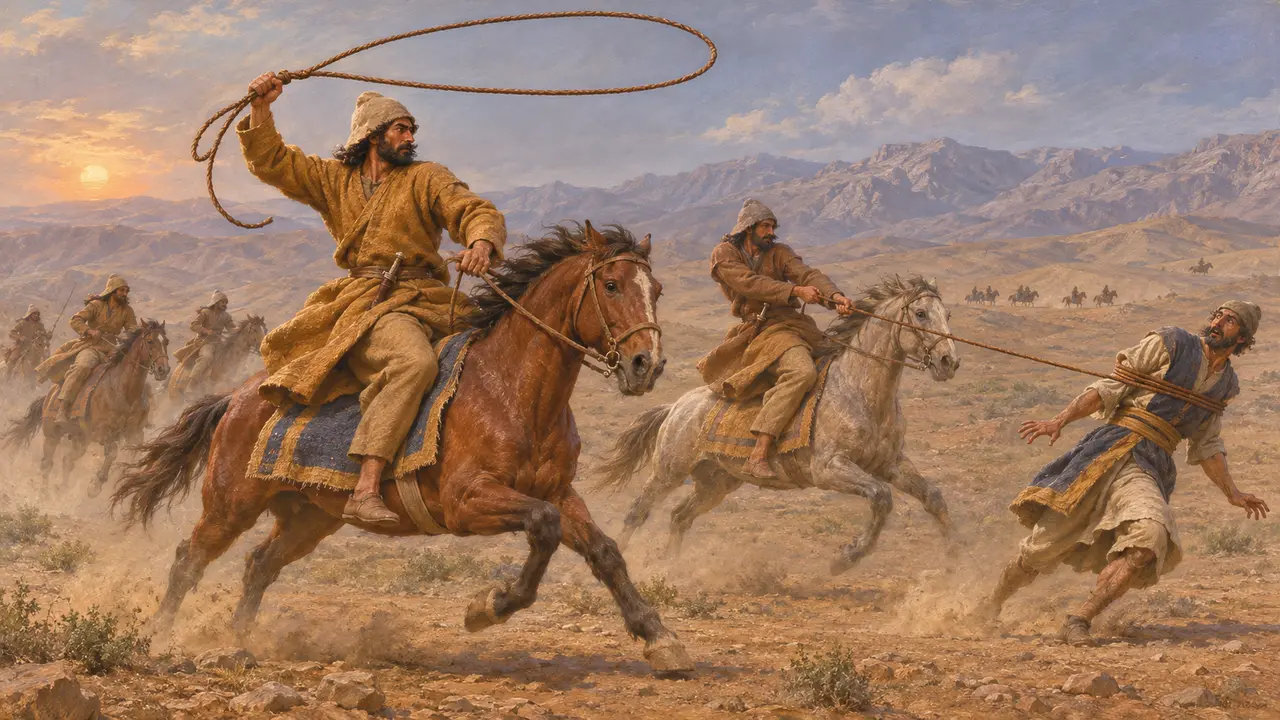
Riders with the lasso
Ancient accountHerodotus says the Sagartians were nomads, Persian in race and speech, who brought eight thousand horse to Xerxes' army. They carried no weapons of bronze or iron but daggers, and fought by throwing ropes of plaited leather with nooses, dragging down horse or man.
Herodotus 7.85
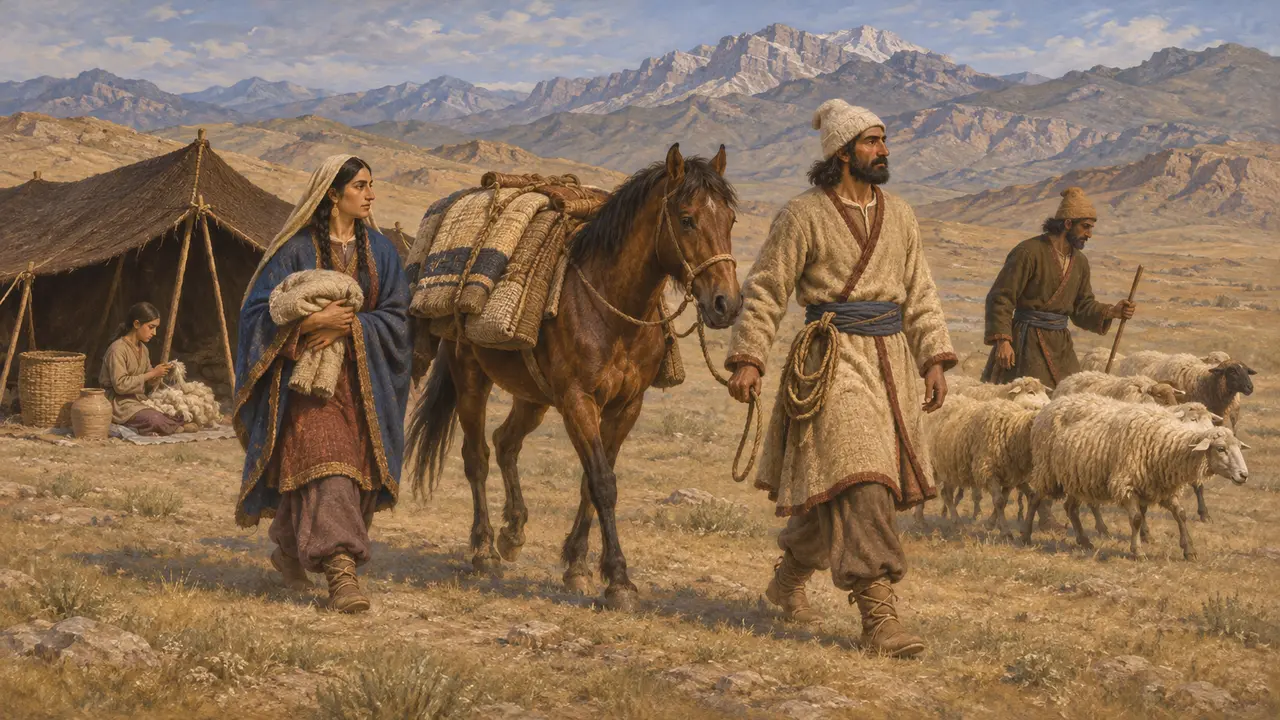
A Persian tribe
Ancient accountHerodotus lists the Sagartians among the tribes of the Persians, with the Daans, Mardians and others who were nomads, as distinct from the farming tribes. For tribute they were put in the fourteenth division with the Sarangians and others, paying six hundred talents.
Herodotus 1.125, 3.93
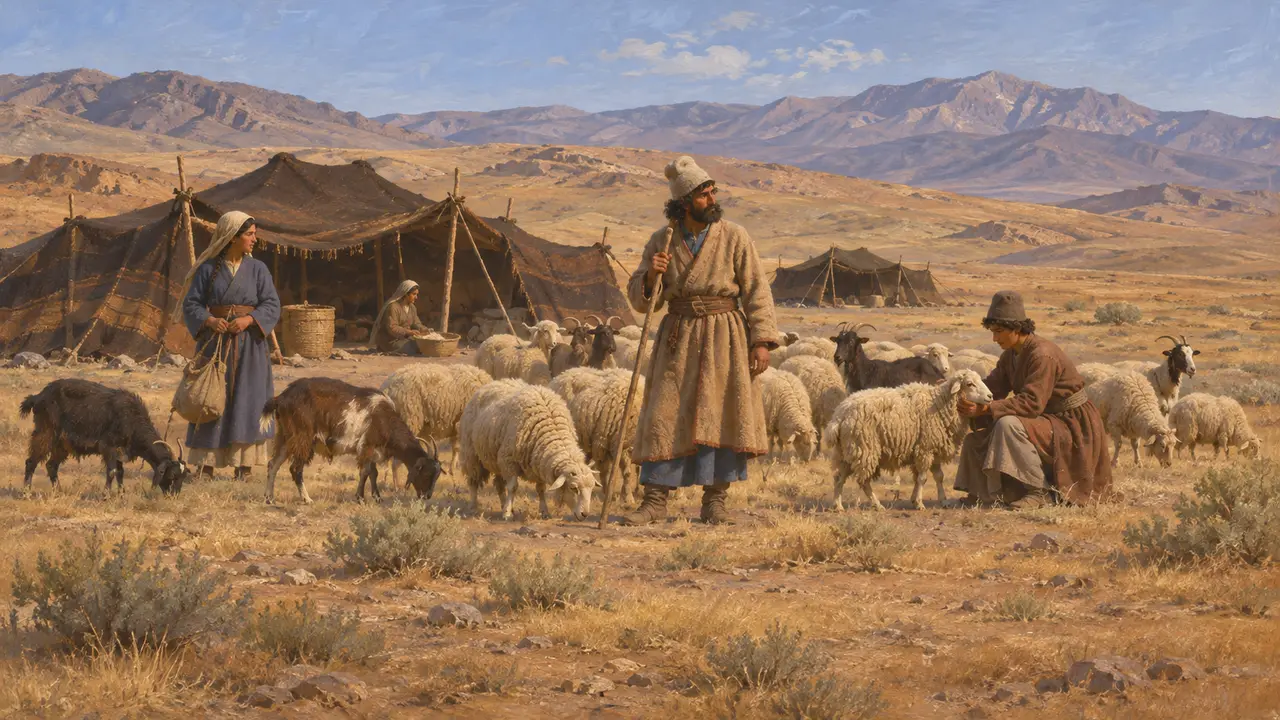
Where was Sagartia?
DisputedIts place is uncertain. Most historians put it on the central plateau east of Media, perhaps toward modern Yazd, and see it as a pastoral land rather than a province with cities. The Sagartians' link to the Median royal line in Citrantakhma's claim is also unexplained.
P. Briant, From Cyrus to Alexander, 2002
Sources
- Behistun inscription §33
- Herodotus 1.125, 3.93, 7.85
- P. Briant, From Cyrus to Alexander, 2002