Encyclopedia › Wildlife and weather
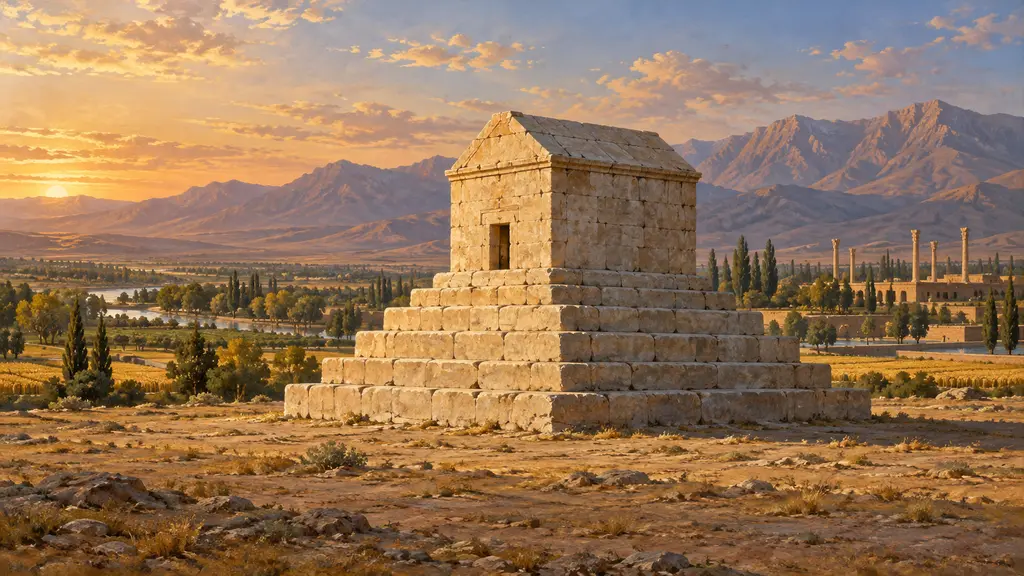
The onager
The wild ass of the Persian plateau and the Mesopotamian plains, 6th-5th centuries BCE
In the game: Level 1: The Founder's Tomb, Level 4: The Terrace, Level 5: The Charter
The onager is a wild ass, slimmer and faster than a donkey, that lived on the steppes of Persis, Elam and lands to the west. Ancient writers prized it as fast and hard to catch. The Assyrians hunted it as royal quarry, and Xenophon shows Cyrus hunting it.
In the game: The game draws onagers as wildlife scenery on the Pasargadae, Parsa and Susa levels, and no rule reads them. The model is a donkey graded toward an onager. The Susa placement is the designers' interpretation, not a documented fact.
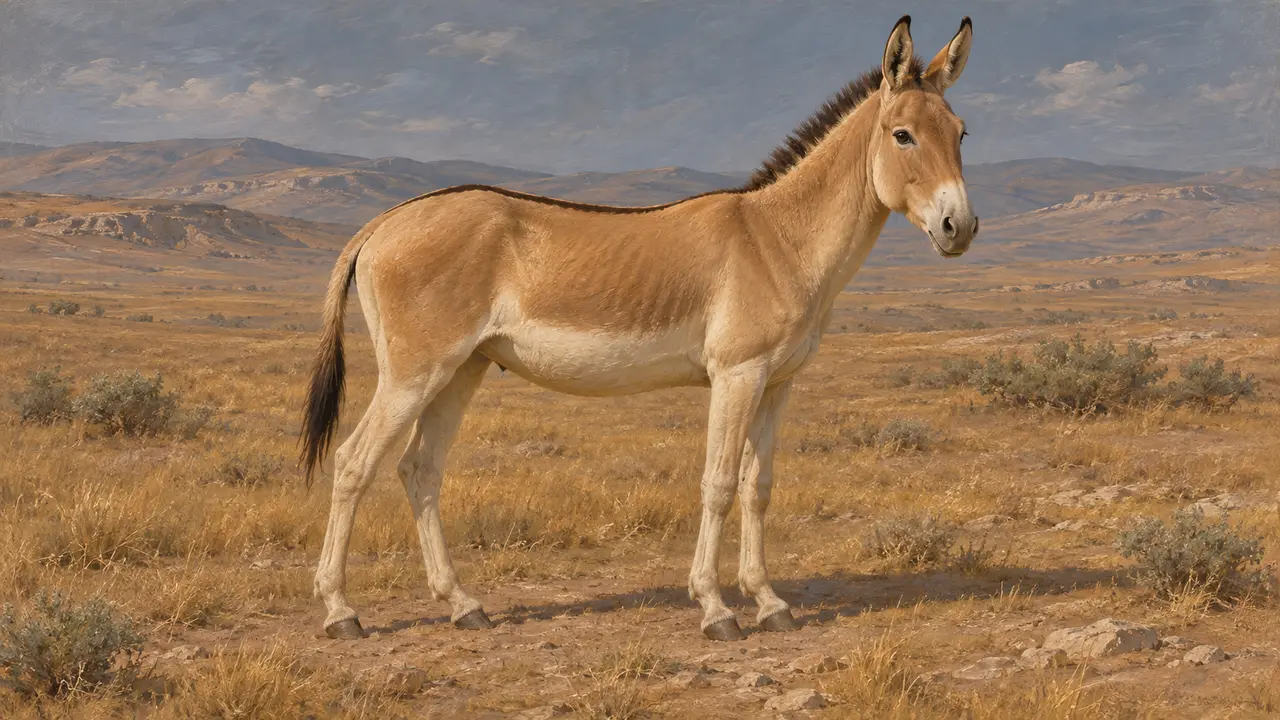
The animal
Ancient accountThe onager is a wild ass of the species Equus hemionus. It is lighter in build than a domestic donkey, with a sandy coat and a pale belly. It was a familiar part of the steppe fauna of western Asia, and several races of it are known.
Xenophon, Anabasis 1.5.2
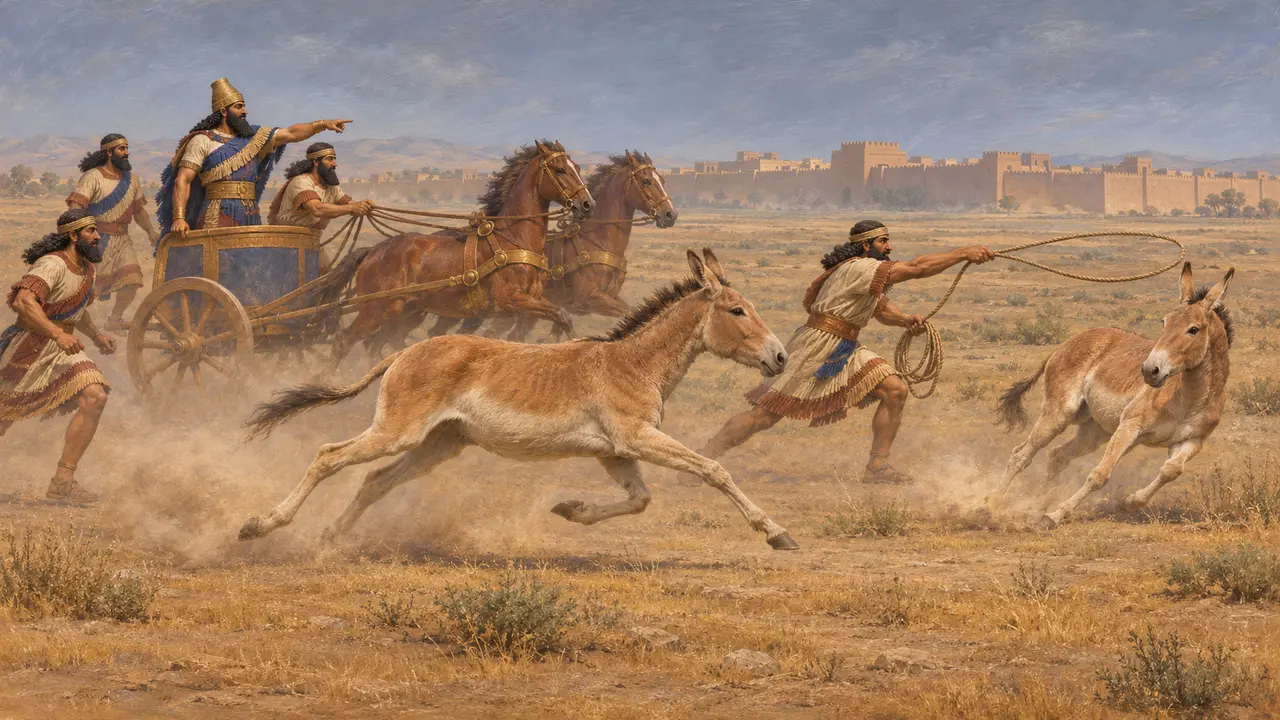
Wild asses in Assyrian art
In the recordReliefs from the palace of Ashurbanipal at Nineveh, made in the 7th century, show wild asses chased and caught during royal hunts. They are the best contemporary picture of how rulers of the region treated the animal before the Persians. The Persian kings probably inherited a court tradition in which hunting wild game showed royal skill.
Ashurbanipal reliefs, Nineveh (British Museum)
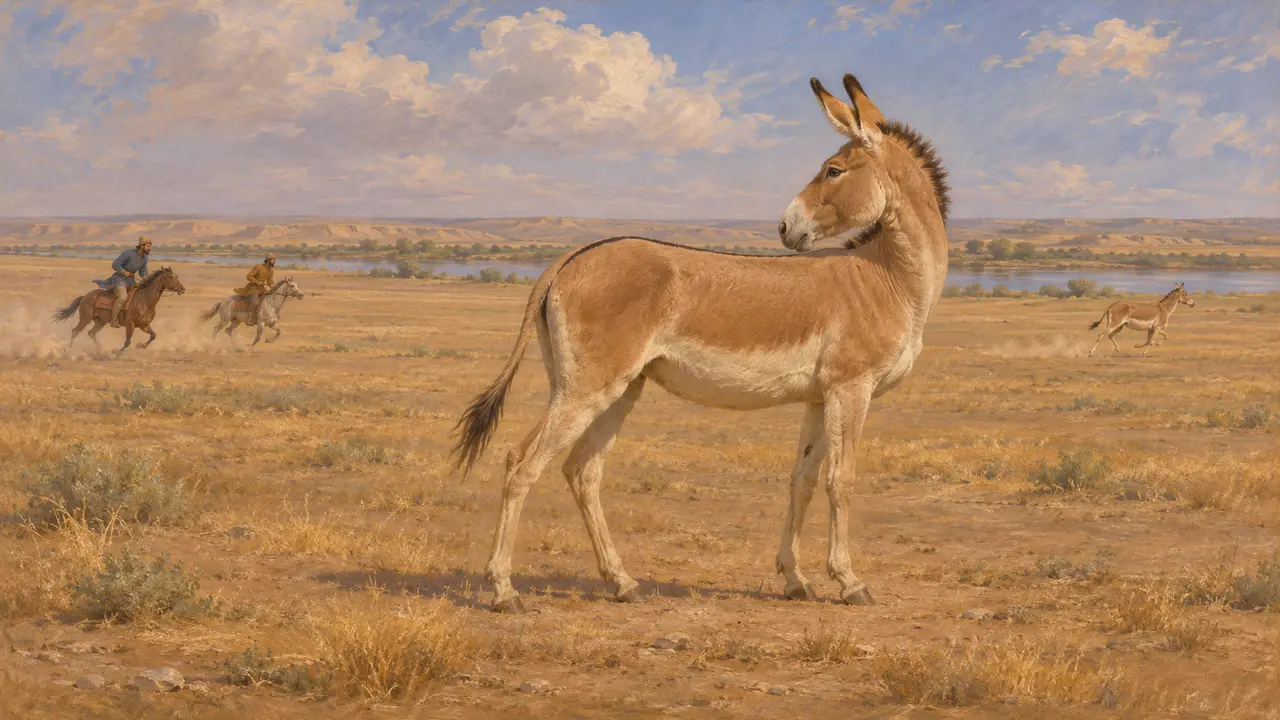
Xenophon on speed and the chase
Ancient accountXenophon, who marched with Cyrus the Younger in 401, describes wild asses on the plain by the Euphrates in Arabia. He says that horsemen could not easily run them down, because they ran far ahead and then waited. His account shows how the animal was seen, not where it lived on the plateau of Persis.
Xenophon, Anabasis 1.5.2
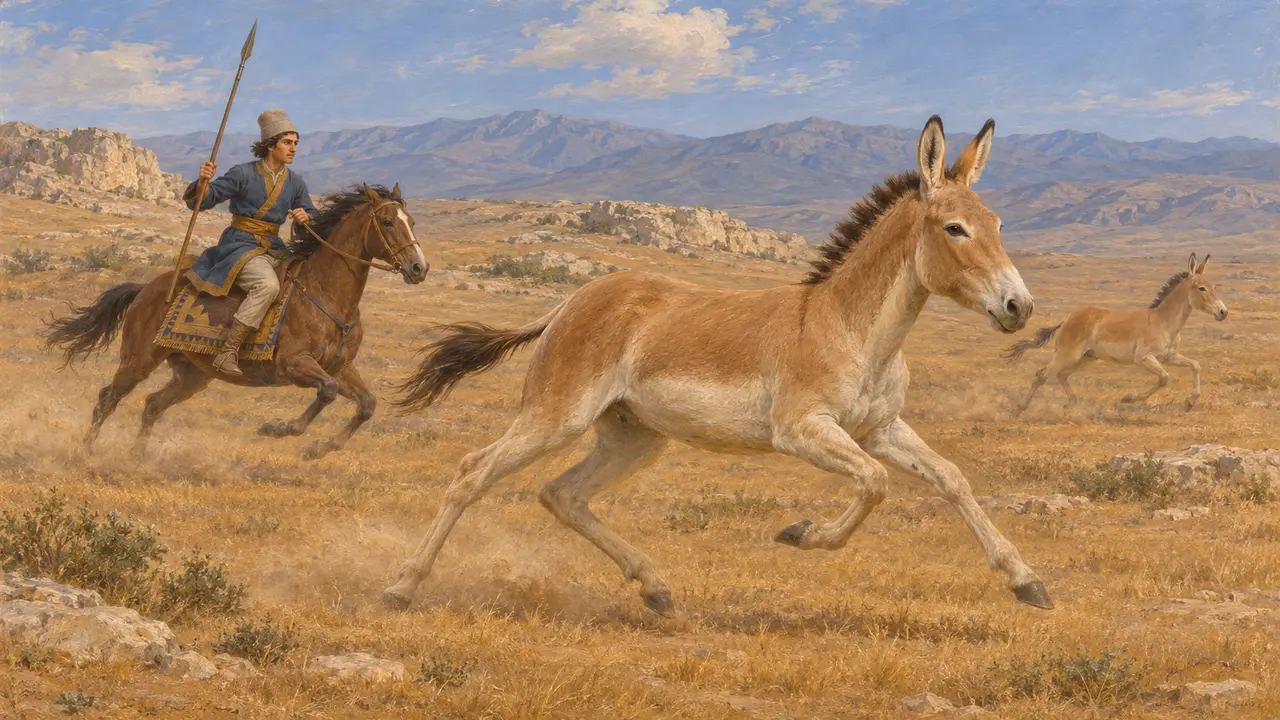
Cyrus the hunter in the Cyropaedia
Ancient accountIn the Cyropaedia Xenophon has the young Cyrus hunt deer, gazelles, wild sheep and wild asses. The work is an idealised portrait written in the 4th century, and the hunts are part of its picture of a perfect prince. It shows what a Greek reader expected of Persian royal sport, not what Cyrus actually did.
Xenophon, Cyropaedia 1.4.7
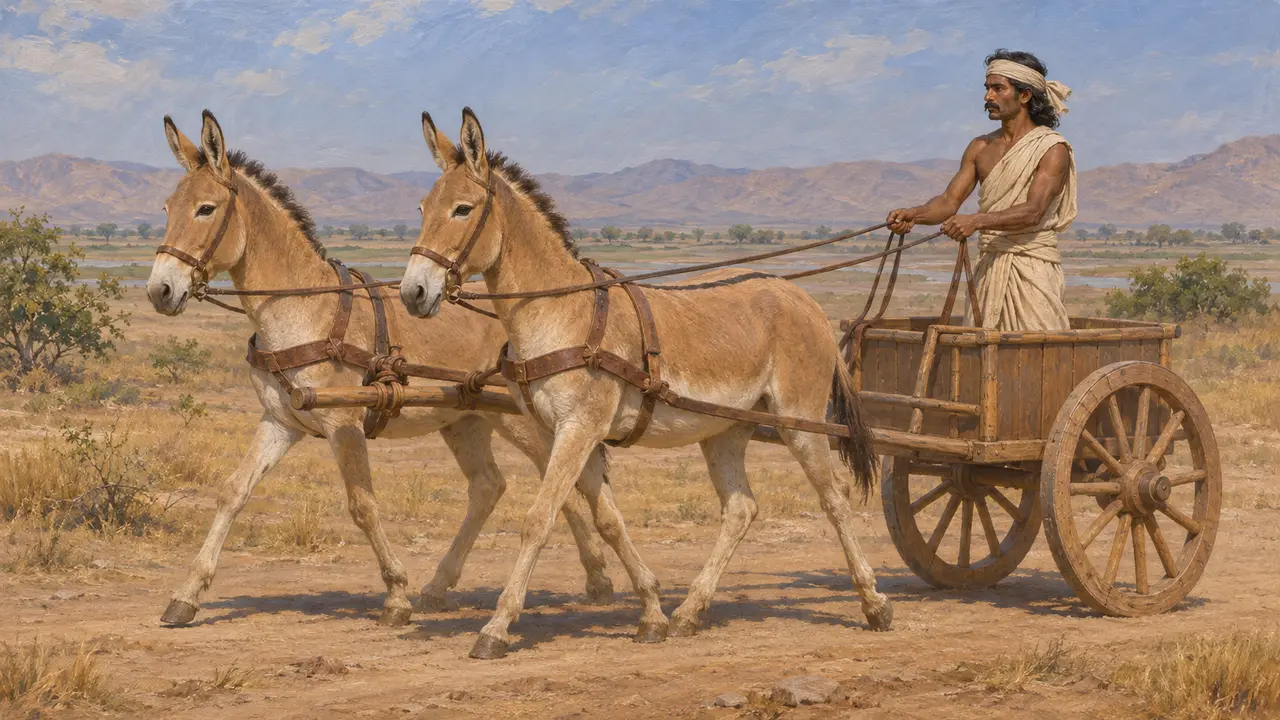
Wild asses in harness
Ancient accountHerodotus lists the Indian contingent in Xerxes' army and says that some of its chariots were drawn by horses and others by wild asses. His report suggests that the animal could be broken to harness in some regions. It does not show that Persians did the same.
Herodotus 7.86
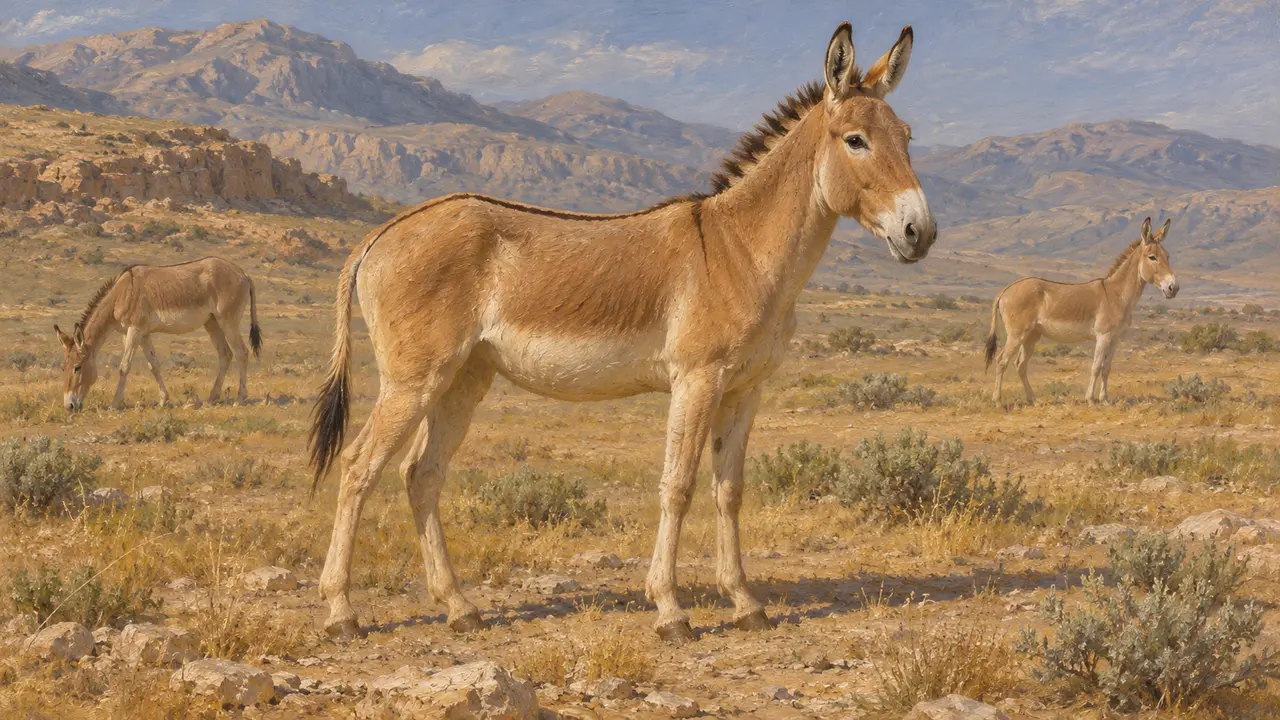
Which onager did the writers mean?
DisputedSeveral races of wild ass lived in western Asia, and modern zoologists treat the Syrian type as extinct. Whether the animals described by Greek writers were the same race as those on the plateau around Pasargadae and Parsa cannot be settled from the texts.
Xenophon, Anabasis 1.5.2
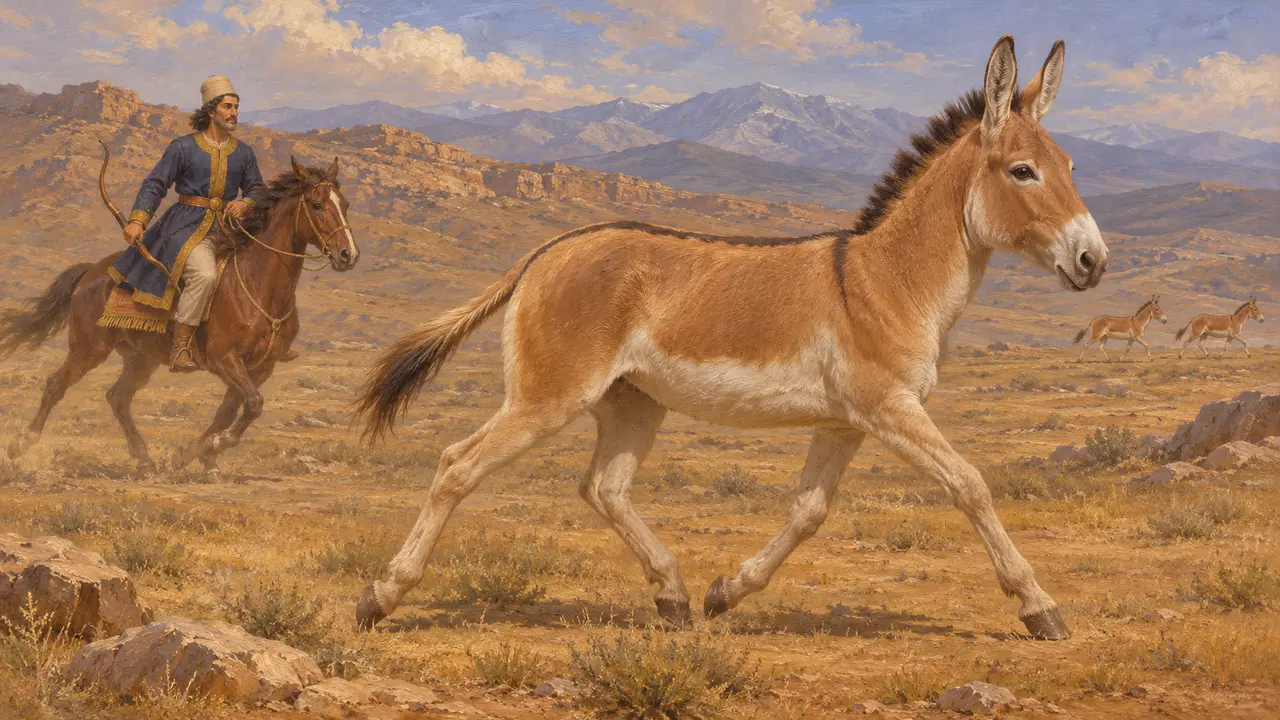
Bahram Gur and the wild asses
Later legendIn Persian tradition, written down centuries after the Achaemenids, the Sasanian king Bahram V is named Gur, a word for the wild ass, and is a famed hunter of the animal. This is a later story and has no bearing on the Achaemenid period. It shows how long the wild ass stayed linked with kingship in Iranian memory.
Ferdowsi, Shahnameh (Bahram Gur)
Sources
- Xenophon, Anabasis 1.5.2
- Xenophon, Cyropaedia 1.4.7
- Herodotus 7.86
- Ashurbanipal reliefs, Nineveh (British Museum)