Encyclopedia › Wildlife and weather
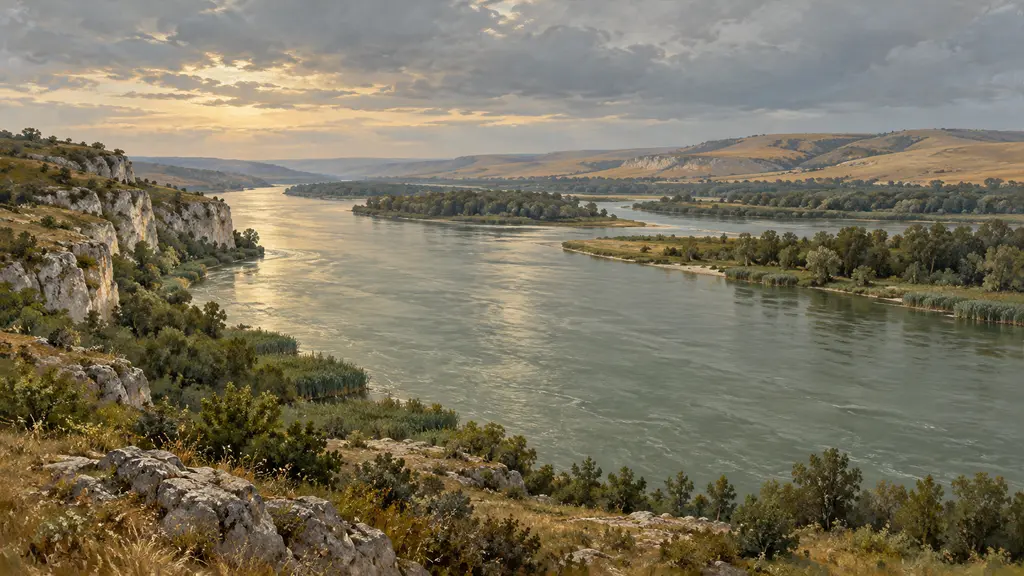
Wild horses of the steppe
Free-ranging horses of the Scythian plains north of the Ister, about 513 BCE
In the game: Level 6: The Bridge of Boats
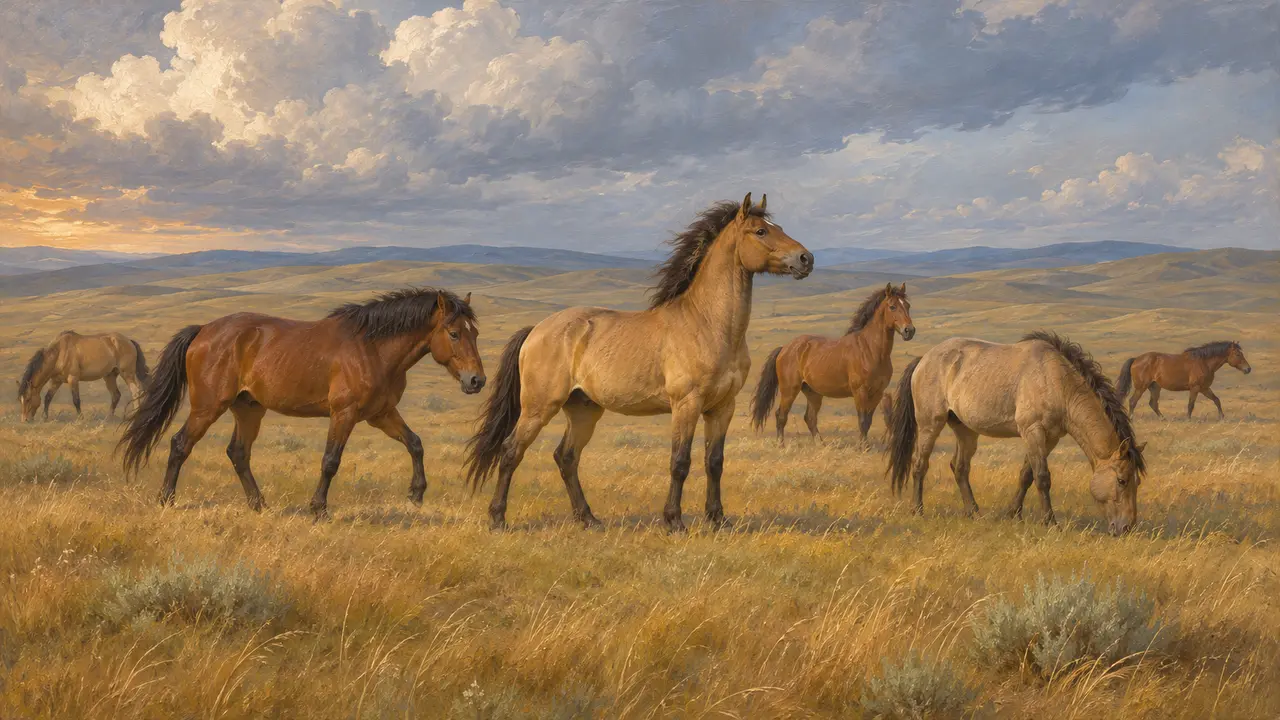
Herodotus says that wild white horses grazed beside the lake from which the river Hypanis rises, in the land of the Scythians. The Scythians were a mounted people, and Darius's march against them about 513 took a Persian army into this grassland, where it found no battle to win.
In the game: Wild horses appear as scenery on the Ister level, on the Scythian side of the river. No rule reads them. Herodotus calls them white, but the game tints a chestnut coat lighter, which is a simplification.
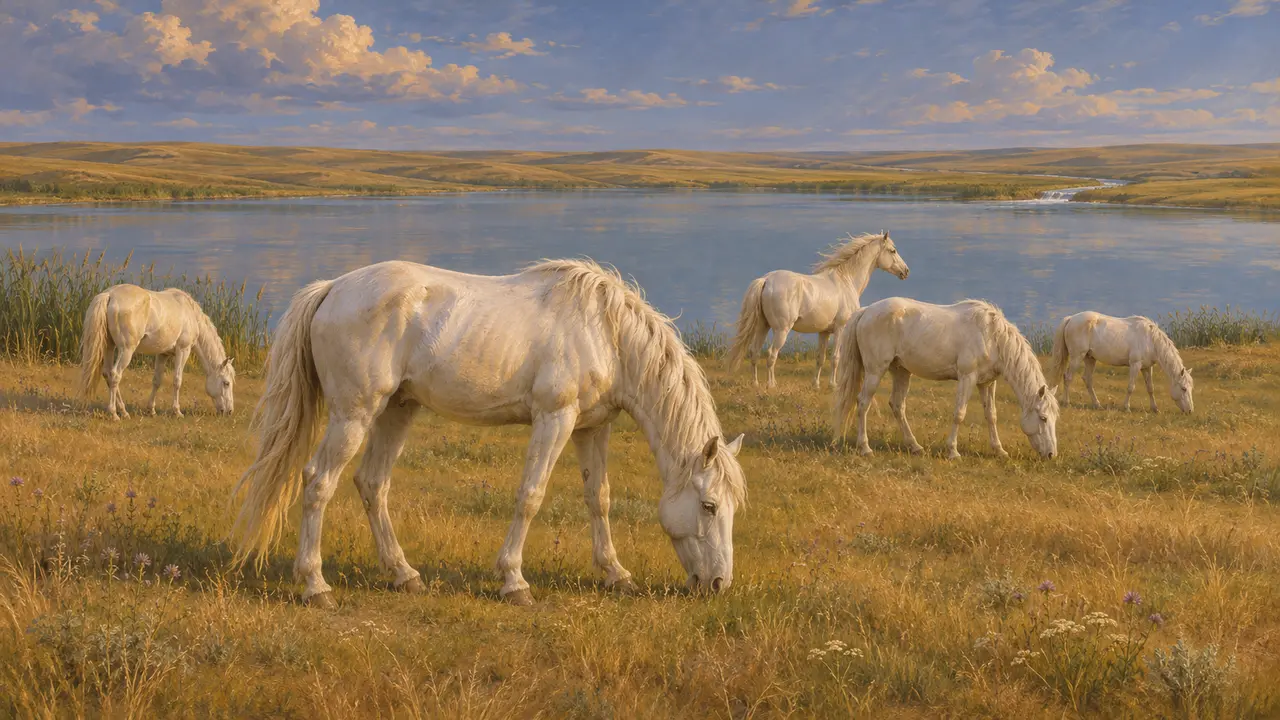
Herodotus on the white horses
Ancient accountHerodotus, describing the river Hypanis in Scythia, says that wild white horses grazed beside the lake from which it rises. The Hypanis lay well to the north-east of the Ister, and his report probably came from Greek informants of the Black Sea coast, though he does not name them here. He did not claim to have seen the horses himself.
Herodotus 4.52
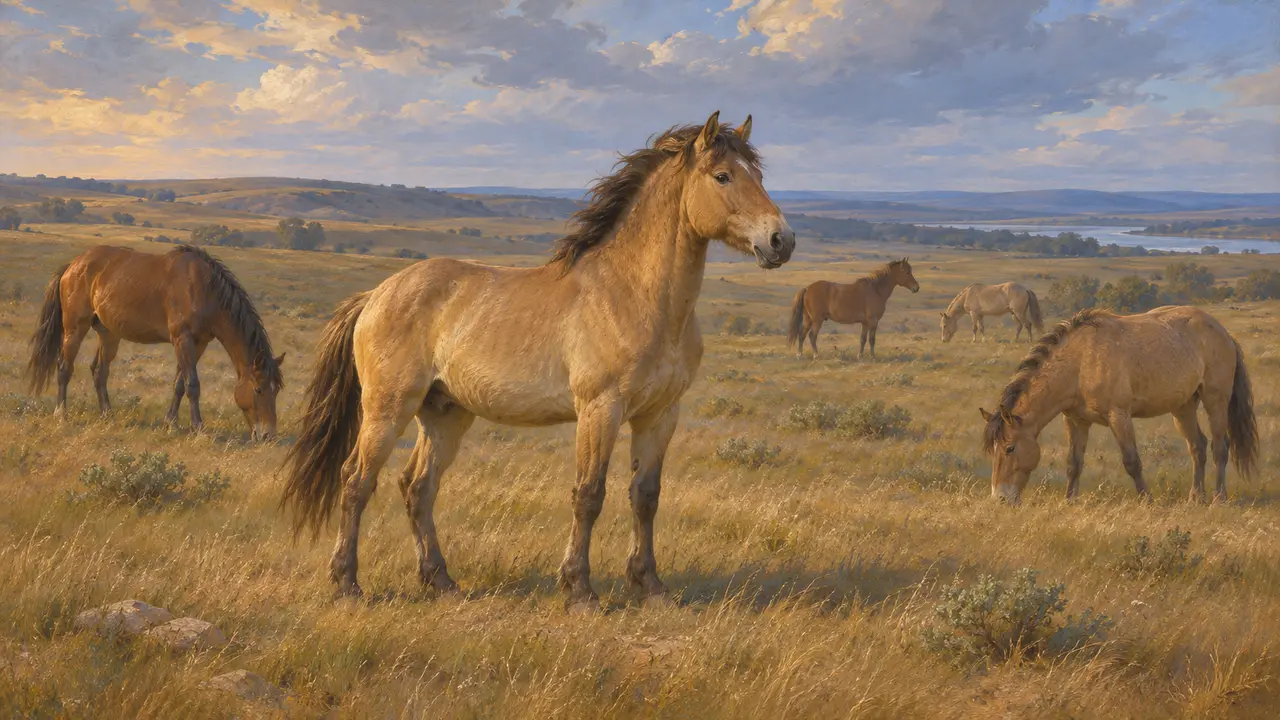
What the animals probably were
DisputedHerodotus does not say whether the horses were truly wild or simply unowned stock. Modern research has shown that even the Przewalski's horse, once called the last wild horse, descends from feral animals of early domesticated stock. The colour he gives cannot be checked against surviving remains.
P. Briant, From Cyrus to Alexander, 2002
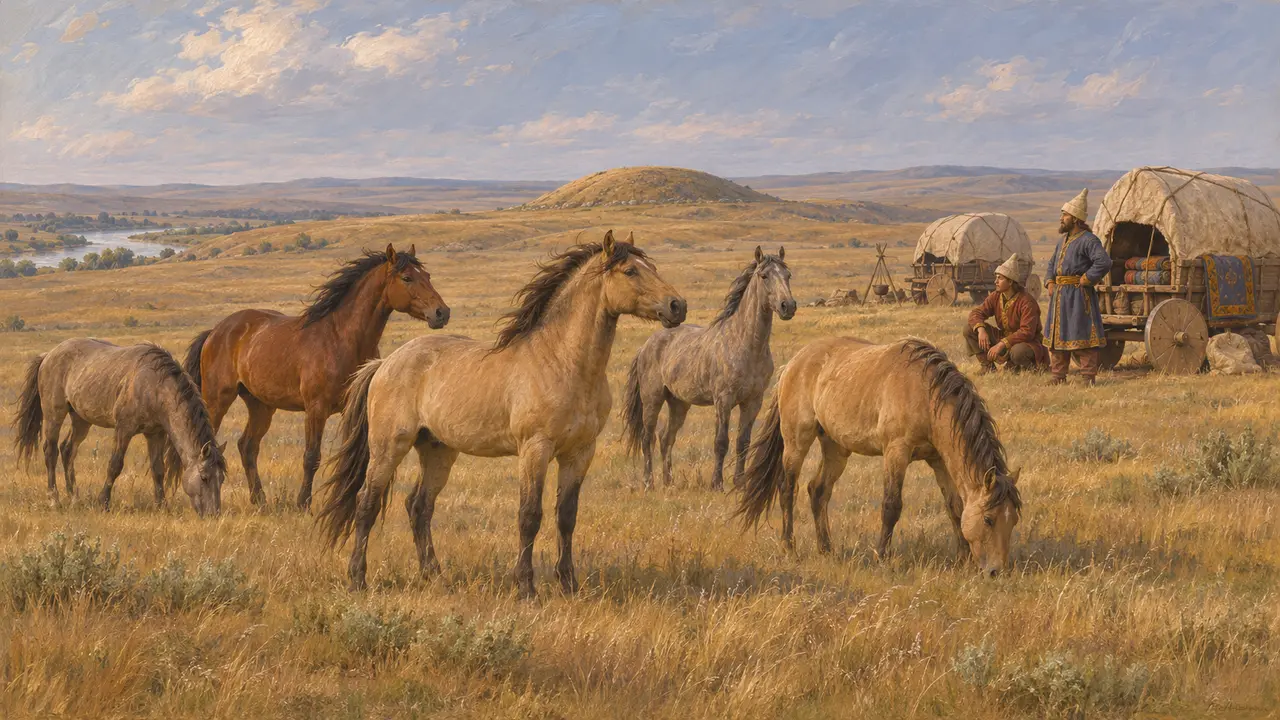
Horses and the Scythians
Ancient accountHerodotus portrays the Scythians as nomads who lived with their herds and wagons and had no fixed towns to defend. He also describes horses sacrificed and buried around the dead king. Excavated steppe burial mounds (kurgans) do contain horse burials, though they do not confirm each detail he gives.
Herodotus 4.71-72
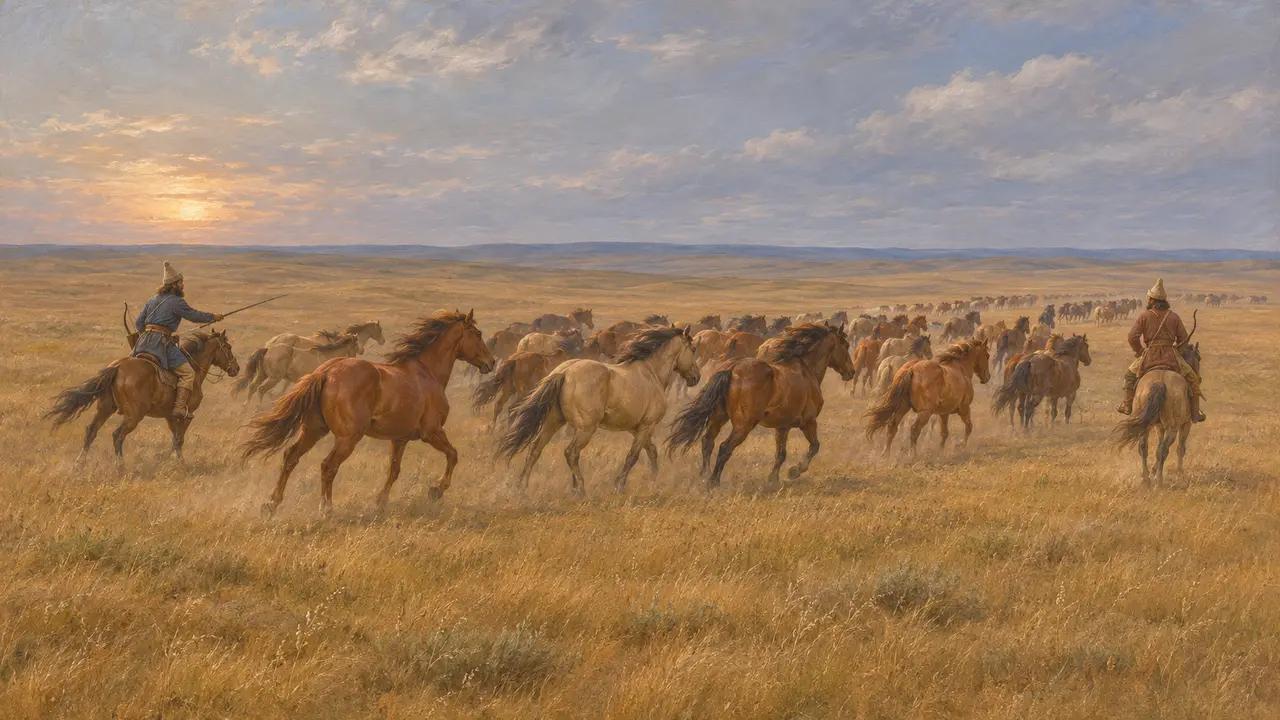
The Scythians and the Persian army
Ancient accountHerodotus says the Scythians withdrew before the Persians and drove off their herds, so that the army had little to attack or feed on. How far Darius went into the steppe is argued, and Herodotus gives the only detailed account.
Herodotus 4.120
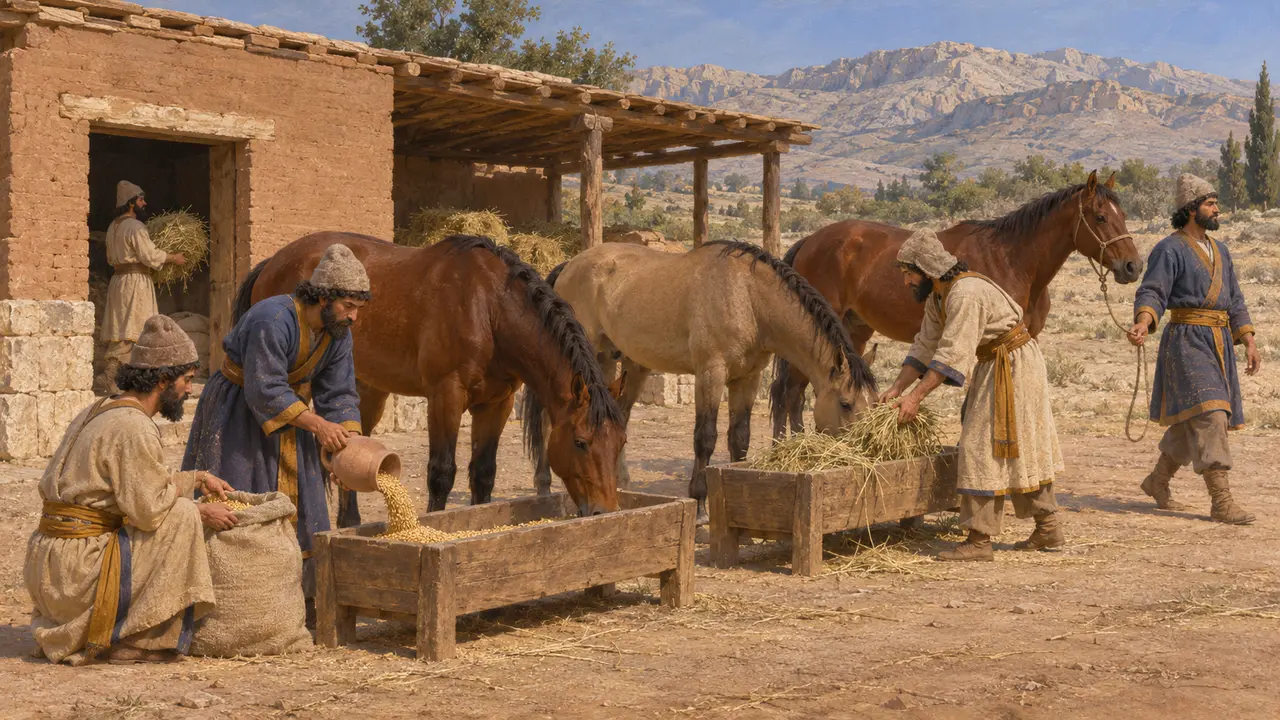
Horses in Persian service
In the recordThe Persepolis Fortification tablets record rations and fodder issued to horses and other animals travelling on royal business in Persis. They show how closely the Persian state counted its horses.
Persepolis Fortification tablets, general
Sources
- Herodotus 4.52
- Herodotus 4.71-72
- Herodotus 4.120
- Herodotus 7.40
- P. Briant, From Cyrus to Alexander, 2002