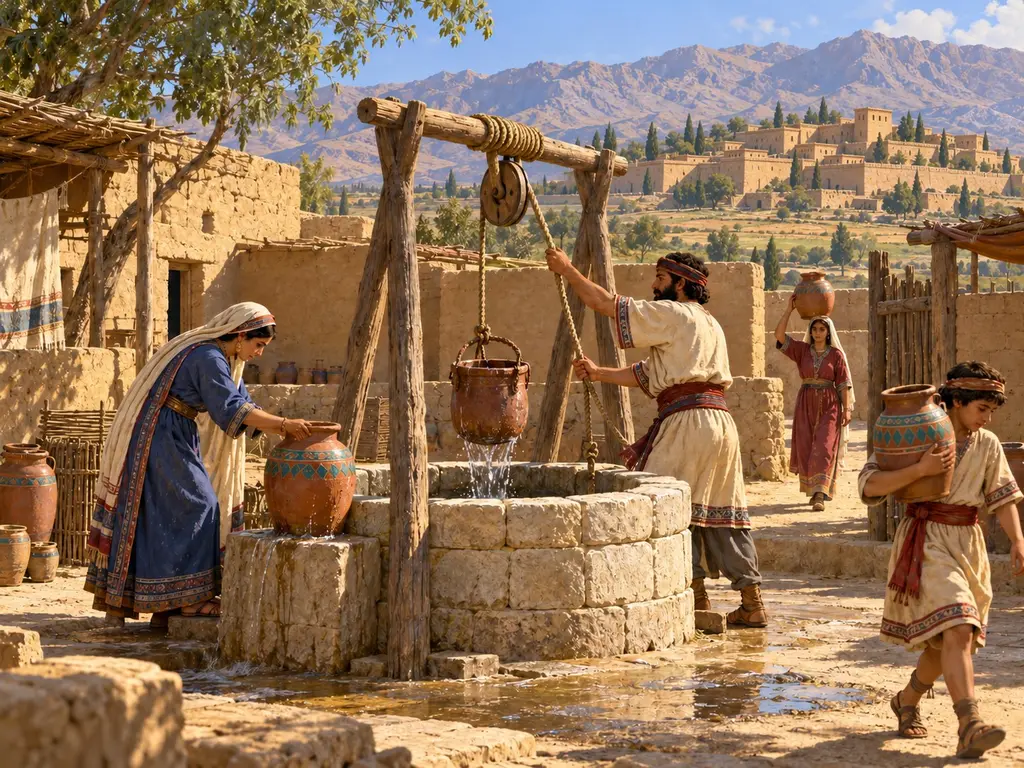
Well
Shafts dug to groundwater, a basic water source of the Achaemenid empire, 6th-5th c. BCE
In the game: Level 1: The Founder's Tomb
Wells were among the oldest ways of reaching water in the dry lands the Persian kings ruled. Alongside rivers, canals, springs and underground channels, they watered households, travellers and armies. Control of water shaped where people could farm and settle, and the sources show water being found, shared and fought over under Persian rule.
In the game: The game's Well supplies water to houses within five cells and needs no workers. In reality drawing and carrying water was daily labour, and many towns relied on rivers, canals and underground channels as much as on wells.
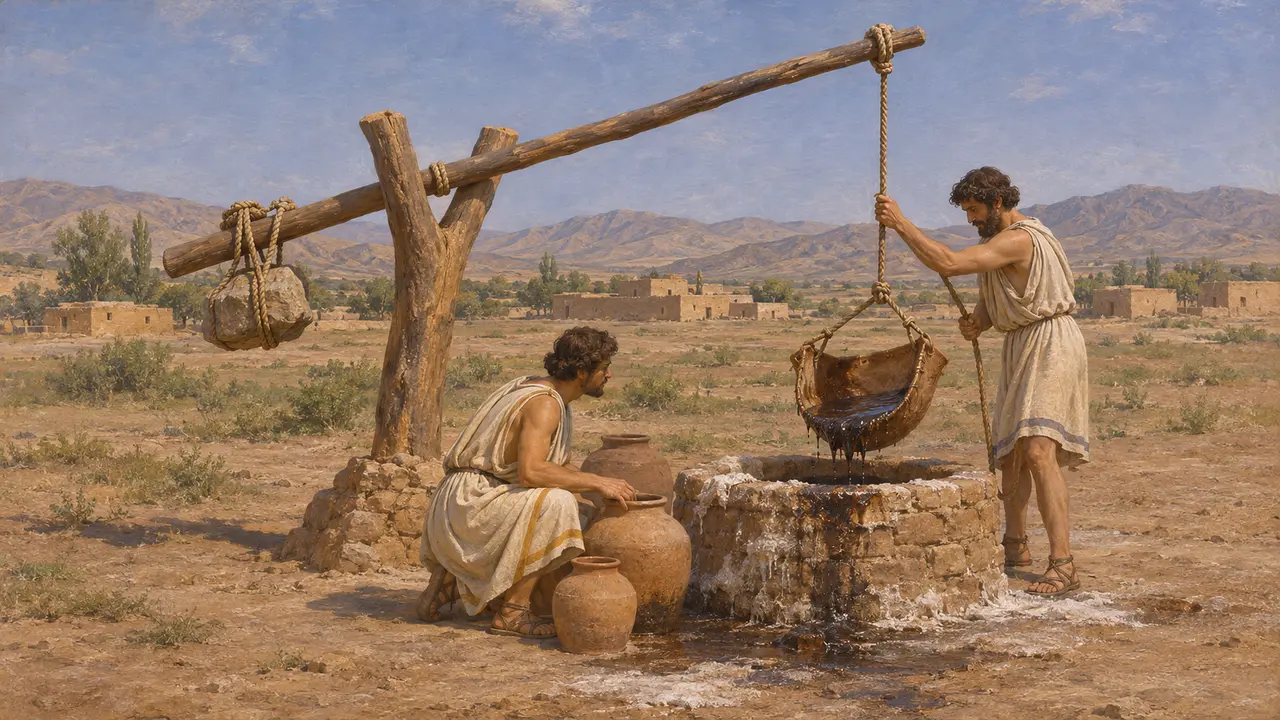
Lifting water from the ground
Ancient accountHerodotus describes a well near Ardericca in Cissia, where Darius settled captive Eretrians after 490. Bitumen, salt and oil were drawn from it with a swing beam that carried half a skin in place of a bucket. Counterweighted lifting beams of this kind were already old in the Near East; a separate line of evidence, Assyrian palace reliefs, shows them in use.
Herodotus 6.119
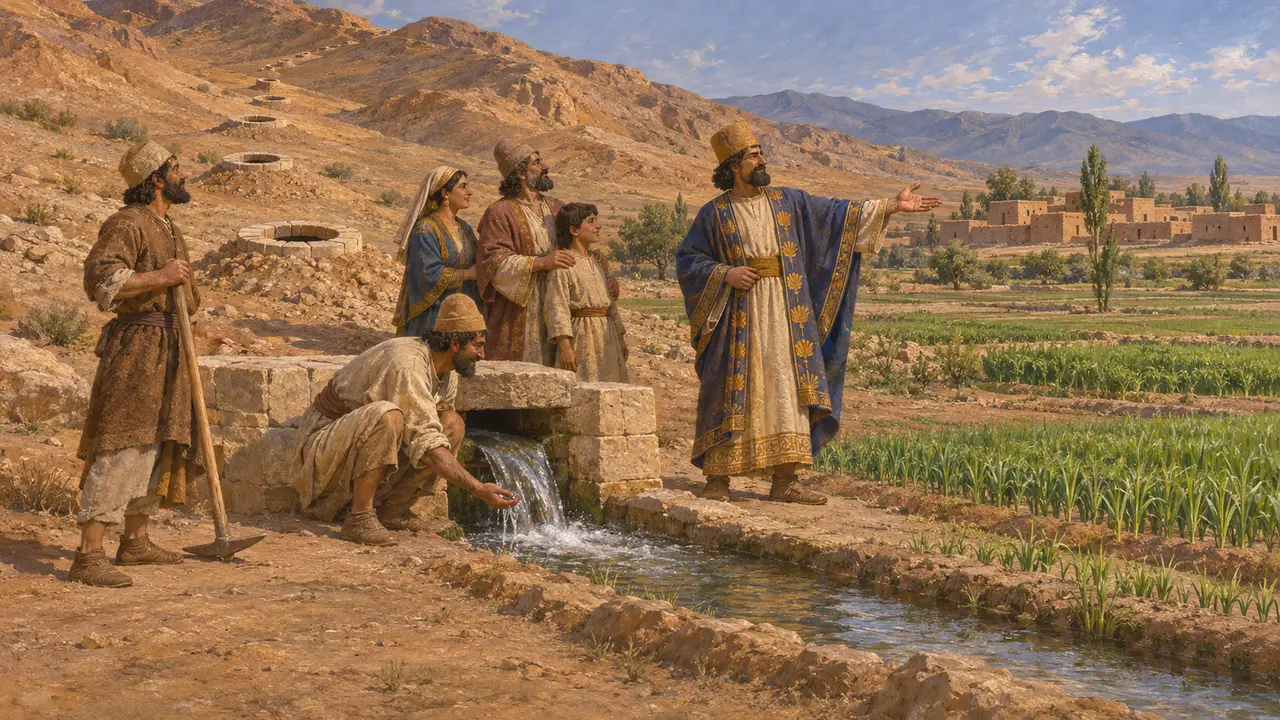
A reward for bringing water
Ancient accountPolybius wrote in the 2nd century. He says that when the Persians ruled Asia, they granted the use of land for five generations to anyone who brought water to a place that had none. He links this to underground channels dug from the hills, of the kind later called qanats, which tapped groundwater through a line of shafts. His report is late, but it fits the interest in new farmland seen elsewhere in Persian administration.
Polybius 10.28
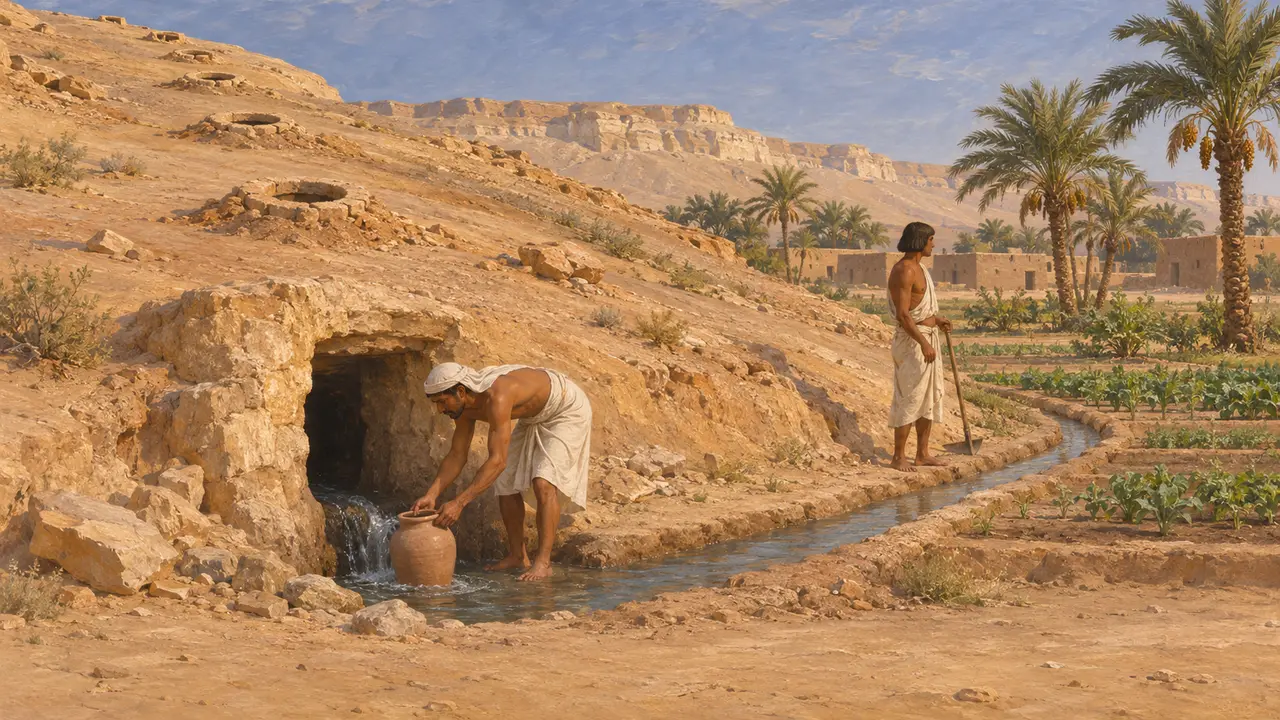
Who first dug the qanat
DisputedHistorians still debate where underground channels began. Some favour the Iranian plateau and spread under Persian rule; some archaeologists argue that galleries in south-east Arabia are older. At Ayn Manawir in Egypt's Kharga Oasis, excavated galleries and Persian-period demotic ostraca recording transactions in water shares show such systems working under Achaemenid rule. Firm dates for the channels of Persis itself are harder to establish.
P. Briant (ed.), Irrigation et drainage dans l'Antiquité, 2001
Wells in war
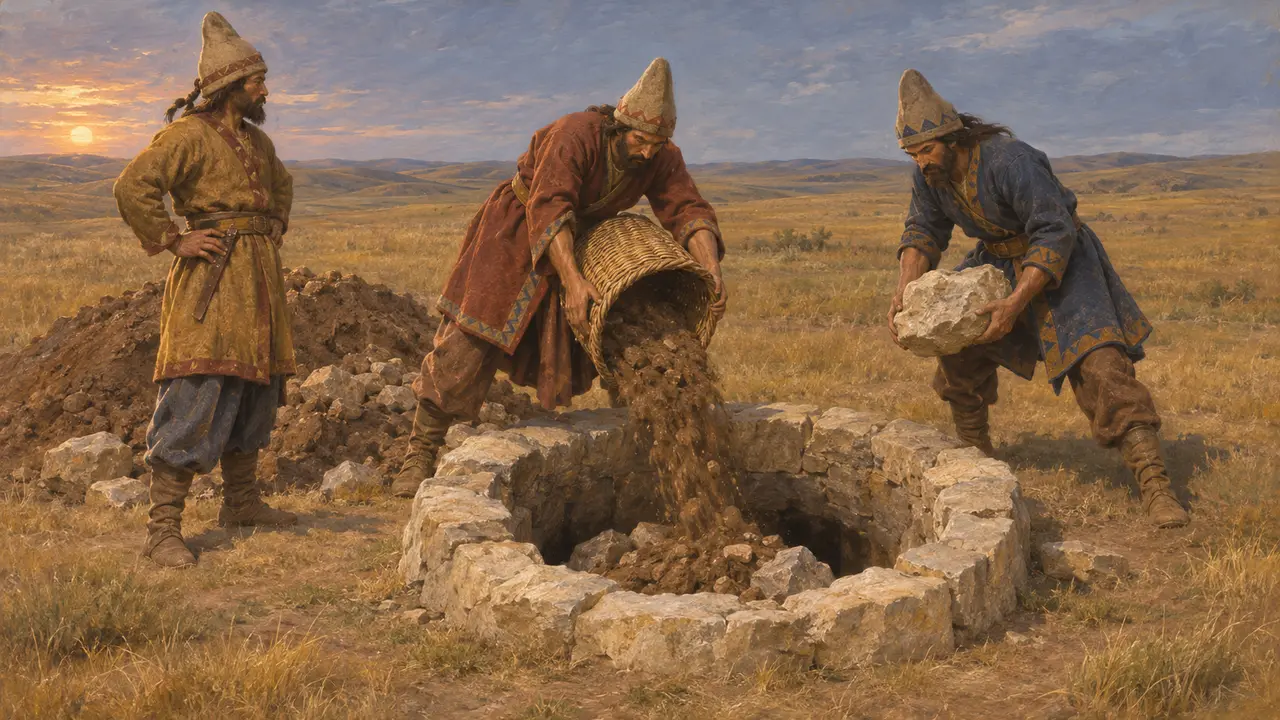
Ancient accountHerodotus says that when Darius crossed into Scythia, about 513, the Scythians retreated and stopped up the wells and springs along their route to deny his army water. Earlier, he says, Cambyses could cross the desert to Egypt in 525 only after an Arab king agreed to carry water to the army in skins on camels. In both stories, water points decided where large forces could march.
Herodotus 4.120; Herodotus 3.9
The Paeonian water carrier
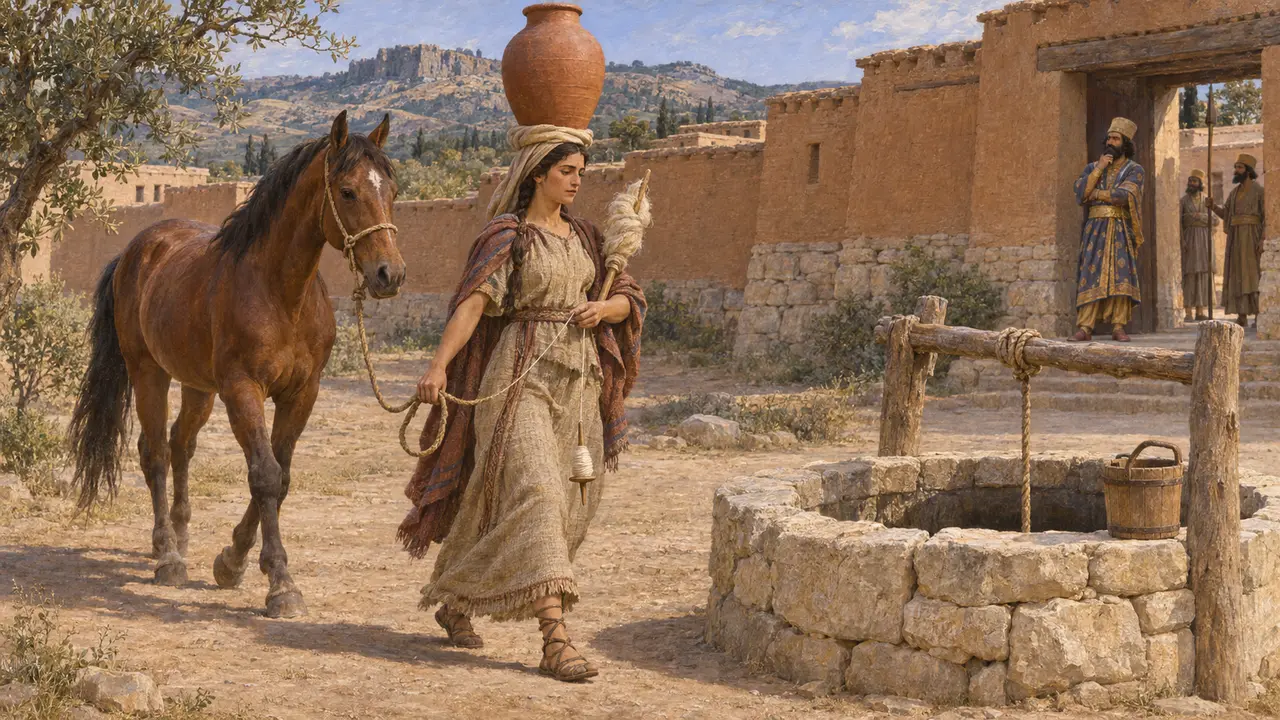
Later legendHerodotus tells a story set at Sardis. Darius saw a Paeonian woman carry a jar on her head to fetch water, lead a horse and spin flax all at once. He was so struck by her people's industry that he ordered them moved to Asia. The tale is shaped to explain a deportation and is not a record, but it treats fetching water as ordinary daily work, often done by women.
Herodotus 5.12
Sources
- Herodotus, Histories 3.9, 4.120, 5.12, 6.119
- Polybius 10.28
- P. Briant (ed.), Irrigation et drainage dans l'Antiquité: qanats et canalisations souterraines en Iran, en Égypte et en Grèce, 2001
- P. Briant, From Cyrus to Alexander, 2002