The hill peoples of Persis
Pastoral and mountain tribes of Persis and the Zagros, 6th to 4th centuries BCE
In the game: Level 1: The Founder's Tomb
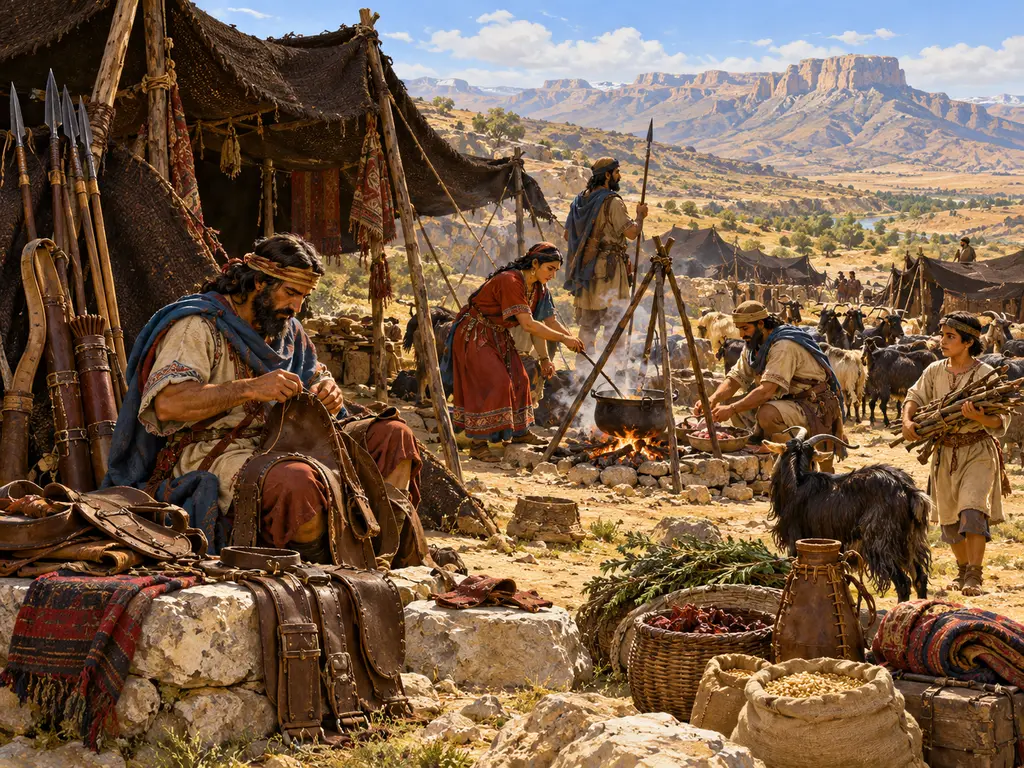
Not everyone in the Persian homeland lived in towns or farmed the valleys. Herodotus counted several Persian tribes as nomads, and later writers describe mountain peoples such as the Uxians who controlled the passes between Susa and Persis. They show that royal power in the heartland rested partly on bargains with herders and hill peoples, not only on force.
In the game: The game's Hill Raiders attack Pasargadae from camps in the hills. No source records raids on Pasargadae; the raiding is a game simplification of a relationship that Greek writers describe as tolls and gifts.
Farmers and nomads among the Persians
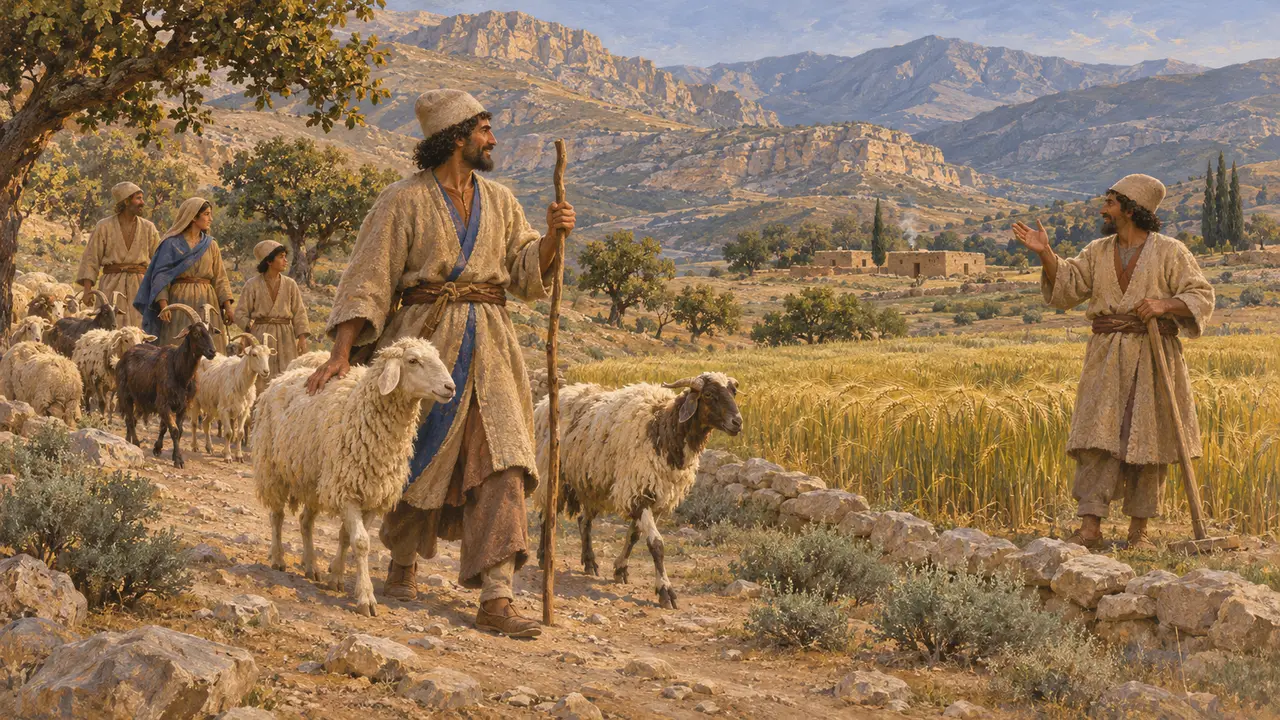
Ancient accountHerodotus lists the tribes of the Persians. He says the Pasargadae, Maraphii and Maspii were the leading tribes, that the Panthialaei, Derusiaei and Germanii worked the land, and that the Dai, Mardi, Dropici and Sagartii were nomads. In his view, then, the Mardians were not foreigners but Persians who lived by herding.
Herodotus 1.125
A Mardian climber at Sardis
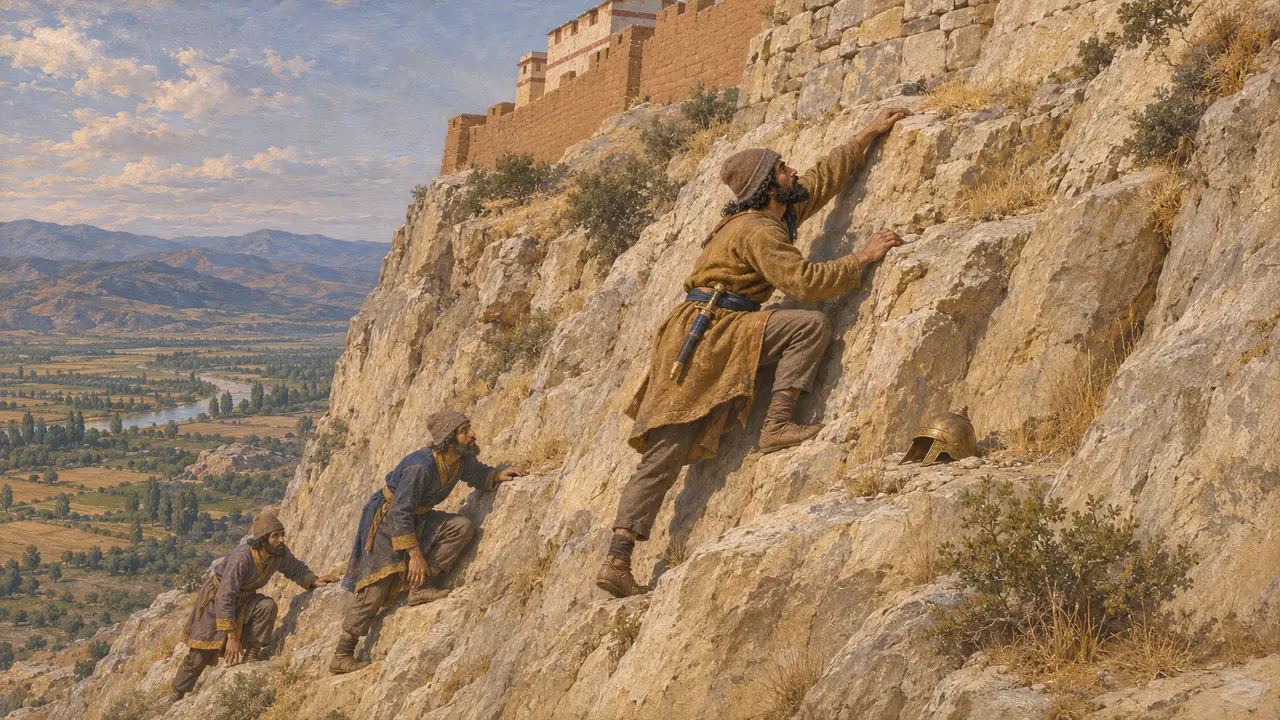
Ancient accountHerodotus tells how Cyrus took the citadel of Sardis. A Mardian soldier named Hyroeades saw a Lydian climb down a steep and unguarded cliff to fetch a fallen helmet. He climbed up the same way, other Persians followed, and the citadel fell. The story suggests that mountain-bred men served in Cyrus's army.
Herodotus 1.84
The Uxians and the price of passage
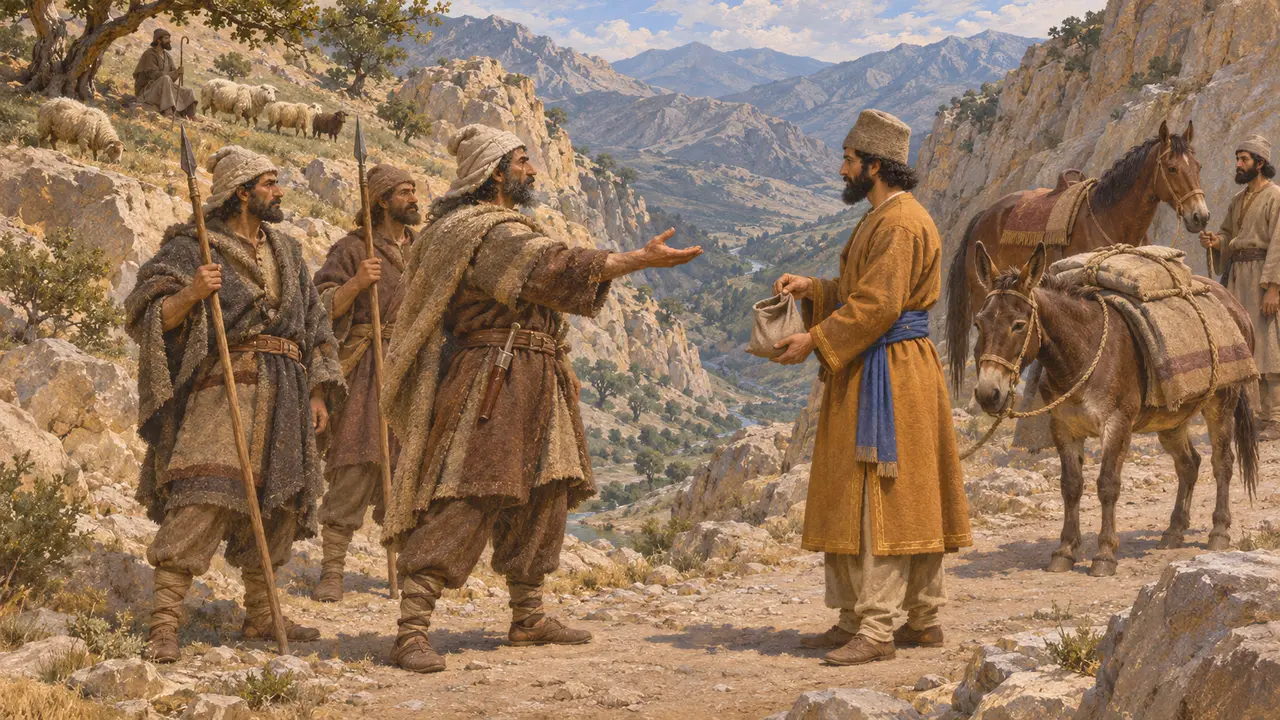
Ancient accountArrian says that when Alexander marched from Susa towards Persis in 331, the Uxians of the hills demanded the payment they had always received from the Persian kings for the use of the pass. Alexander attacked them instead and imposed a yearly tribute of horses, pack animals and sheep. Strabo, following Nearchus, names the Mardians, Uxians, Elymaeans and Cossaeans as raiding peoples who took payments from the kings.
Arrian, Anabasis 3.17; Strabo 11.13.6
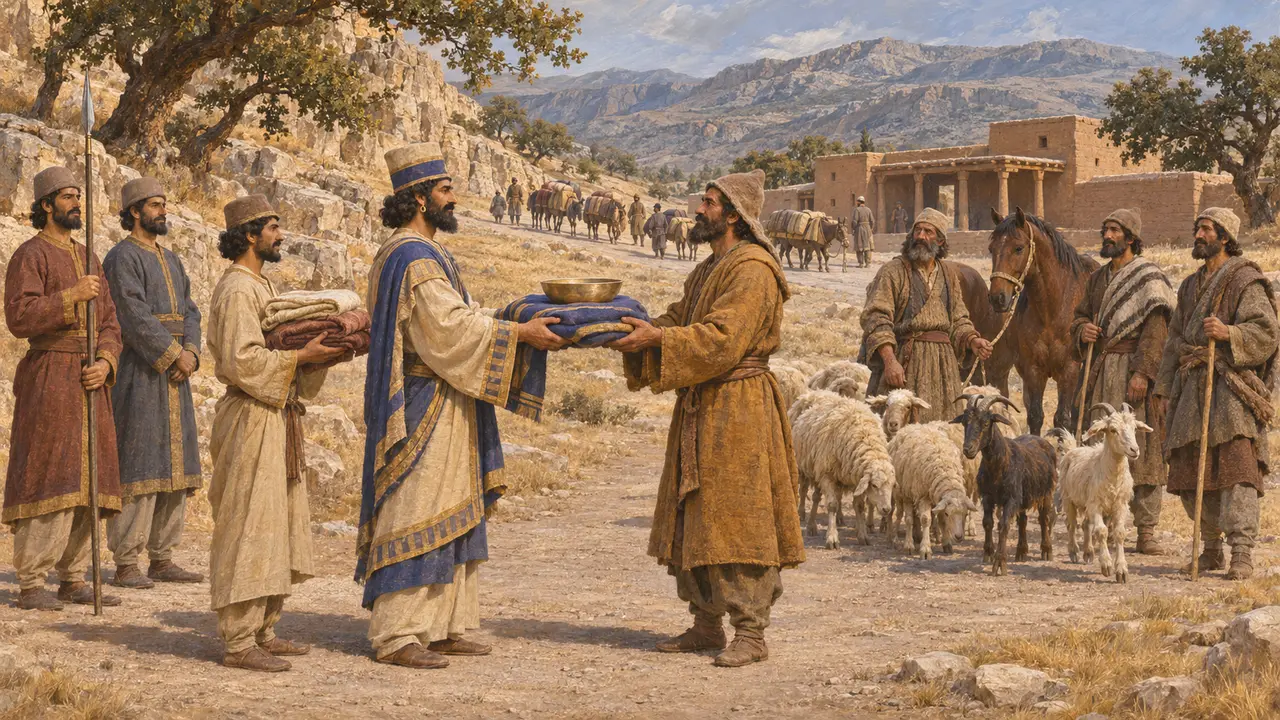
Bandits or partners of the King
DisputedThe Greek writers present these payments as the King buying off robbers, a sign of weakness. P. Briant argued instead that they were gift exchanges which bound pastoral groups to the King and gave him men, animals and safe roads in return. The Persepolis Fortification tablets show Persis as a closely administered land, which makes a helpless King unlikely, but no surviving Persian text clearly describes the hill tribes.
P. Briant, État et pasteurs au Moyen-Orient ancien, 1982; P. Briant, From Cyrus to Alexander, 2002
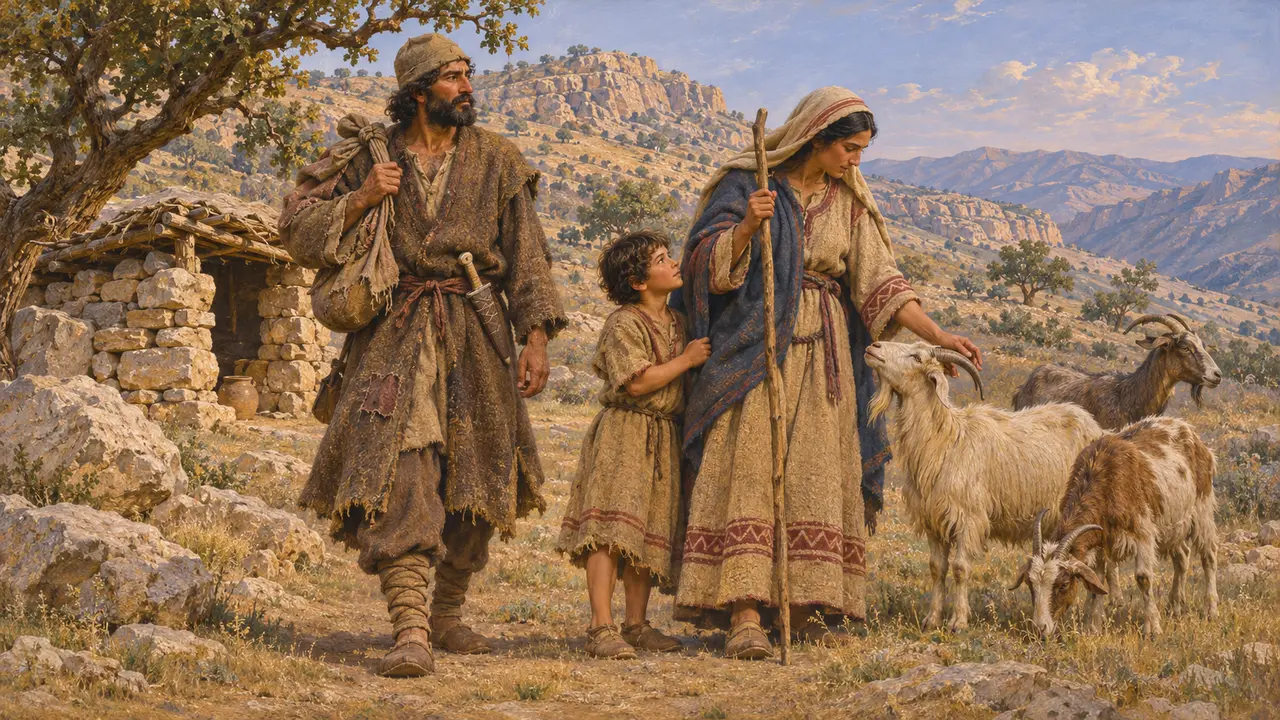
Cyrus as the son of a Mardian bandit
Later legendNicolaus of Damascus, writing in the time of Augustus and probably drawing on Ctesias, told a story in which Cyrus's father was a Mardian named Atradates who lived by banditry, and his mother a goatherd. This tale of rising from poverty contradicts the Cyrus Cylinder, where Cyrus calls himself son of Cambyses and descendant of kings of Anshan.
Nicolaus of Damascus, FGrH 90 F66; Cyrus Cylinder
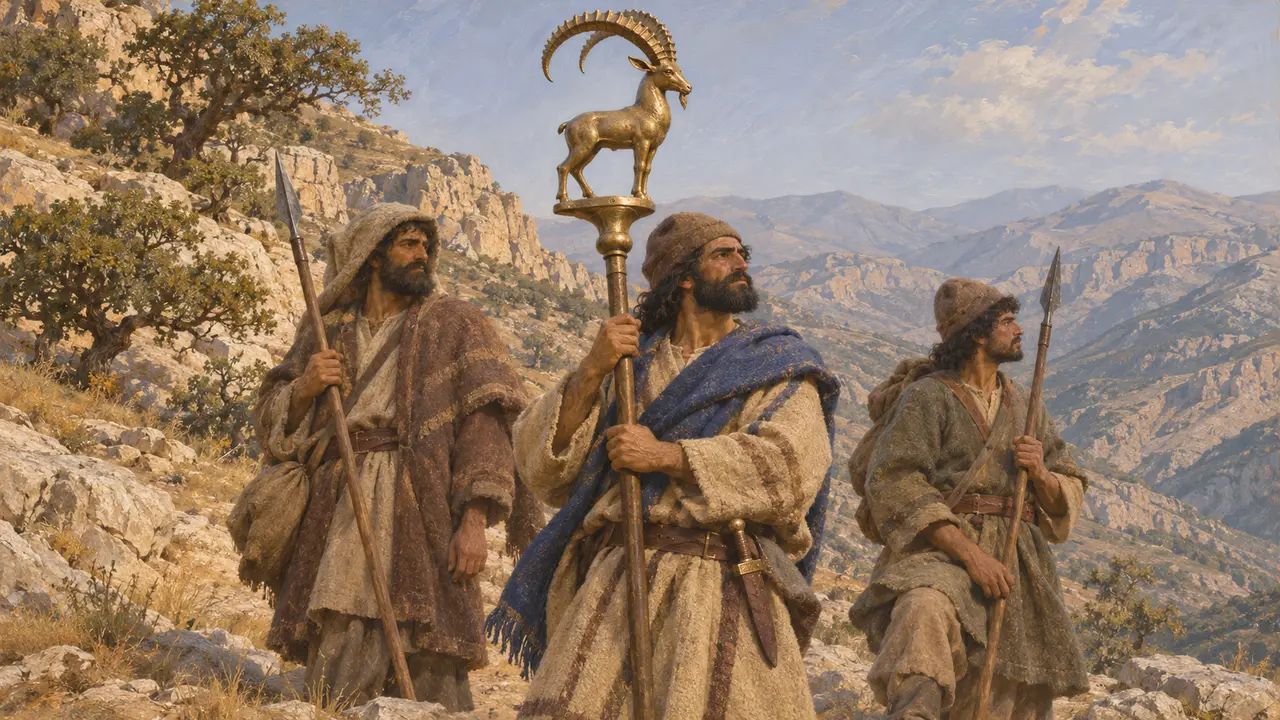
The emblem beside its name
DisputedThe hill raiders carry a great-horned ibex, the beast of the Luristan bronzes and of Achaemenid metalwork. The raiders are a dramatization, and so is their emblem: no source names their tribes or their signs.
P. R. S. Moorey, Ancient Bronzes from Luristan, 1974
Sources
- Herodotus 1.125
- Arrian, Anabasis 3.17
- Strabo 11.13.6
- P. Briant, État et pasteurs au Moyen-Orient ancien, 1982
- P. Briant, From Cyrus to Alexander, 2002
- Nicolaus of Damascus, FGrH 90 F66