Encyclopedia › Soldiers and ships
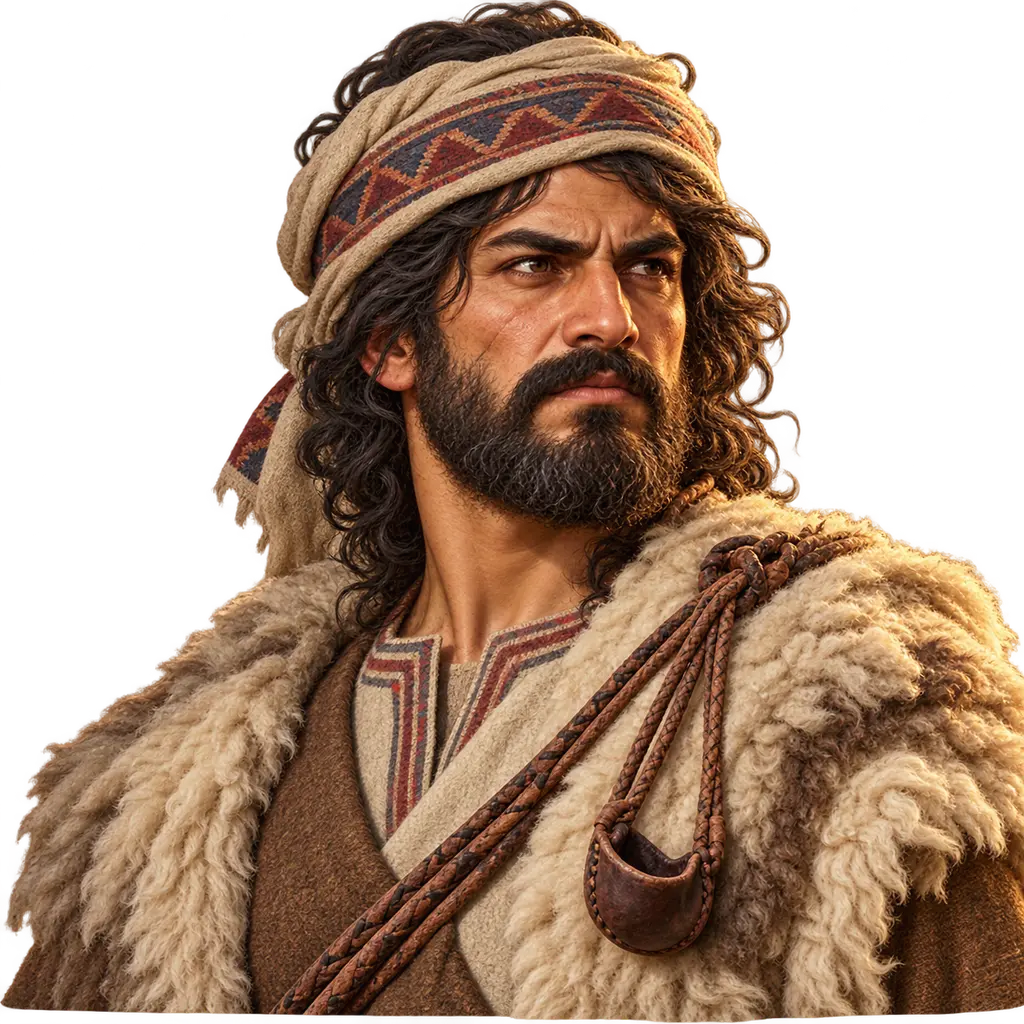
Hill Raider
Lightly armed raiders from the mountains and margins of the empire, 6th-5th century BCE
The Persian kings ruled settled plains and valleys, but the mountains between them held herding peoples who lived partly by raiding and by charging for passage. Greek writers describe such groups, the Uxians, Mardians and Cossaeans above all, as robbers, mostly in accounts of Alexander's campaigns. They mattered because the King's roads crossed their country, and his officials dealt with them by force, payment or bargain.
In the game: The game uses the Hill Raider as a fast light enemy, renamed by level, that runs down archers and civilians and loses to spearmen. This simplifies history: the hill peoples were often bargained with rather than simply fought.
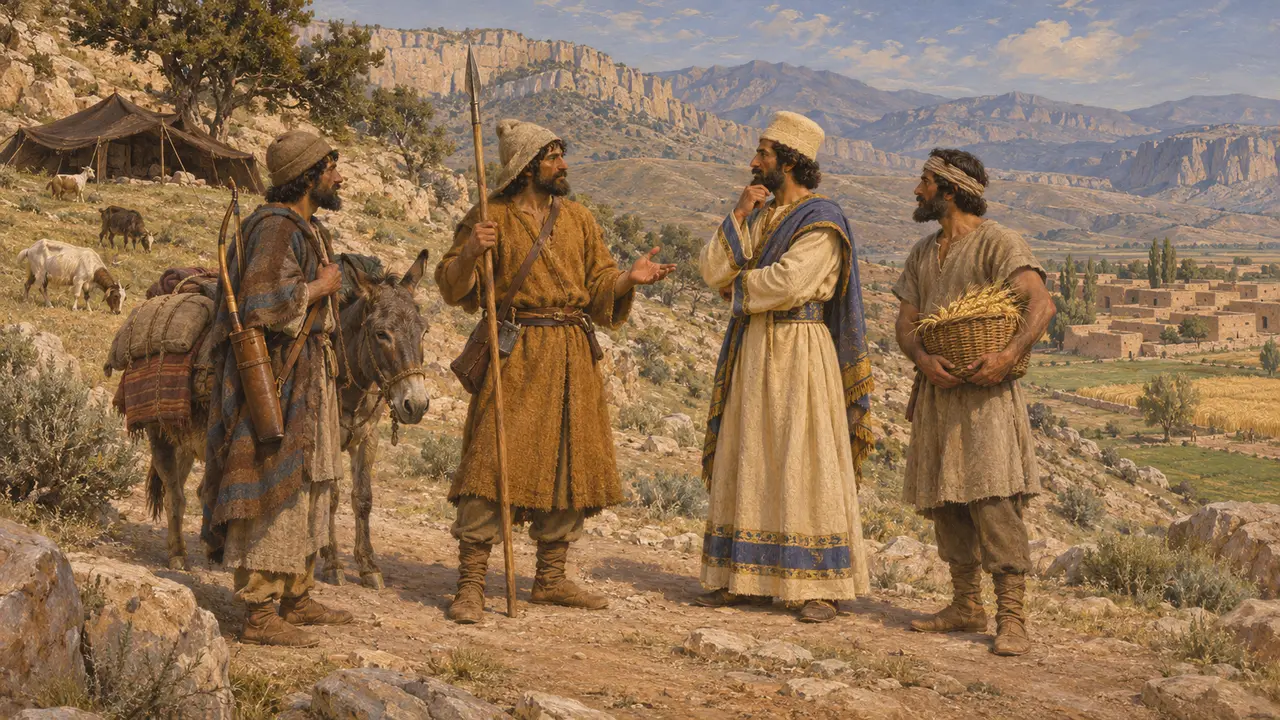
Herodotus on the tribes of Persis
Ancient accountHerodotus lists the peoples of Persis and sorts them into leading, farming and nomad tribes. He names the Pasargadae, Maraphians and Maspians as the chief tribes, and the Daans, Mardians, Dropicans and Sagartians as nomads. He gives no detail of raiding here, but his list shows that Persis itself was not one uniform people.
Herodotus 1.125
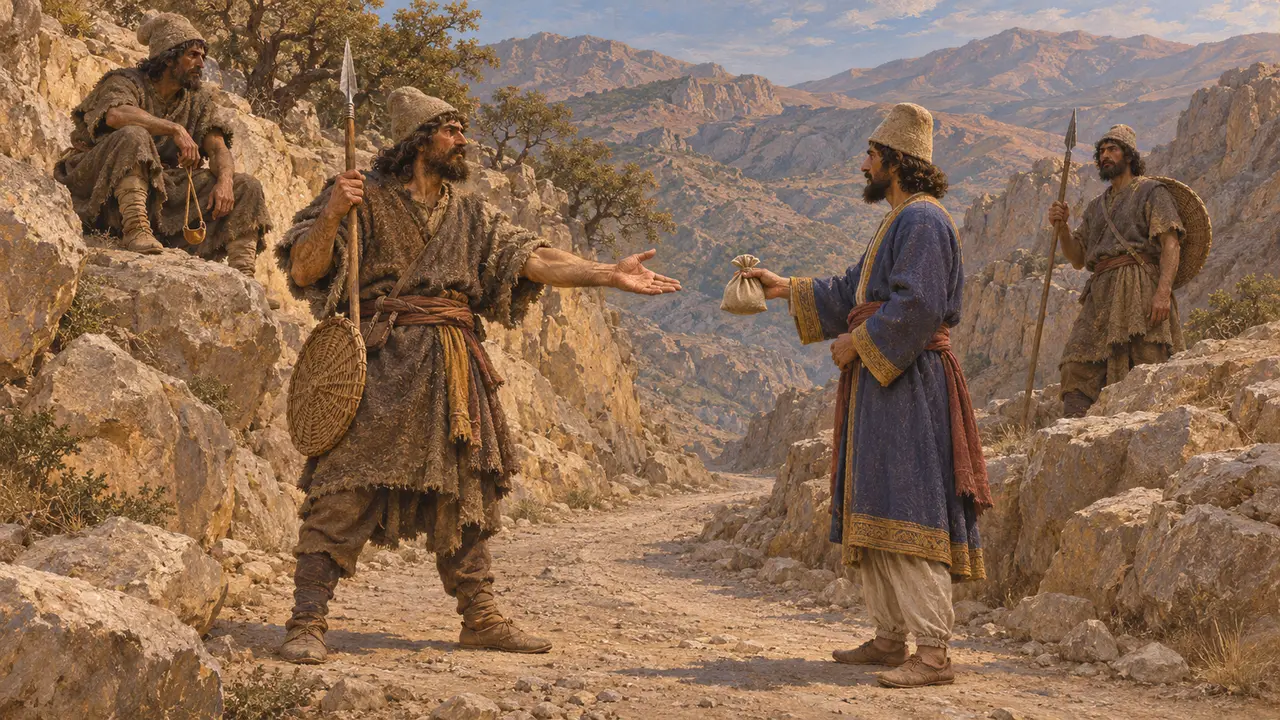
The Uxians and the price of the pass
Ancient accountArrian says that the lowland Uxians obeyed the Persian satrap, but the mountain Uxians did not. When Alexander marched from Susa toward Persis about 331, the mountain Uxians held the pass and demanded the payment they said the Persian kings had always given them. Alexander attacked them by a side route and imposed a tribute of livestock. Strabo adds that the Cossaeans received gifts from the kings travelling between Ecbatana and Babylon.
Arrian, Anabasis 3.17; Strabo, Geography 11.13.6
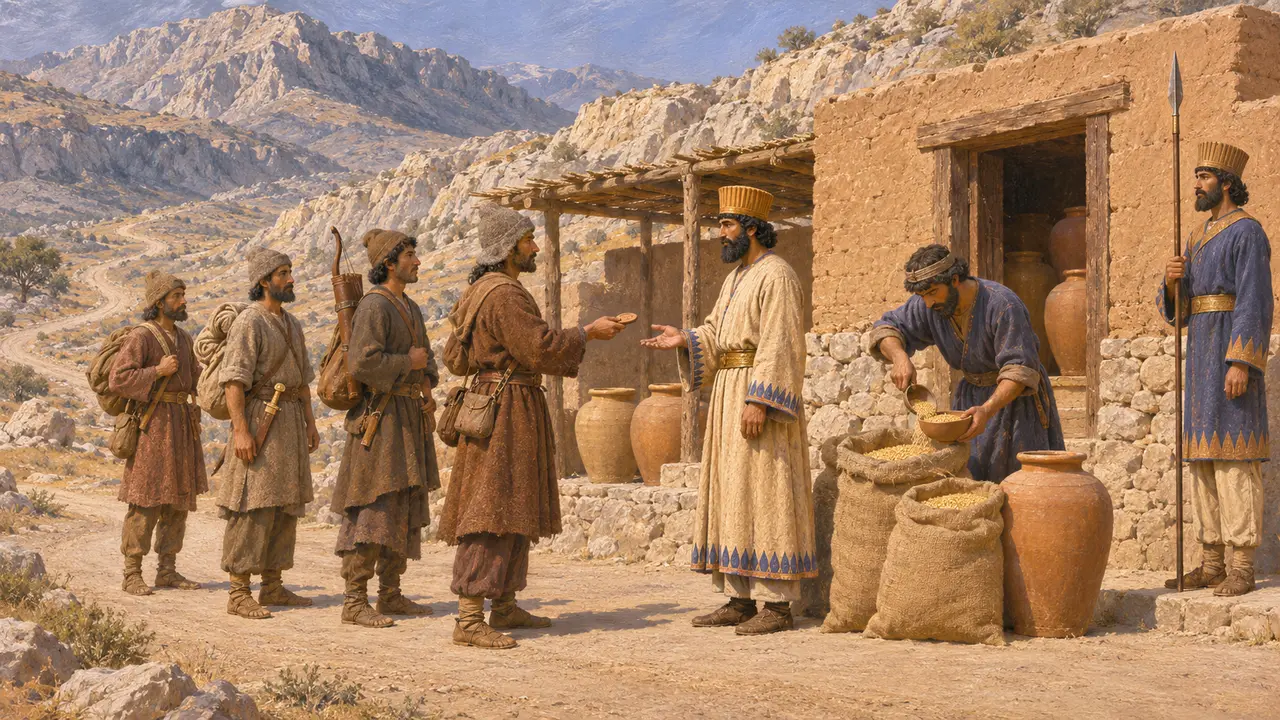
Roads watched and rationed
In the recordThe Persepolis Fortification tablets, written in Elamite between about 509 and 493, record travellers on the roads of Persis. They drew rations at stations on sealed authorisations, often in parties under a named leader. The tablets show a closely administered heartland. They do not name hill raiders, so it remains open how far outlying mountain groups stood inside or outside this system.
R. T. Hallock, Persepolis Fortification Tablets, 1969
Weakness or bargain
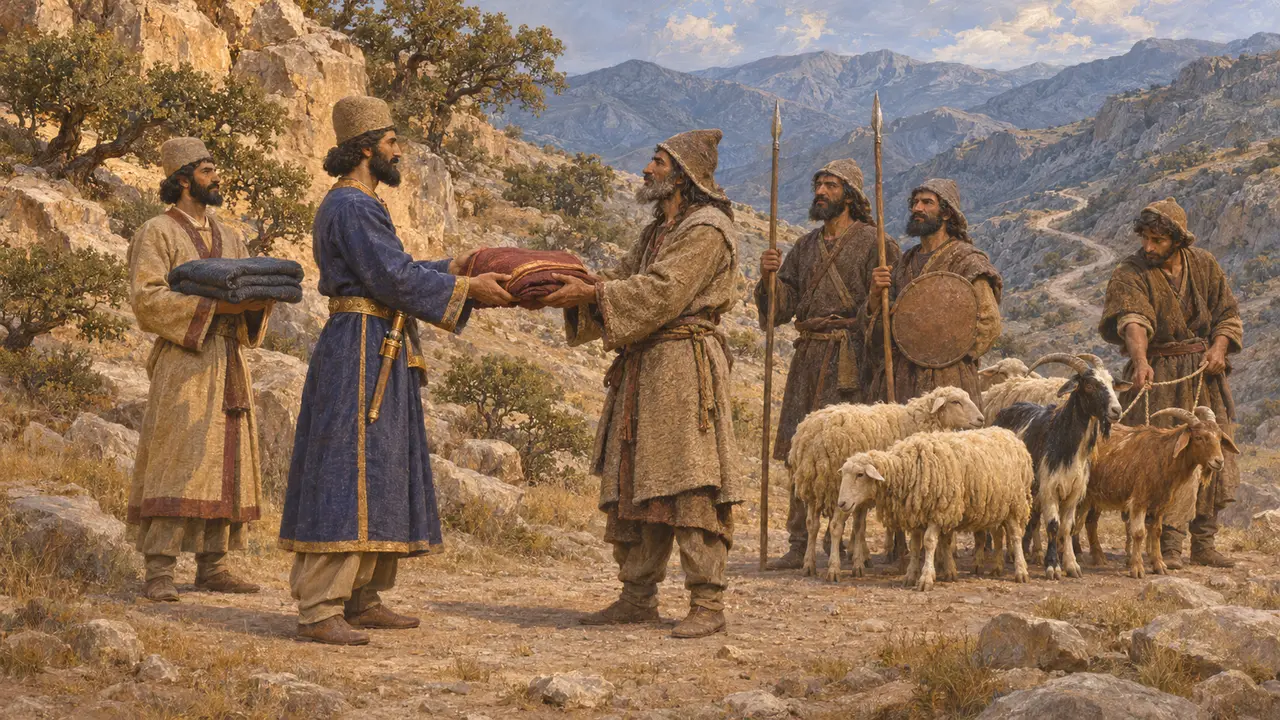
DisputedGreek writers of the Roman period read the kings' payments to mountain peoples as a sign that the empire could not control its own hills. Pierre Briant argued instead that the gifts were part of a lasting relationship of exchange and recognition, in which herders supplied animals and fighting men and the King kept the passes open. Historians still differ on how far these groups were enemies and how far they were partners of the crown.
P. Briant, État et pasteurs au Moyen-Orient ancien, 1982; P. Briant, From Cyrus to Alexander, 2002
Sources
- Arrian, Anabasis 3.17
- Strabo, Geography 11.13.6
- Herodotus 1.125
- P. Briant, From Cyrus to Alexander, 2002
- P. Briant, État et pasteurs au Moyen-Orient ancien, 1982
- R. T. Hallock, Persepolis Fortification Tablets, 1969