Encyclopedia › Soldiers and ships
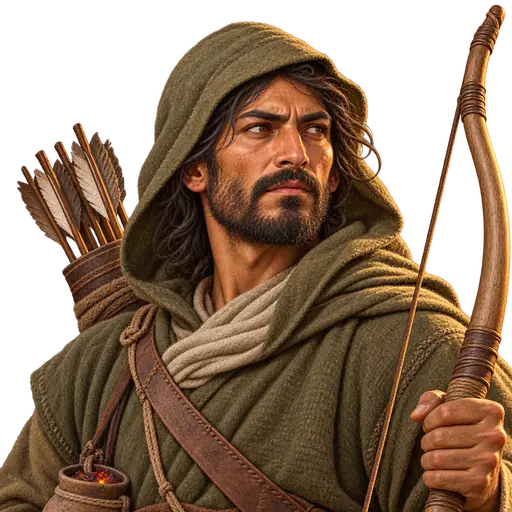
Hill Archer
Bowmen of the Zagros and Persis highlands, about 550-479 BCE
The Hill Archer is the game's name for the bowmen of the mountain peoples who lived beside the Persian heartland and along the routes between the royal cities. No ancient writer describes a unit by this name. Later Greek writers describe highland groups such as the Uxians and Cossaeans who held their own passes, and Strabo credits the Cossaeans with many archers.
In the game: The game shows him as an enemy archer whose label changes by level. He picks off walkers and archers while spearmen shrug off his arrows, which is a game simplification rather than a recorded troop type.
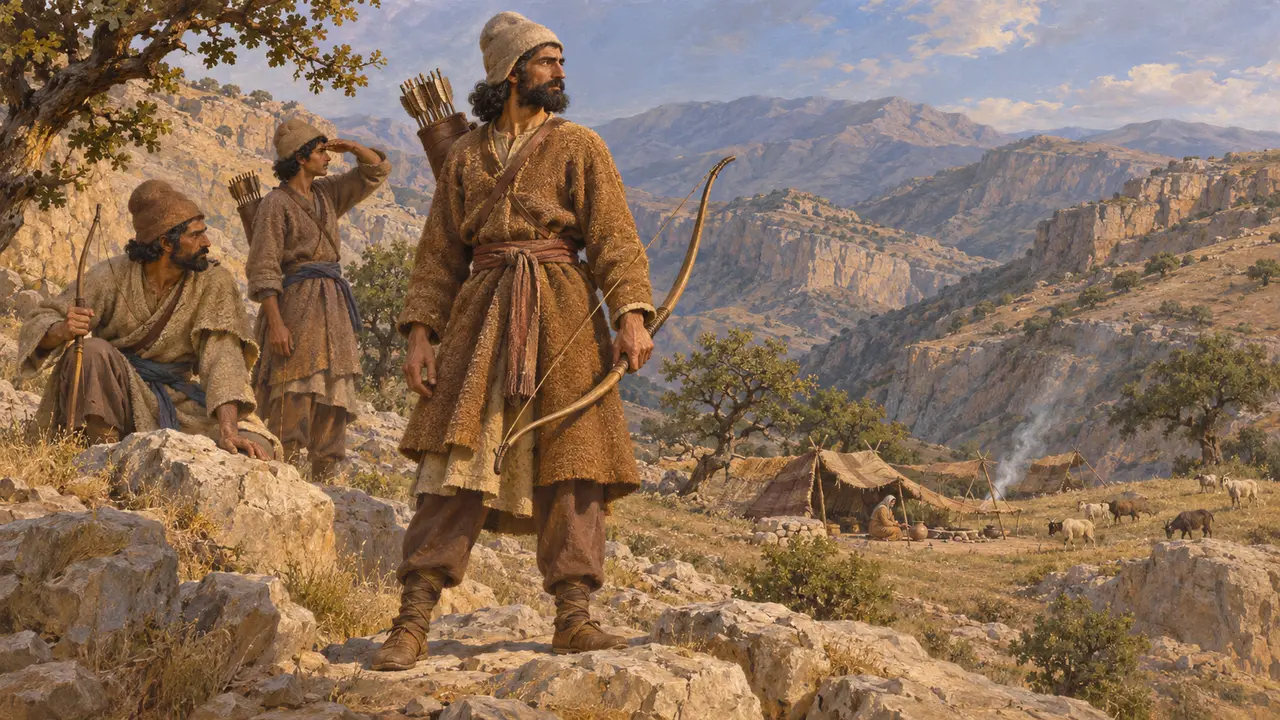
The peoples of the hills
Ancient accountHerodotus lists the Mardians among the Persian tribes he calls nomads rather than farmers, alongside the Dai, Dropici and Sagartians. Arrian describes the Uxians, highlanders on the route from Susa into Persis, who held the passes against Alexander in about 331, long after the game's period. These writers saw such groups from outside and say little about how they organised themselves or fought.
Herodotus 1.125; Arrian, Anabasis 3.17
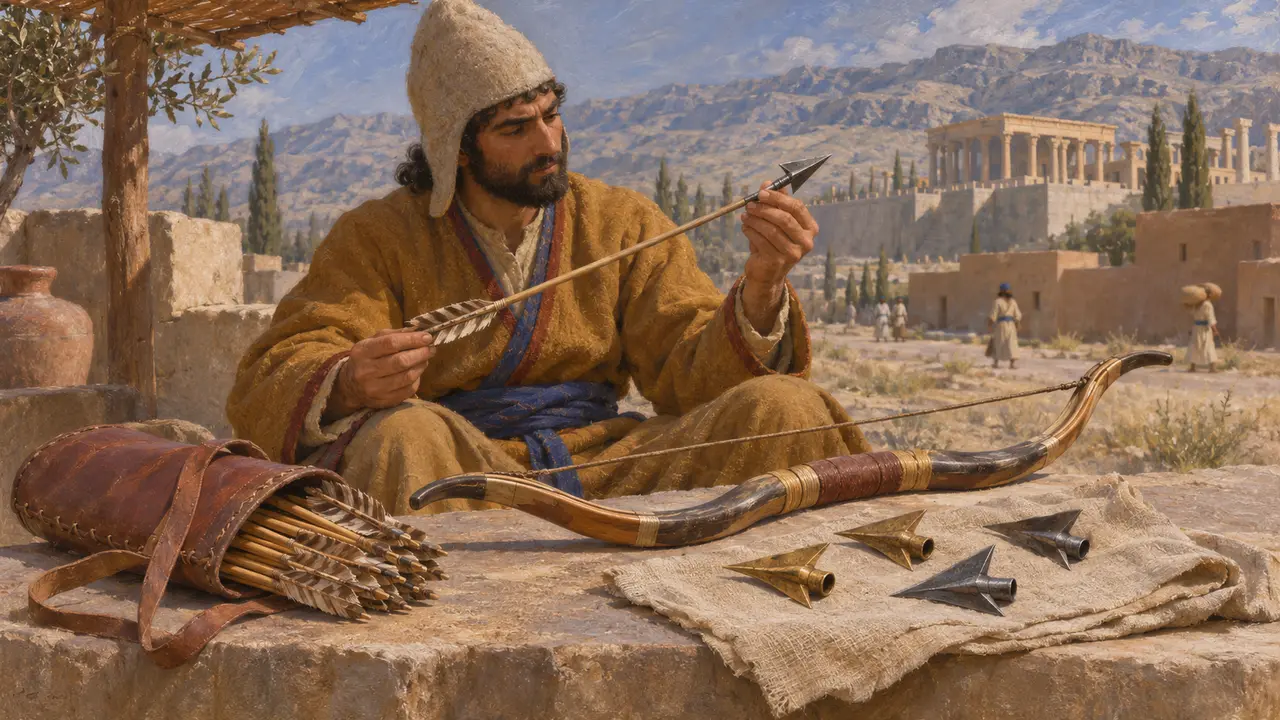
Bows and arrowheads
In the recordIn his tomb inscription at Naqsh-e Rostam, Darius names skill with the bow, on foot and on horseback, among his own virtues. This shows that archery belonged to the royal picture of the ideal Persian man. Excavations at Persepolis recovered large numbers of bronze and iron arrowheads, many of the three-bladed type common across the region. Such arrowheads cannot be tied to one people, so they show the weapon in use rather than the hill archers themselves.
DNb; E. Schmidt, Persepolis II, 1957
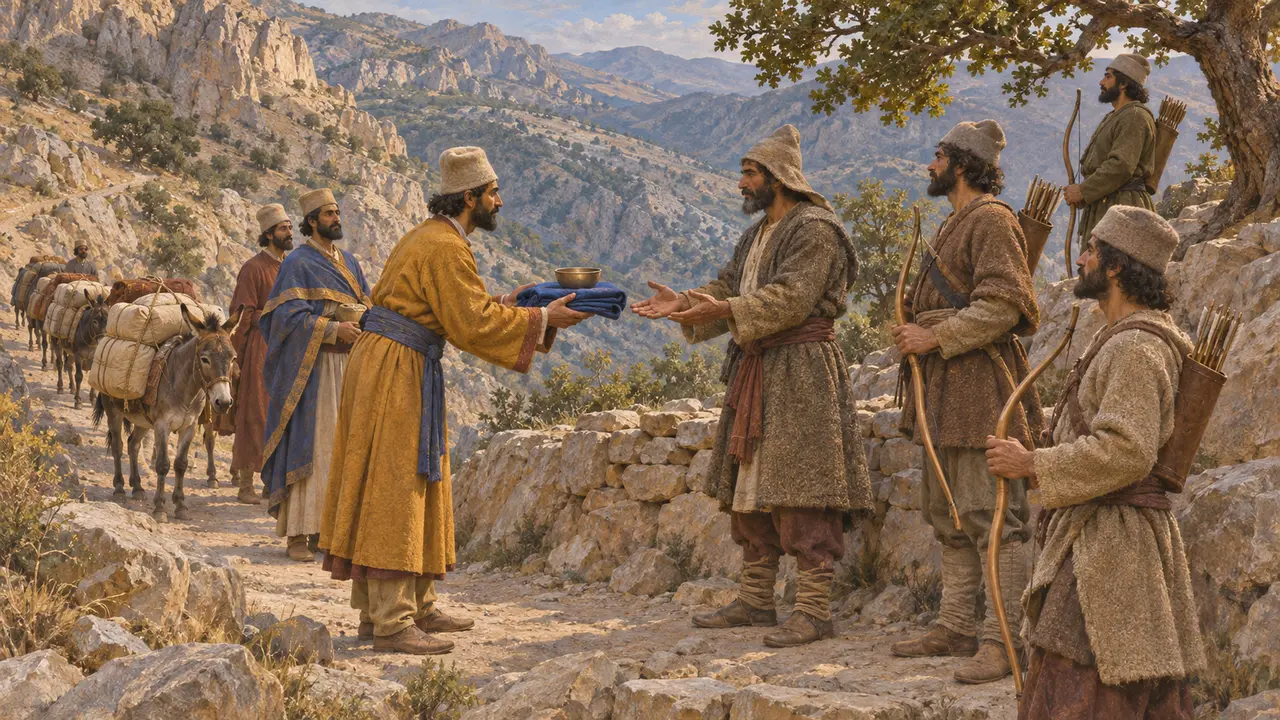
Payment for passage
DisputedArrian says the Uxians demanded the payments they had received from Persian kings for passage through their country. Strabo says the kings gave gifts to the Cossaeans and that the Cossaeans could field many archers. This evidence is late, and it may not describe the period before 479. Older readings saw the payments as royal weakness, but Briant argues they were a negotiated exchange that bound the highlanders to the king.
Arrian, Anabasis 3.17; Strabo 11.13.6; P. Briant, From Cyrus to Alexander, 2002
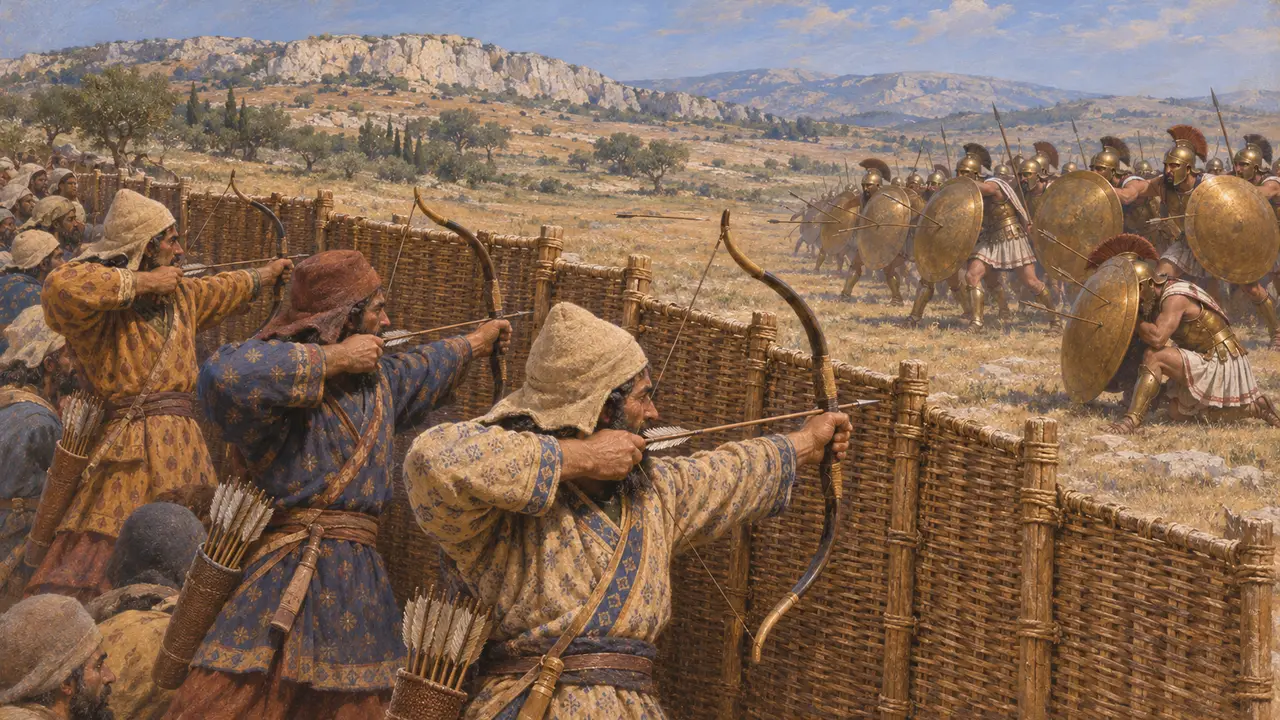
Arrows against shields
Ancient accountHerodotus describes Persian infantry at Plataea setting up a wall of wicker shields and shooting from behind it. He says many Spartans were killed or wounded before that wall was pushed over. His account shows that both archery and shields mattered in battle in this period. It does not support the idea that spearmen could simply ignore arrows.
Herodotus 9.61-62
Sources
- Herodotus 1.125
- Arrian, Anabasis 3.17
- Strabo 11.13.6
- DNb
- P. Briant, From Cyrus to Alexander, 2002
- E. Schmidt, Persepolis II, 1957