Encyclopedia › Soldiers and ships
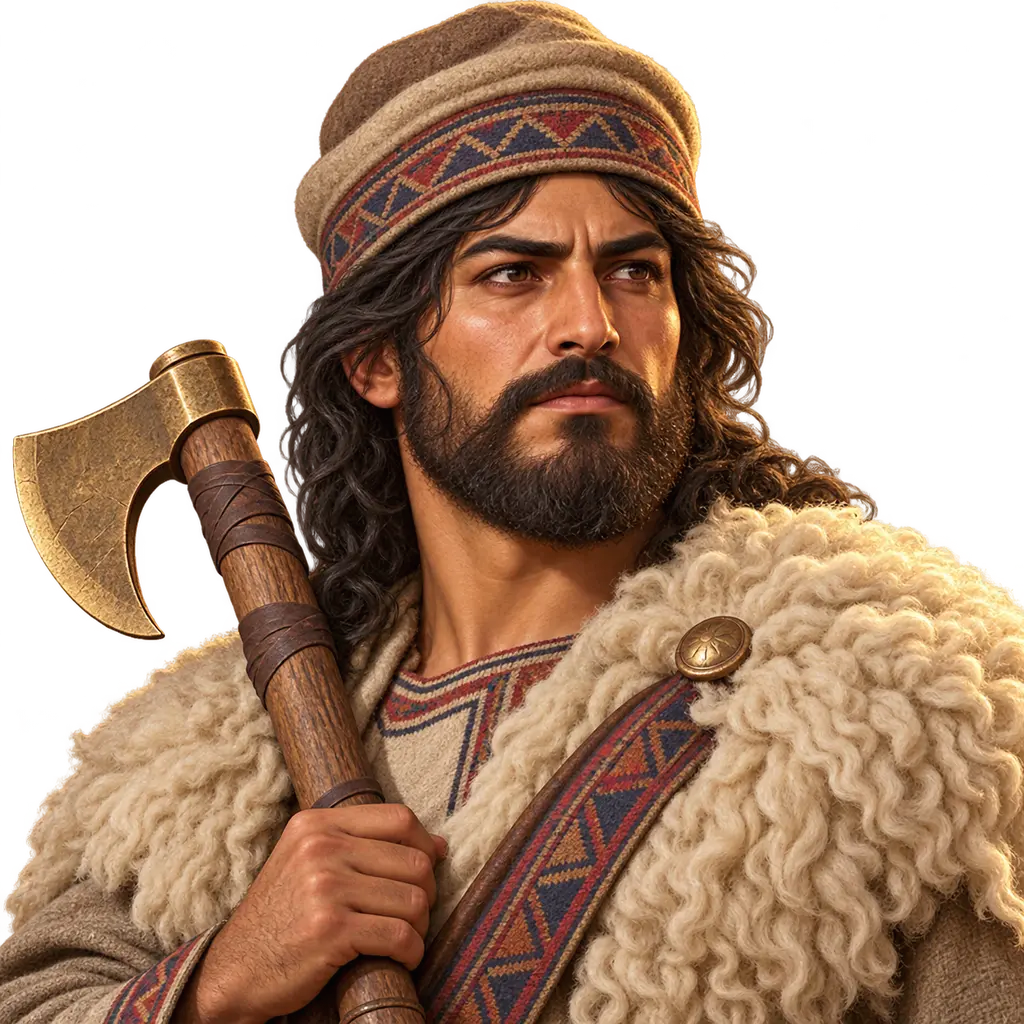
Hill War Chief
Leader of the mountain peoples of Persis and its borders, 6th-4th centuries BCE
The mountains between Susa and Persis, and towards Media, were home to herding peoples such as the Uxians and Cossaeans, whom Greek writers portray as never fully subject to the Persian kings. Arrian and Strabo report that the kings gave them payments or gifts for safe passage. No surviving source names a chief of these peoples between 530 and 479, so the game's war chief is a reconstruction built on later reports.
In the game: A light enemy unit, named differently in each level, whose raiders within 10 cells strike 15% harder; kill him and his division falls back. No source shows hill chiefs leading divisions of a great host; that framing is the game's.
The peoples of the hills
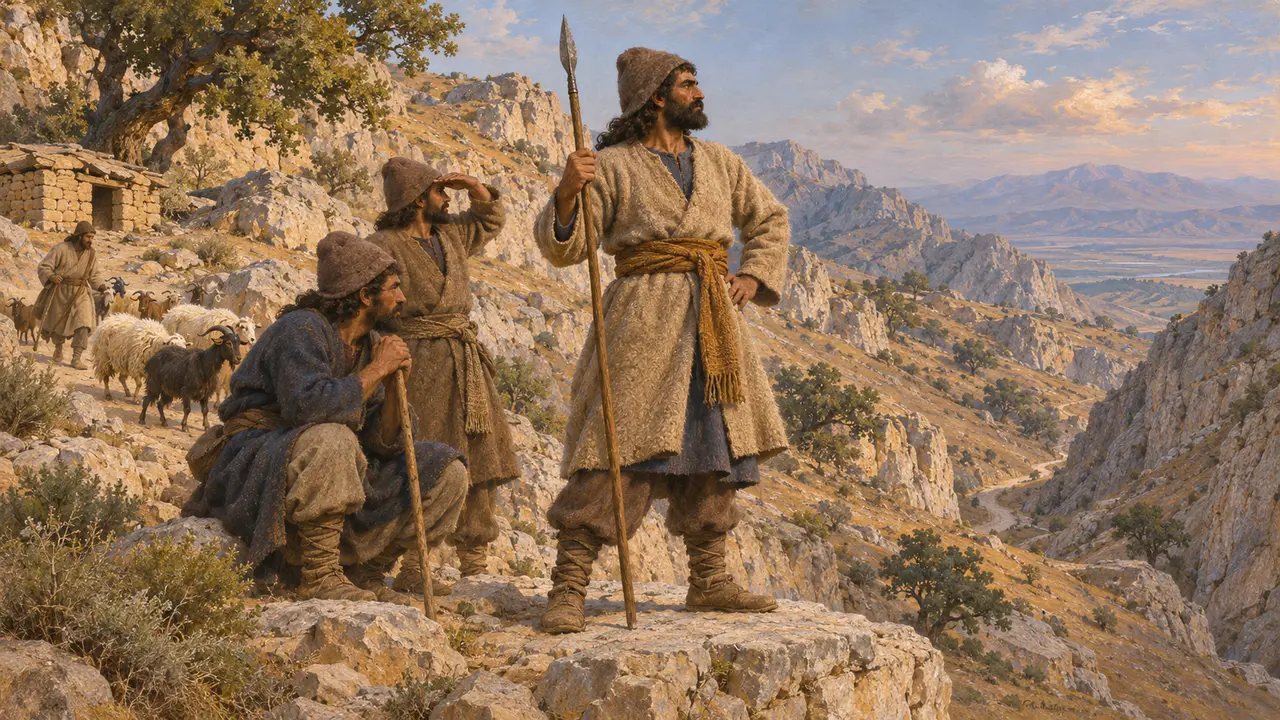
Ancient accountHerodotus lists the tribes of the Persians and says some were settled farmers while others, among them the Mardians, were nomads. Later writers on Alexander's campaigns name further mountain peoples on the edges of Persis, Elam and Media, such as the Uxians and the Cossaeans. They describe these peoples as herders who held the passes between the lowlands and the Persian heartland.
Herodotus 1.125; Arrian, Anabasis 3.17 and 7.15
Paying the mountain chiefs
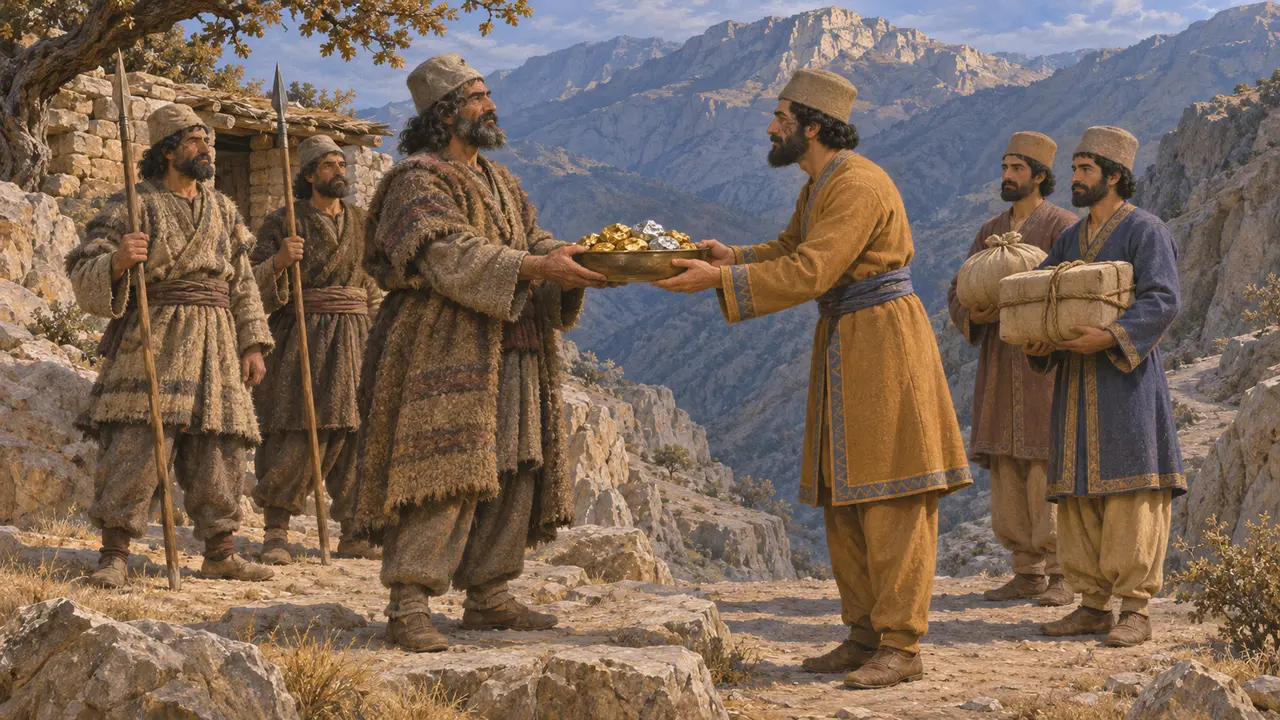
Ancient accountArrian says the mountain Uxians would let Alexander through their pass between Susa and Persis only if he paid what they had received from the Persian kings. Strabo, drawing on Nearchus, names four robber peoples of these mountains and says the Cossaeans received gifts from the kings. Alexander refused to pay and attacked the Uxians in the winter of 331-330, and later campaigned against the Cossaeans in winter.
Arrian, Anabasis 3.17; Strabo, Geography 11.13.6; Arrian, Anabasis 7.15
Gift, tribute or bargain
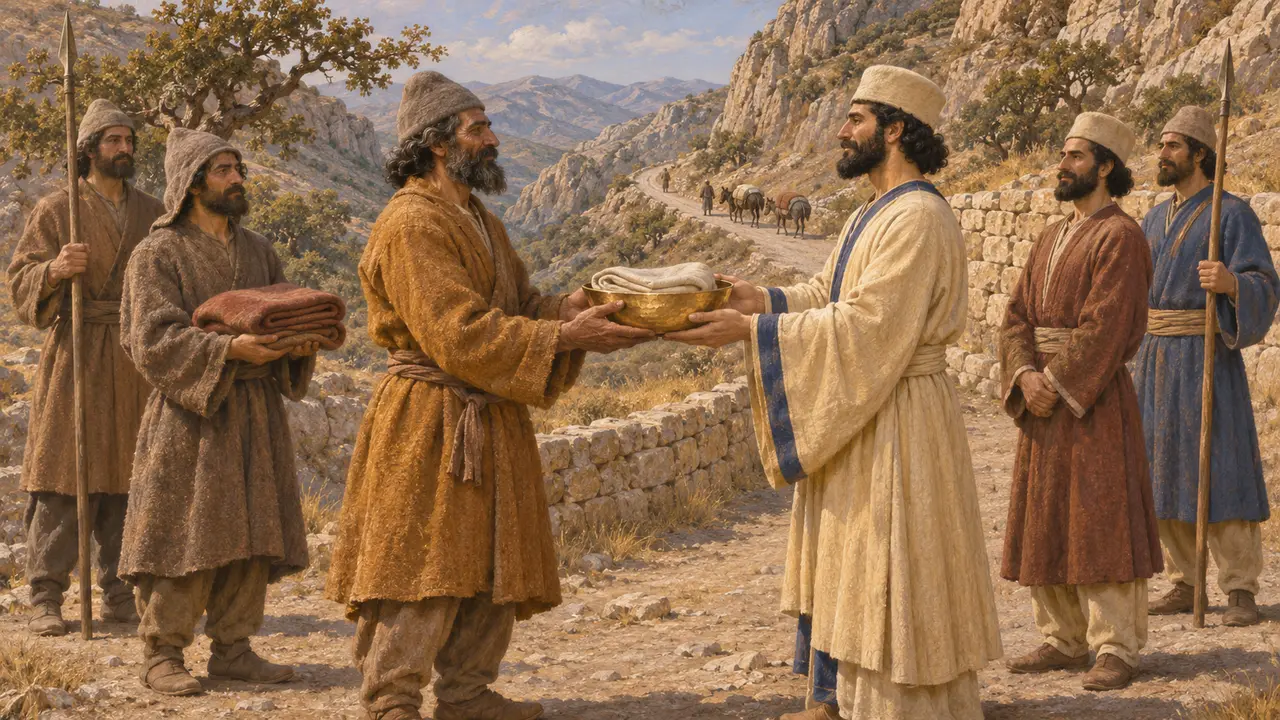
DisputedGreek and Roman writers present these payments as a sign of royal weakness. Pierre Briant argued instead that they formed a negotiated relationship, in which the King exchanged gifts with mountain leaders to keep the routes open and bind them to him. The reports concern the time of Alexander and survive through much later authors, so how these peoples dealt with Cyrus or Darius is unknown.
P. Briant, État et pasteurs au Moyen-Orient ancien, 1982; P. Briant, From Cyrus to Alexander, 2002
When the leader fell
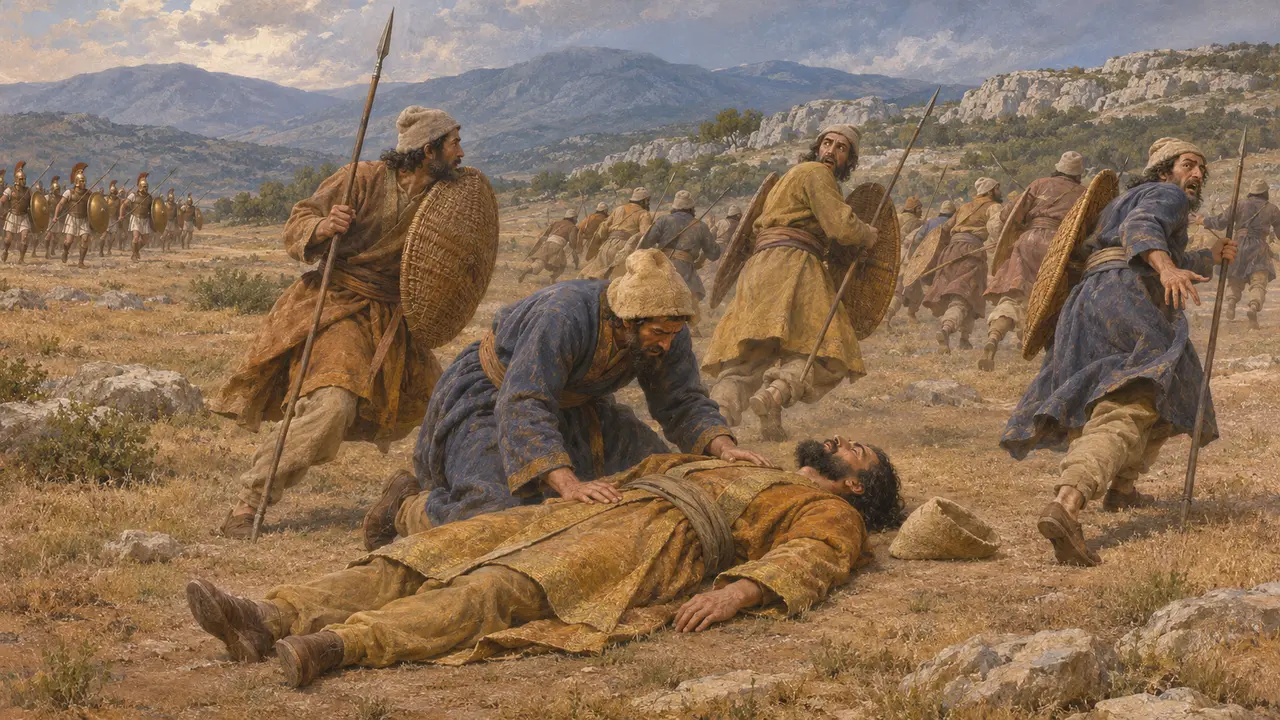
Ancient accountAncient armies often broke when their commander died. Herodotus says the Persian resistance at Plataea collapsed once Mardonius was killed, and Xenophon describes how the death of Cyrus the Younger at Cunaxa ended his cause. The game's rule that a division falls back when its chief dies follows this general pattern, not any report about hill peoples.
Herodotus 9.63; Xenophon, Anabasis 1.8
Sources
- Arrian, Anabasis 3.17
- Strabo, Geography 11.13.6
- Herodotus 1.125
- P. Briant, État et pasteurs au Moyen-Orient ancien, 1982
- P. Briant, From Cyrus to Alexander, 2002
- Arrian, Anabasis 7.15