Encyclopedia › Soldiers and ships
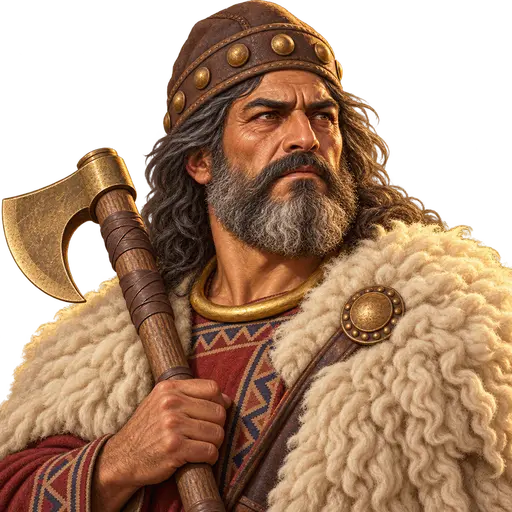
Great Chief of the Hills
Imagined war leader of the Zagros and Persis hill peoples, about 530-479 BCE
The Great Chief of the Hills stands for the men who led the mountain peoples of Persis and the Zagros, such as the Mardians, Uxians and Cossaeans, when they gathered in strength. No source from the period names such a leader. Later Greek writers knew these peoples as raiders who held the mountain passes, and their dealings with the Persian kings suggest that the empire's heartland still contained communities with a degree of independence.
In the game: The game shows him as a war leader whose reserve makes raiders within 10 cells strike 20% harder, and whose fall breaks the host at half strength. This is a game invention: no ancient source describes a single great chief of the hills.
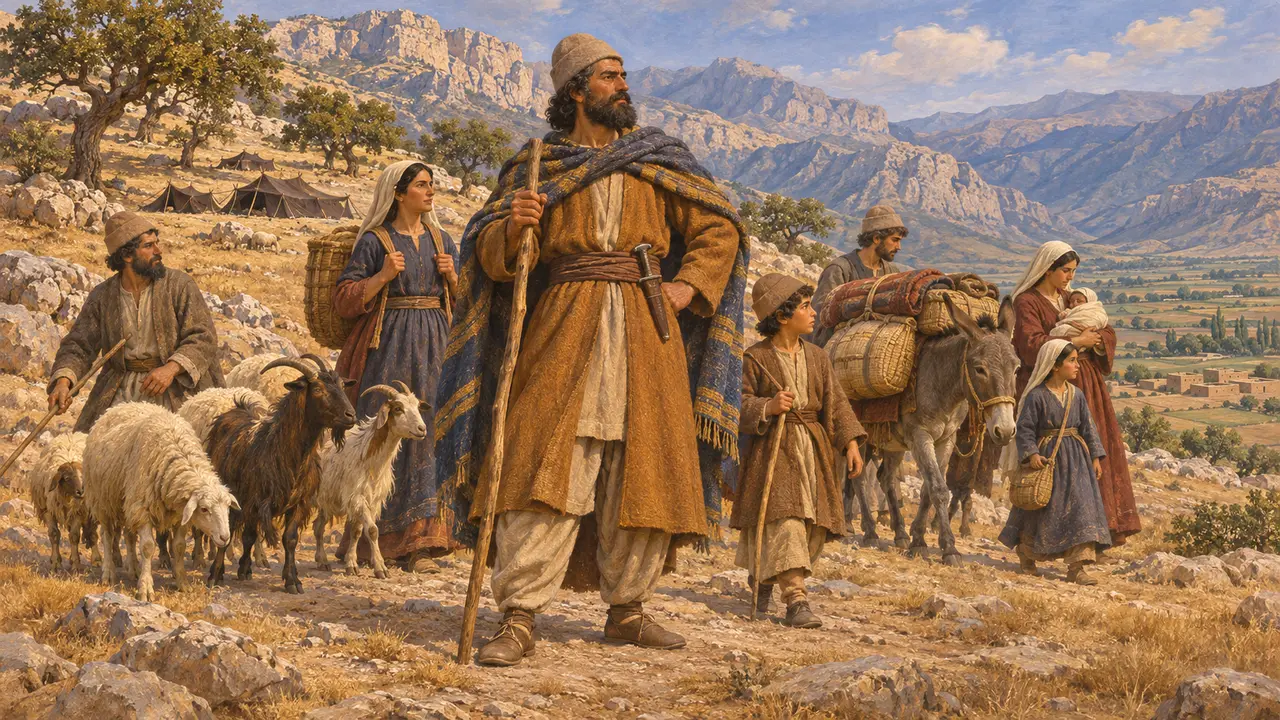
Hill tribes among the Persians
Ancient accountHerodotus lists the tribes that made up the Persian people. Three, led by the Pasargadae, stood above the rest; some others farmed; and others, among them the Mardians and Sagartians, he calls nomads. The list suggests that pastoral groups in the uplands of Persis were counted as Persians, yet lived differently from the court and the farming villages of the valleys.
Herodotus 1.125
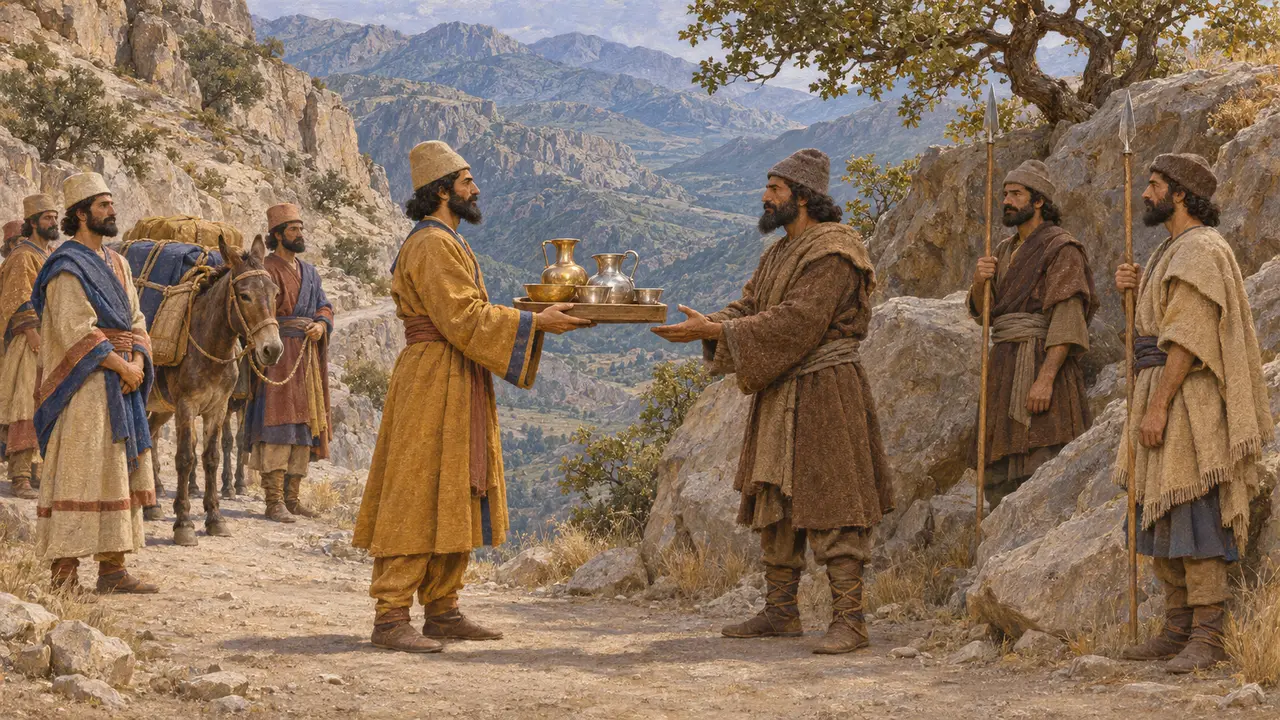
Peoples who took a price for passage
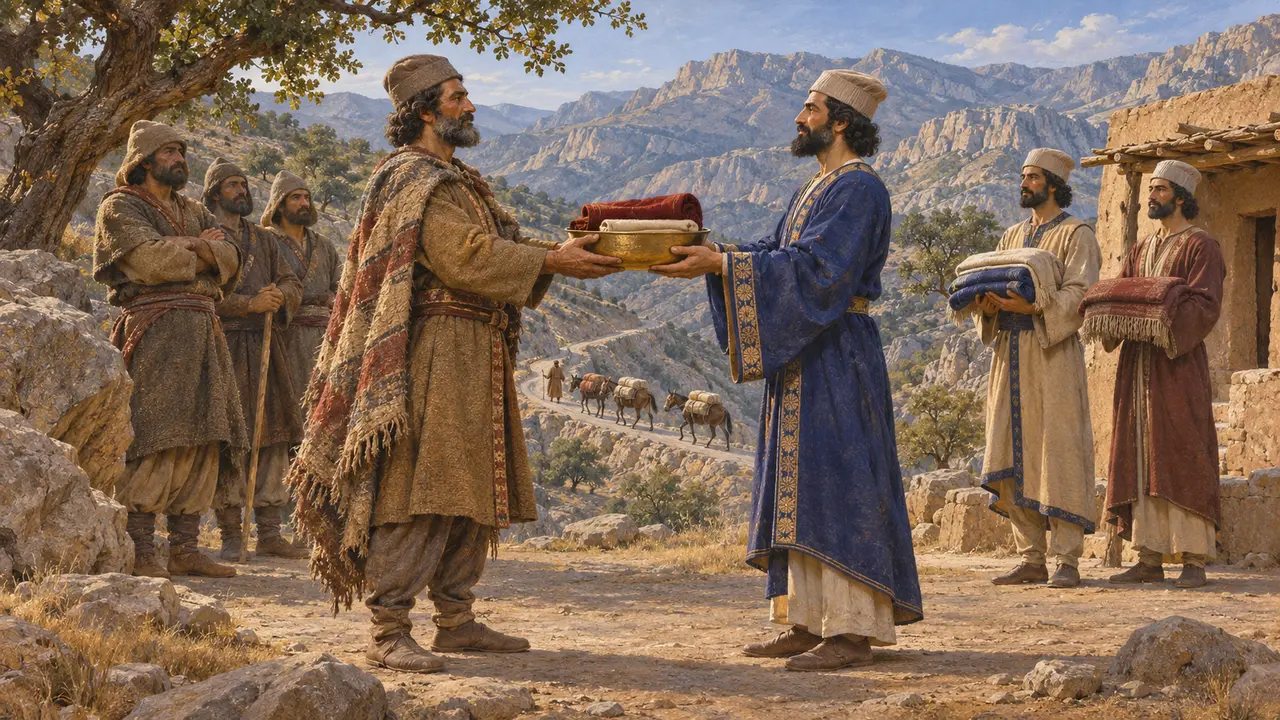
Ancient accountStrabo, drawing on Nearchus, Alexander's admiral, names four predatory peoples of the mountains: the Mardians, Uxians, Elymaeans and Cossaeans. He says the Cossaeans received gifts from the Persian kings when the court travelled between Ecbatana and Babylon. Arrian tells how the mountain Uxians demanded from Alexander in 331 the payment they claimed the Persian kings had always given them for passage.
Strabo 11.13.6; Arrian, Anabasis 3.17
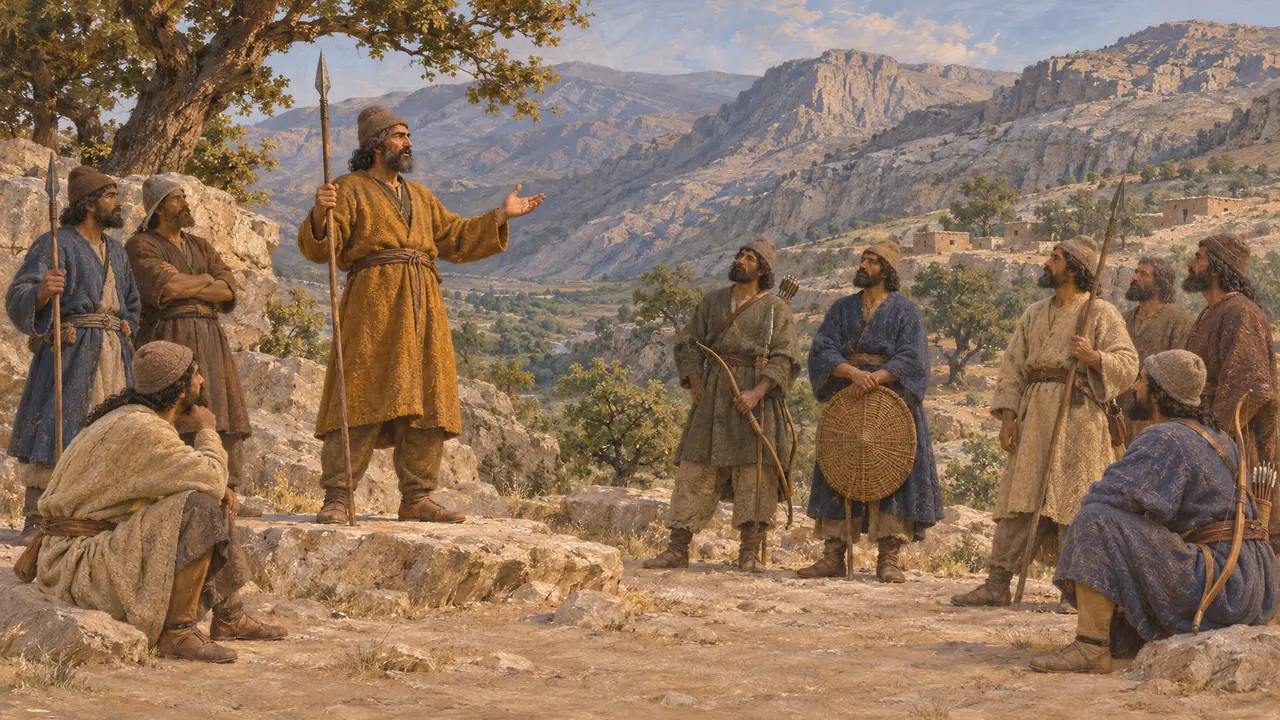
Leaders without names
DisputedThe Greek accounts speak of these peoples as groups and rarely name their leaders, and nothing survives from 530-479 about how they chose men to lead them in war. Most historians think leadership was local, by clan or valley, but how far any one chief could unite them is unknown. A single great war leader commanding a united host is therefore a reconstruction, not a fact attested in the sources.
P. Briant, État et pasteurs au Moyen-Orient ancien, 1982
Brigands or partners of the King
DisputedGreek writers present the payments to the Uxians and Cossaeans as a sign that the kings could not master the mountains. Pierre Briant argues instead that the gifts were part of a negotiated relationship, in which the King's generosity bound the hill peoples to him and secured the roads. Historians still debate how far these peoples stood outside royal control and how far they were woven into it.
P. Briant, From Cyrus to Alexander, 2002
Alexander and the end of independence
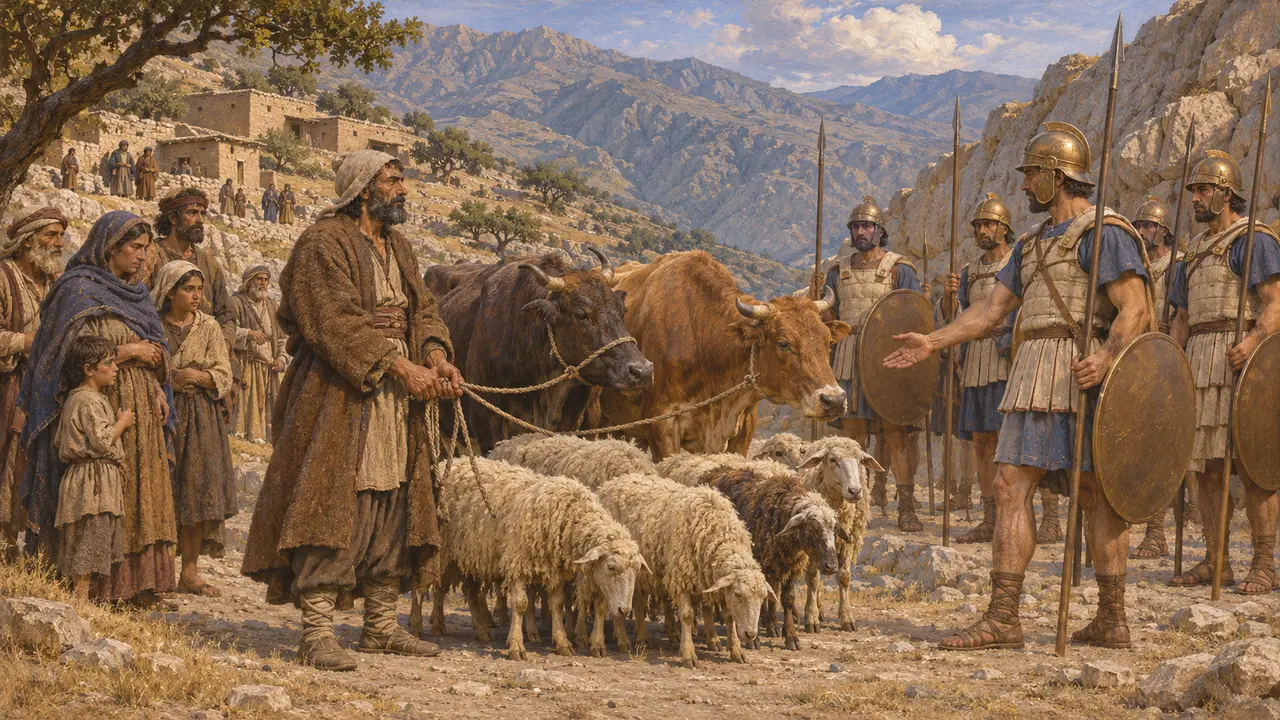
Ancient accountArrian and Diodorus say that Alexander broke the old arrangements by force. Arrian tells how he attacked the Uxians in 331 and imposed a tribute of livestock, and both describe his winter campaign of 324-323 against the Cossaeans. These are the fullest accounts of the hill peoples, but they were written centuries later from the histories of Alexander's side.
Arrian, Anabasis 3.17; Arrian, Anabasis 7.15; Diodorus 17.111
Sources
- Herodotus 1.125
- Strabo 11.13.6
- Arrian, Anabasis 3.17 and 7.15
- Diodorus 17.111
- P. Briant, From Cyrus to Alexander, 2002
- P. Briant, État et pasteurs au Moyen-Orient ancien, 1982