Encyclopedia › Soldiers and ships
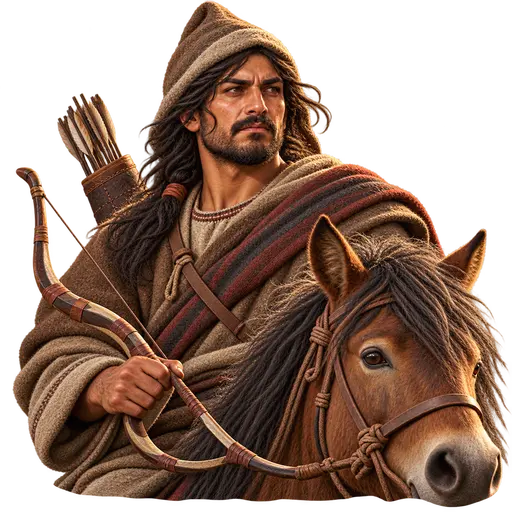
Hill Horse Archer
Mounted bowman among the King's enemies in the game, about 530-479 BCE
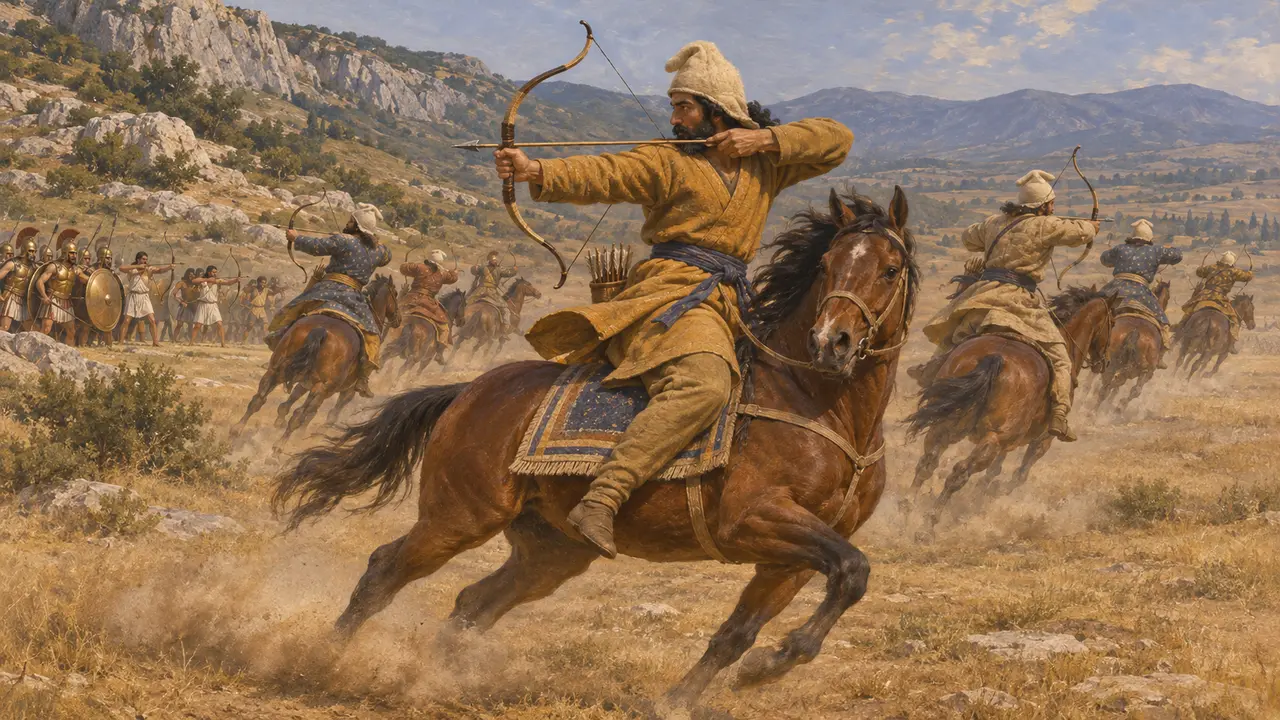
Horse archers shot from the saddle, rode in close, loosed their arrows and pulled back before foot soldiers could reach them. The Persians fought this way themselves, and the King met it among nomads and the Scythians beyond the Ister. The game's Hill Horse Archer is a composite of such enemies, not one people recorded in the sources.
In the game: His label changes by level; he circles the town's flanks, shoots and wheels away, and horsemen run him down while spearmen's shields stop his arrows. History was harsher: at Plataea mounted archers badly harassed Greek foot.
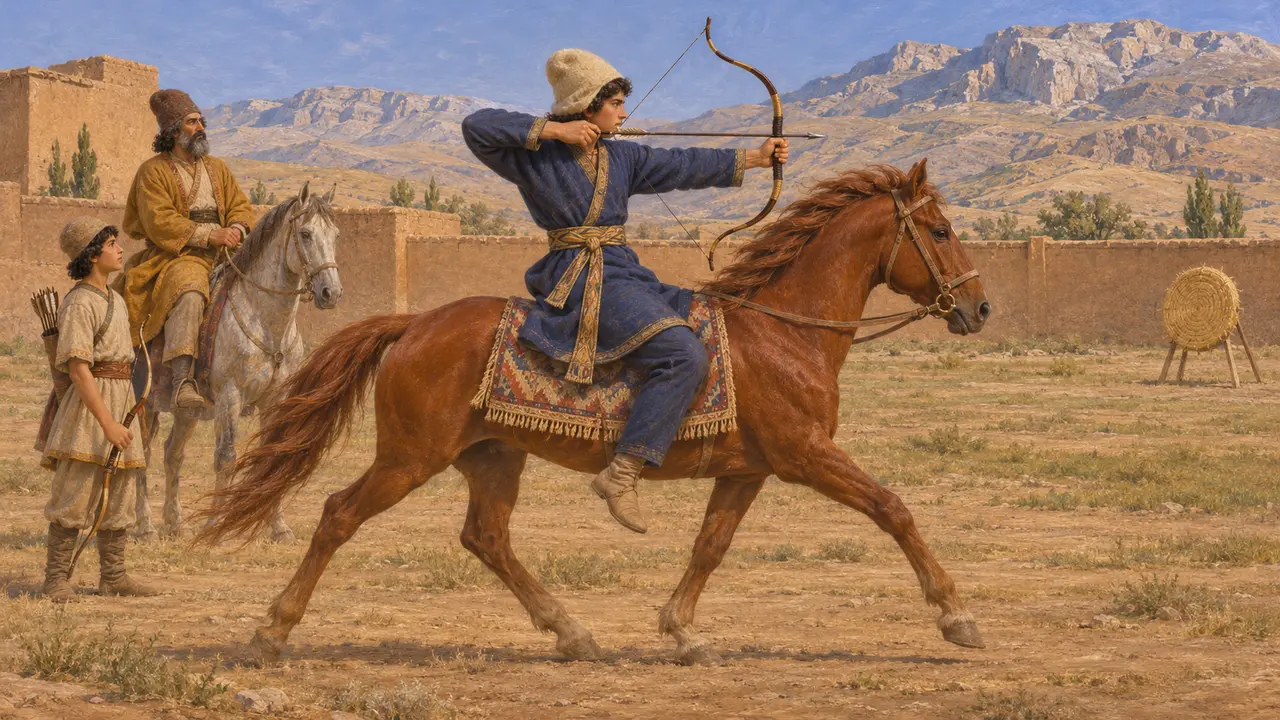
Riding and shooting among the Persians
Ancient accountHerodotus says Persian boys were taught three things from the age of five to twenty: to ride, to shoot with the bow and to speak the truth. In the Greek picture, then, riding and archery were part of a Persian upbringing. Herodotus also calls the Persian cavalry at Plataea mounted archers, so the King's own horsemen fought in the style the game gives to his enemies.
Herodotus 1.136; 9.49
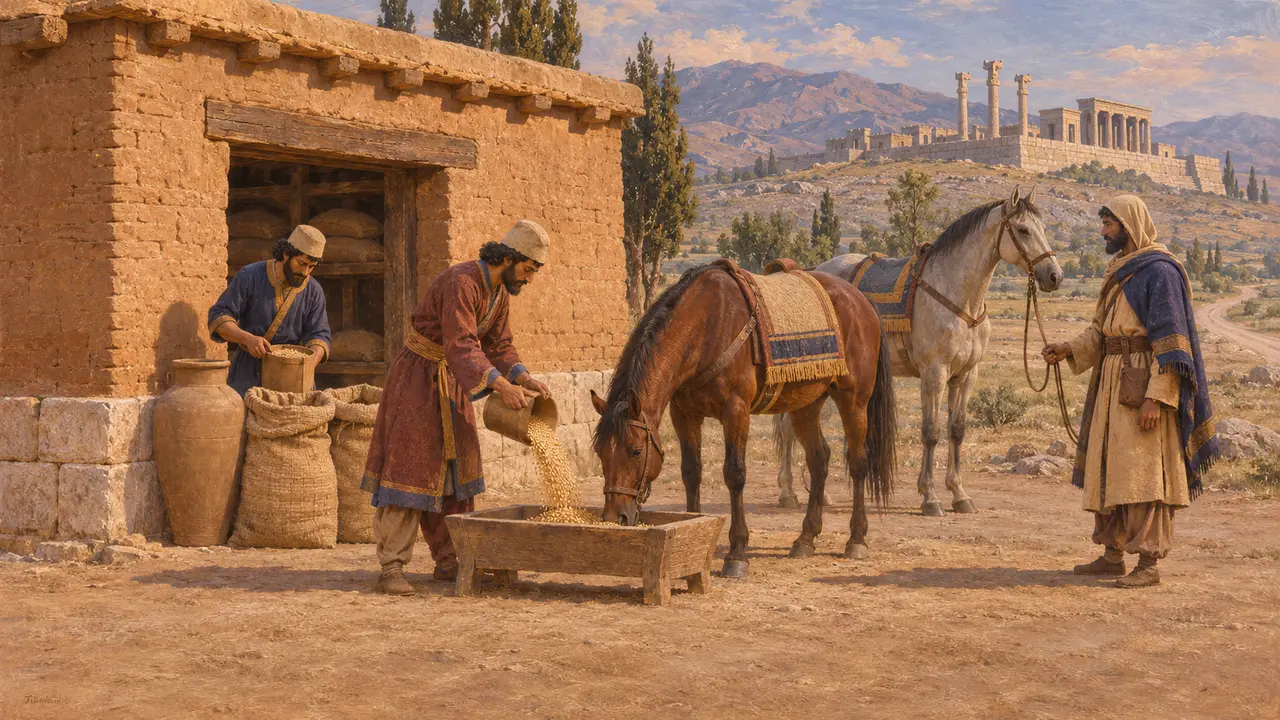
Fodder for horses in the tablets
In the recordThe Persepolis Fortification tablets were written mostly in Elamite between about 509 and 493 BCE. They record grain issued as fodder to horses and other animals, including animals moving along the roads. They show how closely the administration counted feed. They say nothing about hill raiders, but they help explain why mounted men cost far more to keep than men on foot.
R. Hallock, Persepolis Fortification Tablets, 1969
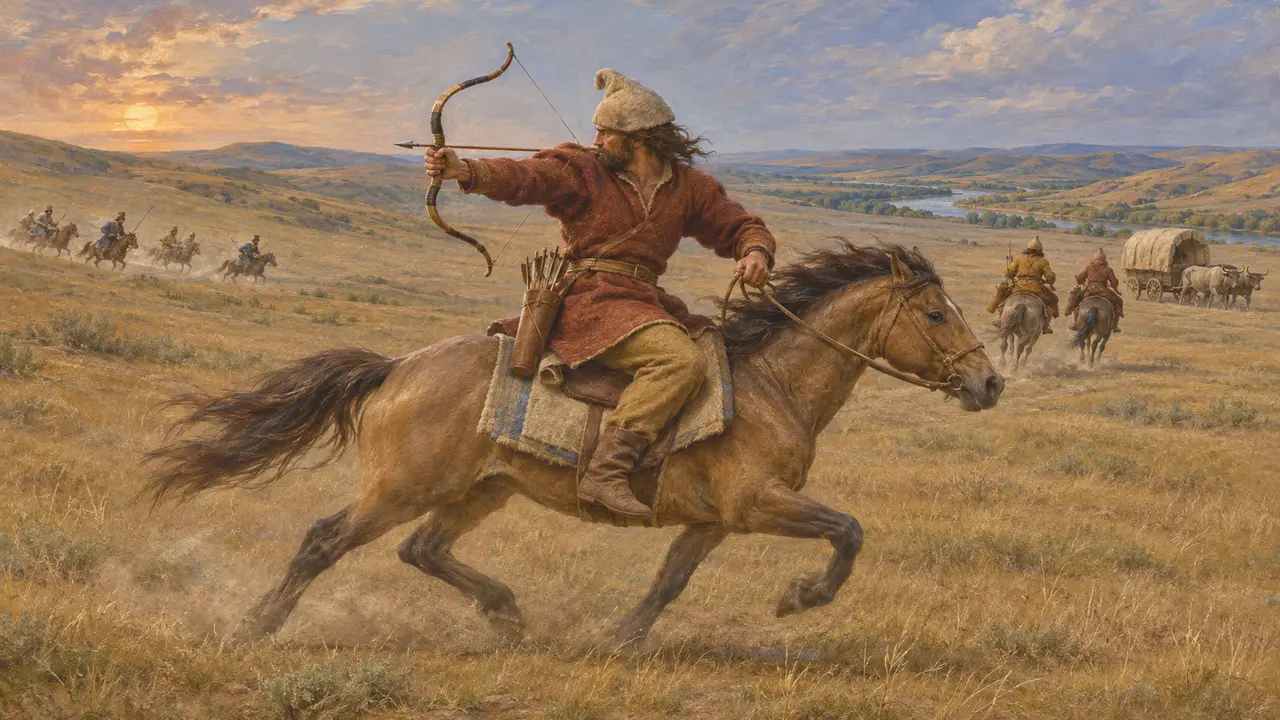
The Scythian way of war
Ancient accountHerodotus describes the Scythians as a people without towns or walls who lived from wagons and fought as mounted archers. He says that when Darius crossed the Ister in about 513 BCE, they refused battle, fell back, fouled wells and springs, and attacked Persian foragers with their cavalry. In his telling the Scythian horse regularly routed the Persian cavalry, and Darius at last withdrew across the river.
Herodotus 4.46; 4.120-134
Squadrons that shot and turned
Ancient accountHerodotus tells how Masistius led the Persian cavalry near Plataea in 479 BCE, attacking in squadrons that rode up in turn and pressed the Megarians hard. Athenian picked men and archers came up. Masistius's horse was shot and he was killed, and after a fight over his body the cavalry drew off. Later the horse, which Herodotus calls mounted archers, shot at the Greeks and choked the Gargaphia spring.
Herodotus 9.20-25; 9.49
Did the hill peoples fight on horseback
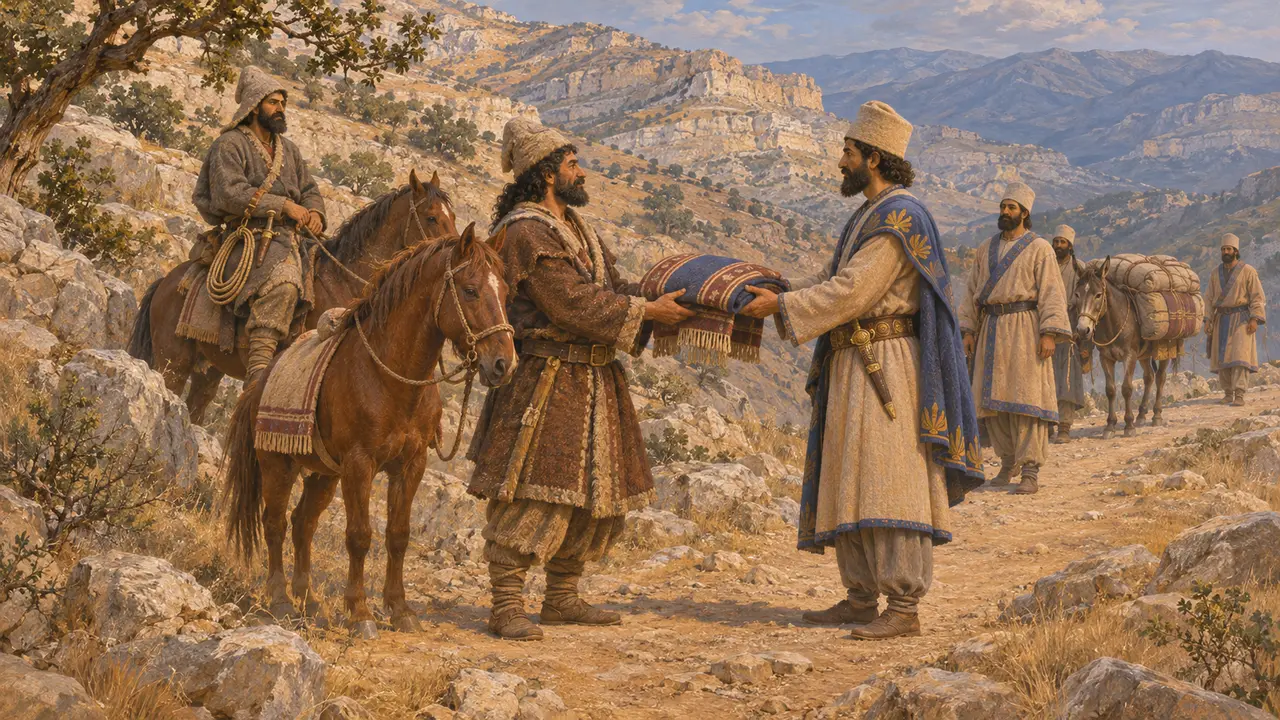
DisputedHerodotus counts the Mardians and Sagartians among the nomad Persian tribes, and says the Sagartians rode for Xerxes with lassos and daggers, not bows. Arrian says the Uxians of the Zagros took payment from the King for passage. Greek writers read this as royal weakness, while Briant argues it was a negotiated exchange of gifts. No source shows these hill peoples as horse archers, so the game's unit borrows that style.
Herodotus 1.125; 7.85; Arrian, Anabasis 3.17; P. Briant, From Cyrus to Alexander, 2002
Sources
- Herodotus, Histories 1.125; 1.136; 4.46; 4.120-134; 7.85; 9.20-25; 9.49
- Arrian, Anabasis 3.17
- R. Hallock, Persepolis Fortification Tablets, 1969
- P. Briant, From Cyrus to Alexander, 2002