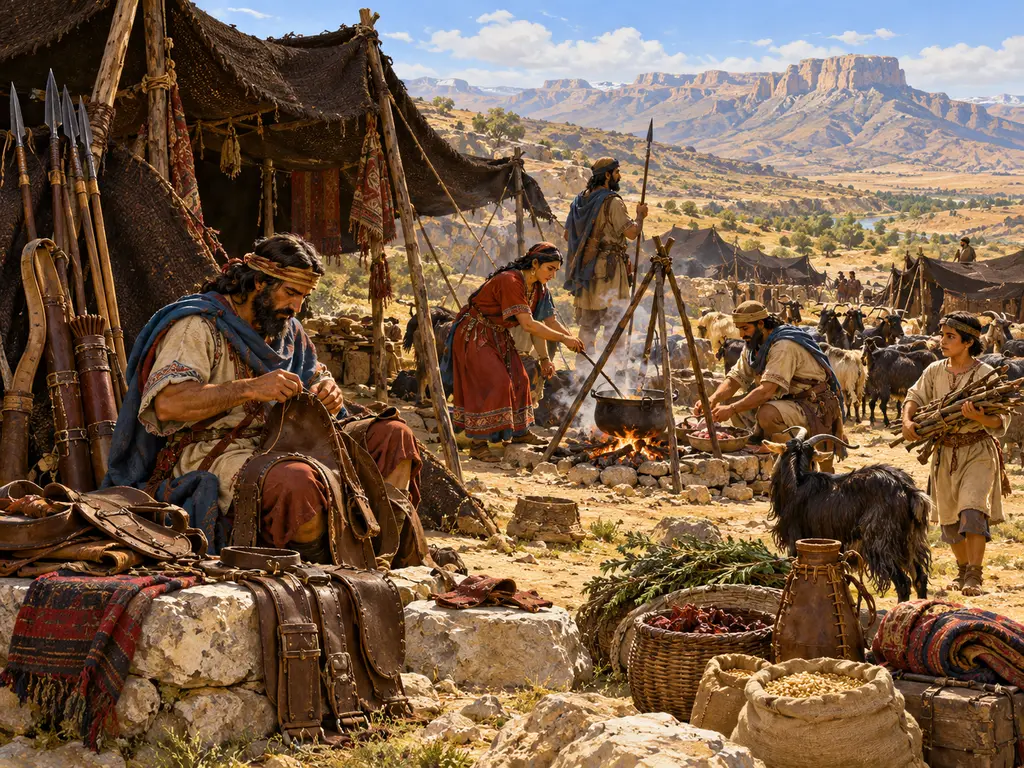
Hill Raider Camp
Encampment of the mountain peoples of Persis and the Zagros, 6th-5th century BCE
The mountains around Persis and along the road from Susa were home to herding peoples who lived partly outside the King's direct rule. Greek writers call them robbers who took payment from travellers in the passes. The game's raider camp stands for these communities, although the sources suggest their relations with the Persian kings were more complicated than simple raiding.
In the game: The camp stands on the level's map and is not built by the player: tents hidden behind a stake fence, which must be burned to stop raids. This is a simplification, since the sources also record kings paying such peoples.
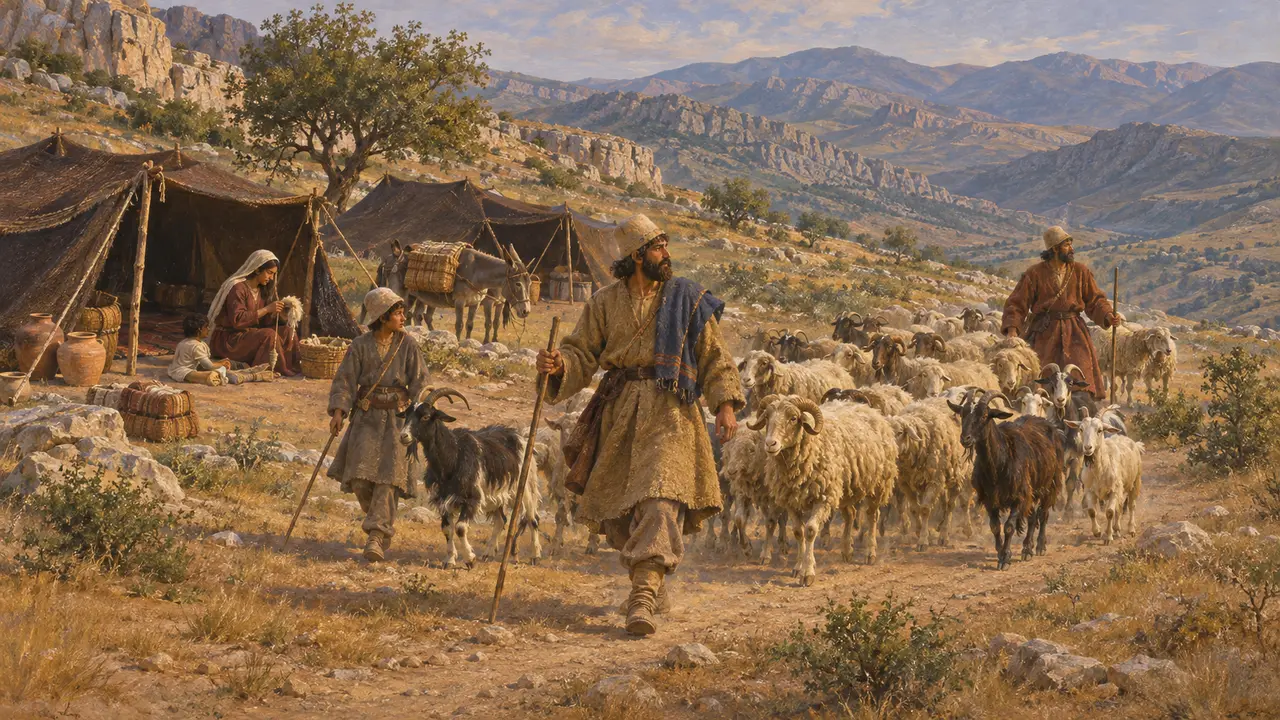
Herders among the Persian tribes
Ancient accountHerodotus lists the tribes of the Persians and says that some were farmers while others, among them the Dai, Mardians and Sagartians, were nomads. This suggests that tents and moving herds were part of life in Persis itself, not only on its edges. He gives no description of their camps.
Herodotus 1.125
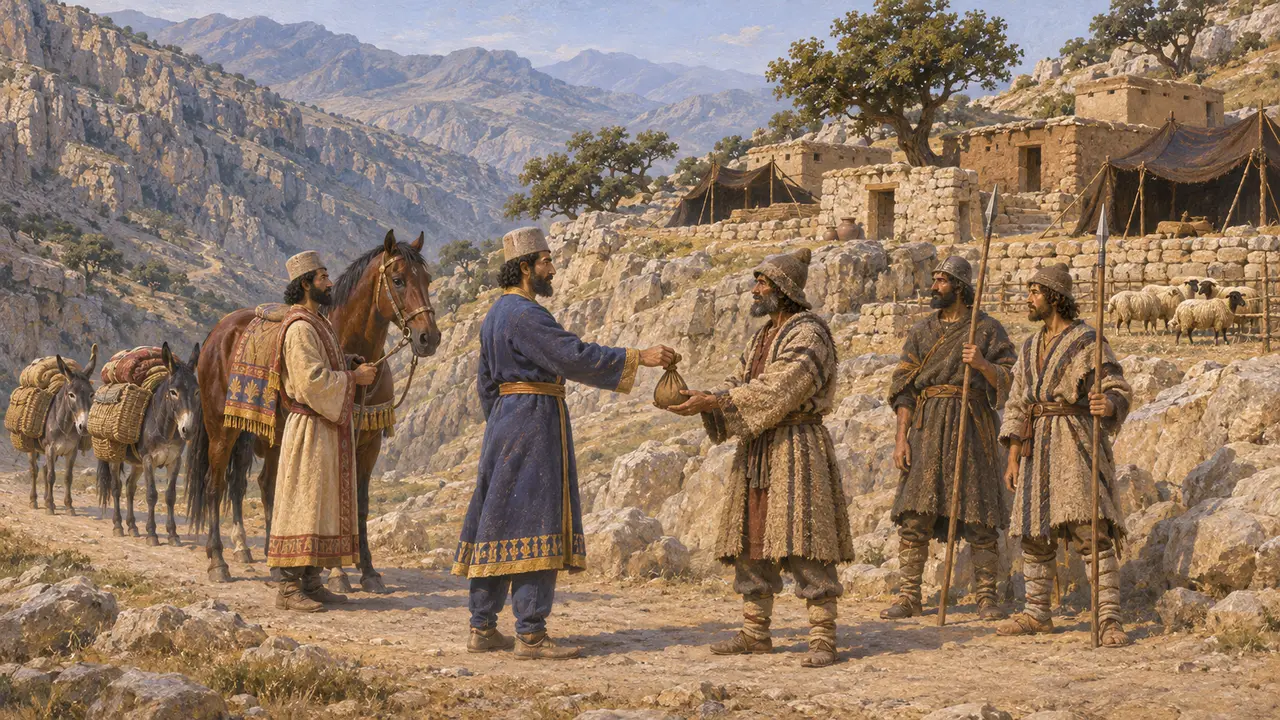
The Uxians and the toll of the pass
Ancient accountArrian says that the Uxian hill people held the pass between Susa and Persepolis and had received payment from the Persian kings whenever they went through. When Alexander came in late 331 they asked the same of him. He attacked their villages and forced them to pay a yearly tribute in horses, pack animals and sheep instead. Diodorus tells a similar story.
Arrian, Anabasis 3.17; Diodorus 17.67
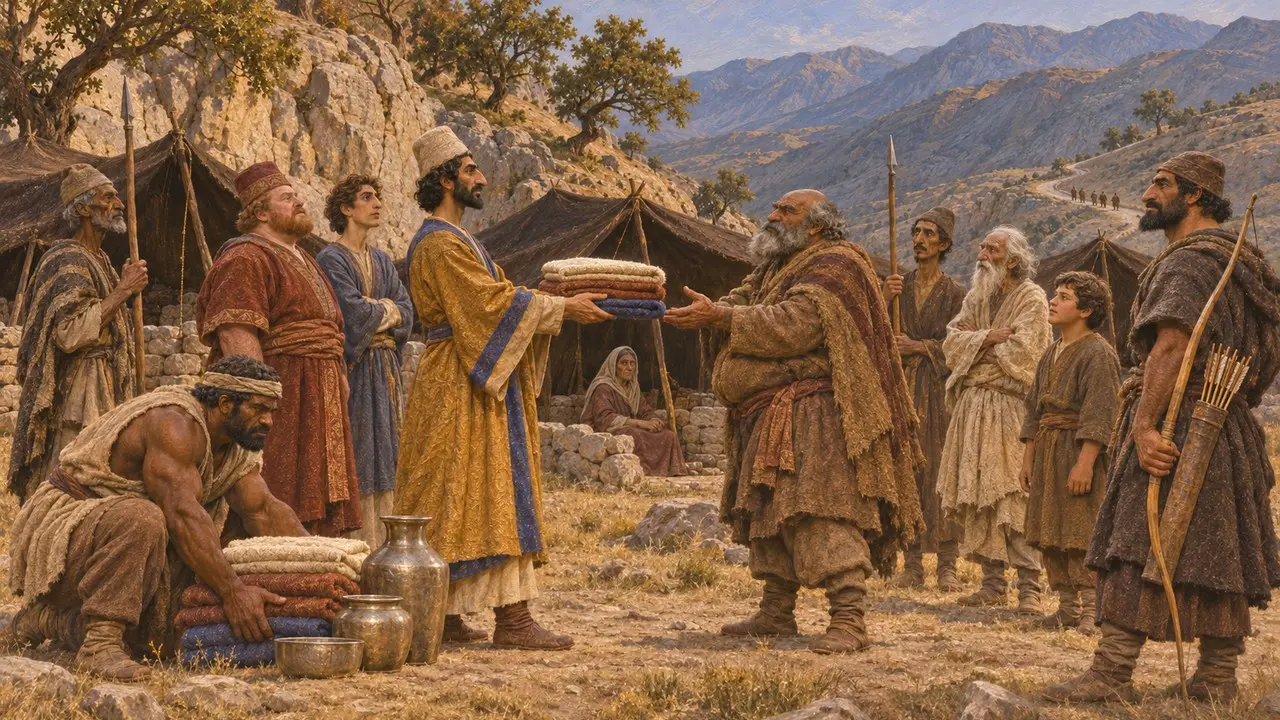
Cossaeans, Mardians and the kings' gifts
Ancient accountStrabo, drawing on Nearchus, writes that the Cossaeans of the Zagros received gifts from the kings when the court moved between Ecbatana and Babylon. Nearchus, as reported by Arrian, groups the Uxians, Mardians and Cossaeans together as peoples living by plunder. Alexander campaigned against the Cossaeans in the winter of 324-323.
Strabo 11.13.6; Arrian, Indica 40; Arrian, Anabasis 7.15
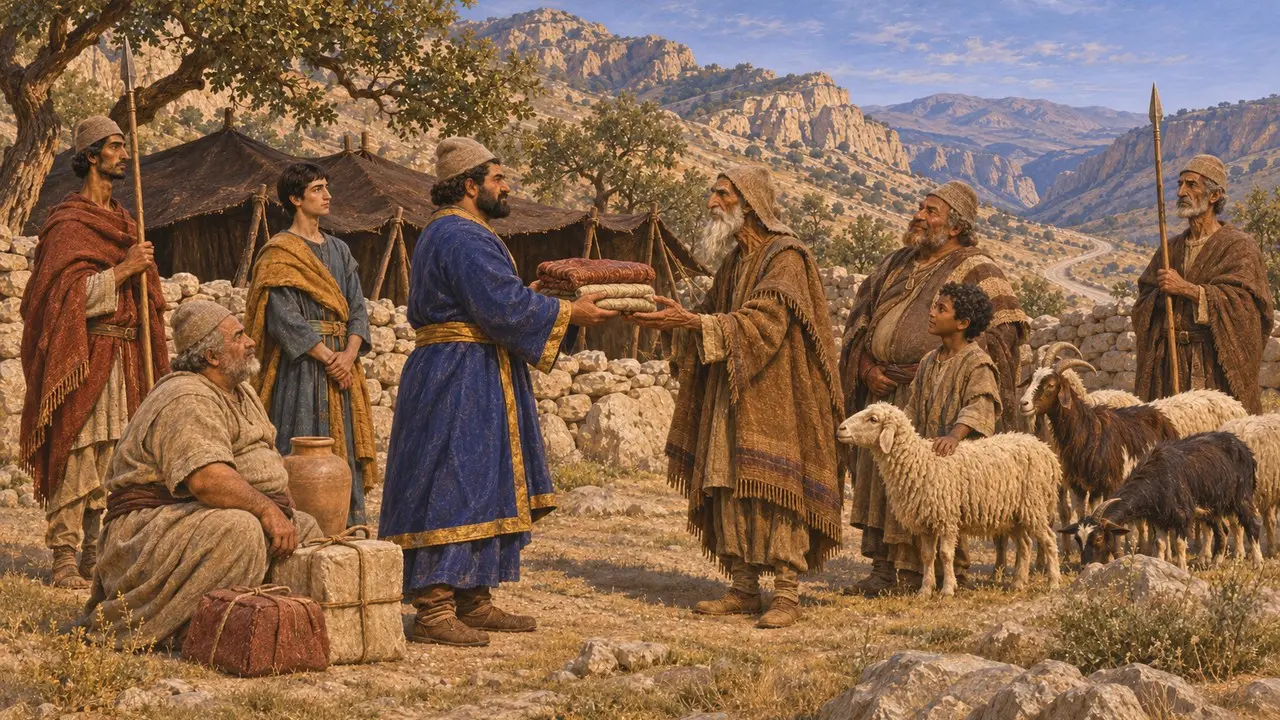
Robbers or partners of the King
DisputedThe reports of payments come from Alexander's historians and later Greek writers, who saw the mountain peoples through his campaigns. Pierre Briant argued that the payments were not ransom to bandits but a regular exchange of gifts that bound the herding peoples to the King and kept the routes open. Others see more real tension and violence. No camp of such raiders from the Achaemenid period has been identified by excavation.
P. Briant, État et pasteurs au Moyen-Orient ancien, 1982; P. Briant, From Cyrus to Alexander, 2002
Sources
- Arrian, Anabasis 3.17
- Strabo 11.13.6
- Herodotus 1.125
- Arrian, Indica 40
- P. Briant, From Cyrus to Alexander, 2002
- P. Briant, État et pasteurs au Moyen-Orient ancien, 1982