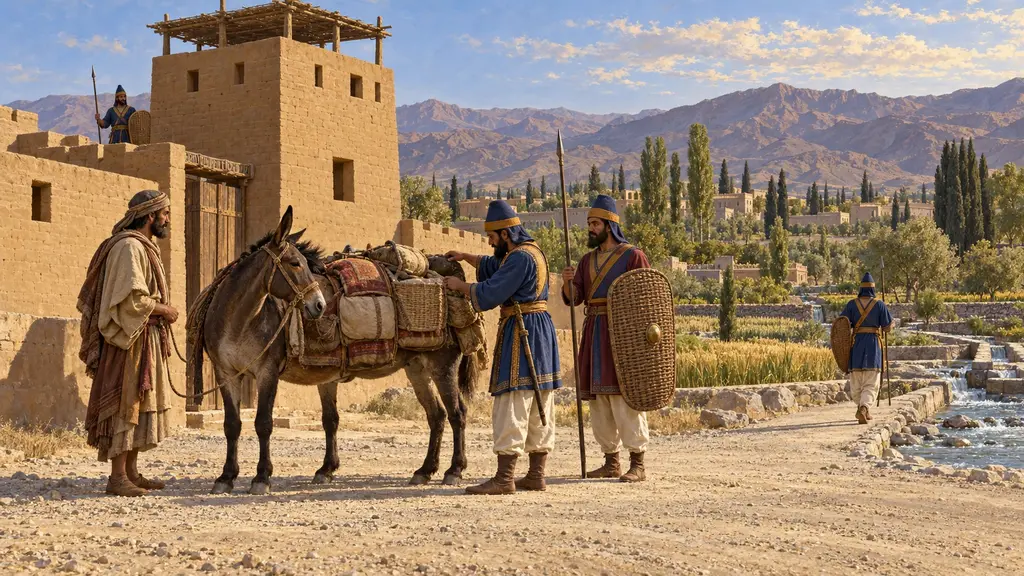
Guard-post
A guarded crossing, gate or fort in the Achaemenid empire, 6th-5th century BCE
The Persian kings kept soldiers at bridges, river crossings, mountain gates and frontier forts. These posts held the routes that tied the empire together and controlled who passed. Greek writers describe the guarded gates, and Persian administrative records show how royal travellers were authorised and fed along the way.
In the game: The game places guards at a post, as on the Royal Road. Their rounds through town, keeping houses peaceful, are a dramatization: the evidence shows guards at crossings and forts, not street patrols in towns.
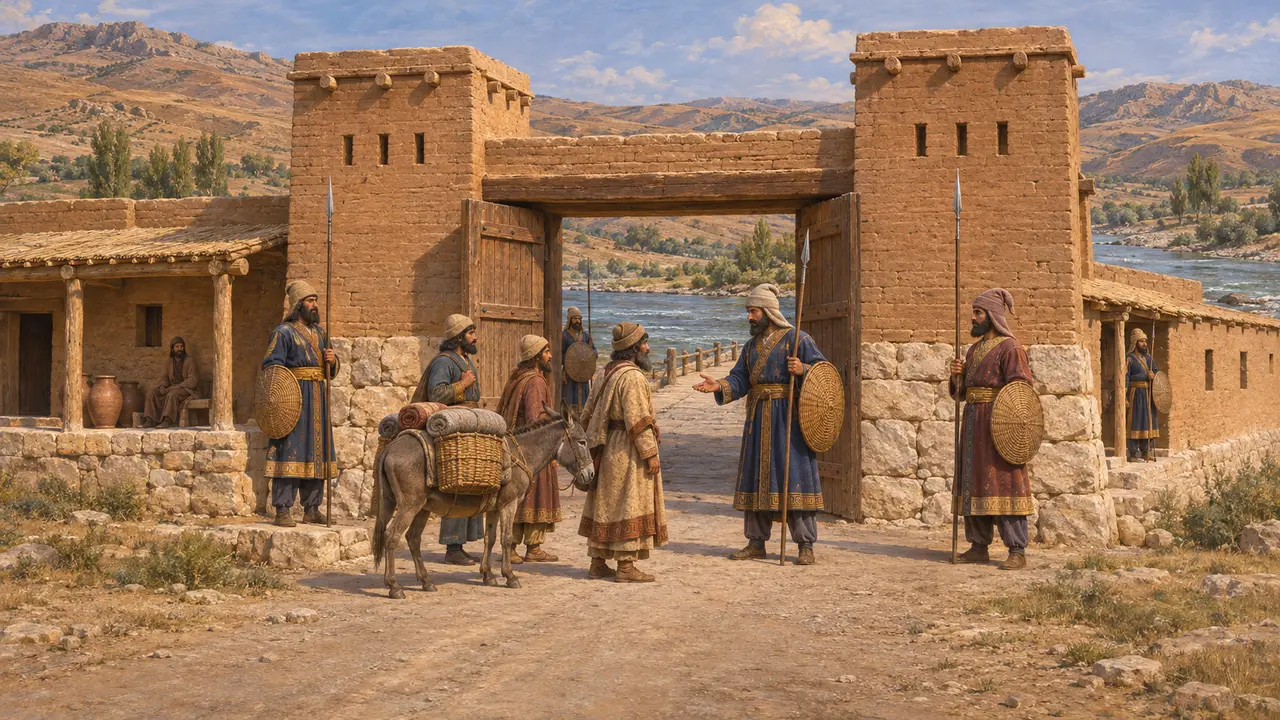
Gates and guards on the Royal Road
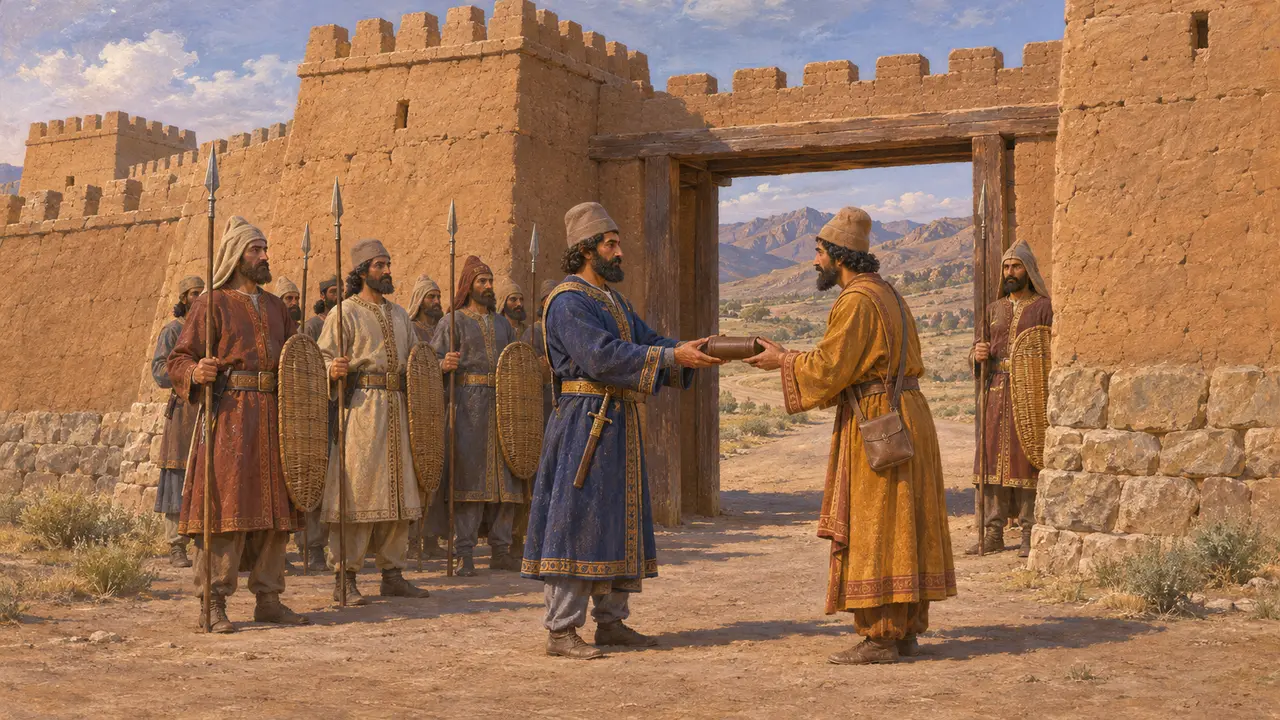
Ancient accountHerodotus describes the road from Sardis to Susa with its royal stations and lodgings. He says that at the Halys river travellers had to pass through gates held by a strong guard-post, and that on entering Cilicia there were two gates and two guard-posts. Where he got this description is debated: it may draw on a Persian itinerary or on the reports of Greek travellers.
Herodotus 5.52
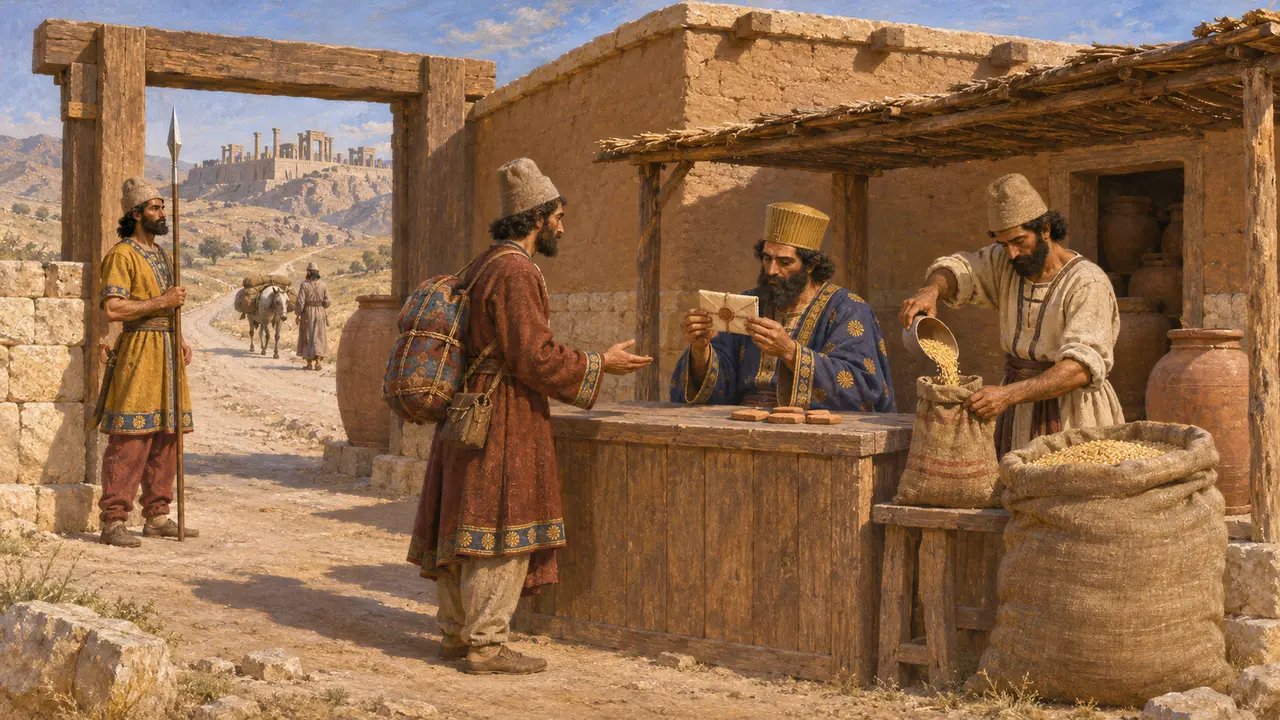
Sealed documents and travel rations
In the recordThe Persepolis Fortification tablets, from about 509 to 493, record travellers drawing rations at supply points along the roads on the strength of a sealed document, called halmi in Elamite, issued by the King or a high official. The tablets often note where a party came from and where it was going. An Aramaic letter of the satrap Arshama, from the later 5th century, authorised rations for his steward from officials at named places along his journey.
R. T. Hallock, Persepolis Fortification Tablets, 1969; G. R. Driver, Aramaic Documents of the Fifth Century B.C., 1954
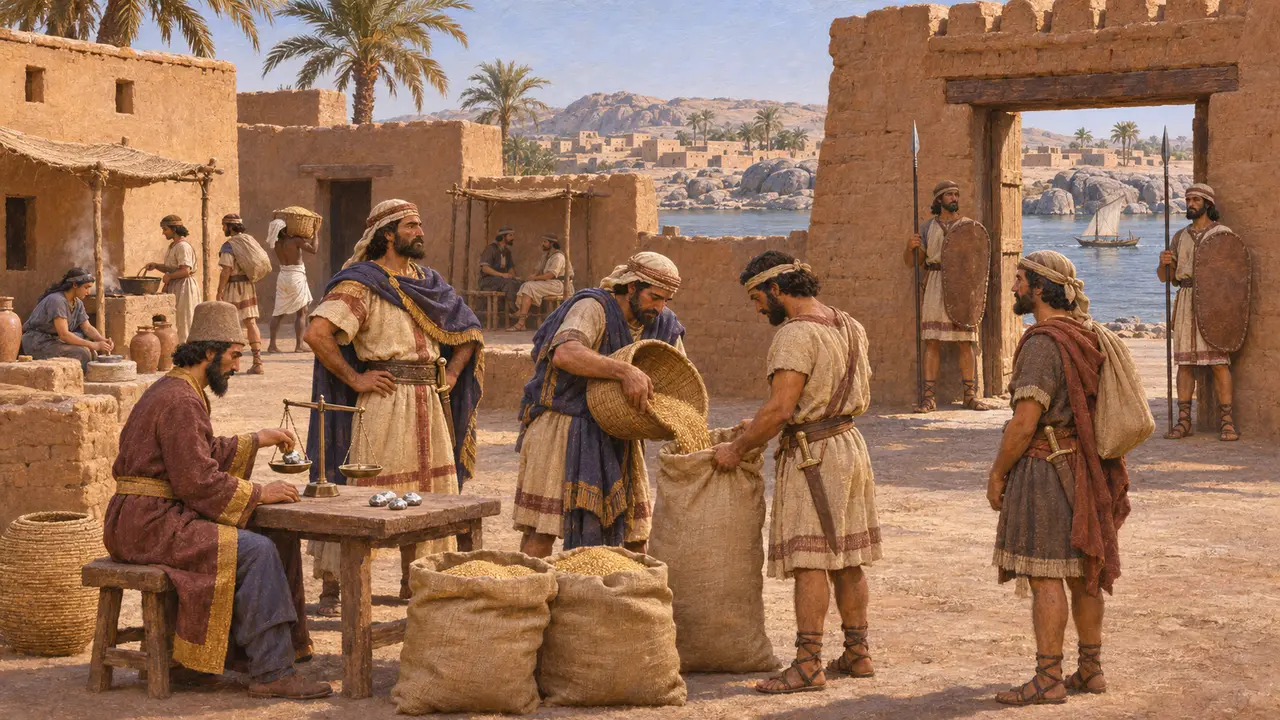
The garrison at Elephantine
In the recordThe Elephantine papyri, most of them from the 5th century, show a garrison on Egypt's southern border, with Judean soldiers on the island of Elephantine and Aramaeans at Syene across the river. The soldiers were organised in units under commanders and received rations and silver. Their letters and contracts show a settled military community serving the Persian administration of Egypt.
B. Porten, Archives from Elephantine, 1968
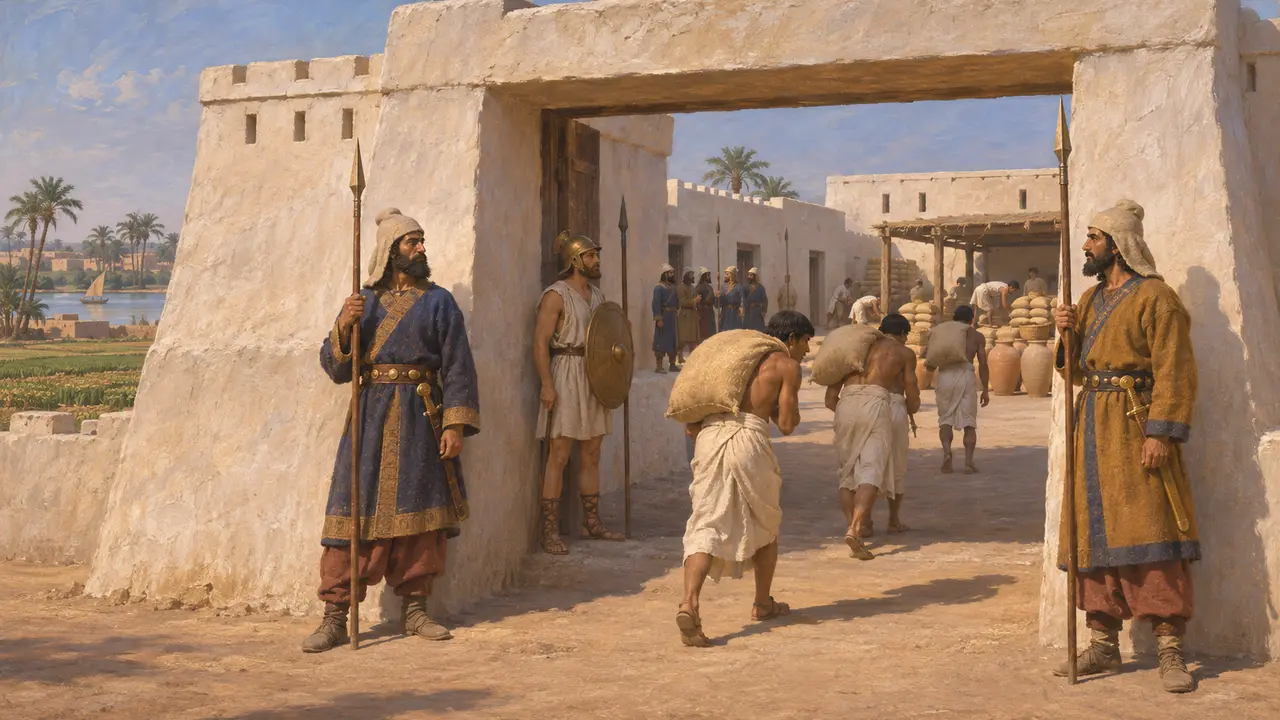
Persian guards in Egypt
Ancient accountHerodotus says that in his day the Persians kept guards at Elephantine and at Daphnae, in the same places where the Saite king Psammetichus had posted them. He also mentions Persians and their hired troops quartered in the White Fort at Memphis, fed with grain from the Egyptian tribute.
Herodotus 2.30; Herodotus 3.91
Who commanded the forts
DisputedXenophon says that Cyrus kept the commanders of garrisons separate from the satraps and answerable to the King alone, so that no governor held all the armed force of a province. The Cyropaedia is an idealised portrait, and historians debate how far this division held in practice. Modern studies, Briant's among them, point to cases where satraps clearly commanded troops and forts in their provinces.
Xenophon, Cyropaedia 8.6.1; P. Briant, From Cyrus to Alexander, 2002
Sources
- Herodotus 5.52
- R. T. Hallock, Persepolis Fortification Tablets, 1969
- B. Porten, Archives from Elephantine, 1968
- P. Briant, From Cyrus to Alexander, 2002
- D. Graf, The Persian Royal Road System, 1994
- Xenophon, Cyropaedia 8.6.1