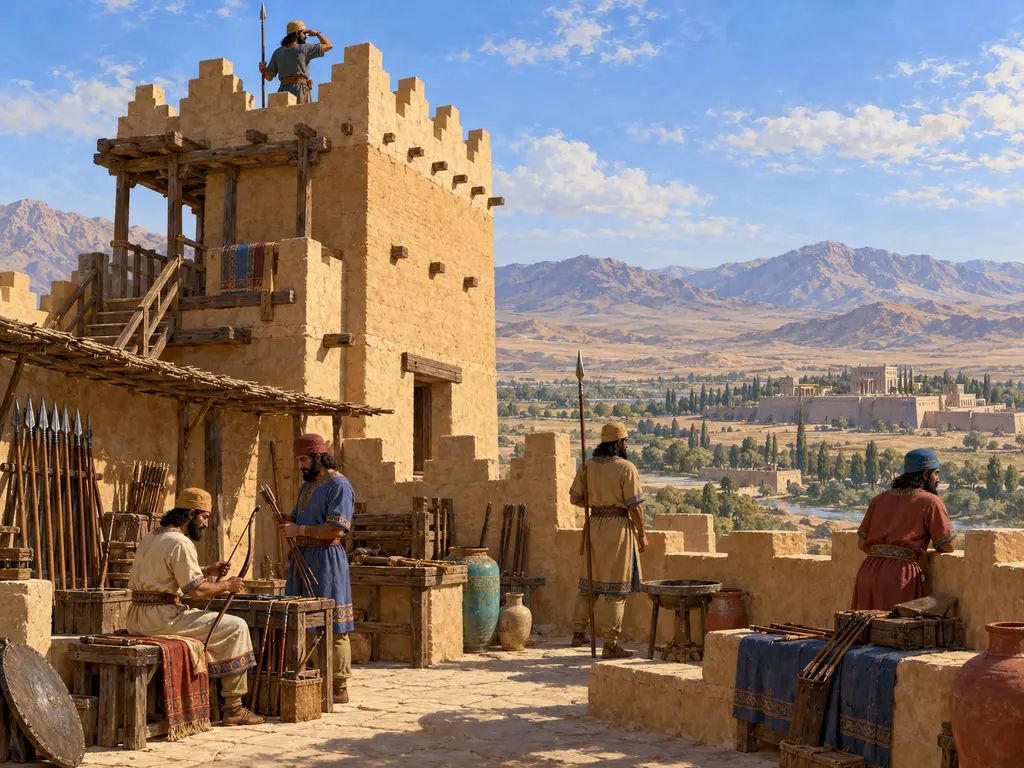
Watchtower
Lookout and signal post on roads and frontiers, Persian empire, 6th-5th century BCE
Forts, garrisons and lookout posts guarded the roads, river crossings and frontiers of the Persian empire. Their men watched for trouble, and Greek writers describe warnings passed by fire or by shouting from height to height. Few single towers of the period have been excavated, but documents and Greek writers show that guarded posts and signals were part of how the King held his lands.
In the game: Two guards shoot raiders within eight cells and light a beacon when raiders gather; it needs a road, and masons repair it. Real lookouts probably sat in garrisoned forts, and kings sometimes paid hill peoples instead.
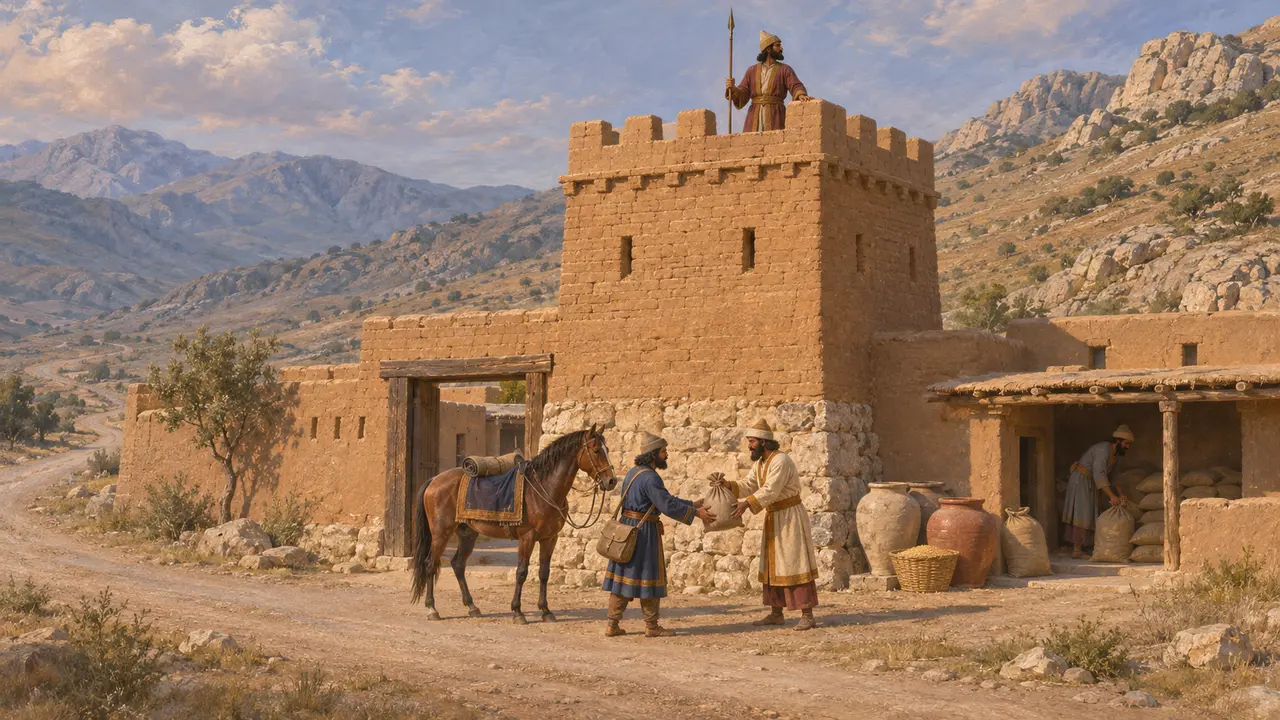
Fortified places in the Persepolis tablets
In the recordThe Elamite tablets of the Persepolis Fortification archive, written between about 509 and 493, mention fortified places in Persis and Elam. The Elamite word halmarriš is usually translated as fortress or fortified settlement. The same archive records rations issued to travellers, guides and express messengers on the roads, which shows a route network supplied and overseen by the administration.
R. Hallock, Persepolis Fortification Tablets, 1969; W. Henkelman, The Other Gods Who Are, 2008
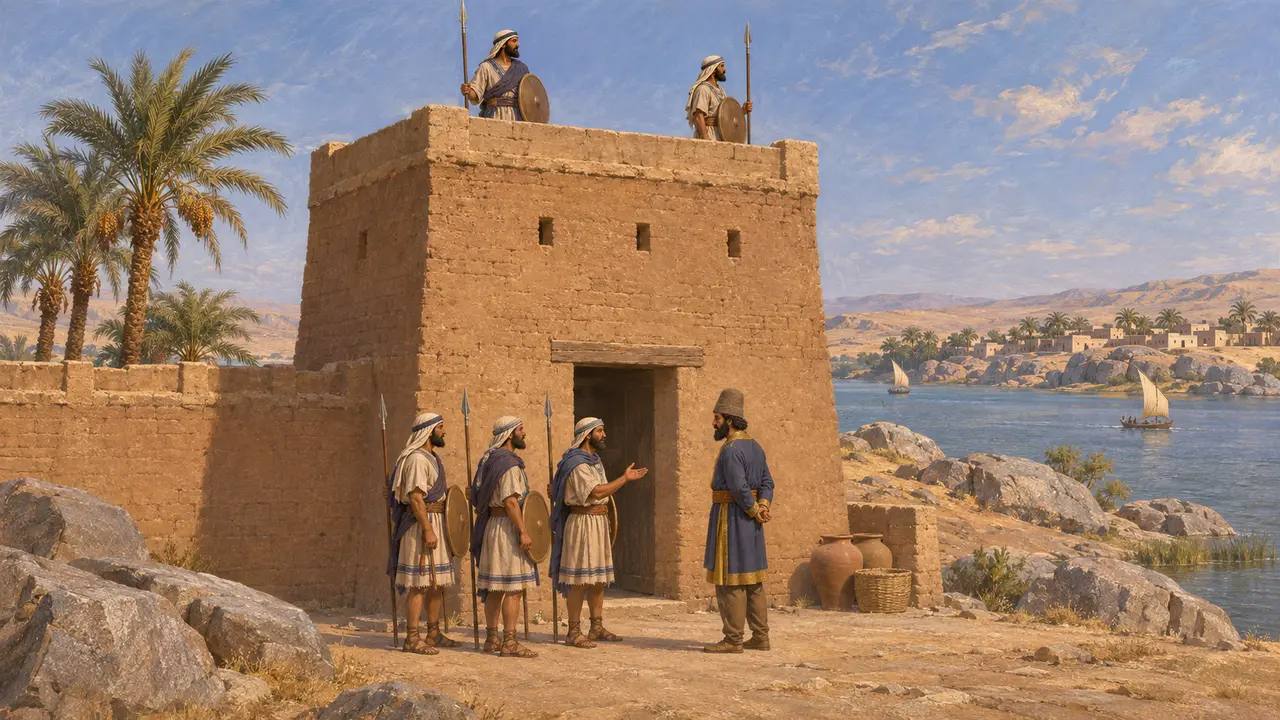
The garrison of Elephantine
In the recordAramaic papyri from Elephantine, at Egypt's southern border, describe a garrison of Judaean soldiers in the fortress of Yeb, with Aramaeans based mainly at nearby Syene. The soldiers were organised in units under commanders with Iranian, Babylonian and other names. The papyri date mostly from the later 5th century, after the period of the game, but they show the empire keeping soldiers permanently at frontier points.
B. Porten, Archives from Elephantine, 1968
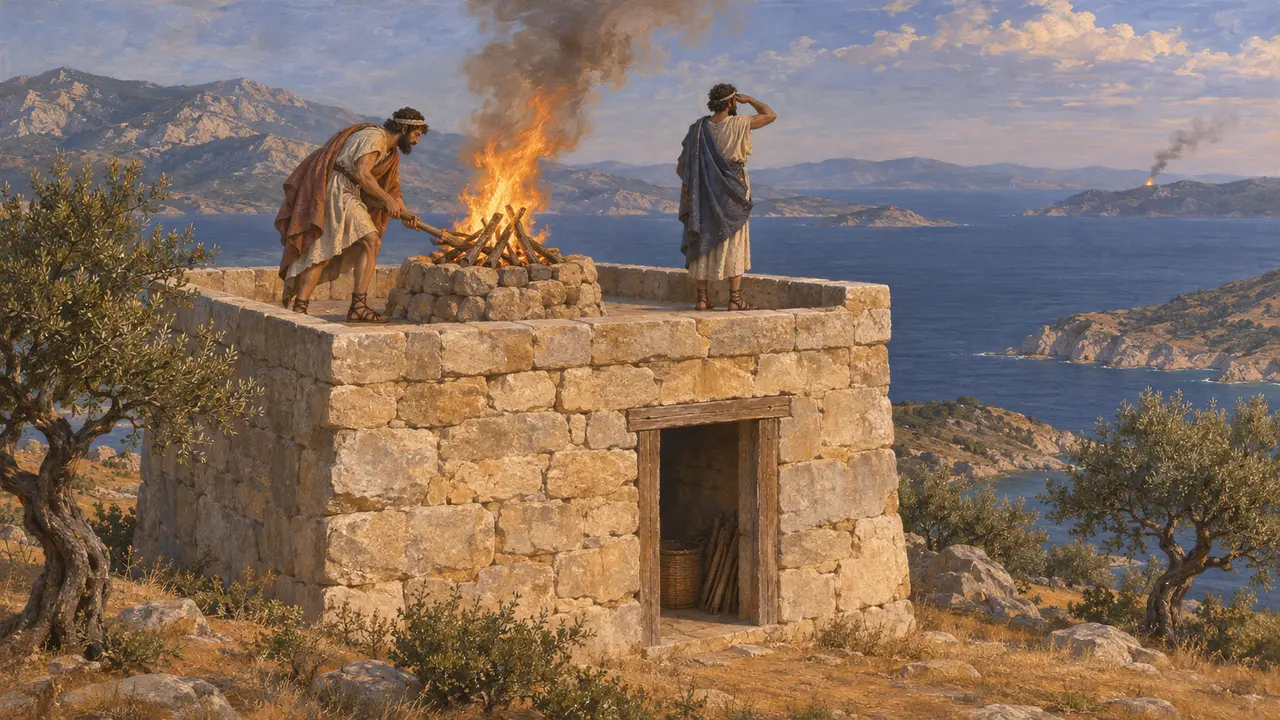
Fire signals in Herodotus
Ancient accountHerodotus says that in 479 Mardonius hoped to send word to Xerxes at Sardis that he had taken Athens a second time, using fire signals passed across the islands. He also says that in 480, when Persian ships captured Greek guard ships off Skiathos, the news reached the Greek fleet at Artemisium by fire signals from the island. Both stories show that beacon chains were a familiar way to send warning quickly.
Herodotus 9.3; Herodotus 7.183
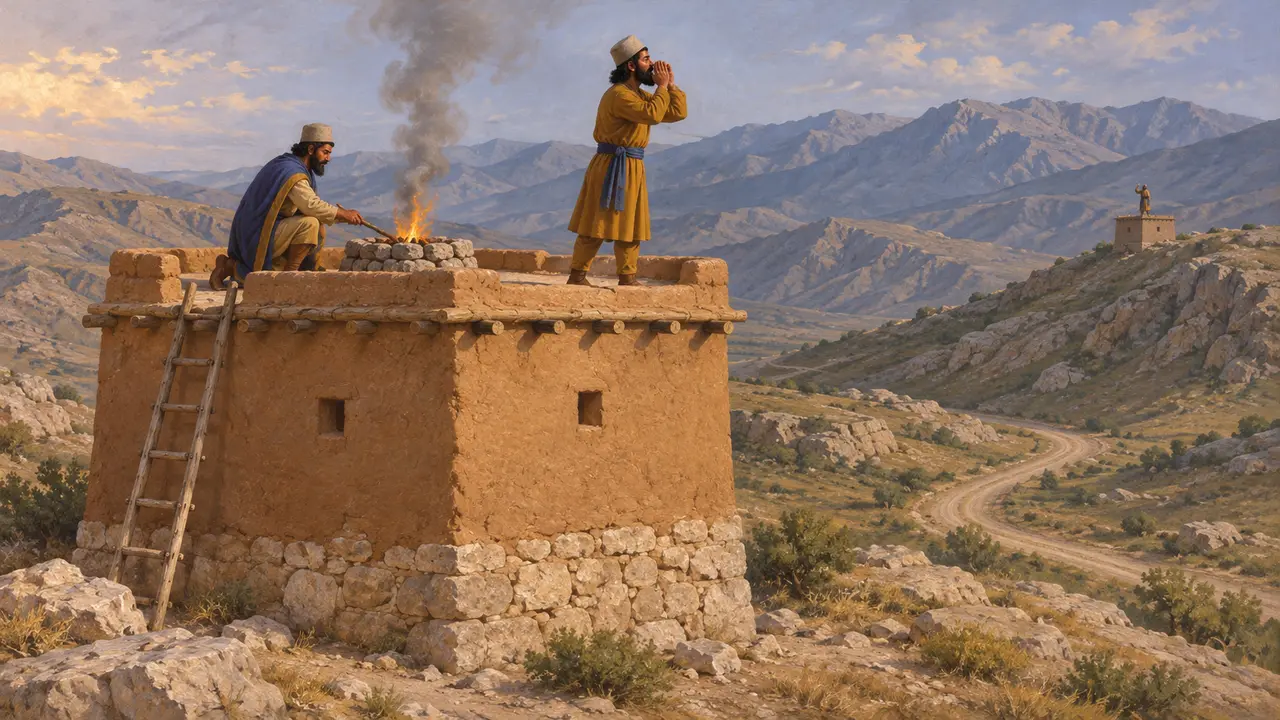
Was there an imperial beacon network
DisputedDiodorus describes lookouts in Persis under the Macedonian governor Peucestas in 317, who shouted messages from height to height so that news crossed a month's journey in a day. The treatise On the World, wrongly attributed to Aristotle, claims beacons brought the King news from all his lands within a day. Many historians think these are late and exaggerated, and that signal chains were local or set up for campaigns rather than one standing network.
Diodorus 19.17; [Aristotle], On the World; P. Briant, From Cyrus to Alexander, 2002
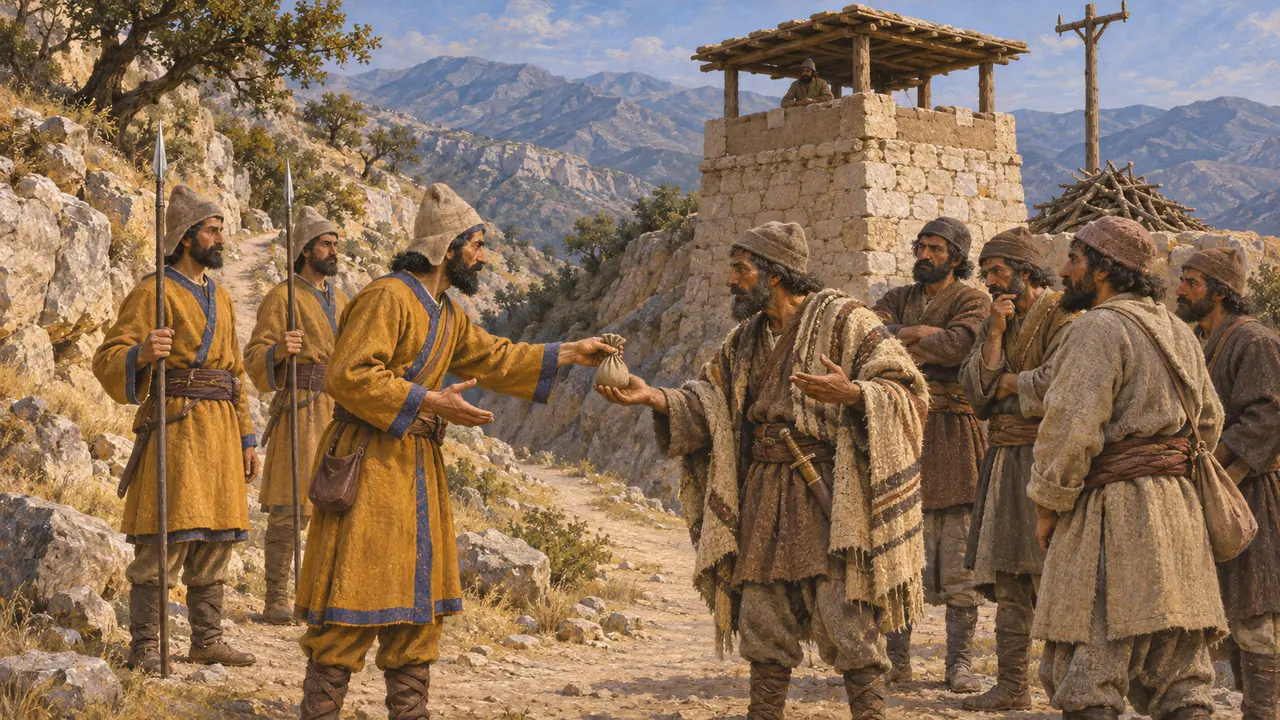
Hill peoples on the roads of Persis
Ancient accountArrian says that the Uxians, a hill people between Susa and Persis, demanded payment from Alexander in 331 for passage through their mountains, as they had received it from the Persian king. Alexander forced them to submit. His account suggests that keeping the roads of the homeland open could mean bargaining with hill peoples as well as watching them.
Arrian, Anabasis 3.17
Sources
- Herodotus, Histories
- R. Hallock, Persepolis Fortification Tablets, 1969
- P. Briant, From Cyrus to Alexander, 2002
- B. Porten, Archives from Elephantine, 1968
- Diodorus 19.17
- Arrian, Anabasis 3.17