Encyclopedia › Battles and events
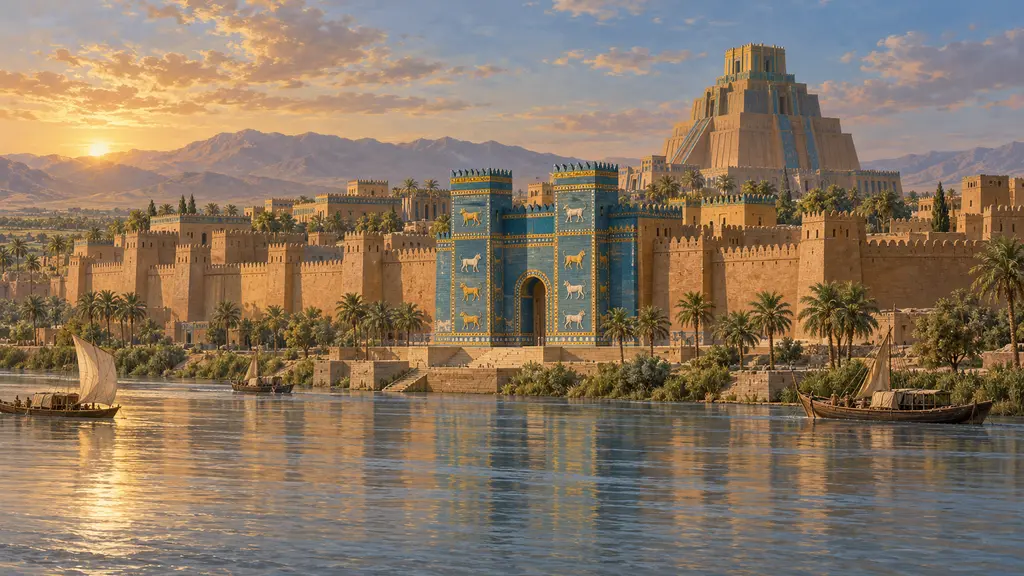
The fall of Babylon
Cyrus's capture of the Babylonian kingdom at Opis and Babylon, 539 BCE
In the game: Level 1: The Founder's Tomb
In autumn 539 Cyrus defeated the army of the Babylonian king Nabonidus at Opis on the Tigris. Soon after, his troops entered Babylon without a fight. The conquest gave Cyrus the rich kingdom of Babylonia, with its temples, archives, irrigated fields and western provinces as far as the Mediterranean, and he ruled it as king of Babylon.
In the game: The game marks the fall with a Chronicle entry as Babylonian barley reaches Pasargadae. It pairs the Cylinder with Ezra 1 on the return of exiles, though the Cylinder never names the Judeans.
What the Nabonidus Chronicle records
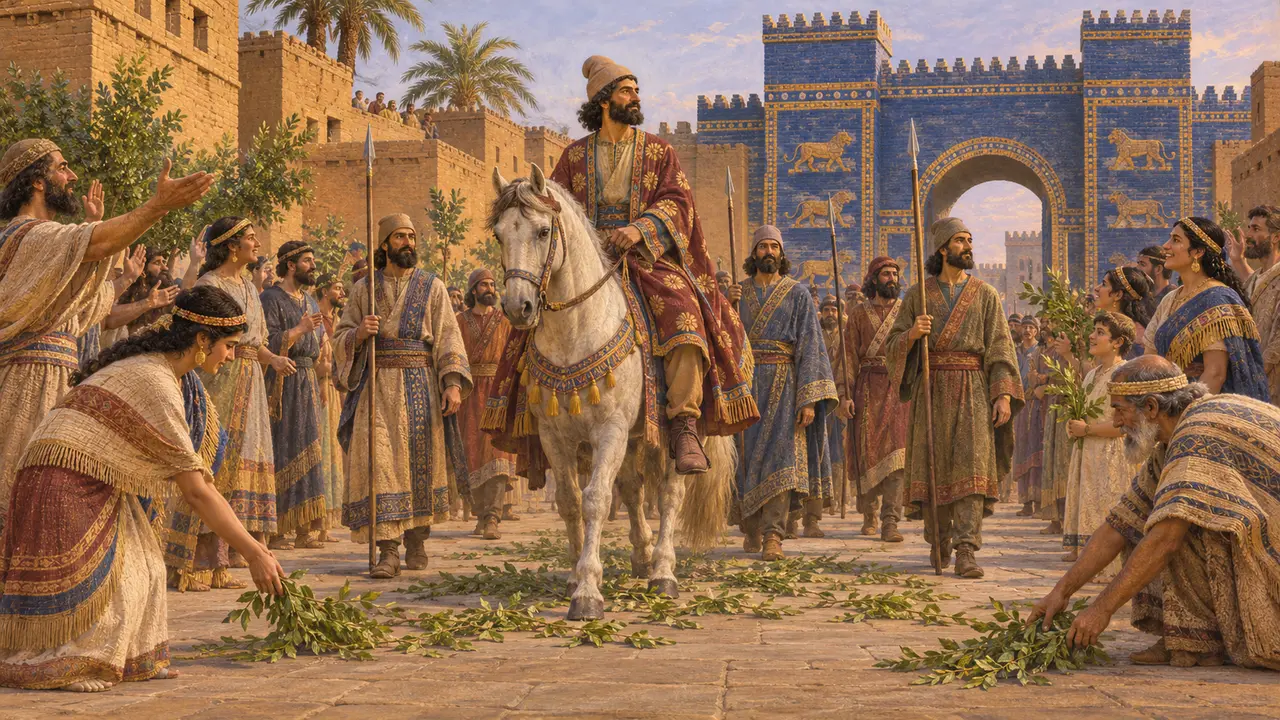
In the recordAccording to the chronicle, in the month Tashritu, about October 539, Cyrus fought the army of Akkad at Opis, routed it, took plunder and killed people. Sippar fell without battle on the 14th, and on the 16th Ugbaru, governor of Gutium, entered Babylon with Cyrus's army, also without battle. Nabonidus, who had fled, was later captured there. Cyrus himself entered on 3 Arahsamnu, when green twigs were spread before him and peace was proclaimed in the city.
Nabonidus Chronicle (ABC 7)
Cyrus's own version on the cylinder
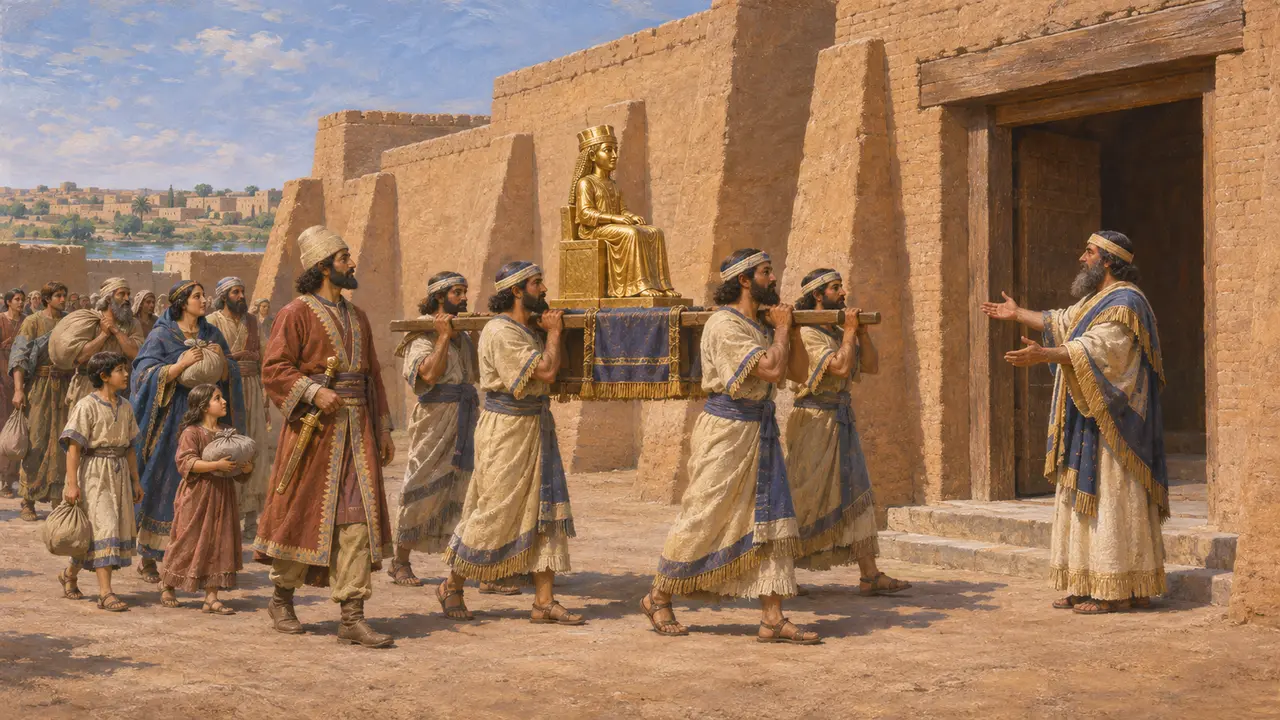
In the recordThe clay cylinder was found at Babylon in 1879 and is now in the British Museum. It was written in Babylonian cuneiform in Cyrus's name. It says that Marduk, angered by Nabonidus's neglect of his cult, chose Cyrus and let him enter Babylon without battle. It claims that Cyrus returned gods to their shrines in cities beyond the Tigris, such as Ashur, Susa and Der, and gathered their people back to their homes.
Cyrus Cylinder (BM 90920)
Herodotus and Xenophon on the river entry
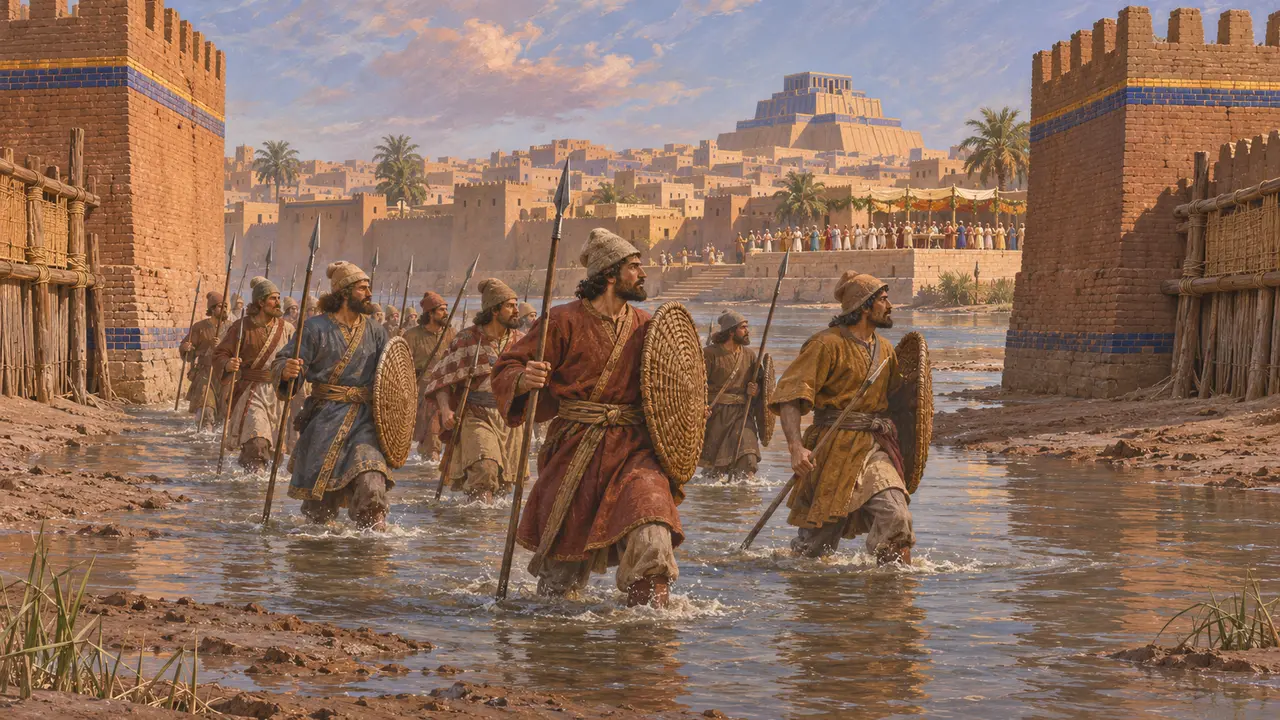
Ancient accountHerodotus says Cyrus beat the Babylonians in battle outside the city, then drew off the Euphrates into a basin so that his men could wade in along the riverbed. He adds that the city was so large that people in the centre went on celebrating a festival, unaware it had fallen. Xenophon's Cyropaedia, more a moral work than a history, tells a similar tale in which the king is killed, although the Chronicle says Nabonidus was taken alive.
Herodotus 1.188-191; Xenophon, Cyropaedia 7.5
Liberation or propaganda
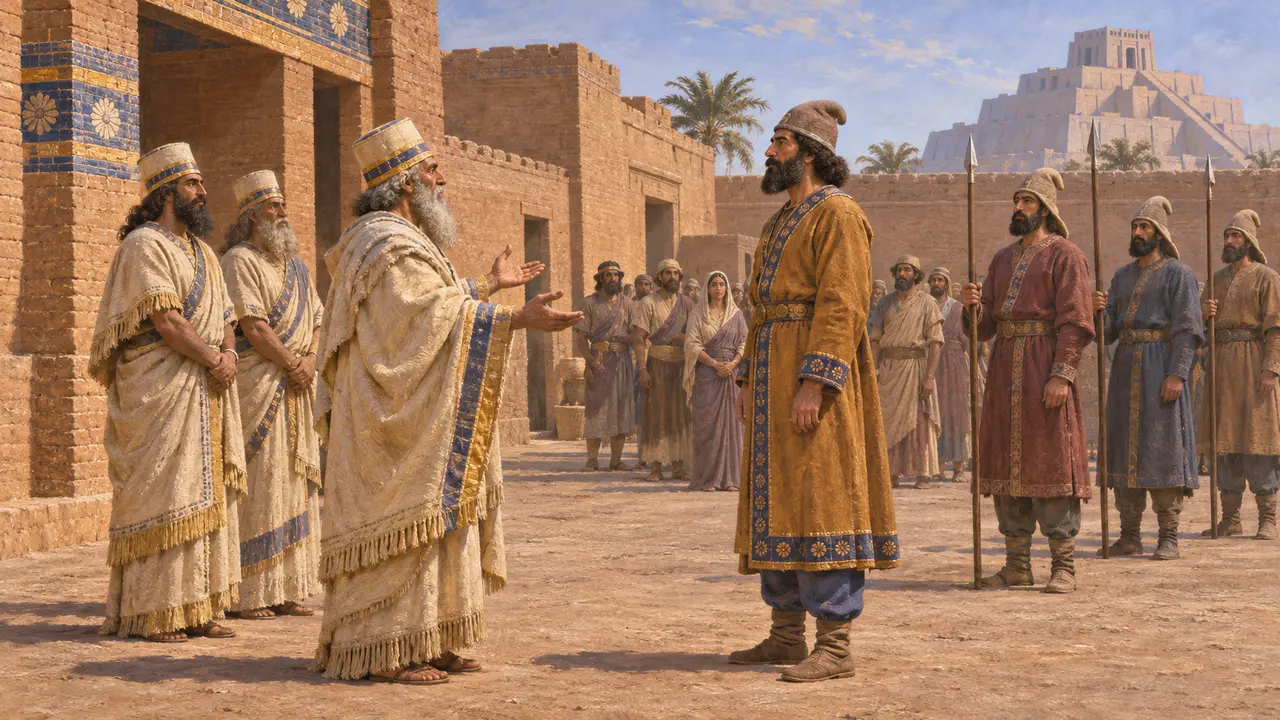
DisputedThe Cylinder and the Verse Account of Nabonidus cast Nabonidus as impious and Cyrus as a liberator. Most historians read both as texts composed after the conquest, probably by Babylonian priests, to justify it. The Chronicle's report of fighting and plunder at Opis shows it was not wholly peaceful, and it mentions no siege or river diversion. The Cylinder never names the Judeans; their return rests on Ezra 1, whose decree some scholars think was later reworked.
A. Kuhrt, The Persian Empire, 2007; P. Briant, From Cyrus to Alexander, 2002
The writing on the wall
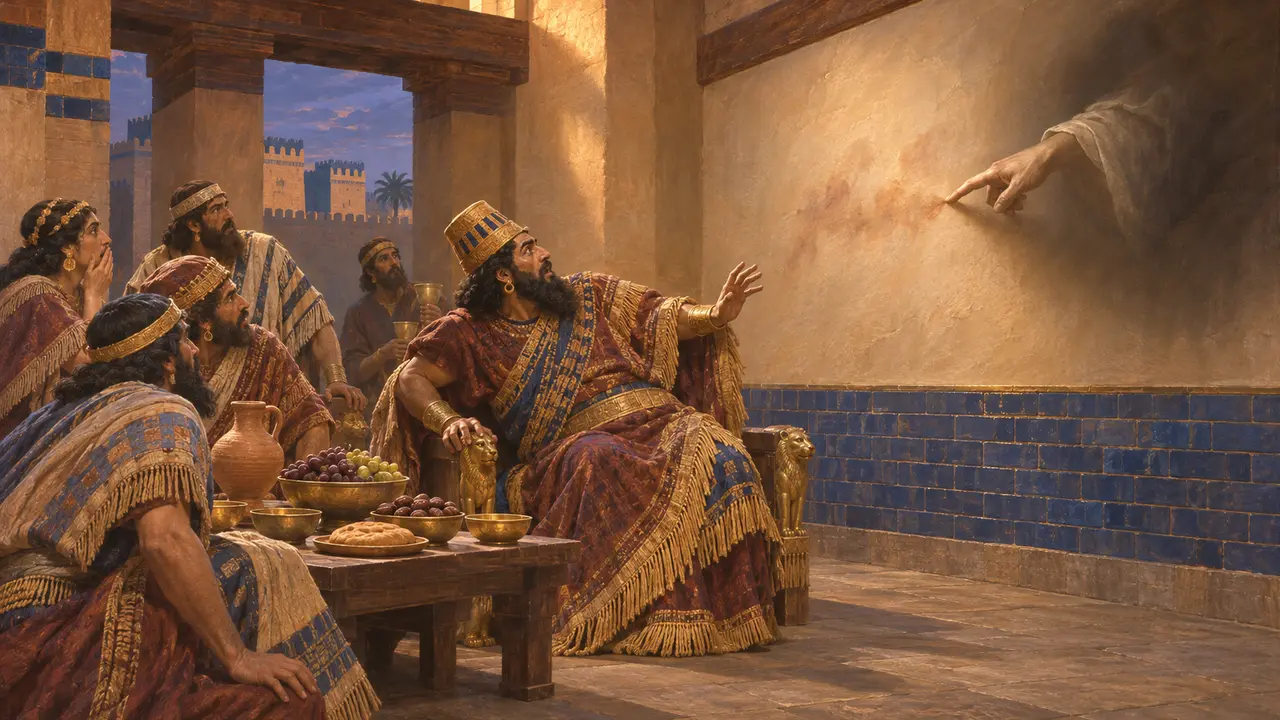
Later legendThe Book of Daniel, written centuries later, sets the fall on the night of a feast held by Belshazzar. A hand wrote on the palace wall, and the king was killed that night. Belshazzar was real: he was Nabonidus's son and had governed Babylon during his father's long stay at Tayma, but his fate in 539 is unknown. Daniel calls him the son of Nebuchadnezzar and gives the kingdom to a Darius the Mede who is otherwise unknown.
Daniel 5
Sources
- Nabonidus Chronicle (ABC 7), in A. K. Grayson, Assyrian and Babylonian Chronicles, 1975
- Cyrus Cylinder (BM 90920)
- Herodotus 1.188-191
- A. Kuhrt, The Persian Empire, 2007
- P. Briant, From Cyrus to Alexander, 2002
- Xenophon, Cyropaedia 7.5; Daniel 5; Ezra 1