Encyclopedia › Battles and events
Cyrus's return of the exiles
Cyrus's restoration of gods and peoples after taking Babylon, 539-538 BCE
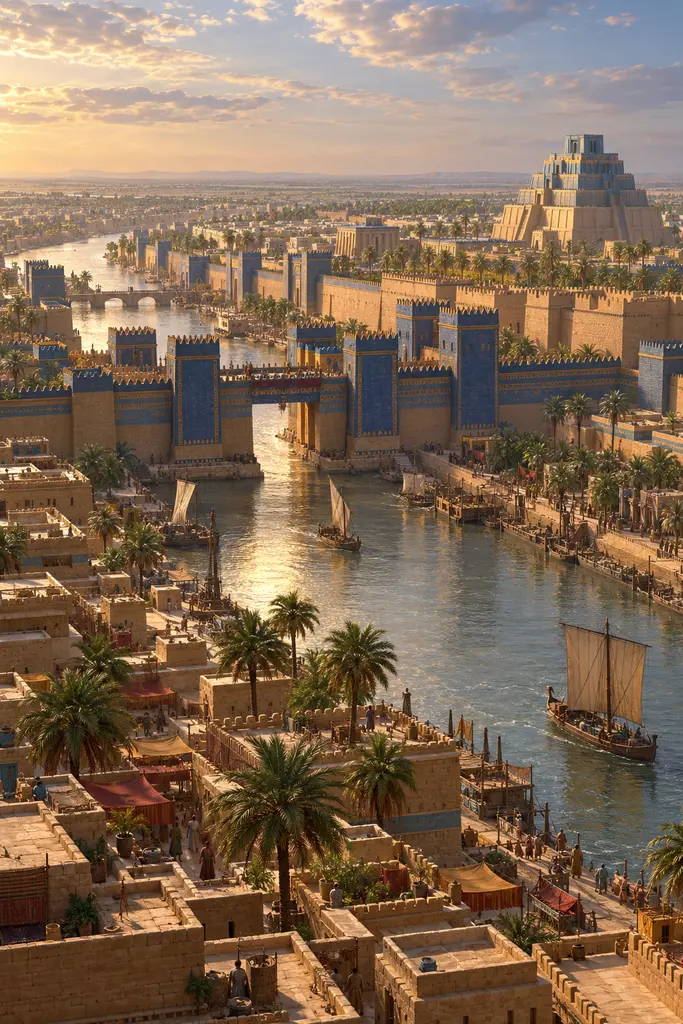
After Cyrus took Babylon in 539, he sent cult statues gathered in the city back to their home temples and, by his own account, let the people of those towns go home too. The Hebrew Bible remembers a separate decree allowing the Judeans to return and rebuild their temple in Jerusalem. Together these made Cyrus known as a restorer, though the evidence is more local and more political than later fame suggests.
In the game: The game presents this as one decree for all the deported peoples, recorded on the cylinder and in Ezra 1. In fact the cylinder names Mesopotamian and border cities, not Judah, and Ezra is a separate, later text.
What the Cyrus Cylinder says
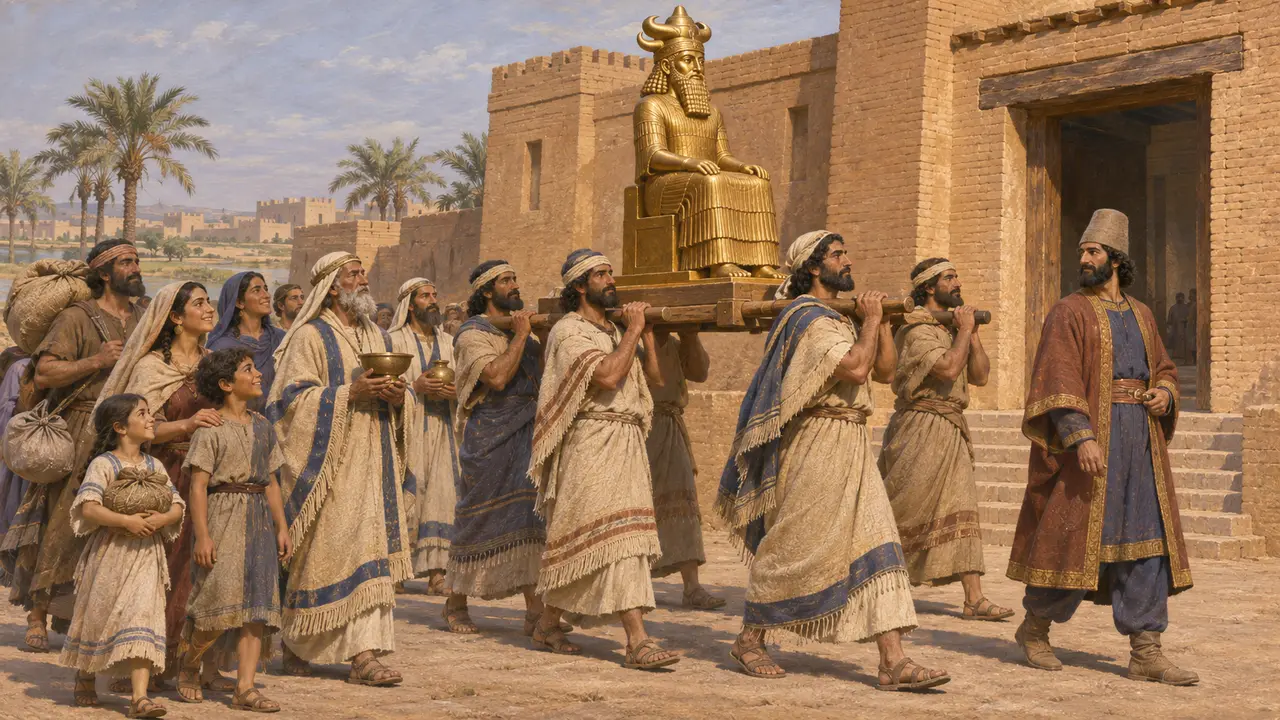
In the recordThe clay cylinder, found at Babylon in 1879 and now in the British Museum, was written in Babylonian cuneiform soon after Cyrus entered the city. It says he returned to their sanctuaries the gods of cities across the Tigris, among them Ashur, Susa and Der, and gathered their former inhabitants and sent them back to their homes. It also says he restored to their shrines the gods of Sumer and Akkad that Nabonidus had brought into Babylon.
Cyrus Cylinder, lines 30-34
The Babylonian chronicle
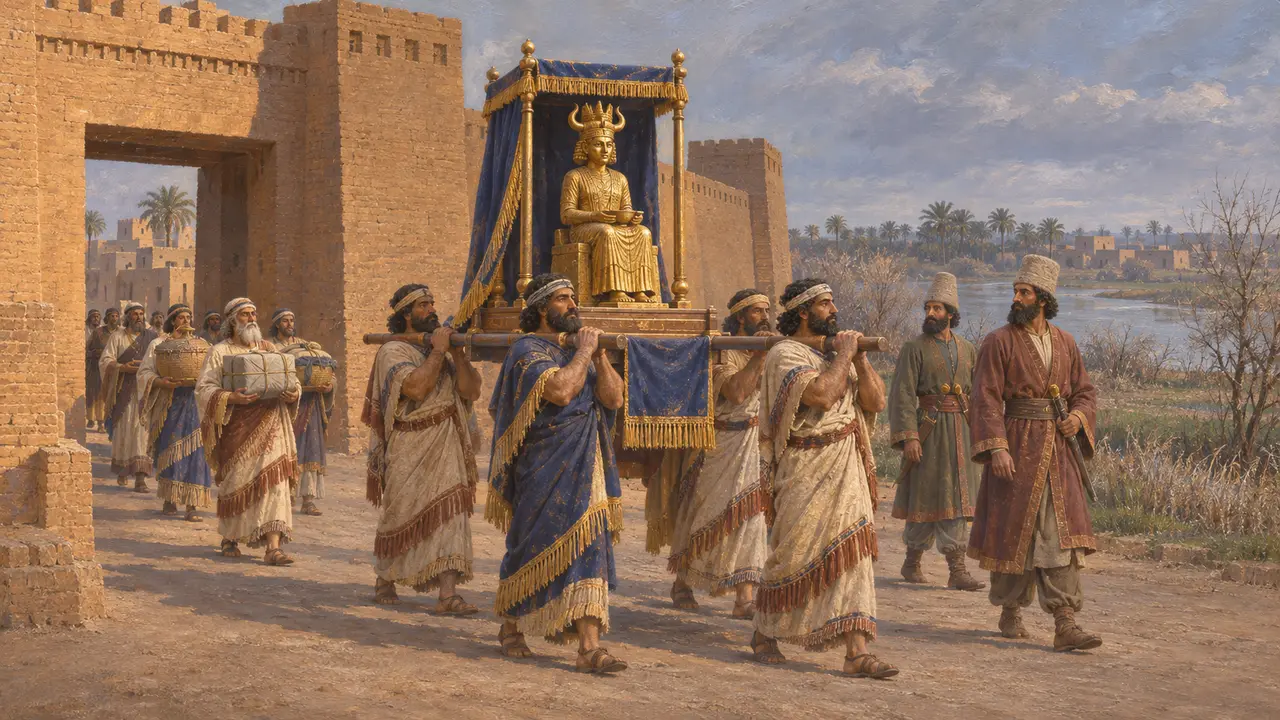
In the recordThe Nabonidus Chronicle, a terse Babylonian record of Nabonidus's reign and its end, notes that the gods of Akkad which Nabonidus had brought down to Babylon went back to their cities between the months Kislimu and Addaru, roughly December 539 to March 538. Nabonidus had gathered the statues into Babylon as the Persians advanced, probably to protect them. Their return undid a recent emergency measure as well as being a gesture of piety.
Nabonidus Chronicle (ABC 7), column iii
The decree in Ezra
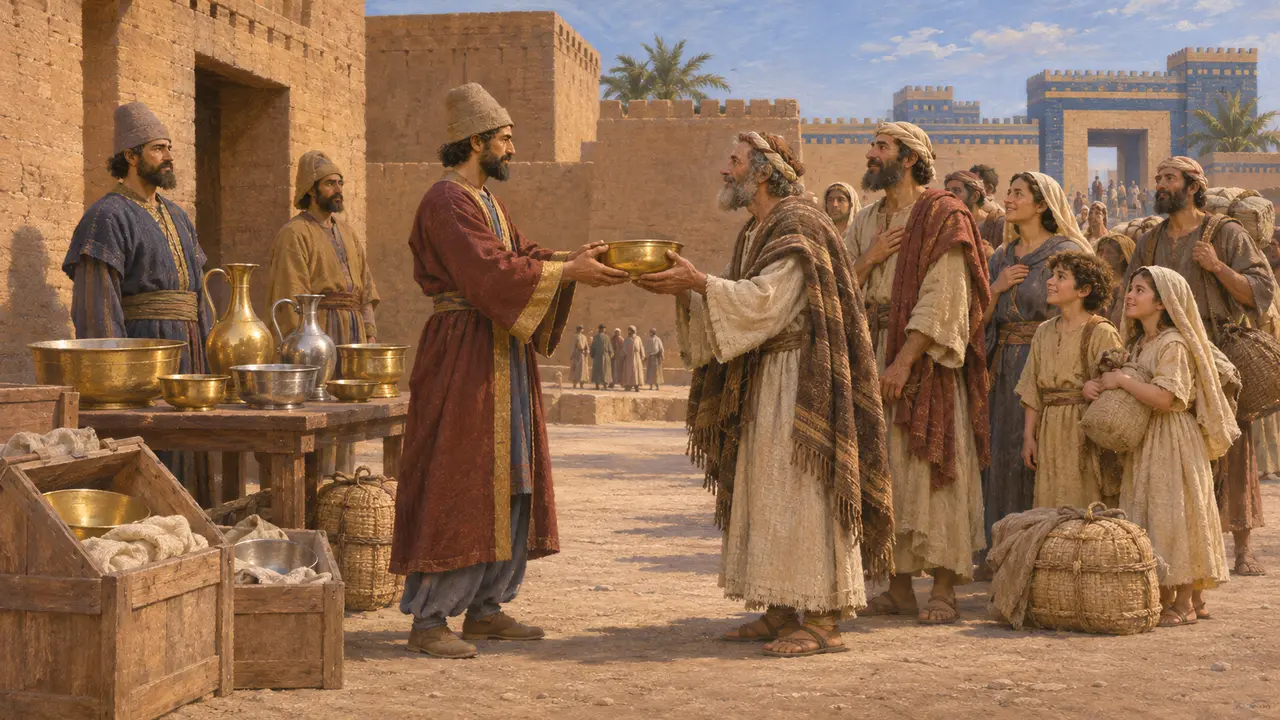
Ancient accountThe Book of Ezra, written down long after the events, says that in his first year Cyrus proclaimed that the Judeans might go up to Jerusalem and rebuild the house of their god, and gave back the temple vessels Nebuchadnezzar had taken. A second version in Aramaic, presented as a memorandum later found at Ecbatana, sets out the size of the temple and royal funding. Isaiah 45, probably composed nearer Cyrus's time, calls him the Lord's anointed.
Ezra 1.1-11; Ezra 6.3-5; Isaiah 45.1
How general was the policy
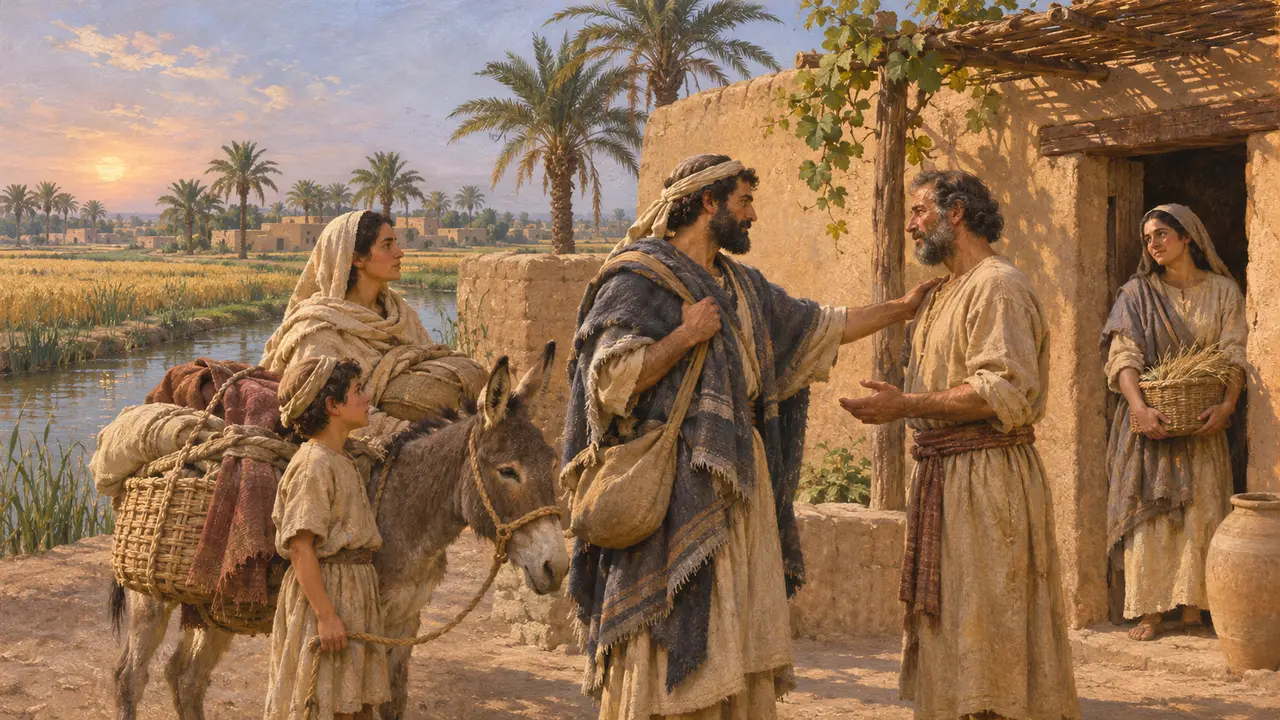
DisputedHistorians debate whether the Ezra decrees are genuine; many think the Hebrew edict was recast by later writers, while the Aramaic memorandum is often judged closer to a real Persian document. The cylinder follows a traditional Mesopotamian genre and attacks Nabonidus to justify Cyrus's rule; it is not a charter of rights. Tablets from Al-Yahudu show many Judeans stayed in Babylonia for generations, so any return was probably gradual.
A. Kuhrt, The Persian Empire, 2007; L. Pearce and C. Wunsch, Documents of Judean Exiles, 2014
Cyrus reads the prophet
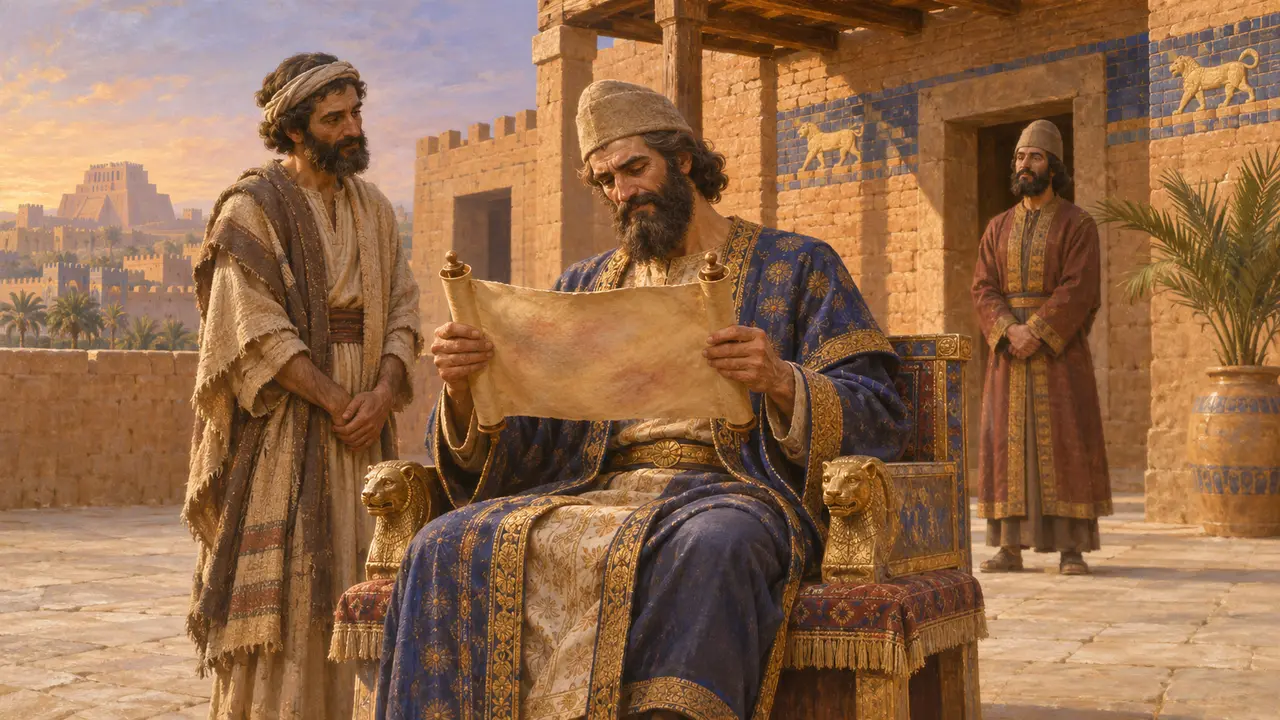
Later legendJosephus, writing in the late first century CE, tells that Cyrus read the prophecy of Isaiah naming him as the one who would rebuild the temple, and was moved to fulfil it. The story turns a Persian political act into proof of divine foreknowledge. No Persian or Babylonian source mentions anything of the kind.
Josephus, Jewish Antiquities 11.1
Sources
- Cyrus Cylinder (British Museum)
- Nabonidus Chronicle (ABC 7)
- Ezra 1 and 6
- I. Finkel (ed.), The Cyrus Cylinder, 2013
- A. Kuhrt, The Persian Empire, 2007
- P. Briant, From Cyrus to Alexander, 2002