Offerings to the gods
Royal issues of grain and goods for sacrifice, recorded at Persepolis, about 509-493 BCE
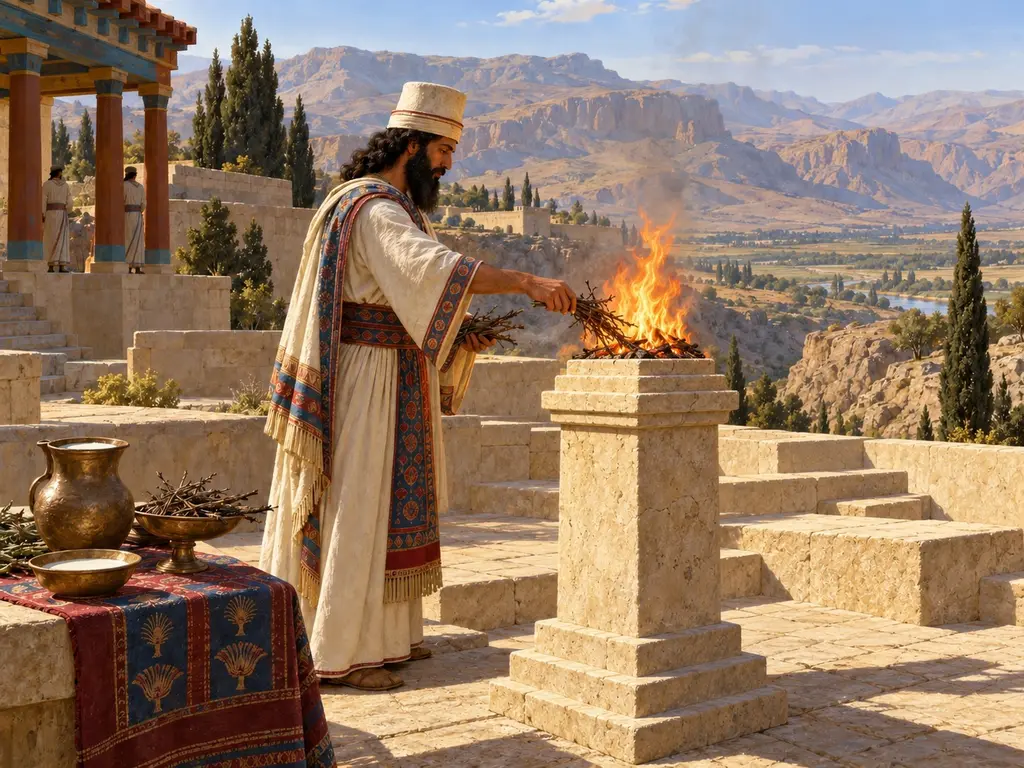
The King's administration paid for sacrifices. Clay tablets from Persepolis record barley, flour, wine, beer and animals issued from royal stores to priests who offered them to Persian, Elamite and other gods, above all for a regular rite called the lan. They show the crown supporting many cults across Persis and Elam, a picture that sits uneasily beside Herodotus's description of Persian worship.
In the game: A standing order on the Ledger's Taxes page sends barley from the granaries to the gods each month, and full payment raises the King's favour. The tablets show wider issues and many gods, and Herodotus's no-temples claim is contested.
Grain for the lan
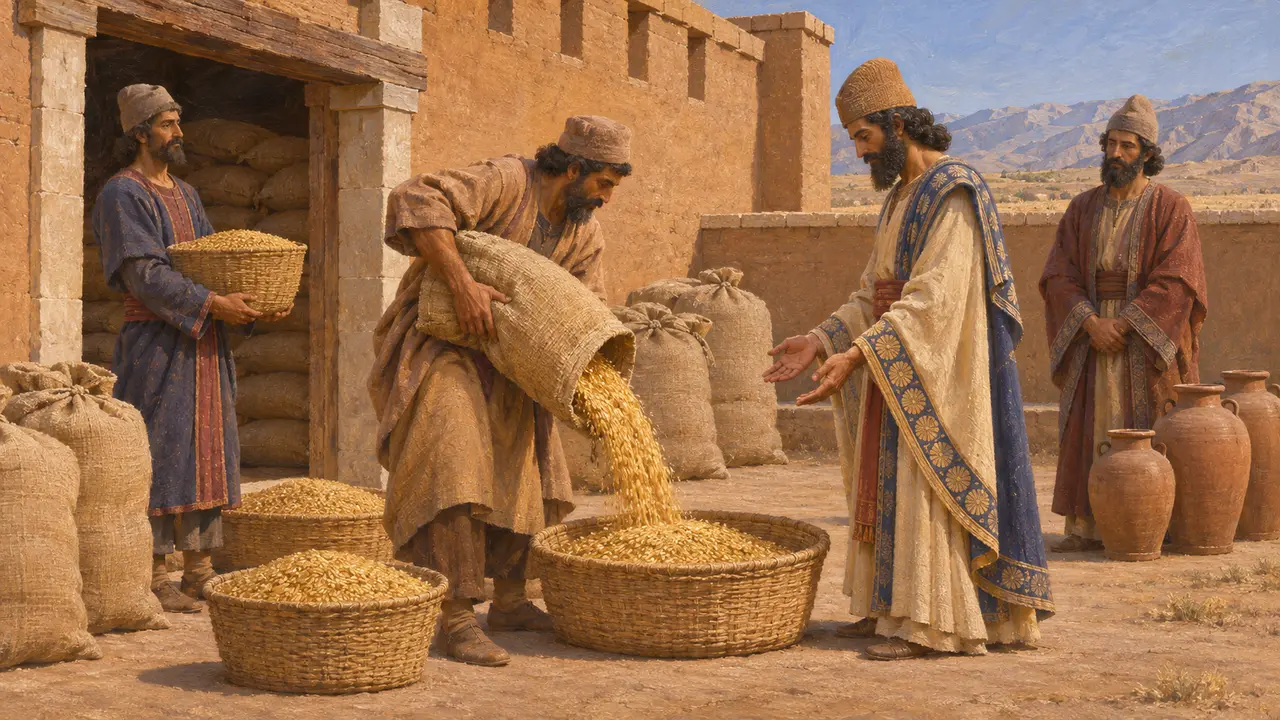
In the recordThe Persepolis Fortification tablets, Elamite administrative texts from about 509 to 493, record regular issues of commodities for a rite called the lan. Grain made up most of the payments, though flour, wine and beer also appear, often as fixed monthly amounts through the year. Henkelman argues the lan was a state offering paid for by the royal economy. Most texts name no god for it, though a few link it with Auramazda.
W. Henkelman, The Other Gods Who Are, 2008; R. Hallock, Persepolis Fortification Tablets, 1969
Many gods on the ration lists
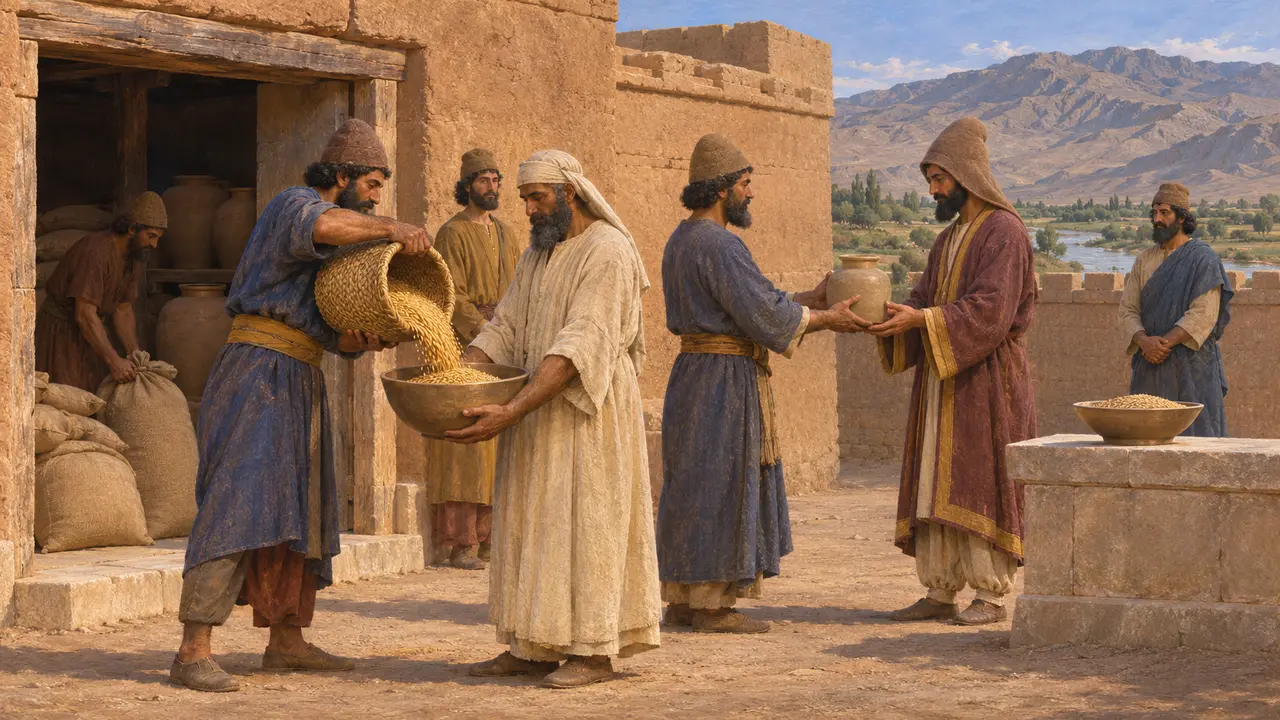
In the recordThe same archive funds offerings to Elamite gods such as Humban, to the Mesopotamian storm god Adad, to Auramazda, and to mountains and rivers. The officiants were often Elamite priests called shatin or Iranian magi, and they drew their supplies from local storehouses. The administration seems to have funded the worship of the region's mixed population, not one exclusive royal cult.
W. Henkelman, The Other Gods Who Are, 2008; P. Briant, From Cyrus to Alexander, 2002
Herodotus on Persian sacrifice
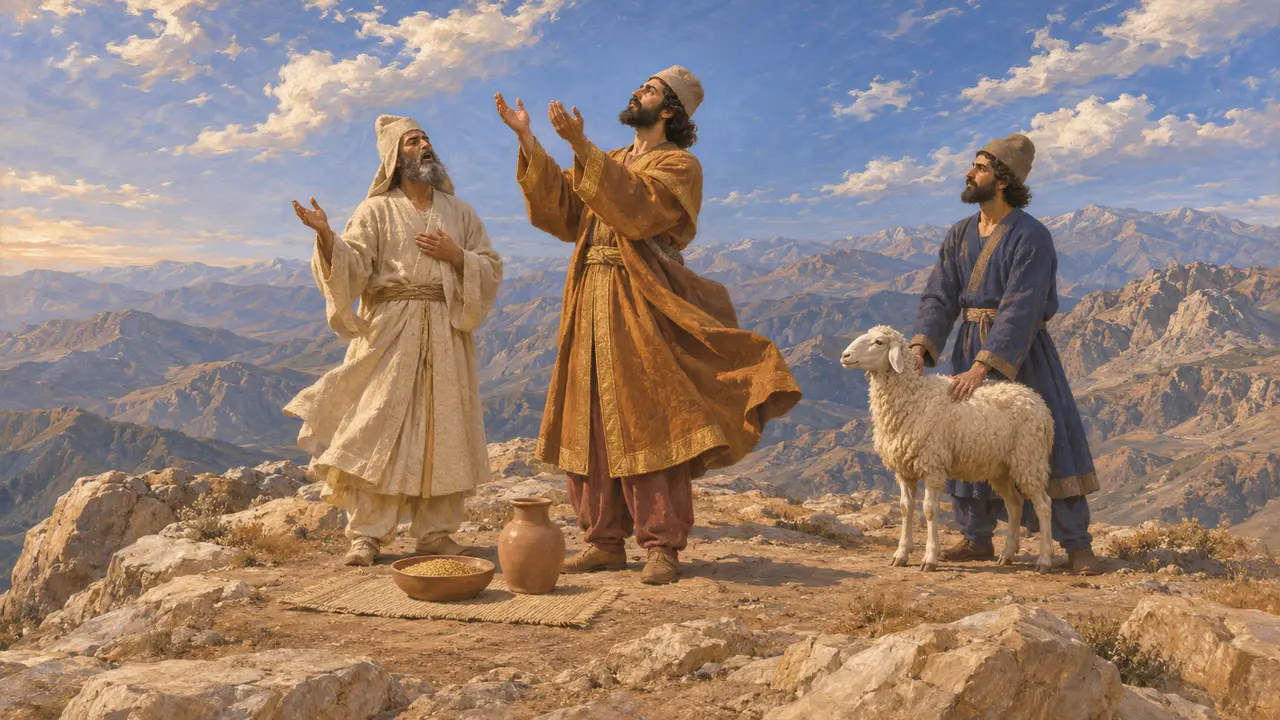
Ancient accountHerodotus says the Persians set up no statues, temples or altars, and that they sacrificed to the sky god on mountain tops and also to the sun, moon, earth, fire, water and winds. He adds that no sacrifice was lawful without a magus present to chant, and that the worshipper prayed for the King and all Persians. He was describing a foreign custom from outside, in Greek terms.
Herodotus 1.131-132
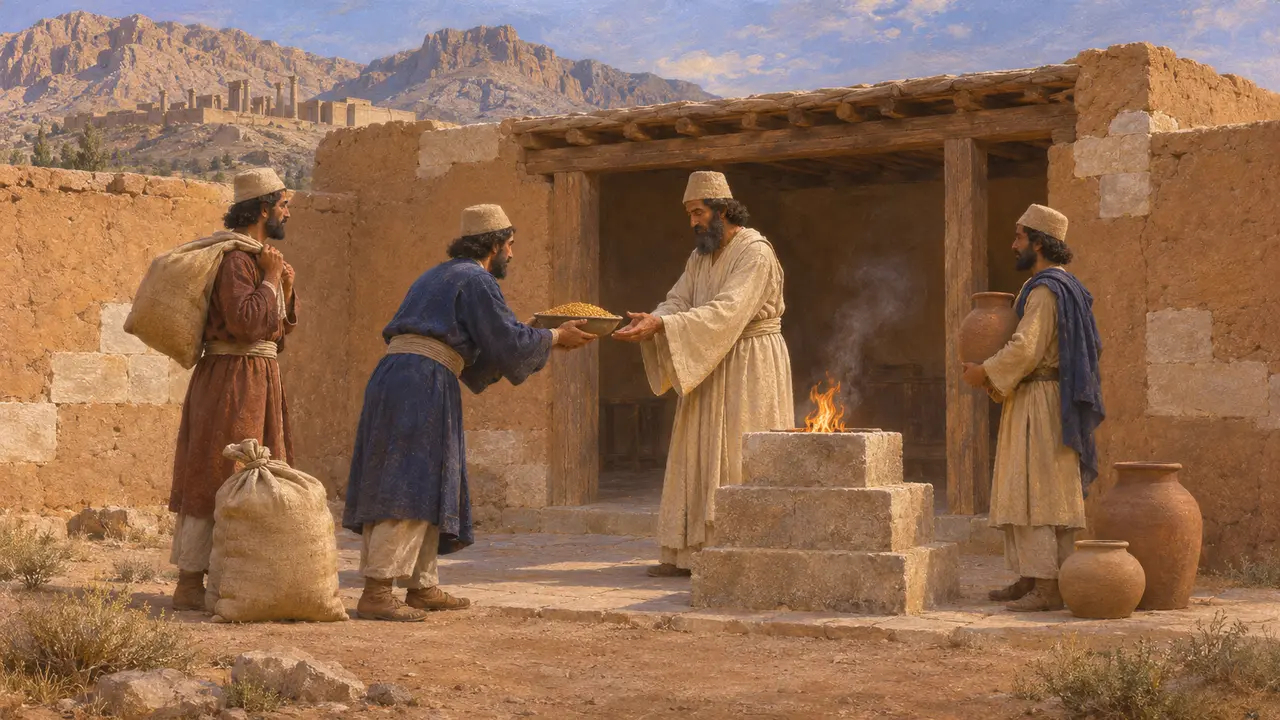
Did the Persians have temples
DisputedThe game's note follows Herodotus, but the Persian record complicates it. At Behistun, Darius says he restored the ayadana, places of worship, that Gaumata had destroyed. In XPh, Xerxes says he destroyed a sanctuary of the daivas and worshipped Auramazda in its place. Historians still argue over what these sanctuaries were and whether any excavated building was a temple, so the claim that the Persians built no temples cannot be stated as settled fact.
DB §14; XPh; P. Briant, From Cyrus to Alexander, 2002
Sources
- W. Henkelman, The Other Gods Who Are, 2008
- Herodotus 1.131-132
- DB §14
- XPh
- R. Hallock, Persepolis Fortification Tablets, 1969
- P. Briant, From Cyrus to Alexander, 2002