Polycrates of Samos
Tyrant of Samos and sea power of the Aegean, 6th century BCE, died about 522 BCE
Polycrates made himself tyrant of Samos and built the strongest Greek fleet of his day. Herodotus says he sent forty triremes to Cambyses for the Egyptian campaign, though what became of them is disputed. Herodotus also says Oroetes, the Persian governor at Sardis, lured him to the mainland and killed him.
In the game: The game names Polycrates only in the Chronicle and in event articles, as the sender of forty triremes for Egypt. He has no figure, building or mechanic of his own.
A tyrant with a fleet
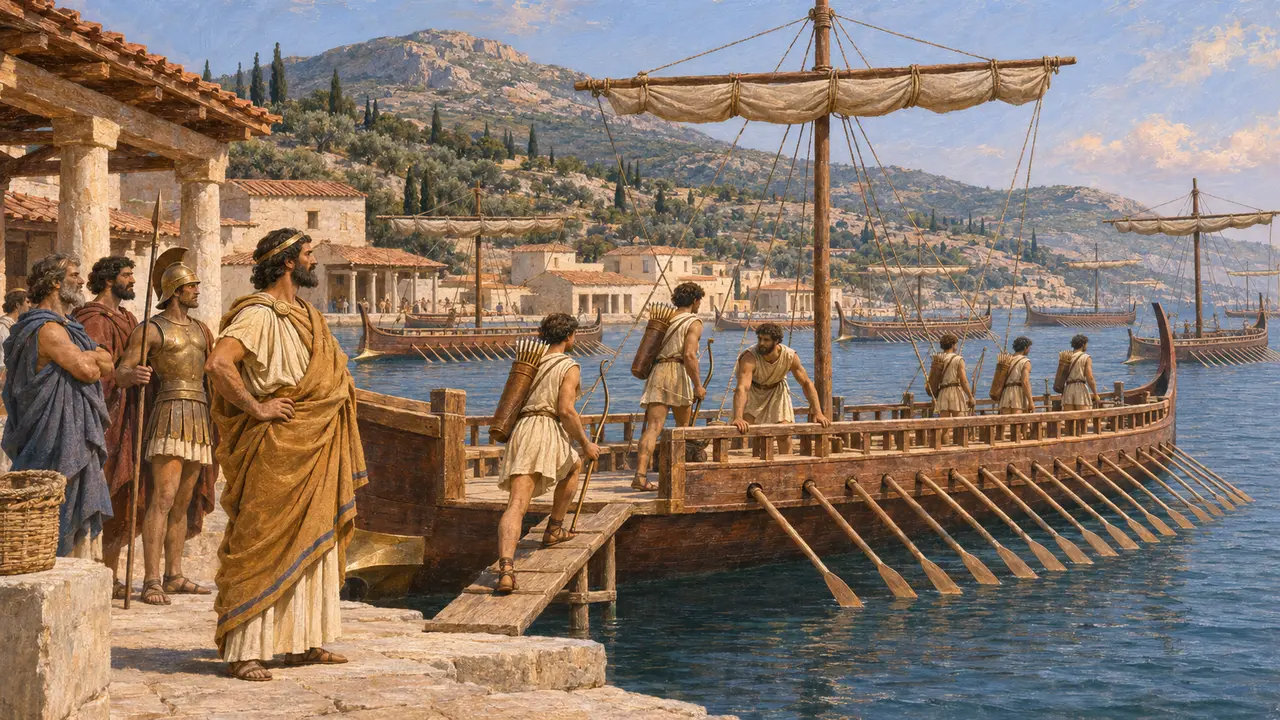
Ancient accountHerodotus says Polycrates seized Samos with his brothers and then ruled alone, allied himself with Amasis of Egypt, and raised a large fleet and many archers. Thucydides likewise notes that Polycrates had great naval strength and conquered islands, and says he dedicated Rhenaea to Apollo at Delos. Both writers show a Greek island state powerful enough to matter to Persia.
Herodotus 3.39; Thucydides 1.13; Thucydides 3.104
Works that survive on Samos
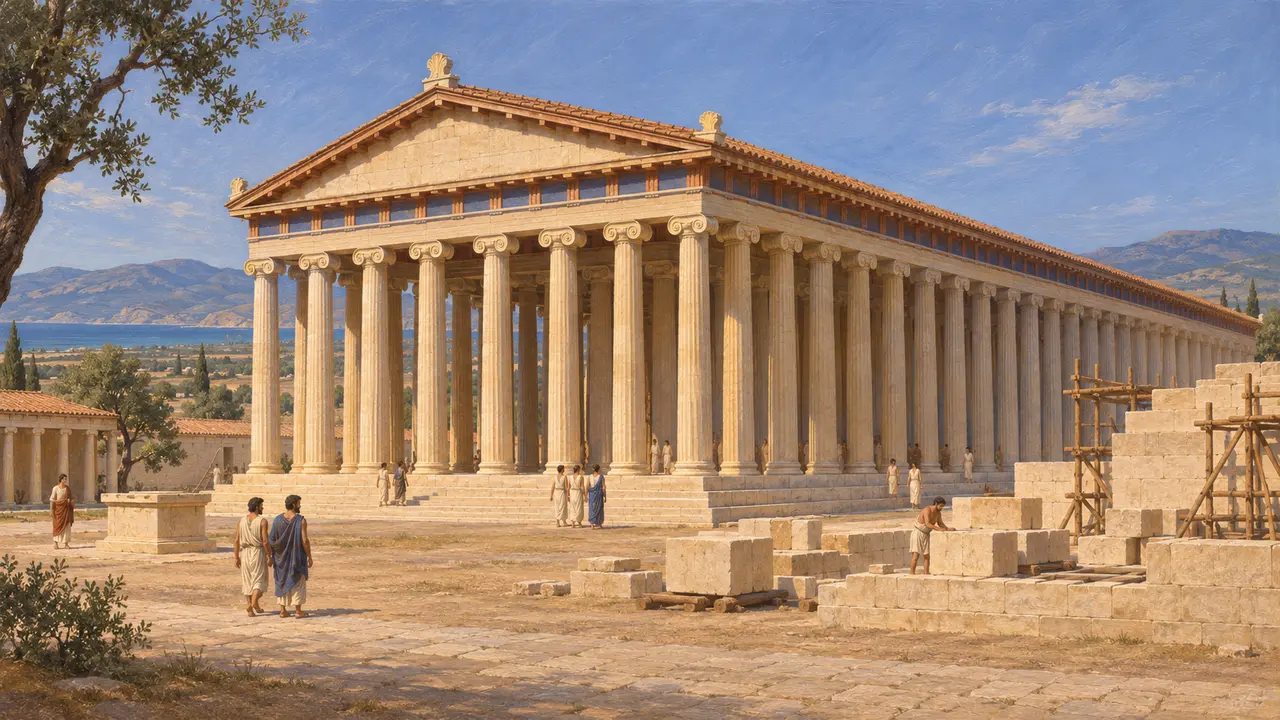
In the recordThe tunnel of Eupalinus, which Herodotus attributes to a man of Megara, can still be walked, and the Heraion of Samos has been excavated. Herodotus also credits the Samians with a harbour mole and the largest temple he knew. These remains show the wealth of the island in the sixth century, though they do not tell how much belonged to Polycrates' own reign.
Herodotus 3.60; H. Kienast, Die Wasserleitung des Eupalinos auf Samos, 1995
The forty triremes for Cambyses
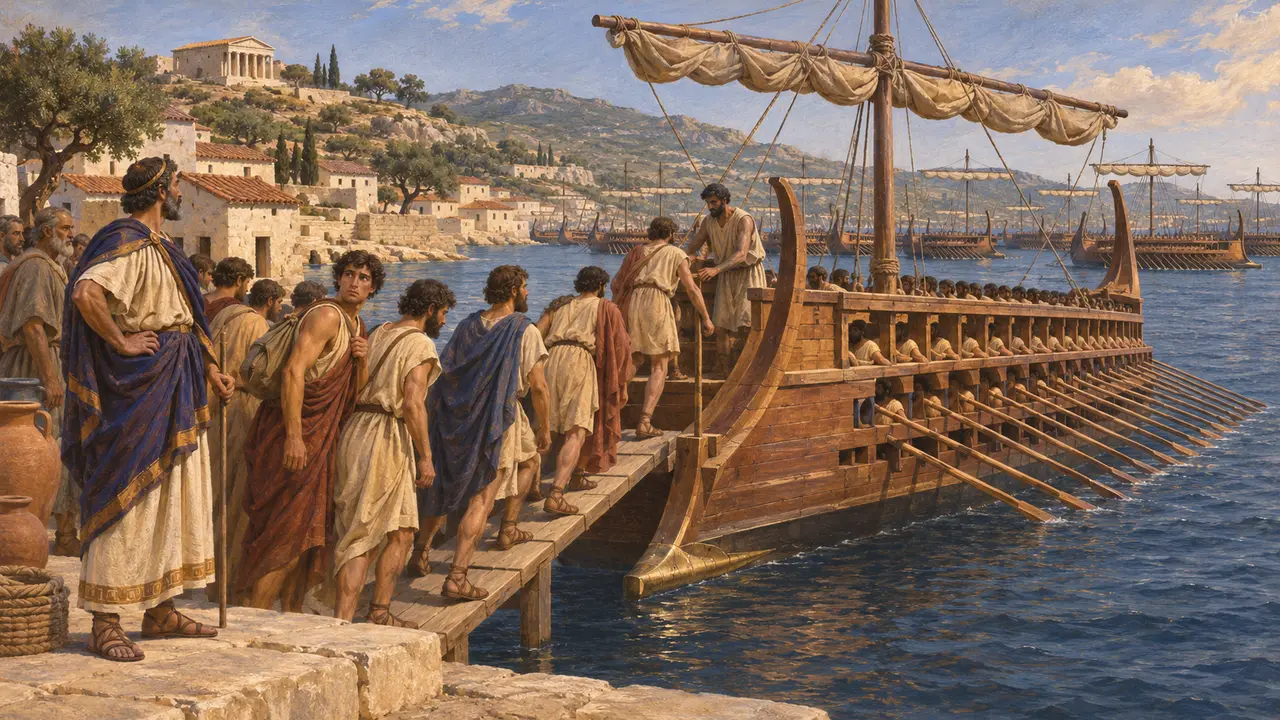
DisputedHerodotus says Cambyses asked Polycrates for ships, and that Polycrates picked citizens he suspected of disloyalty, manned forty triremes with them and asked Cambyses to see that they never came home. Herodotus gives two versions. In one they turned back at Carpathus, in the other they reached Egypt and escaped. He says he does not accept the Samian claim that they reached Egypt and returned. Whether Samian ships served in Egypt is therefore uncertain.
Herodotus 3.44-45
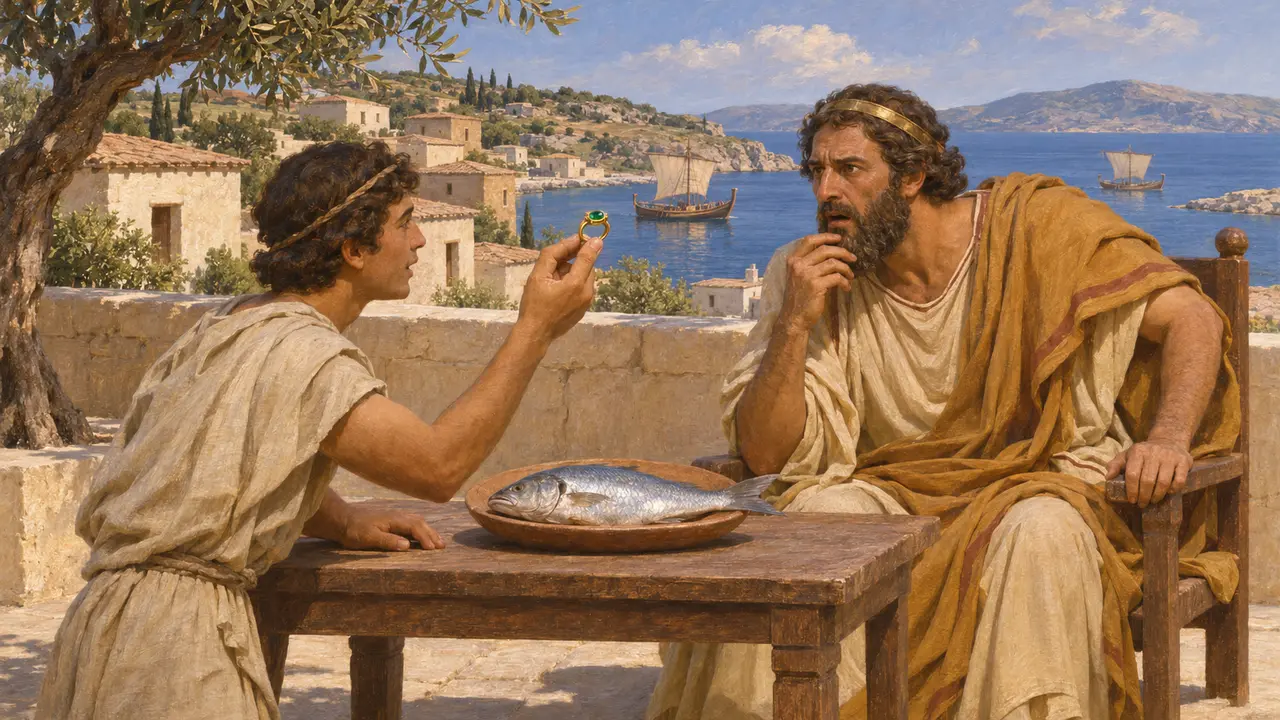
The ring of Polycrates
Later legendHerodotus tells how Amasis advised Polycrates to throw away his dearest possession because he was too fortunate. Polycrates threw a ring into the sea, and it came back in the belly of a fish. Amasis then ended the alliance. The story is a moral tale about excess of good fortune, and it should not be read as a record of why the alliance ended.
Herodotus 3.40-43
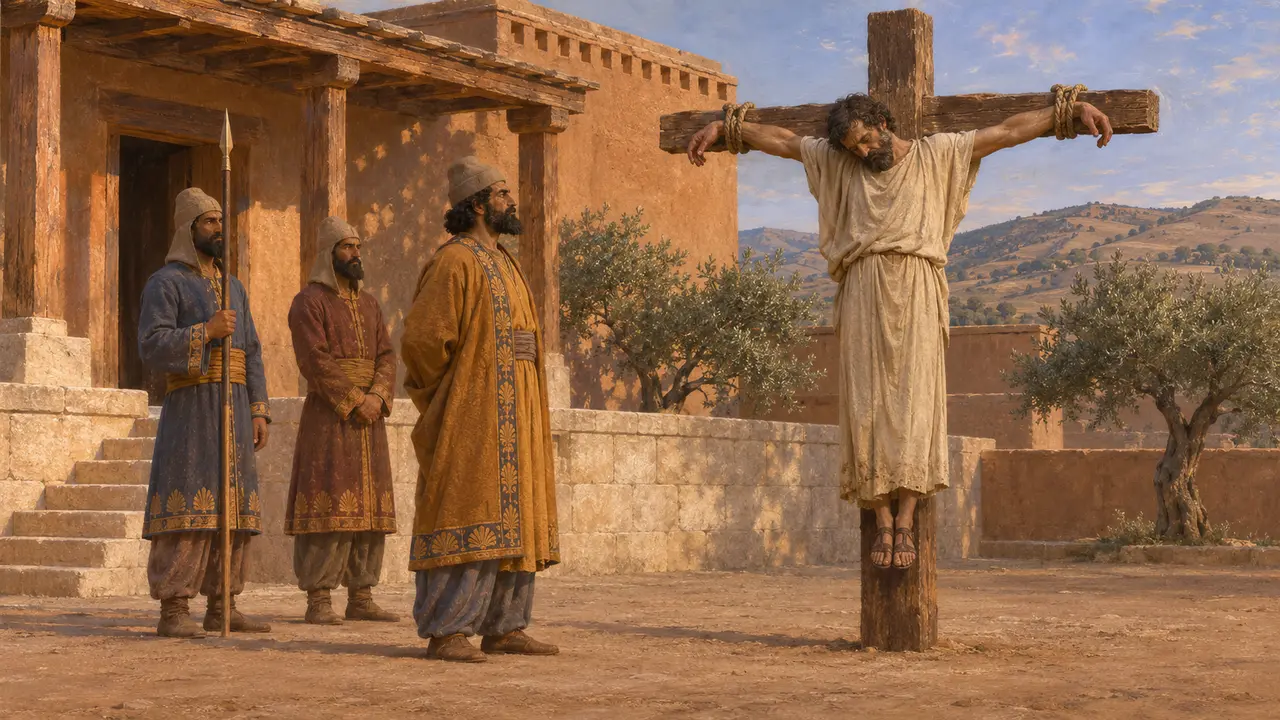
Death at the hands of Oroetes
Ancient accountHerodotus says Oroetes, the Persian governor at Sardis, lured Polycrates to the mainland with promises of money, then killed him and had the body crucified. The date is about 522, in the troubled time around the death of Cambyses. Herodotus says Samos later passed to Polycrates' brother Syloson, after a Persian force under Otanes took the island for Darius.
Herodotus 3.120-125; Herodotus 3.139-149
Sources
- Herodotus 3.39-45
- Herodotus 3.120-125
- Thucydides 1.13
- Herodotus 3.139-149
- P. Briant, From Cyrus to Alexander, 2002
- H. Kienast, Die Wasserleitung des Eupalinos auf Samos, 1995