Psyttaleia
Islet in the strait of Salamis, where Persians were landed in 480 BCE
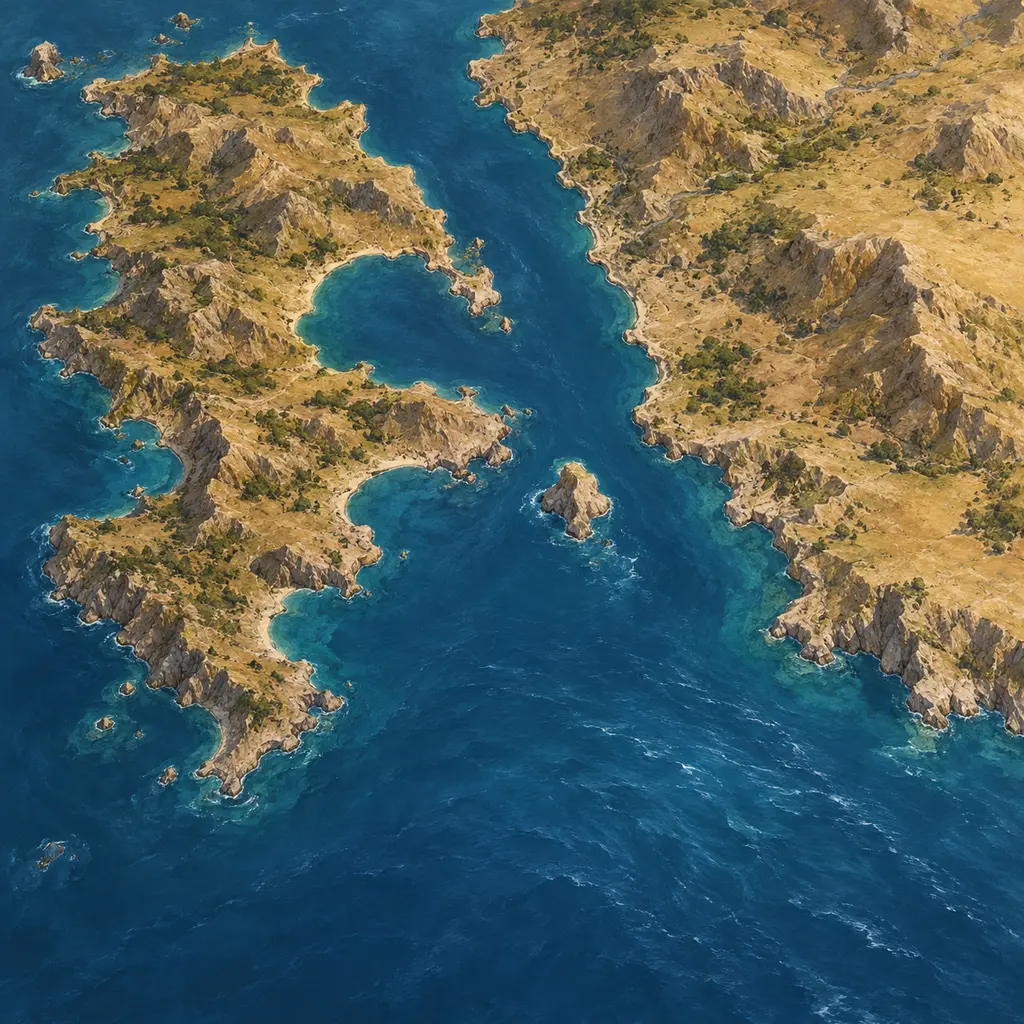
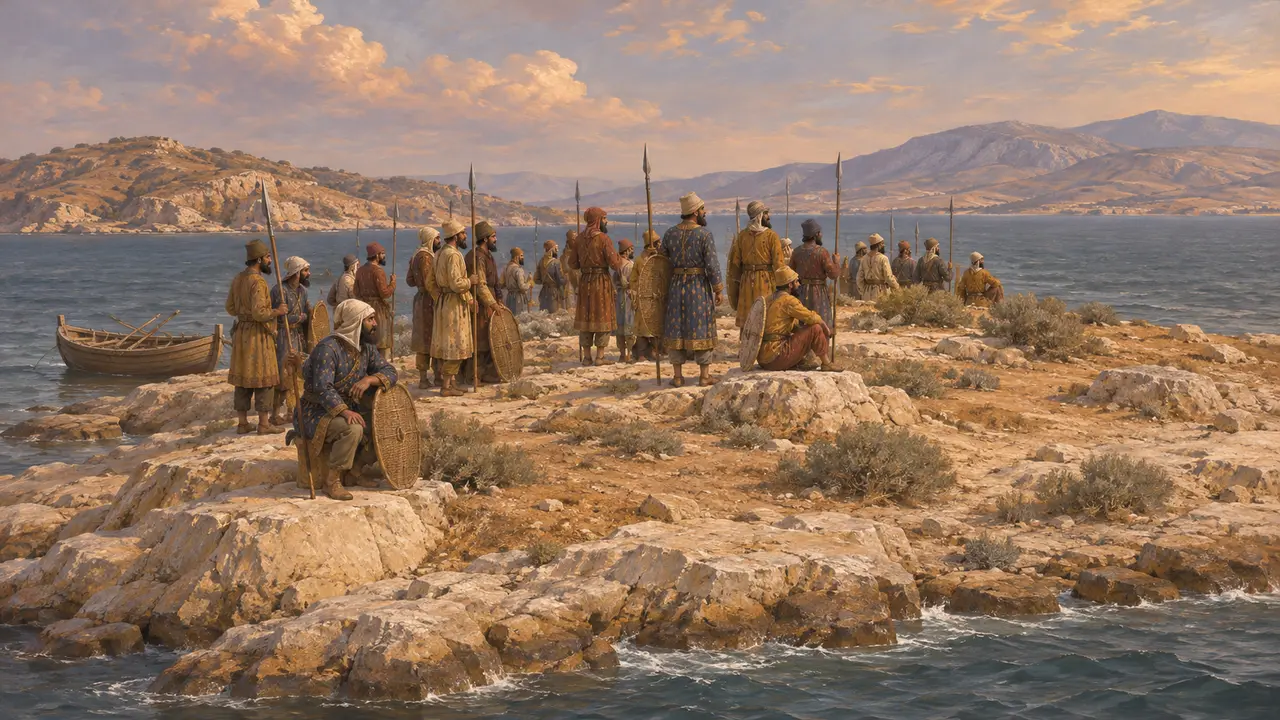
Psyttaleia is a small, rocky islet in the narrows between Salamis and the Attic mainland. Before the sea battle of Salamis in 480, Persians were landed there. Herodotus and Aeschylus both say the party was destroyed by Greek troops, and Herodotus names Aristides as the man who led the attack.
In the game: Psyttaleia is named only in the Chronicle and in the Salamis event articles, and has no mechanic of its own. The game's note that Aristides killed the Persians there compresses Herodotus, who has him land Athenian hoplites to do it.
Where the islet lies
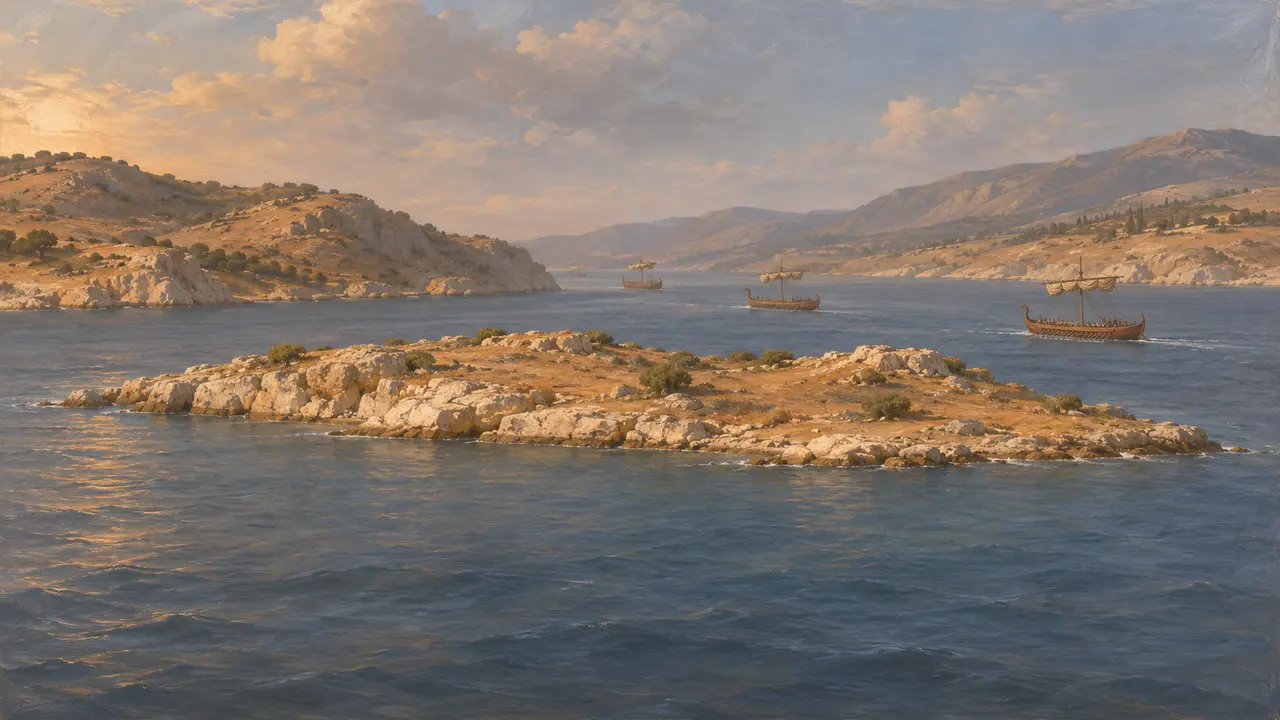
Ancient accountHerodotus places Psyttaleia in the strait between Salamis and the mainland, on the line the fleets used. Aeschylus, in his play The Persians, describes it as a small island off Salamis and makes it the scene of a Persian disaster. Both writers knew the waters and the events at first or second hand.
Herodotus 8.76; Aeschylus, Persians 447-464
The Persian landing
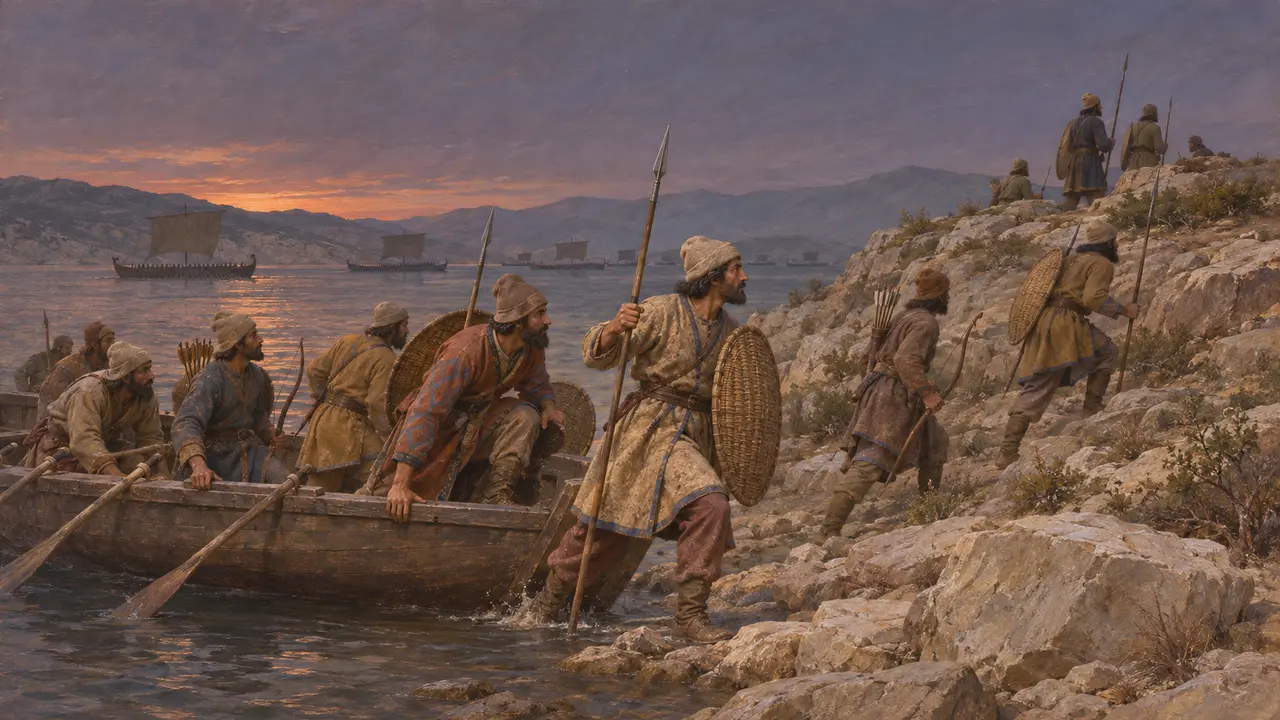
Ancient accountHerodotus says that during the night, as the Persian fleet moved to close the strait, men were put ashore on Psyttaleia. He gives the aim as holding the islet, where wrecks and swimmers were likely to be driven. He does not state their number. Pausanias, writing much later, gives a figure of about 400.
Herodotus 8.76; Pausanias 1.36.2
The Greek attack
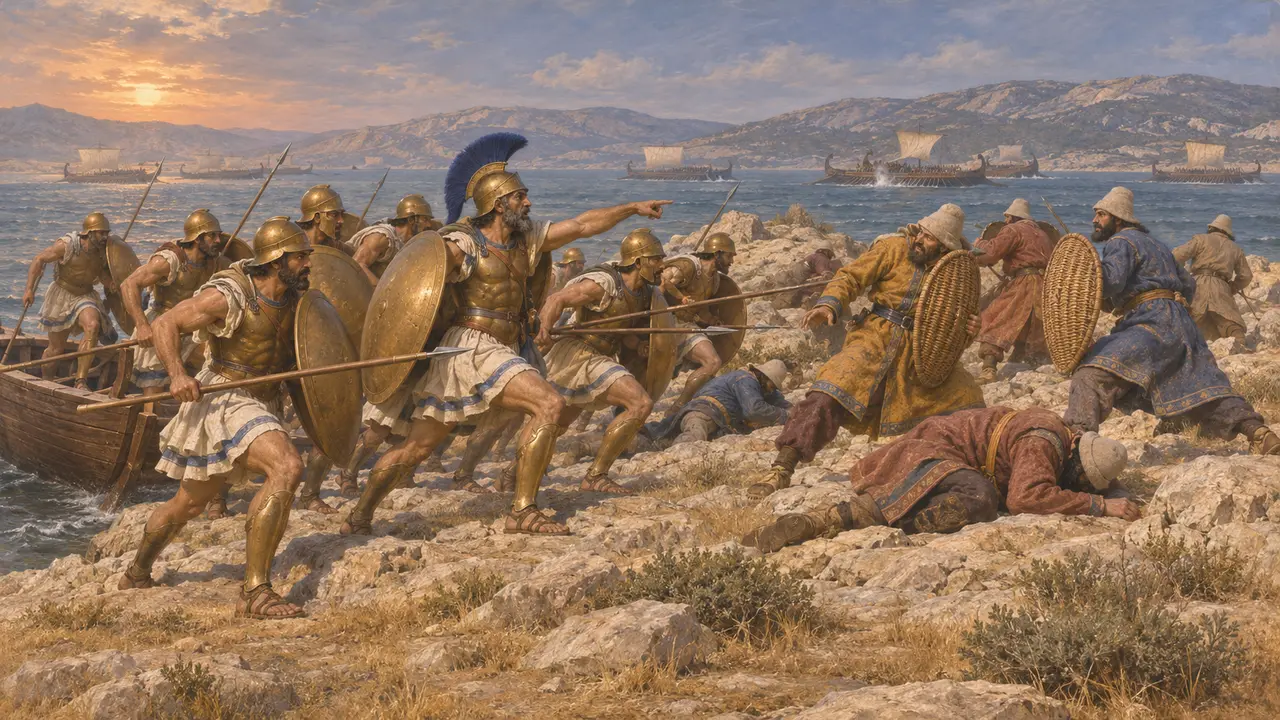
Ancient accountHerodotus says Aristides son of Lysimachus took a body of Athenian hoplites across to the islet during the sea fight and killed the Persians there. Aeschylus also describes the Persian party on the island being destroyed by the Greeks. Plutarch repeats the story with Aristides in command.
Herodotus 8.95; Aeschylus, Persians 447-464; Plutarch, Aristides 9
What the accounts leave open
DisputedAll the evidence is Greek, and no Persian text mentions the islet. The number landed, their rank and the exact part Aristides played cannot be checked against any independent record. Pausanias wrote centuries later, so his figure is better read as tradition than as a count.
Herodotus 8.95
Sources
- Herodotus 8.76
- Herodotus 8.95
- Aeschylus, Persians
- Plutarch, Aristides
- Pausanias 1.36.2