Aristides
Athenian statesman and general, called the Just, died about 467 BCE
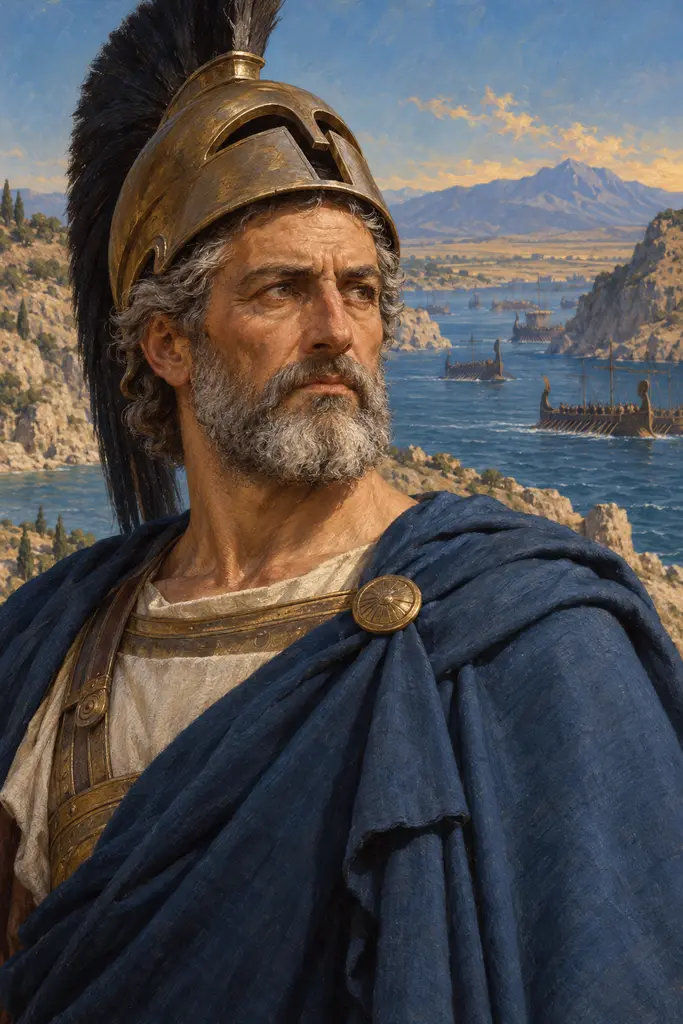
Aristides, son of Lysimachus, was an Athenian politician and general, remembered as 'the Just'. Exiled by ostracism in the 480s, he was recalled when Xerxes invaded, fought at Salamis and commanded the Athenians at Plataea in 479. He then fixed the first tribute of the new Greek alliance against Persia.
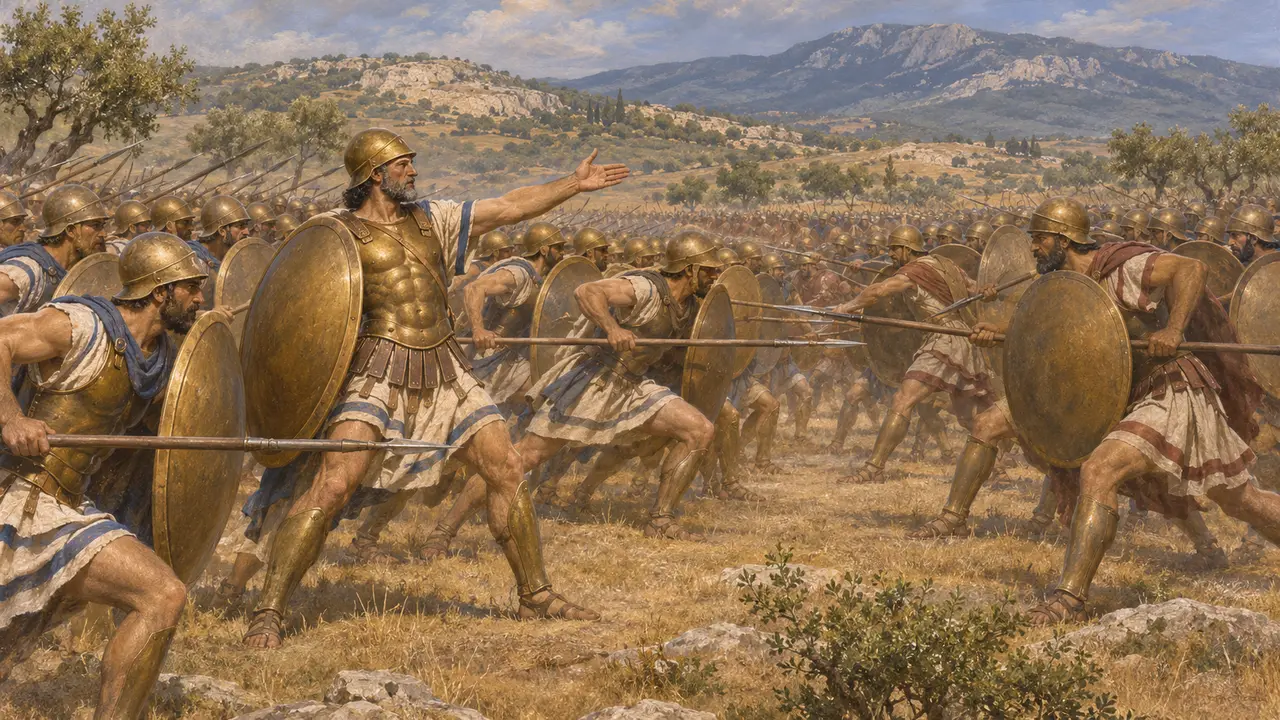
In the game: The game's chronicle note presents Aristides as leader of the eight thousand Athenians on the Greek left at Plataea, facing the Thebans. Herodotus agrees, though he says they faced all the Boeotians, with the Thebans fighting hardest.
Ostraka bearing his name
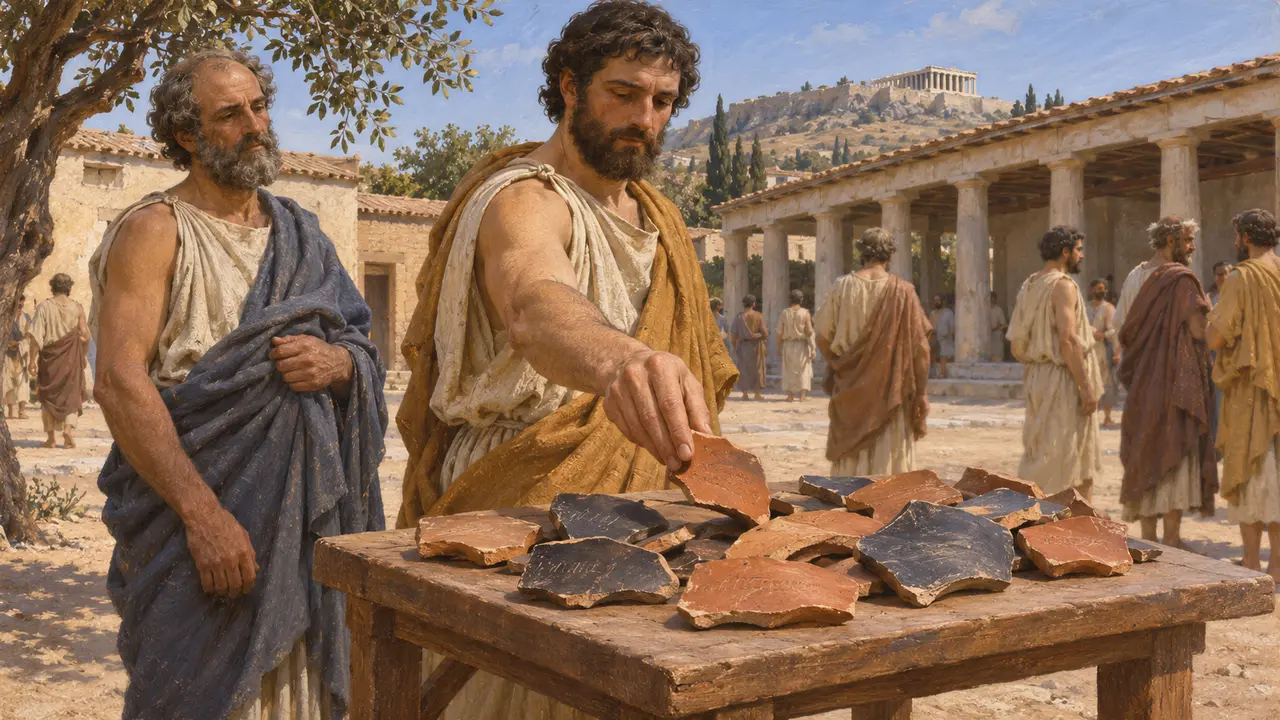
In the recordOstracism let Athenian citizens vote to exile a leading man for ten years by scratching his name on a potsherd. Excavators in the Athenian Agora and the Kerameikos have found ostraka naming Aristides son of Lysimachus. These potsherds probably come from the votes of the 480s, when he and Themistocles were rivals.
M. Lang, Ostraka (The Athenian Agora 25), 1990; Kerameikos excavation publications
Exile and recall
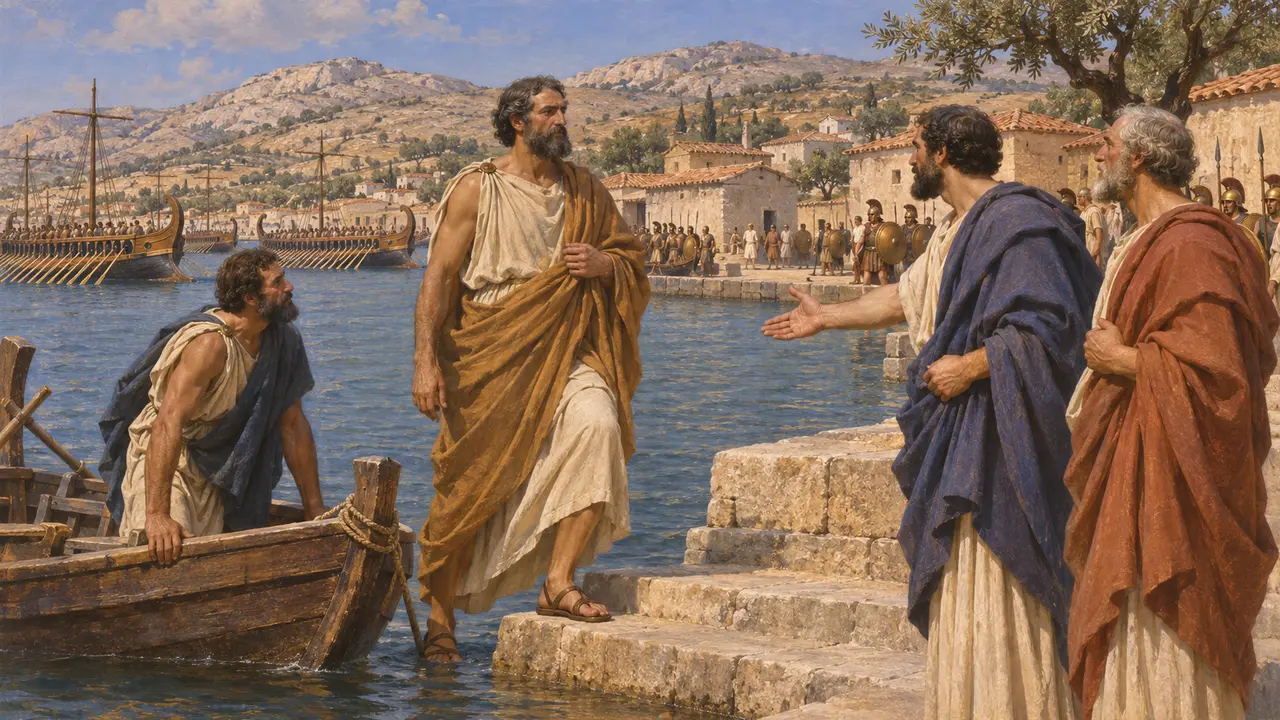
Ancient accountThe Constitution of the Athenians, attributed to Aristotle, dates his ostracism to about 482. That was the time when Themistocles was persuading Athens to spend its new silver on a fleet. It adds that the Athenians recalled all the ostracised men about two years later, as Xerxes' army approached. Herodotus also says that Aristides had been ostracised before he reappeared in 480.
Aristotle (attrib.), Constitution of the Athenians 22; Herodotus 8.79
Salamis and Psyttaleia
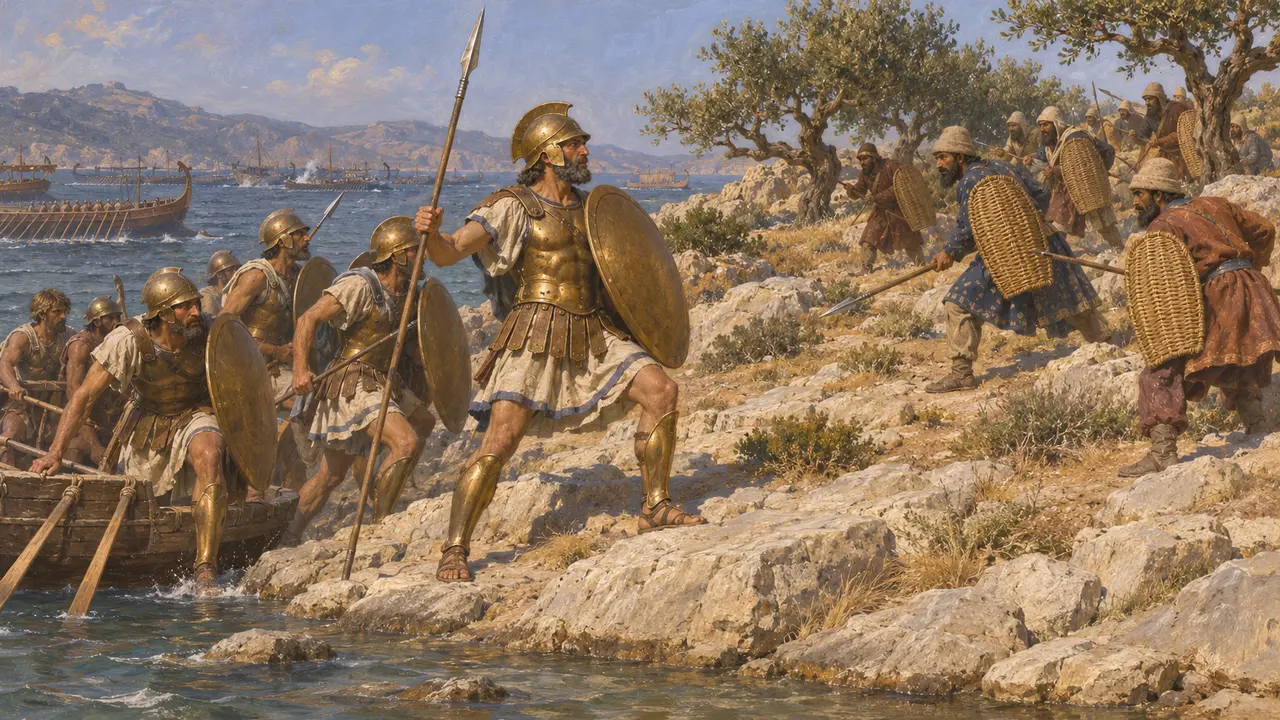
Ancient accountHerodotus says Aristides crossed from Aegina to Salamis on the night before the battle and told Themistocles that the Persian fleet had surrounded the Greeks. Herodotus calls him the best and most upright man in Athens. During the battle, Aristides landed Athenian hoplites on the islet of Psyttaleia and killed the Persian troops posted there.
Herodotus 8.79-81, 8.95
Commander at Plataea
Ancient accountIn 479 Aristides led the eight thousand Athenians on the left of the Greek line. Herodotus says Pausanias once proposed that the Athenians swap wings with the Spartans to face the Persians, but the move was reversed. In the final battle the Athenians fought the Boeotians, among whom the Thebans fought hardest for Mardonius.
Herodotus 9.28, 9.46-47, 9.67
The tribute of Aristides
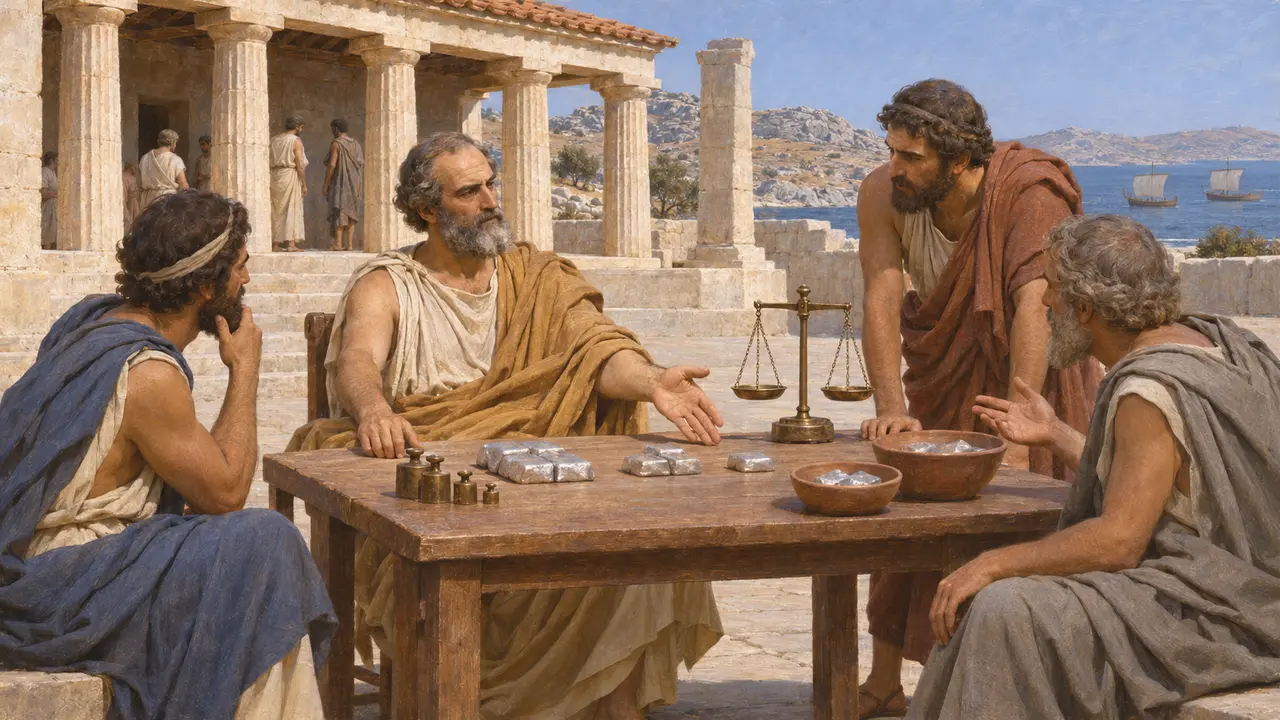
DisputedAfter 478 the Greek allies formed a league against Persia, and the Constitution of the Athenians says Aristides assessed what each member should pay. Thucydides refers to the tribute fixed in his time and gives a first total of 460 talents. Historians debate whether that figure is right for the first year. They also debate how far the assessment followed the Persian tribute that Artaphernes had set for the Ionian cities after their revolt.
Aristotle (attrib.), Constitution of the Athenians 23.5; Thucydides 1.96, 5.18; Herodotus 6.42; R. Meiggs, The Athenian Empire, 1972
The farmer and the potsherd
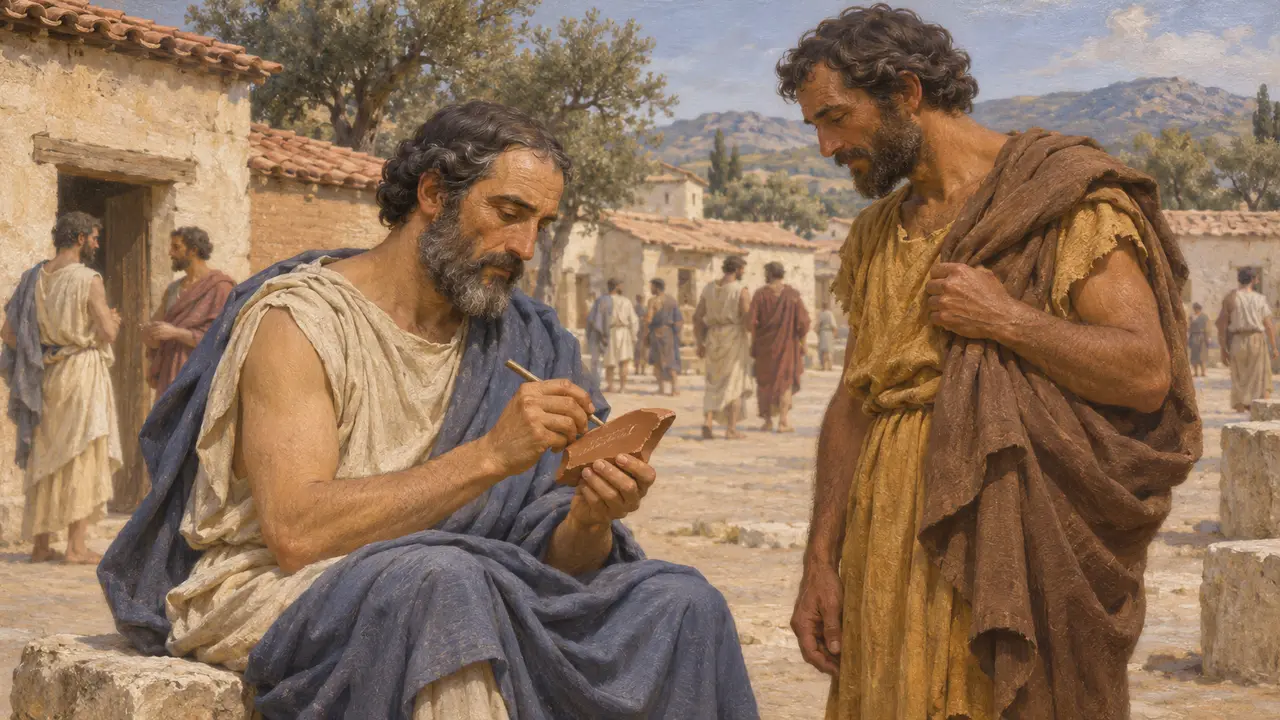
Later legendPlutarch, writing some six centuries later, tells a story about the vote that exiled him. An illiterate countryman asked a stranger to write 'Aristides' on his sherd, saying he was tired of hearing the man called the Just. The stranger was Aristides himself, and he wrote his own name. Plutarch also says Aristides died so poor that the city paid for his burial.
Plutarch, Aristides 7, 27
Sources
- Herodotus, Histories, books 8 and 9
- Aristotle (attrib.), Constitution of the Athenians 22-23
- Thucydides 1.96, 5.18
- Plutarch, Life of Aristides
- R. Meiggs, The Athenian Empire, 1972
- M. Lang, Ostraka (The Athenian Agora 25), 1990