Gaming Court
Dice, knucklebones and ball games at Sardis and across the empire, about 550-479 BCE
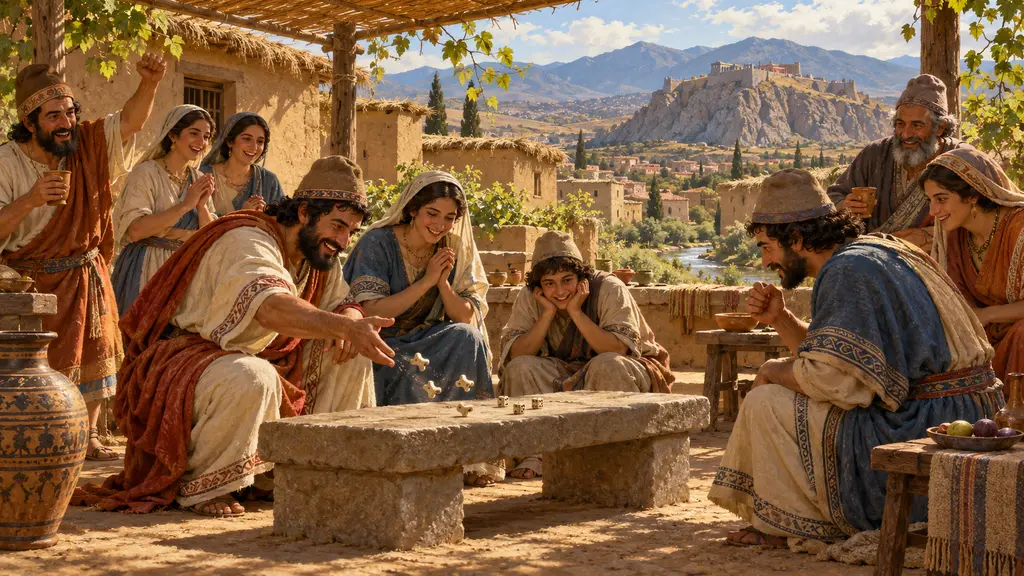
Games of chance and skill were played across the Persian empire, in courtyards, streets and palaces. Herodotus records a Lydian claim to have invented dice, knucklebones and ball games during a long famine. The claim cannot be true as history, but it shows the Lydians wanting credit for pastimes they shared with the Greeks.
In the game: In the Sardis level the Gaming Court is a services building. Its note follows Herodotus fairly, but no dedicated gaming buildings are known; games were played in open courts and streets, so the building is the game's invention.
The Lydian famine story
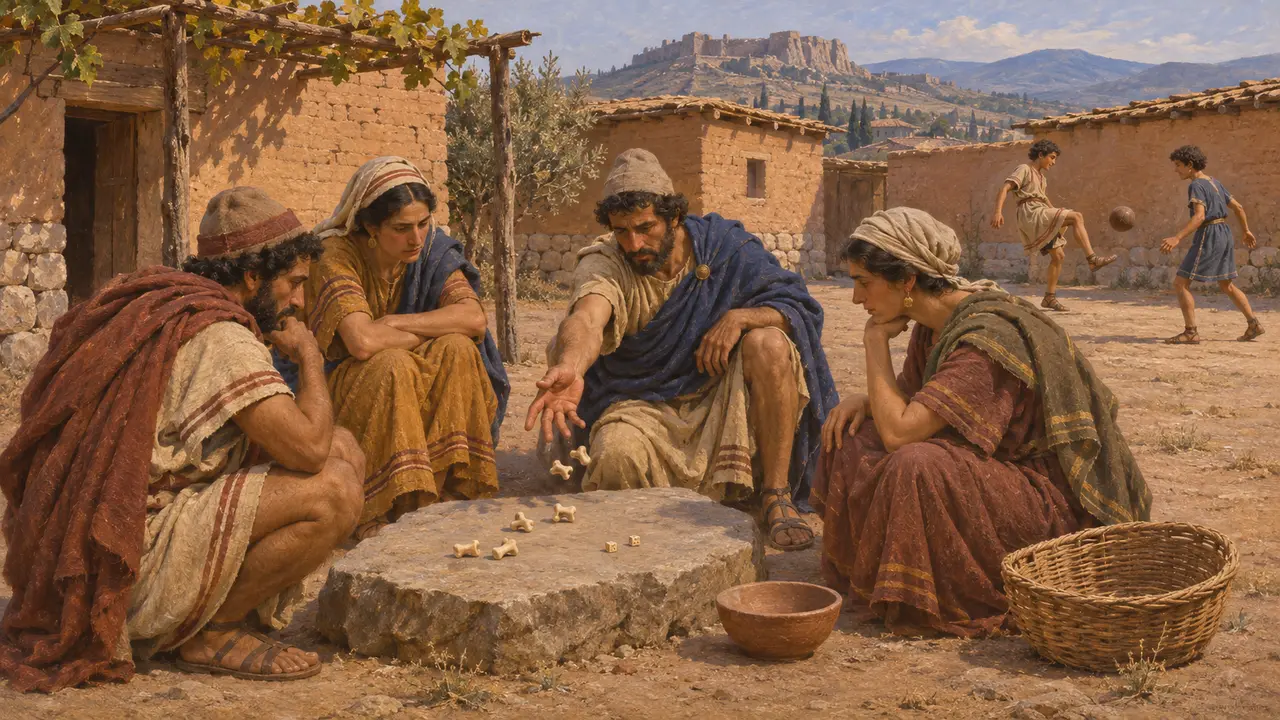
Ancient accountHerodotus says the Lydians claimed to have invented the games shared by them and the Greeks, including dice, knucklebones and ball games, though not draughts. He tells how, in a famine under King Atys, they played all day on one day so as not to think of food, and ate on the next. After eighteen years, he says, half the people left by lot and sailed west under Tyrrhenus.
Herodotus 1.94
Older than Lydia
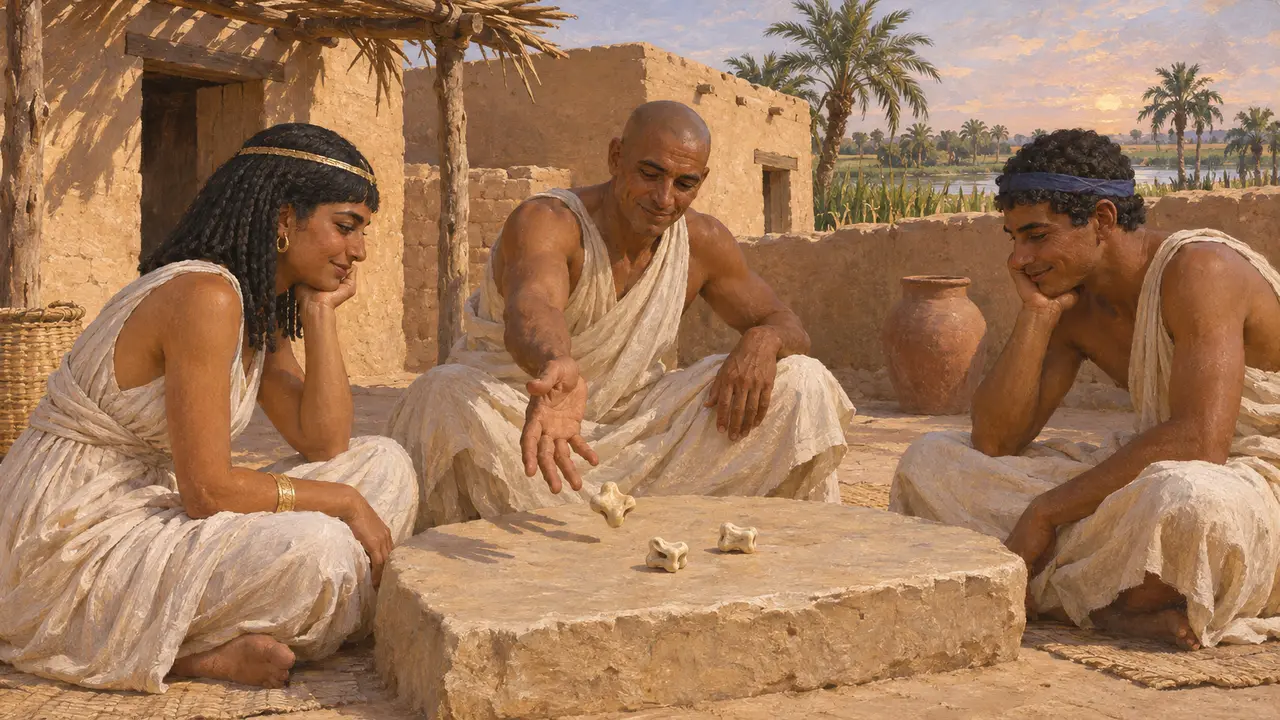
DisputedHistorians do not accept the Lydian claim of invention. Dice and knucklebones were already old in Egypt, Mesopotamia and the Indus valley long before the Lydian kings. The tale of the emigration under Tyrrhenus, once used to explain the origin of the Etruscans, is also much argued over and generally doubted.
I. Finkel (ed.), Ancient Board Games in Perspective, 2007
The bronze knucklebone from Susa
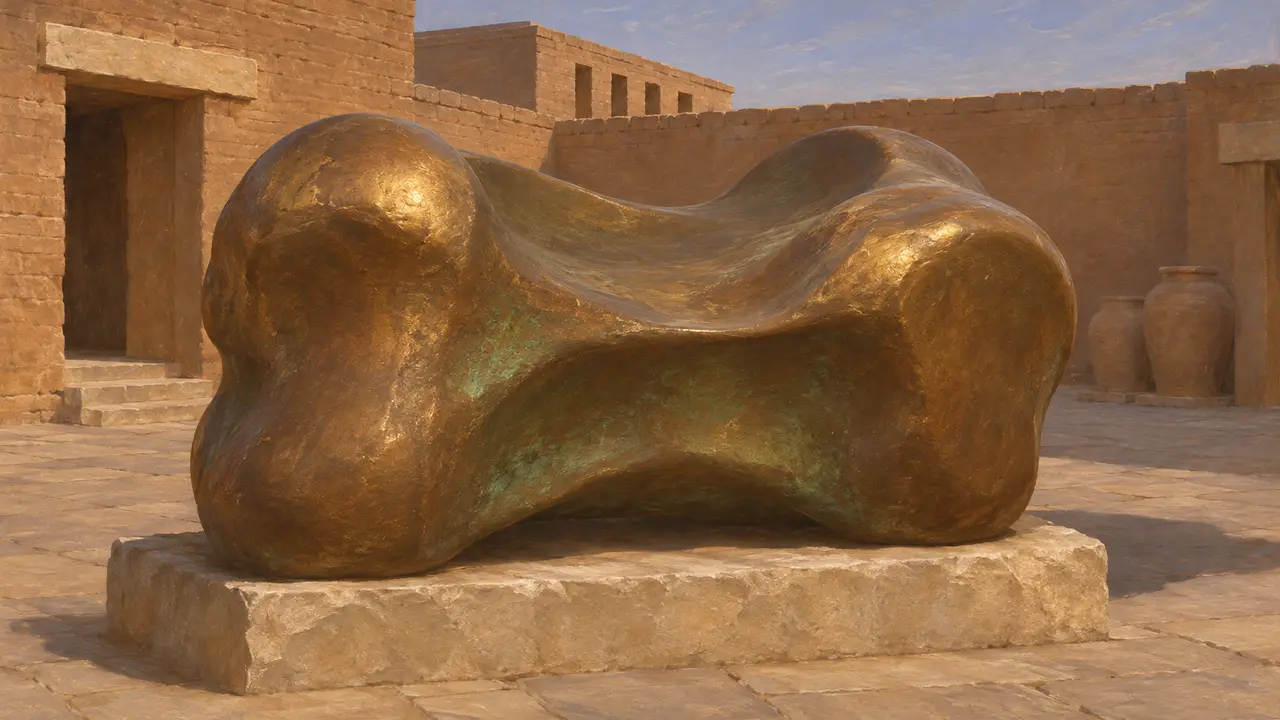
In the recordFrench excavators at Susa in 1901 found a bronze knucklebone weighing over 90 kilograms, inscribed in Greek as a tithe offered to Apollo. It probably came from the sanctuary of Apollo at Didyma near Miletus and was carried off as booty after the Persians took Miletus in 494. It is now in the Louvre and shows that knucklebones could be sacred offerings as well as playthings.
Bronze astragalus from Susa, Louvre (French excavations at Susa, 1901)
Dice at the Persian court
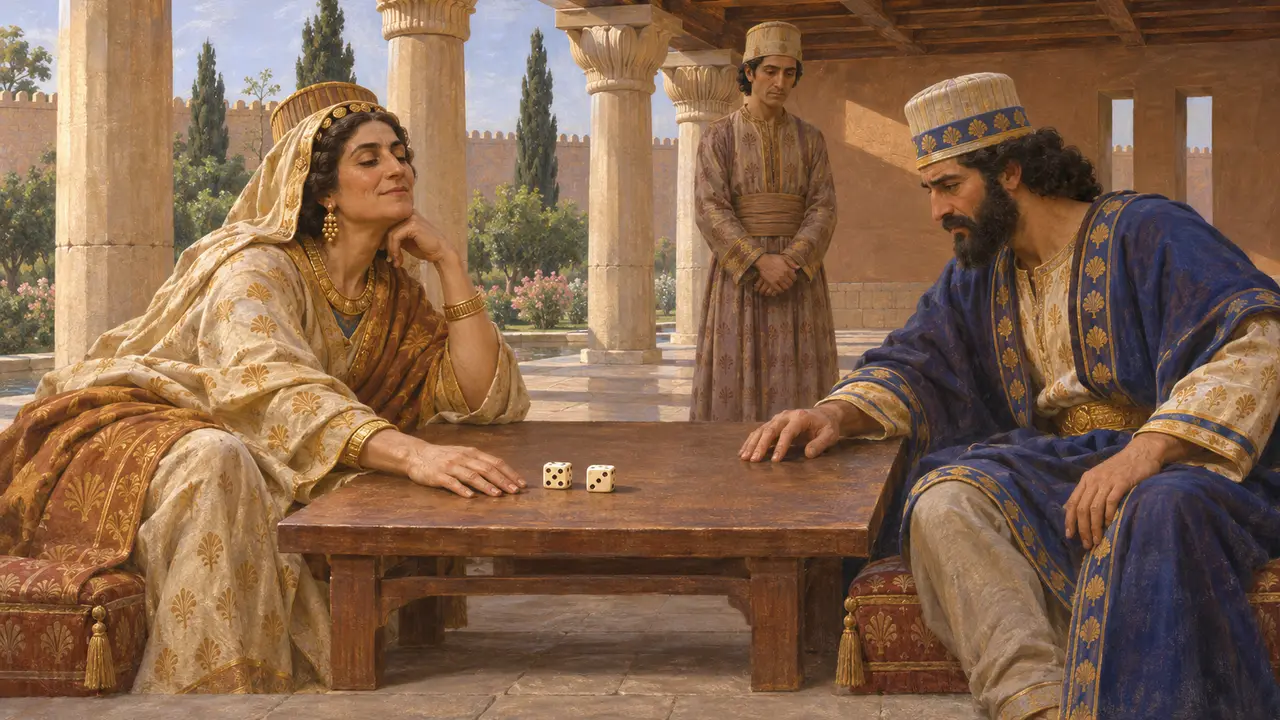
Ancient accountPlutarch describes Queen Parysatis playing dice with her son Artaxerxes II and winning from him the eunuch Masabates, whom she blamed for mutilating the body of her younger son Cyrus and then had put to death. The story is set soon after the battle of Cunaxa in 401, well after this game's period, and is told as court drama, but it suggests dice were a familiar pastime among the Persian elite.
Plutarch, Artaxerxes 17
The boy who played at being king
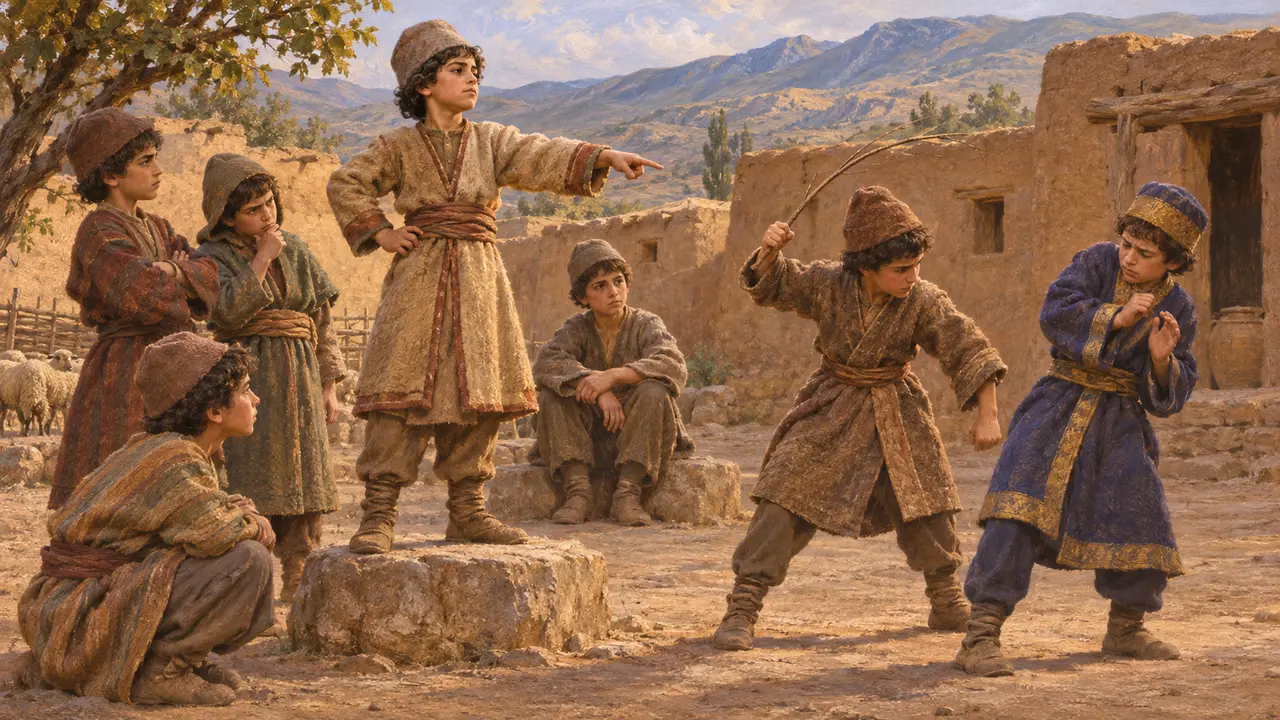
Later legendHerodotus tells that the young Cyrus, raised as a herdsman's son, was chosen king by the village boys in their game and had a nobleman's son beaten for disobeying him. The episode is a moral tale about a born ruler revealed through play, not a record of real events.
Herodotus 1.114
Sources
- Herodotus 1.94
- Herodotus 6.19
- Herodotus 1.114
- Plutarch, Artaxerxes 17
- I. Finkel (ed.), Ancient Board Games in Perspective, 2007
- P. Briant, From Cyrus to Alexander, 2002