
Coes of Mytilene
Greek commander in Darius's service at the Ister, about 513 BCE
Coes, son of Erxander, was a Greek from Mytilene on Lesbos who followed Darius on the Scythian campaign. Herodotus says he advised Darius to keep the bridge over the Ister standing, and that Darius rewarded him with the rule of his home city. Only Herodotus tells the story.
In the game: The game names Coes only in the event articles on the debate at the Ister bridge and Darius's Scythian campaign. He has no figure, building or mechanic of his own.
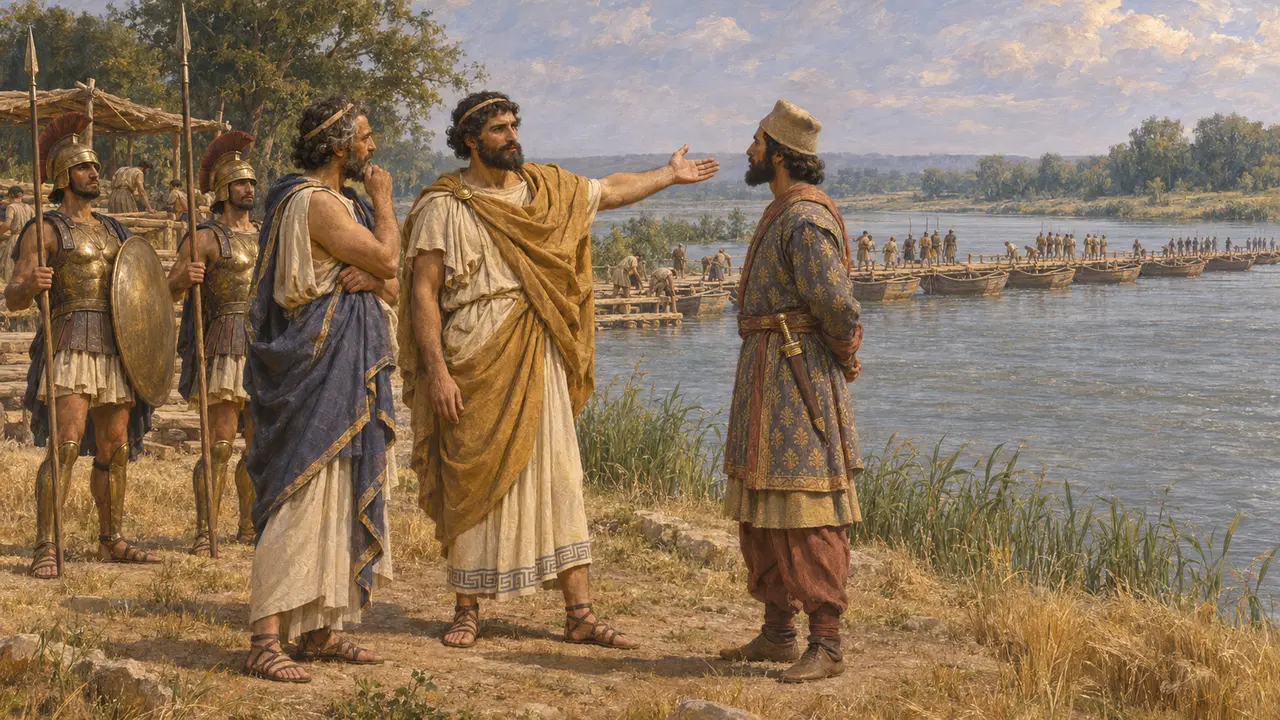
A Greek in the King's service
Ancient accountHerodotus names Coes, son of Erxander, as a commander of the Mytileneans who went with Darius to the Ister. He appears among the Greek leaders who served the King there, alongside Histiaeus of Miletus. Herodotus is the only ancient writer to name him.
Herodotus 4.97
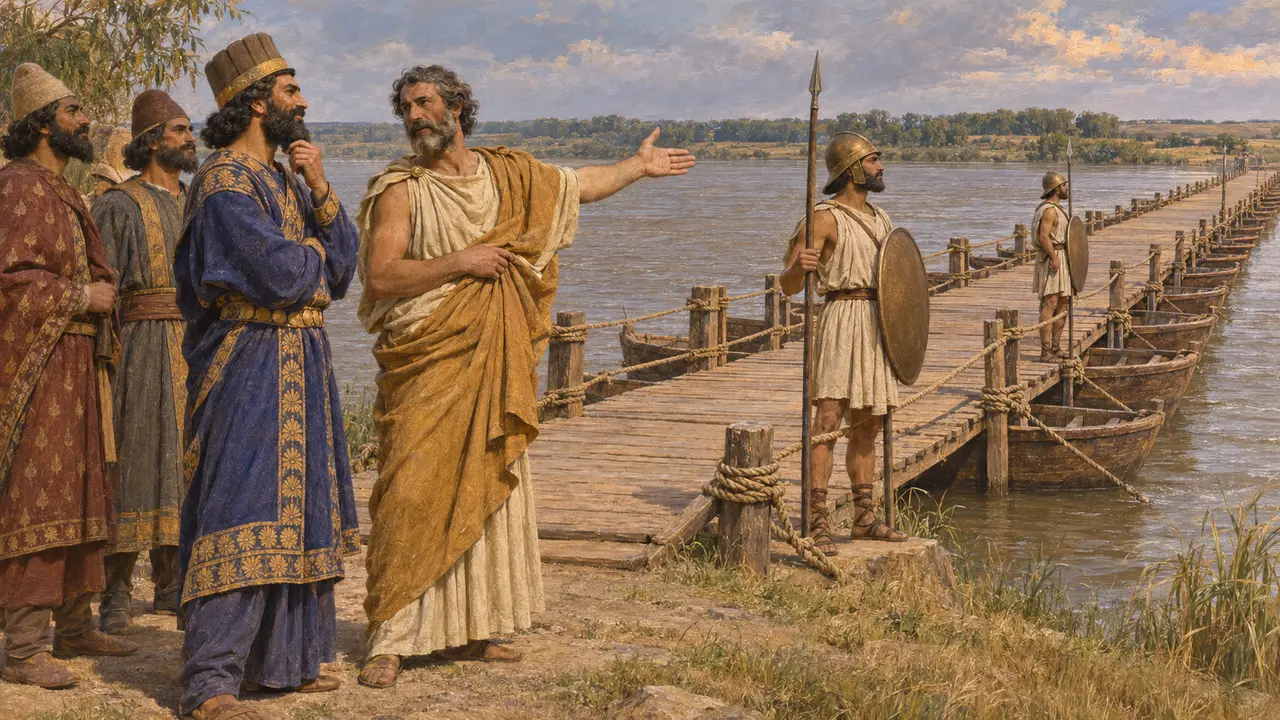
The advice at the bridge
Ancient accountHerodotus says Coes gave Darius advice as the King considered the bridge: it should stay in place, guarded by the Ionians who had built it, in case the campaign went badly. Darius approved. Later, when the Scythians urged the Ionians to break the bridge, Herodotus reports a separate debate in which Miltiades the Athenian favoured breaking it and Histiaeus argued against.
Herodotus 4.97; 4.136-137
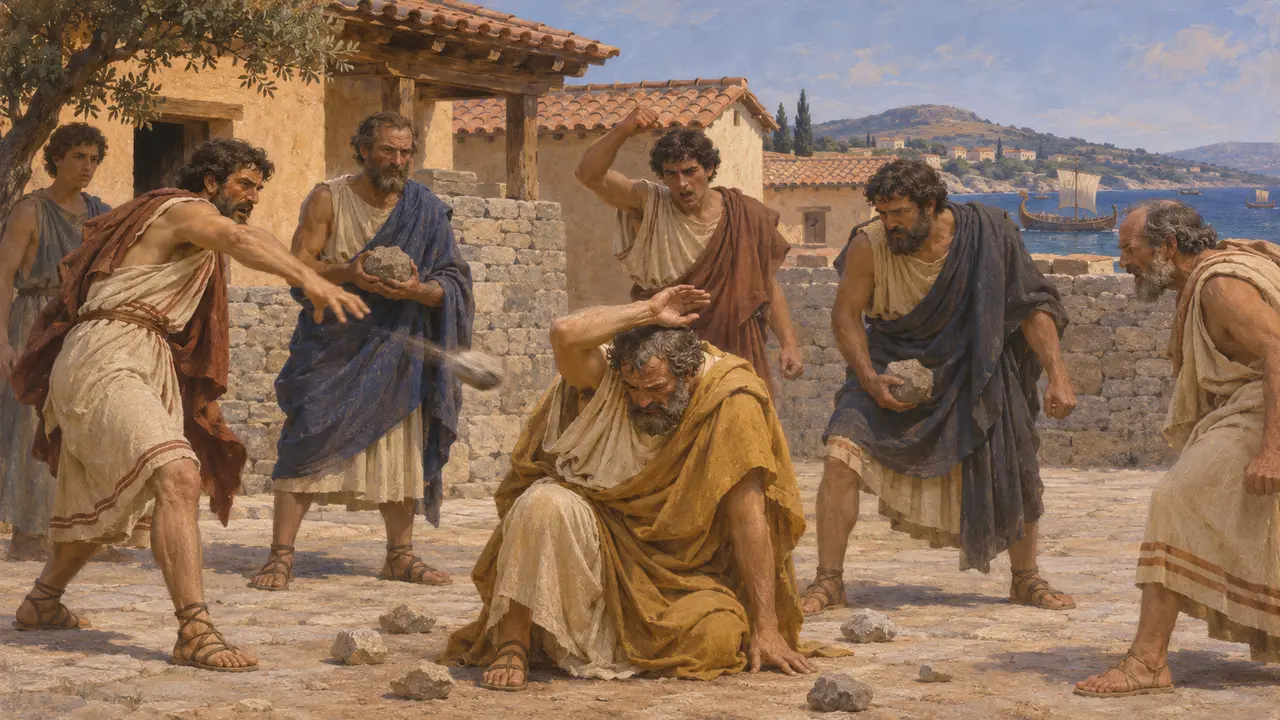
Reward and later fate
Ancient accountHerodotus says Darius offered Coes a reward of his choice, and Coes asked for the tyranny of Mytilene. Herodotus reports that when the Ionian Revolt began, the people of Mytilene seized Coes and stoned him to death.
Herodotus 5.11; 5.38
How far the story can be trusted
DisputedNo Persian text mentions Coes or the debate, so the account rests on Herodotus alone. Historians argue over how much of the Ister bridge episode and the speeches goes back to real events and how much was shaped by later tellings and by the Ionian Revolt. The course of the Scythian campaign itself remains uncertain.
Herodotus 4.137; P. Briant, From Cyrus to Alexander, 2002
Sources
- Herodotus 4.97
- Herodotus 4.136-137
- Herodotus 5.11
- Herodotus 5.38
- P. Briant, From Cyrus to Alexander, 2002