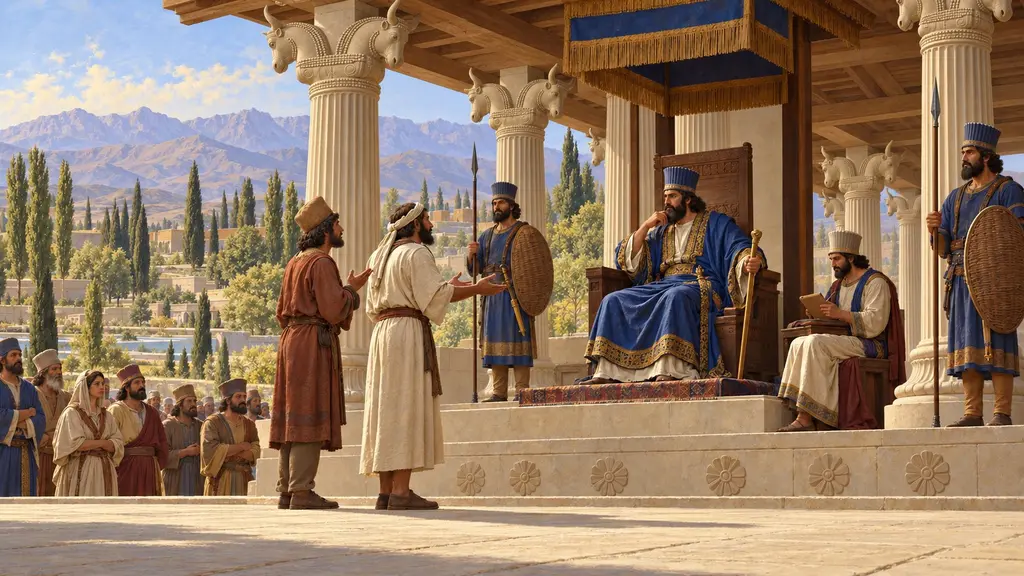
Judgment Seat
Seat of the King's judges, Achaemenid empire, 6th to 5th centuries BCE
Royal judges heard disputes and crimes in the King's name and were expected to speak his law. Greek writers remembered them as a powerful body of chosen Persians. Persian inscriptions present the King as the guardian of justice, and documents from Babylonia and Egypt show judges at work under Persian rule.
In the game: The Judgment Seat is a service building where a Royal Judge hears cases, and houses within eight cells are calmer, a simplification of how royal justice worked. Its note on Cambyses follows Herodotus 5.25.
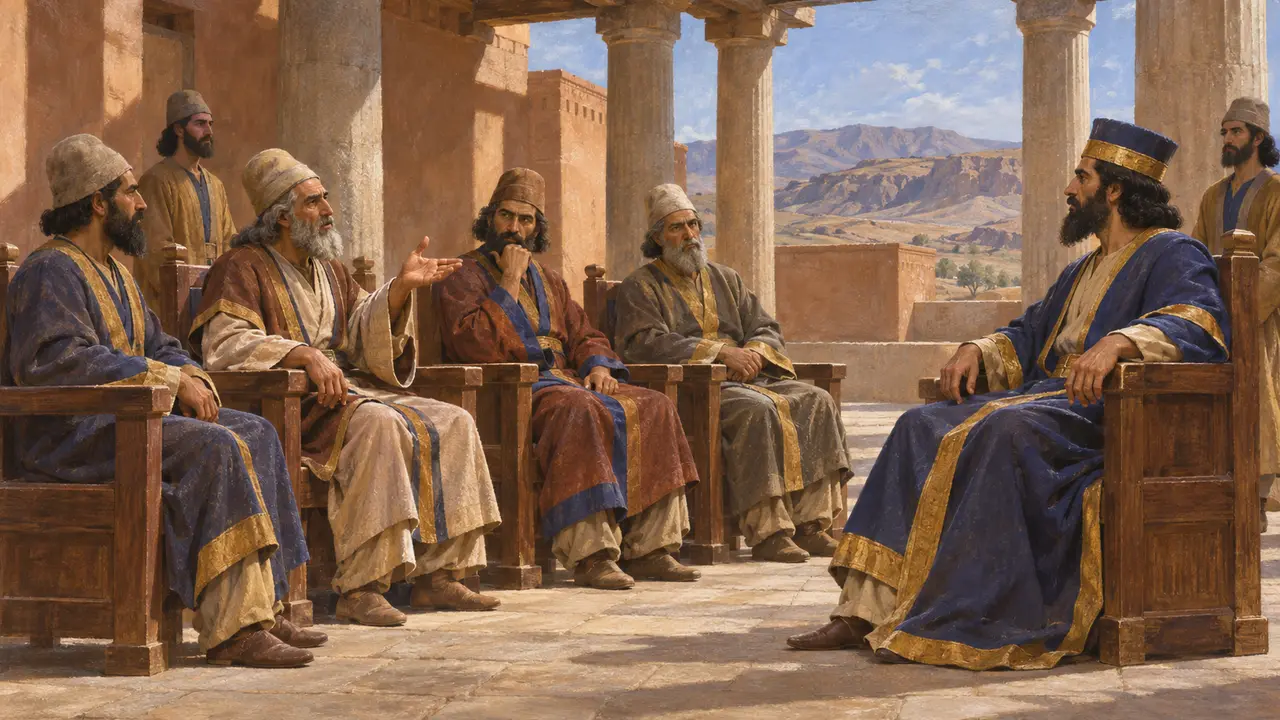
The royal judges in Herodotus
Ancient accountHerodotus says the royal judges were chosen men among the Persians who held office for life unless found guilty of injustice. They interpreted the ancestral laws and settled cases brought to them. When Cambyses wished to marry his sister, he says, the judges found no law allowing it but pointed to one letting the King do as he pleased.
Herodotus 3.31
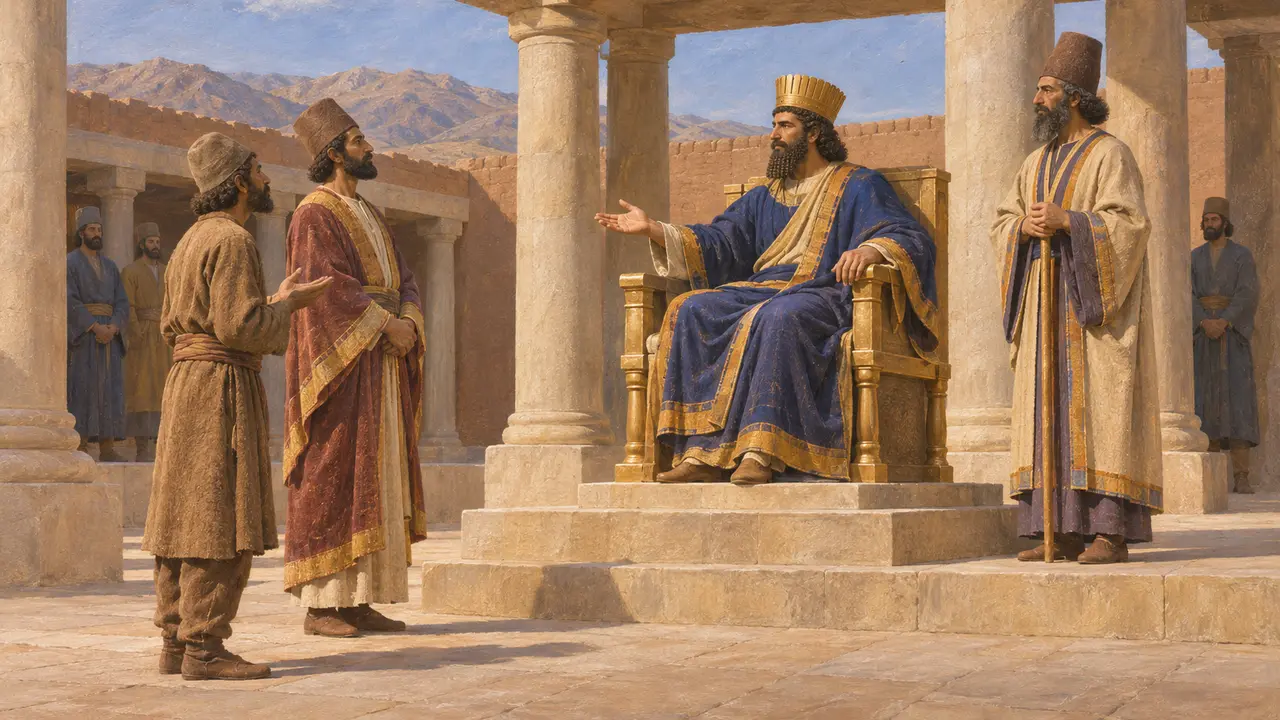
Justice in the King's own words
In the recordAt Behistun Darius says the lands respected his law and that he rewarded the loyal and punished the wicked. His tomb inscription at Naqsh-e Rostam has him declare that he is a friend to right and does not want the weak wronged by the strong, nor the strong by the weak. Justice was part of how the King described his rule.
DB §8; DNb
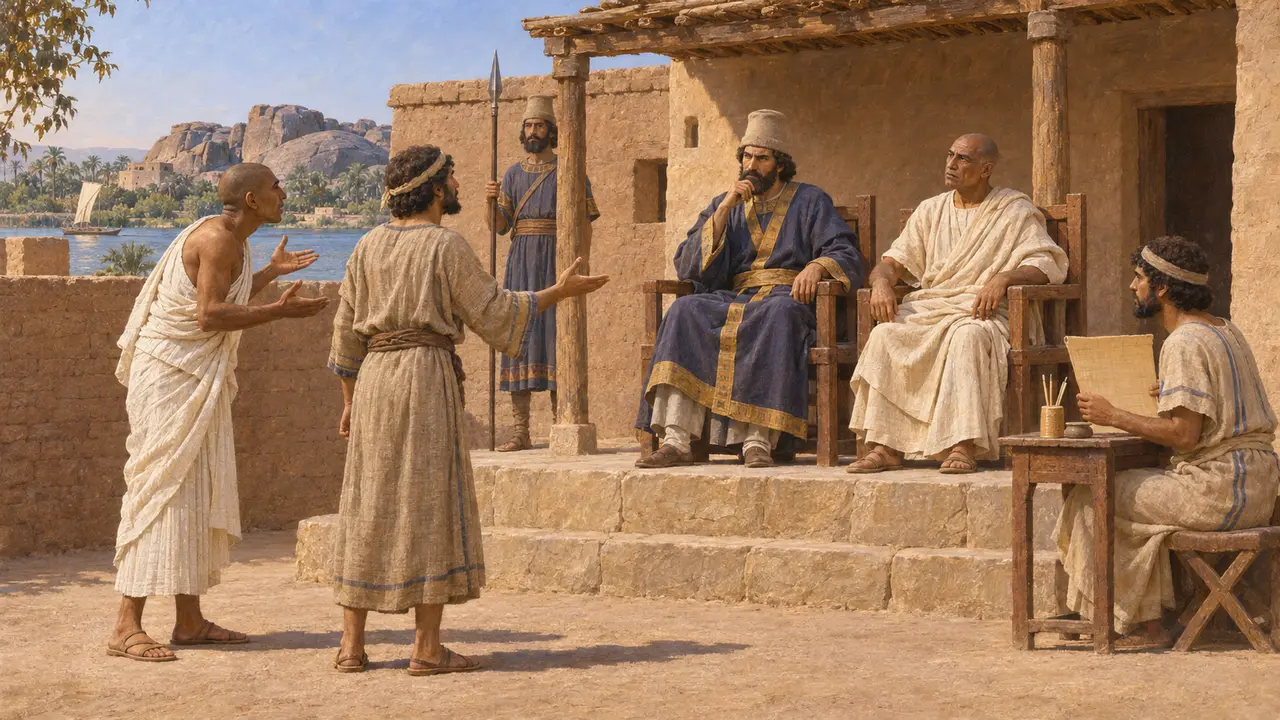
Judges in the documents
In the recordBabylonian legal texts of the Persian period use the loanword databari, from an Old Persian title reconstructed as dātabara, law-bearer, for some judges. Aramaic papyri from Elephantine mention judges of the king and judges of the province hearing disputes in the garrison community. These texts show local courts working alongside officials who answered to the King.
P. Briant, From Cyrus to Alexander, 2002; B. Porten, Archives from Elephantine, 1968
An imperial law code or local laws
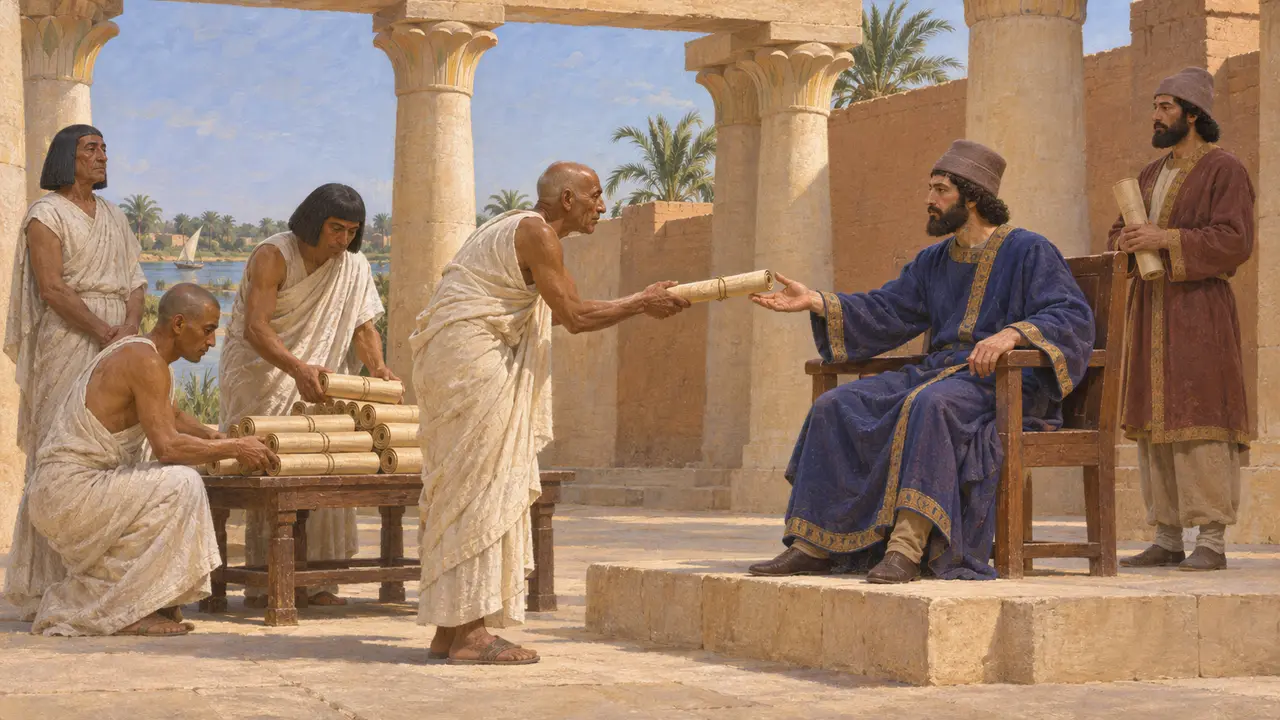
DisputedHistorians disagree on whether Darius imposed one law across the empire or approved local laws instead. A Ptolemaic text on the back of the Demotic Chronicle papyrus says he ordered Egyptian laws collected, and Diodorus names him among Egypt's lawgivers. Some scholars see a policy of royal authorisation of local law, while others think the evidence is too thin to show a system.
P. Frei and K. Koch, Reichsidee und Reichsorganisation im Perserreich, 1996; Diodorus 1.95
Sisamnes and the seat of skin
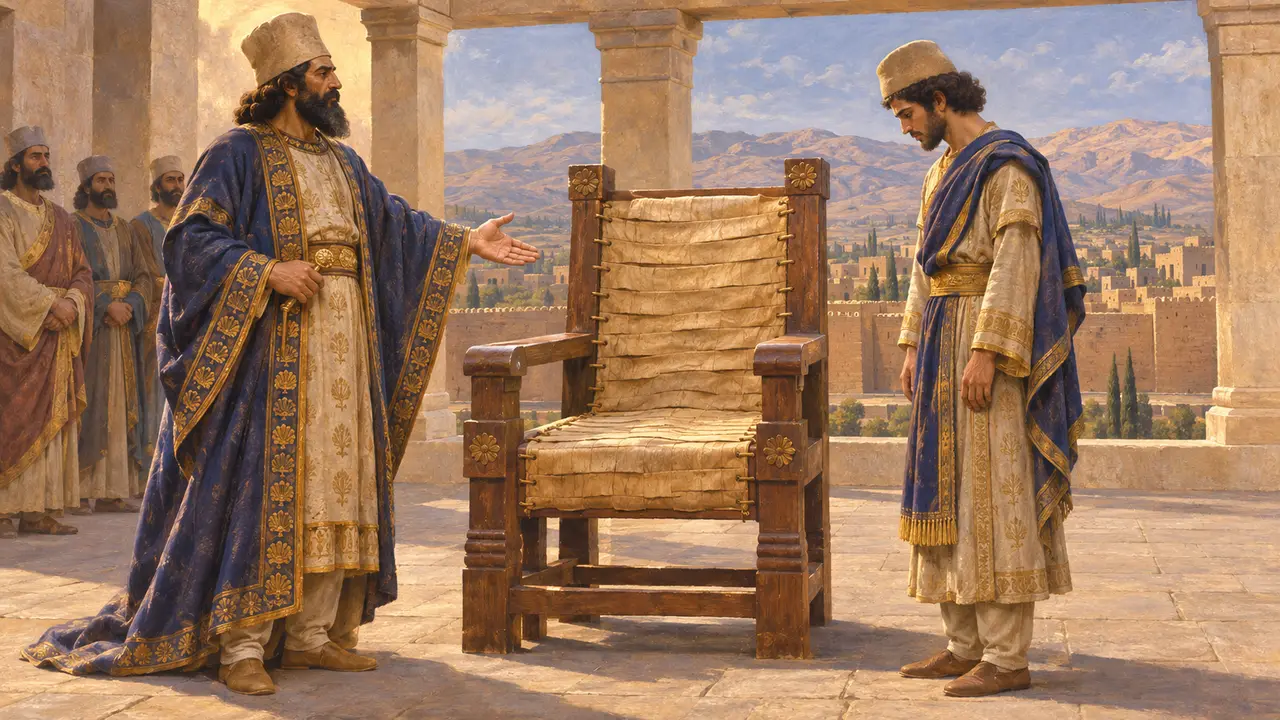
Later legendHerodotus tells that Cambyses executed the royal judge Sisamnes for taking a bribe, had him flayed, and covered the judgment seat with strips of his skin. He then made the dead man's son Otanes judge and told him to remember what he sat on. Herodotus also says Darius crucified the judge Sandoces for corruption but had him taken down on recalling his services. Both stories read as moral tales.
Herodotus 5.25; Herodotus 7.194
Sources
- Herodotus 3.31
- Herodotus 5.25
- Herodotus 7.194
- DB §8; DNb
- P. Briant, From Cyrus to Alexander, 2002
- P. Frei and K. Koch, Reichsidee und Reichsorganisation im Perserreich, 1996