Encyclopedia › Wildlife and weather

The aurochs
The giant wild ox of Europe and Asia, extinct in 1627 CE; known to Herodotus in 480 BCE
In the game: Level 6: The Bridge of Boats, Level 9: The Canal
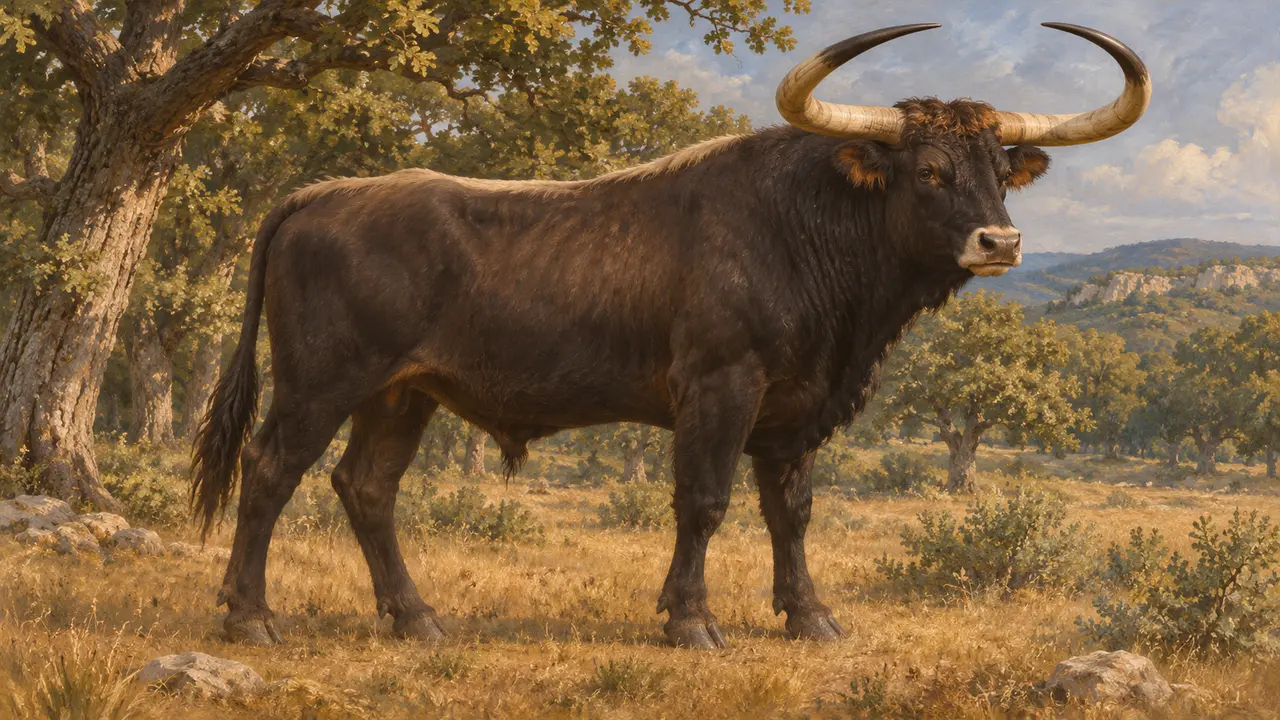
The aurochs (Bos primigenius) was a huge wild ox, the ancestor of domestic cattle, and it lived across Europe, western Asia and North Africa. Herodotus says wild oxen lived in the country Xerxes' army crossed in northern Greece in 480. The last known aurochs died in Poland in 1627 CE.
In the game: The game draws aurochs as wildlife on the Ister and Athos levels, on land the town has not taken. They are scenery only, and no rule reads them.
What the animal was
Ancient accountModern zoologists describe the aurochs as a wild ox much larger than most domestic cattle, with long, forward-curving horns. All domestic cattle are thought to descend from it. Julius Caesar, writing in the Gallic War, describes the animal in the forests of Germany, long after the Persian age.
Caesar, Gallic War 6.28
Wild oxen in northern Greece
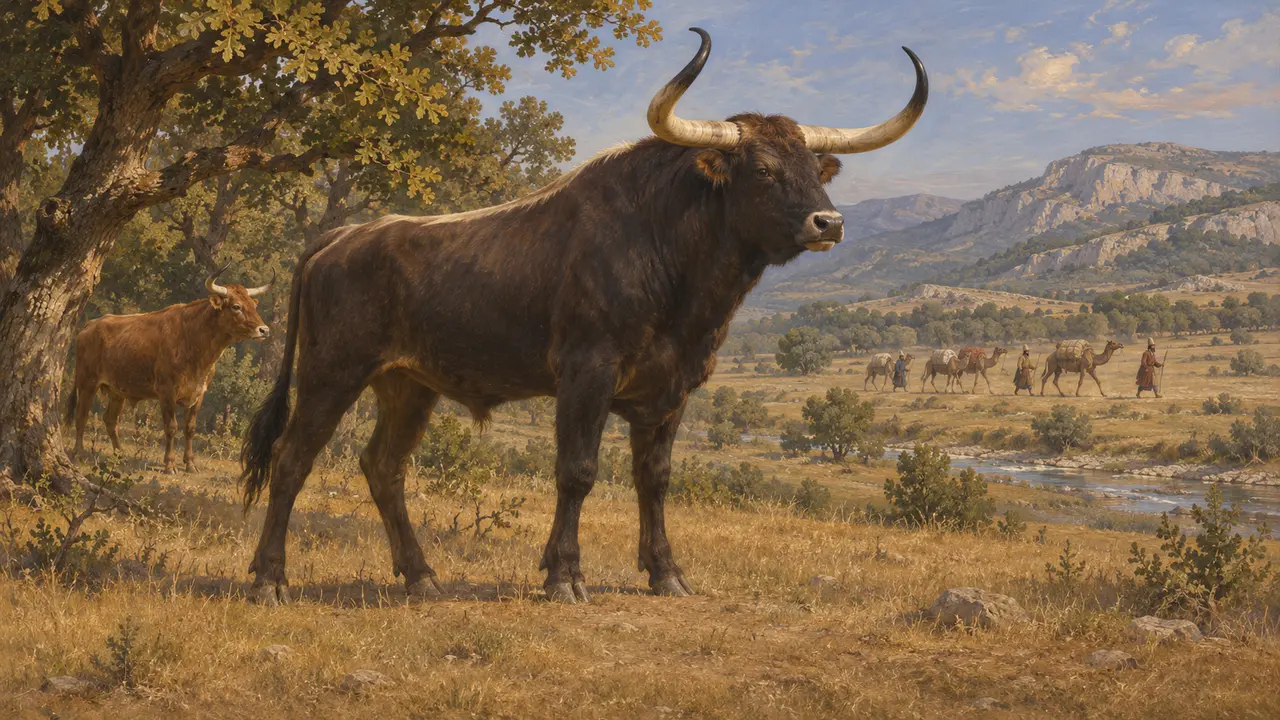
Ancient accountHerodotus says lions attacked the camels carrying Xerxes' supplies as the army marched through the country of northern Greece in 480. He adds that lions and wild oxen lived in that land, and that the horns of the oxen were taken to Greece. He is the only source for this march in these terms.
Herodotus 7.125-126
Wild bulls in Near Eastern kingship
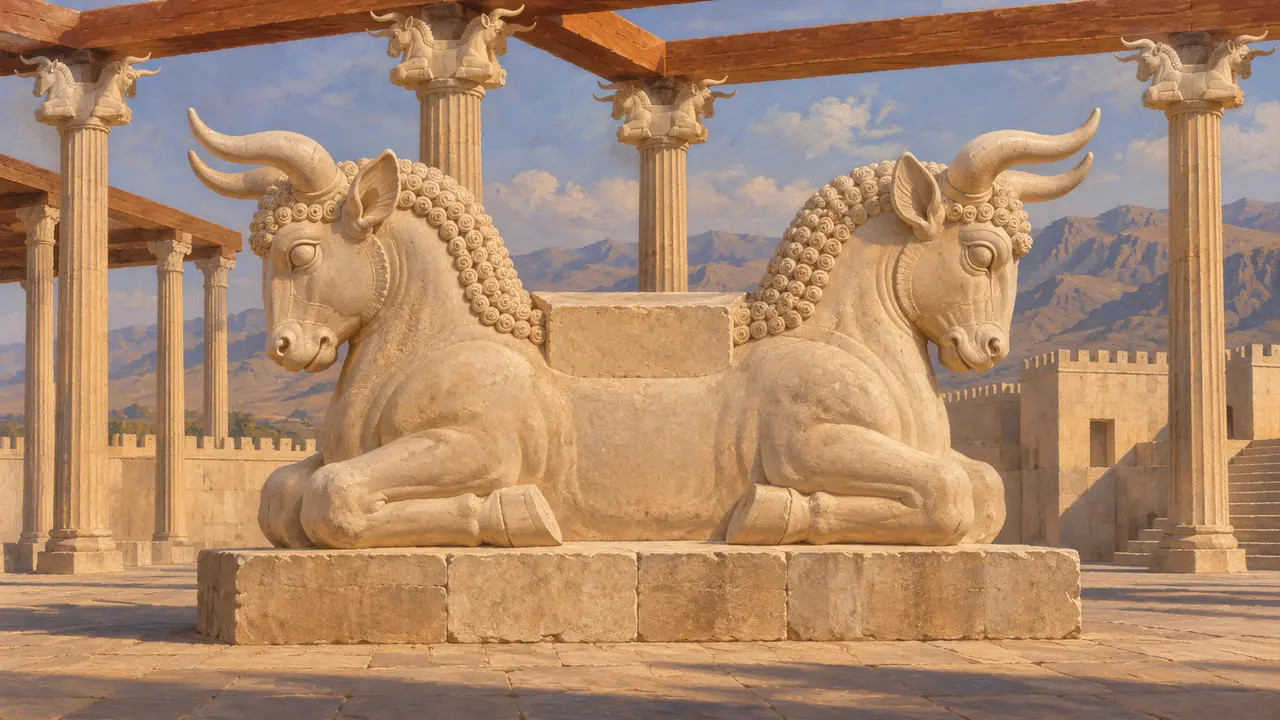
DisputedAssyrian kings boasted of hunting wild bulls, and the bull appears in Achaemenid art, as in the bull-headed column capitals of Persepolis. Whether these images show the aurochs specifically is not settled, and they should not be read as proof of how Persian kings hunted.
P. Briant, From Cyrus to Alexander, 2002
Extinction
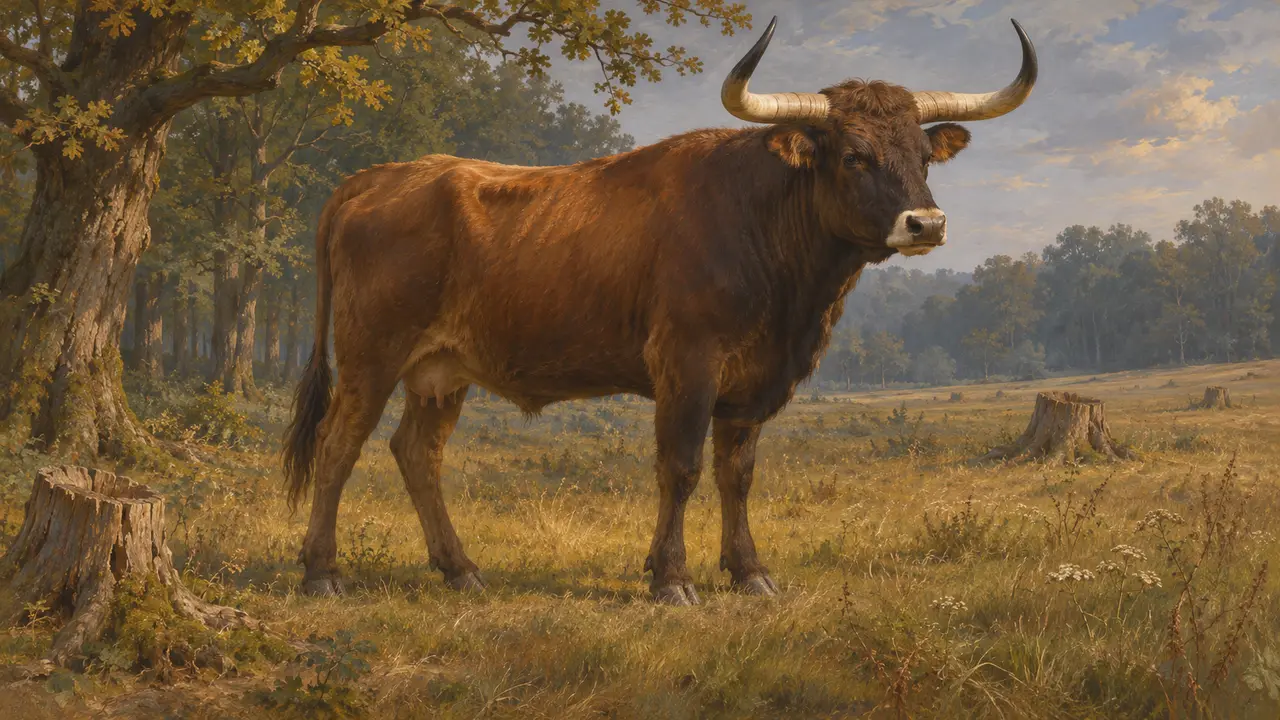
Ancient accountHunting and the loss of forest and grazing land reduced the aurochs across Europe over many centuries. Historians date the last animal, a cow, to 1627 in the Jaktorów forest in Poland. That date comes from later Polish records and modern study, not from Persian-age evidence.
Modern zoological and historical summaries
Sources
- Herodotus 7.125-126
- Caesar, Gallic War 6.28
- P. Briant, From Cyrus to Alexander, 2002