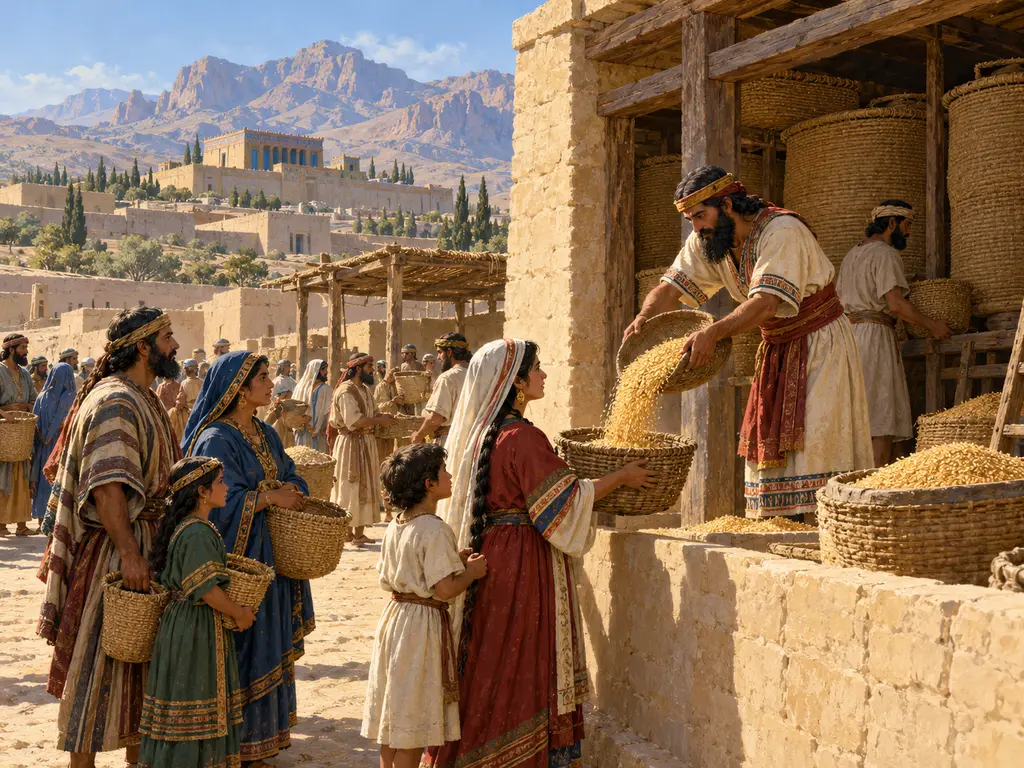
Grain dole
Royal rations of barley and other goods in Persis, about 509-493 BCE
The Persian King's administration fed the people who worked for it. Clay tablets from Persepolis record monthly rations of barley, with wine, beer and flour, issued to workers, officials and travellers in Persis and the neighbouring lands toward Elam. These rations were a form of pay for royal service, not a free handout to every household. They show how the crown turned the harvest of its estates into labour.
In the game: A standing order on the Ledger's Taxes page has every lived-in house draw barley monthly, and the King's favour rises when it is met. The tablets record rations to workers and officials in royal service, not to every household.
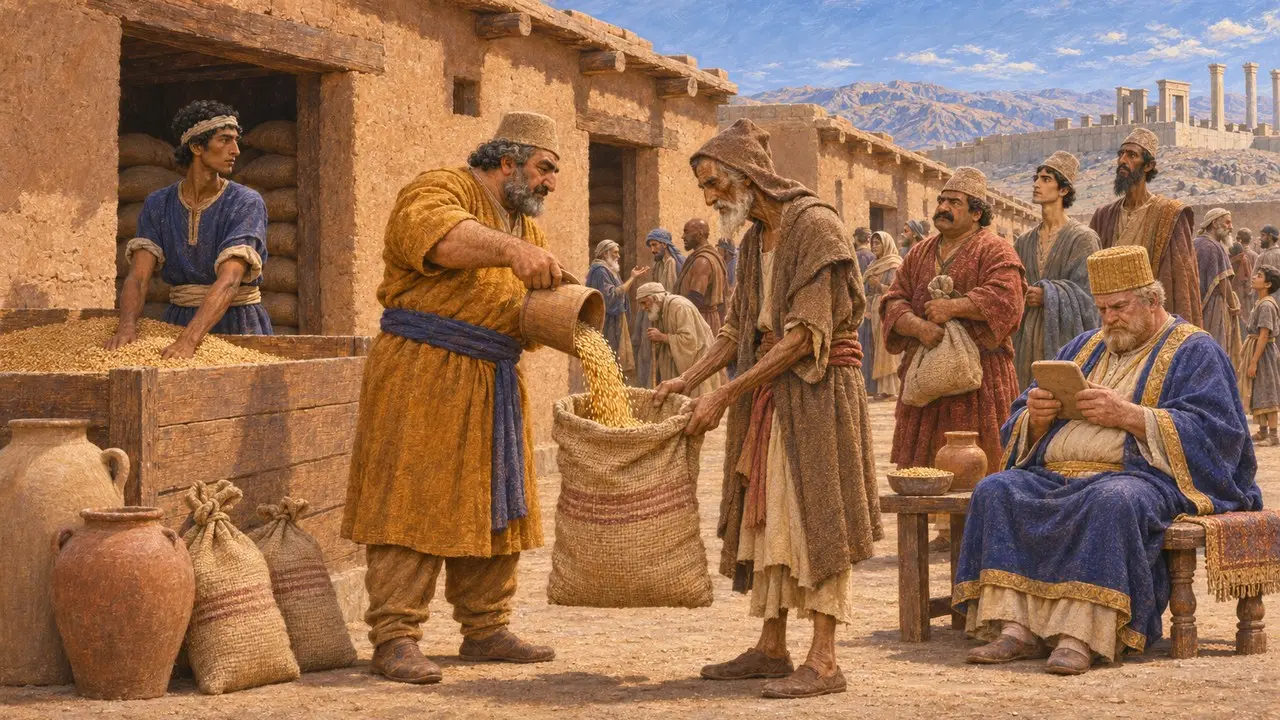
Barley counted by the month
In the recordThe Persepolis Fortification tablets are thousands of mostly Elamite clay documents found in 1933-34. They cover roughly the years 509 to 493, in the reign of Darius. Many record barley drawn from royal stores and handed out month by month, with the responsible officials, the recipients and the amounts, measured in units of about a litre. A common monthly ration for a grown man was around thirty of these units.
R. T. Hallock, Persepolis Fortification Tablets, 1969
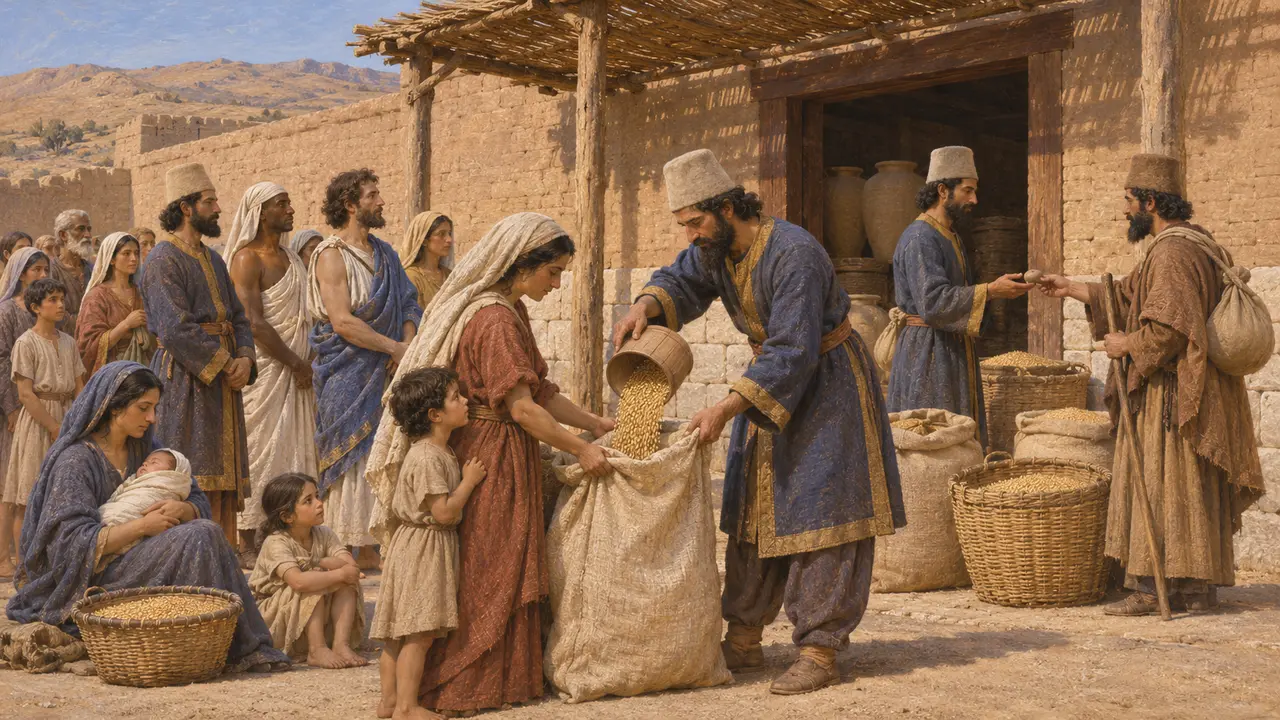
Who drew the rations
In the recordMuch of the grain went to workers the tablets call kurtaš, organised in groups by trade and origin, among them Persians, Lydians, Egyptians and Ionians. Men, women and children appear, with amounts graded by age, sex and skill. Some women received extra rations after giving birth, more for a boy than a girl. Travellers on the roads drew daily rations at way stations by showing a sealed authorisation.
M. Brosius, Women in Ancient Persia, 1996
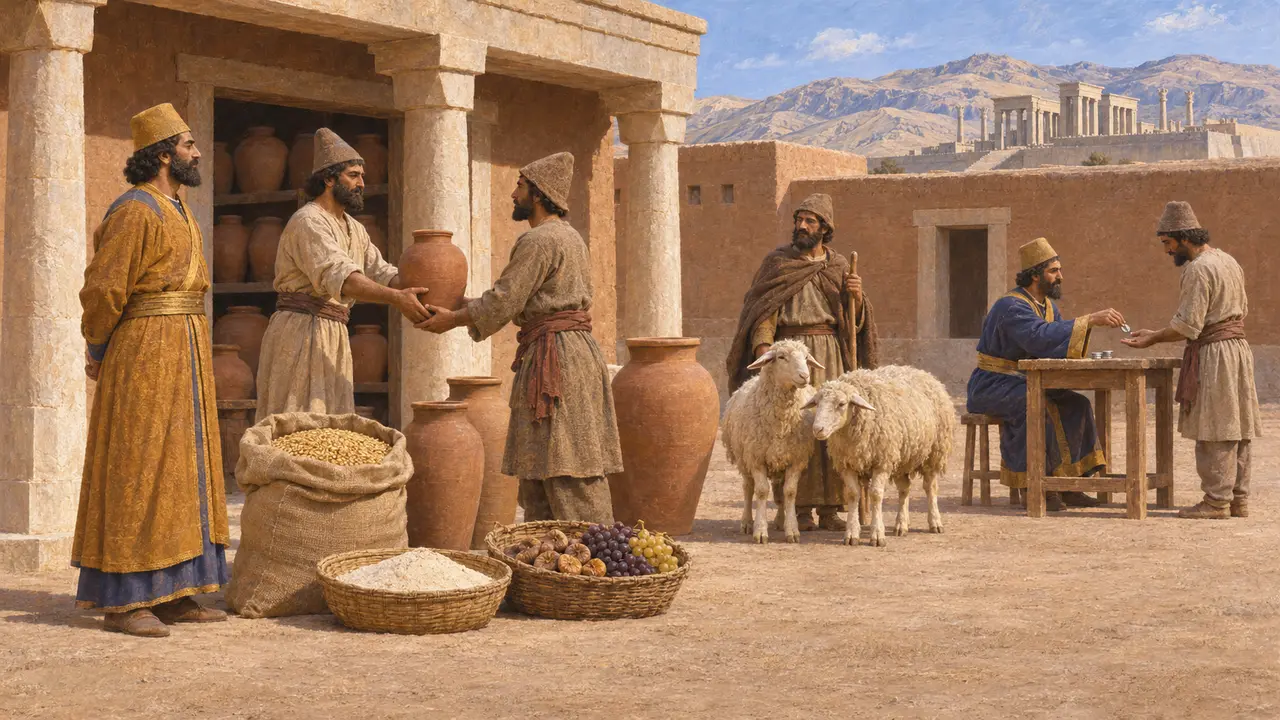
Wine, beer, sheep and silver
In the recordGrain was the base, but the same system issued wine, beer, flour, fruit and livestock, often to officials, for special occasions or as offerings to the gods. For much of the archive's span the network answered to Parnaka, a senior noble and probably an uncle of Darius, who ran the King's economy in Persis. The Persepolis Treasury tablets, a later archive, show some workers receiving part of their pay in silver in place of goods.
G. G. Cameron, Persepolis Treasury Tablets, 1948
Herodotus reckons the army's bread
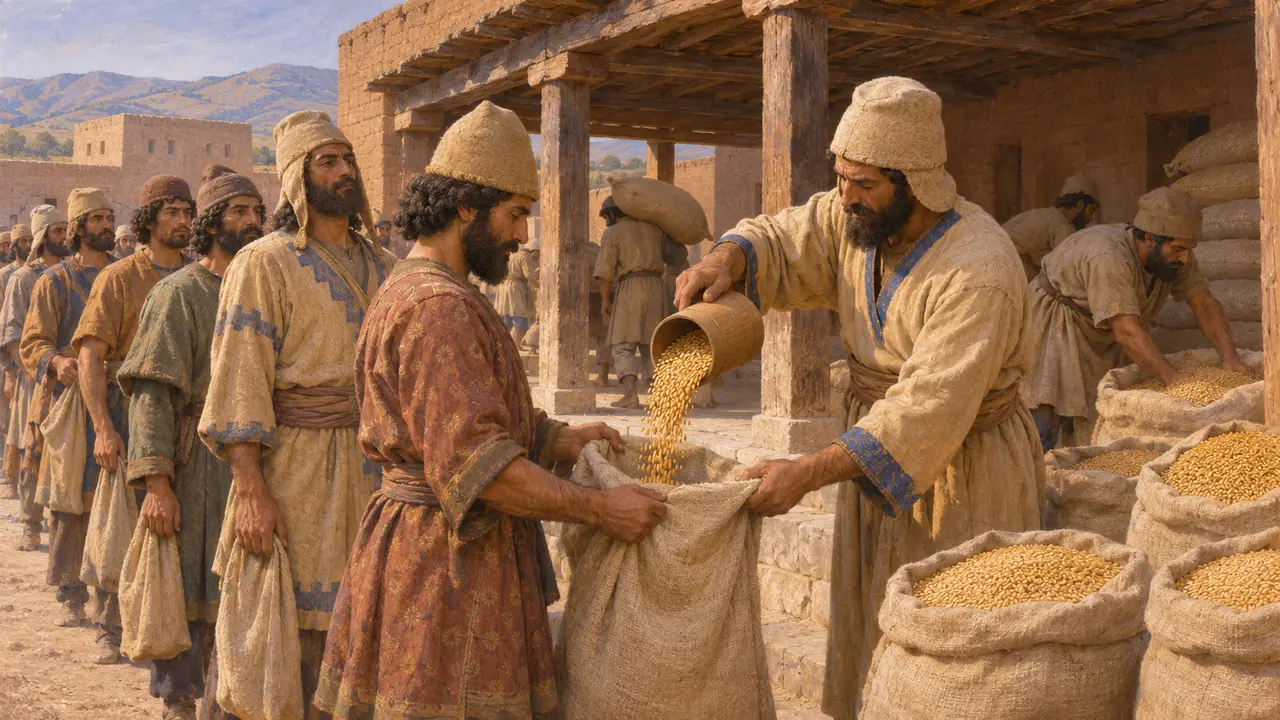
Ancient accountHerodotus tries to work out how much grain Xerxes' army consumed in 480, assuming a daily ration of one choinix of wheat per man, roughly a litre. His total rests on his own army figures, which historians regard as greatly exaggerated. The passage still shows that Greeks thought of the Persian host as a body fed by the King from organised stores.
Herodotus 7.187
Paid workers or bound servants
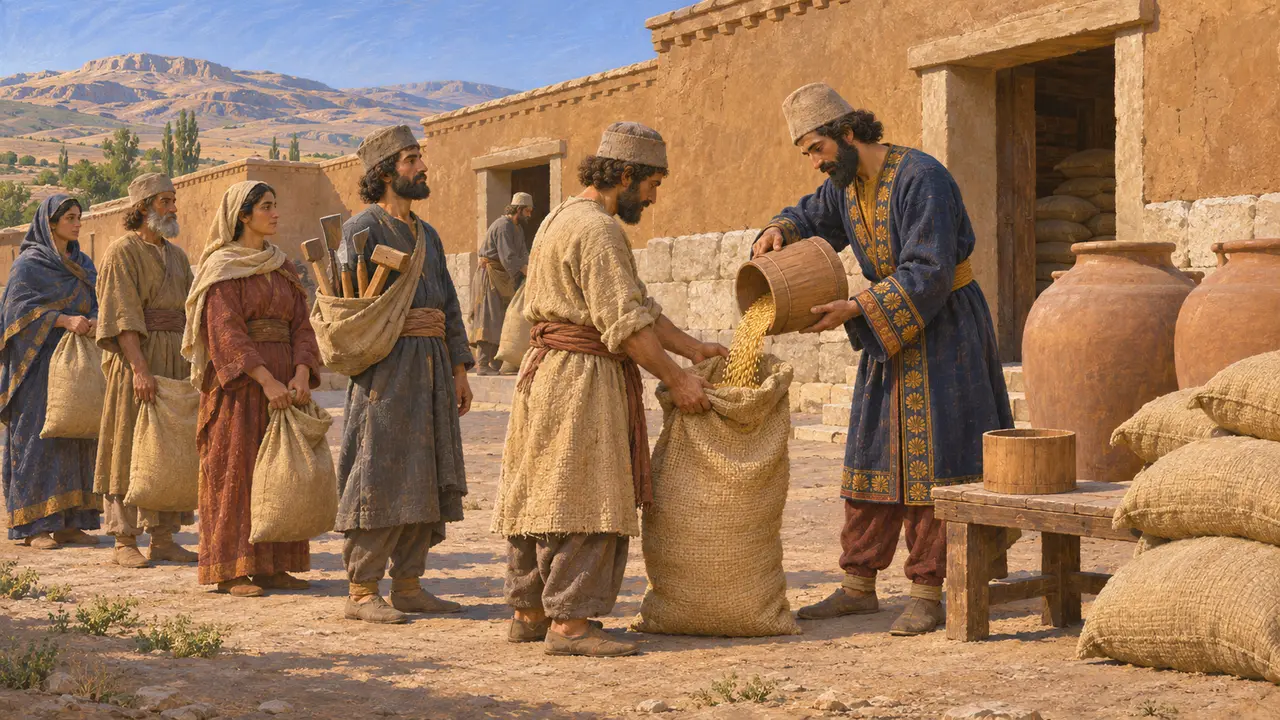
DisputedHistorians still argue over the status of the kurtaš. Some see them as dependants or deportees tied to royal estates. Others stress that many were skilled, mobile and paid at different rates, closer to hired labour. It is also unclear whether rations were their whole living or a supplement, and how far the system known from Persis ran in other provinces.
P. Briant, From Cyrus to Alexander, 2002
Sources
- R. T. Hallock, Persepolis Fortification Tablets, 1969
- W. Henkelman, The Other Gods Who Are, 2008
- P. Briant, From Cyrus to Alexander, 2002
- M. Brosius, Women in Ancient Persia, 1996
- G. G. Cameron, Persepolis Treasury Tablets, 1948
- Herodotus 7.187