Labour levy
Royal claims on workers' labour in the Achaemenid empire, about 520-479 BCE
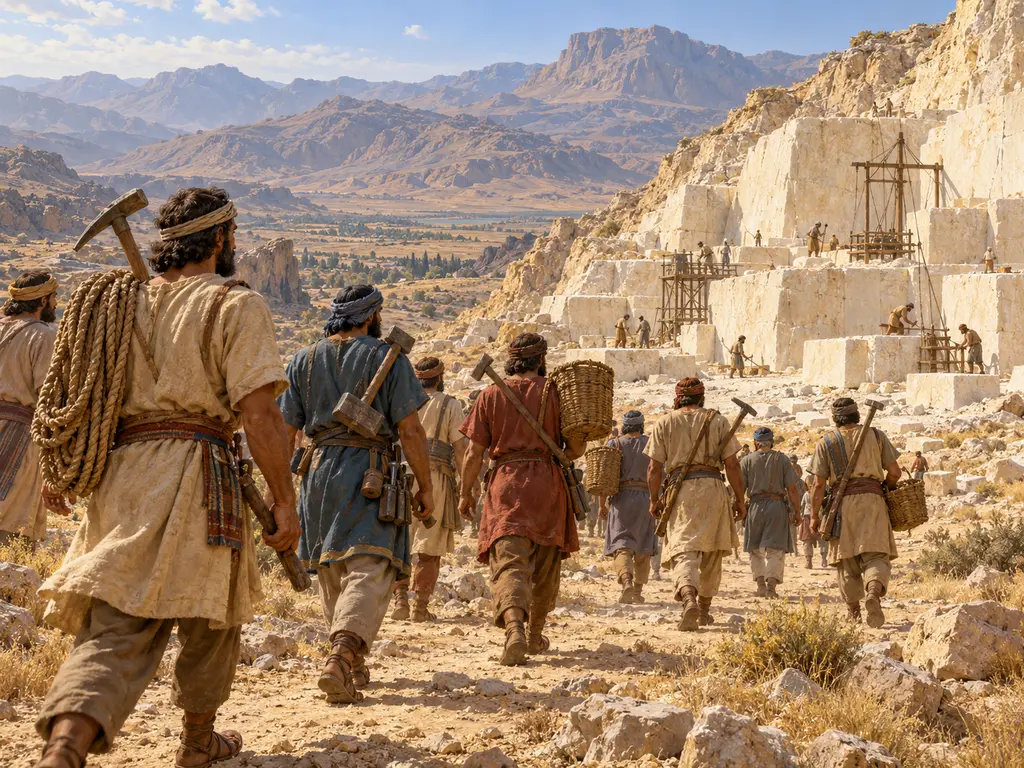
The Persian kings raised palaces, roads and canals with the labour of thousands of workers drawn from across the empire. Some served as a duty owed for land, some were deportees or dependants, and some were skilled men paid for their work. The clay tablets of Persepolis show these workers being counted, grouped and fed from royal stores, which makes them one of the best-documented workforces of the ancient world.
In the game: A standing order on the Ledger's Taxes page: royal works rise faster, but settlers come less readily. The game's note calls kurtaš levied; the word covered workers of mixed and still debated status, not only conscripts.
Kurtaš in the Fortification tablets
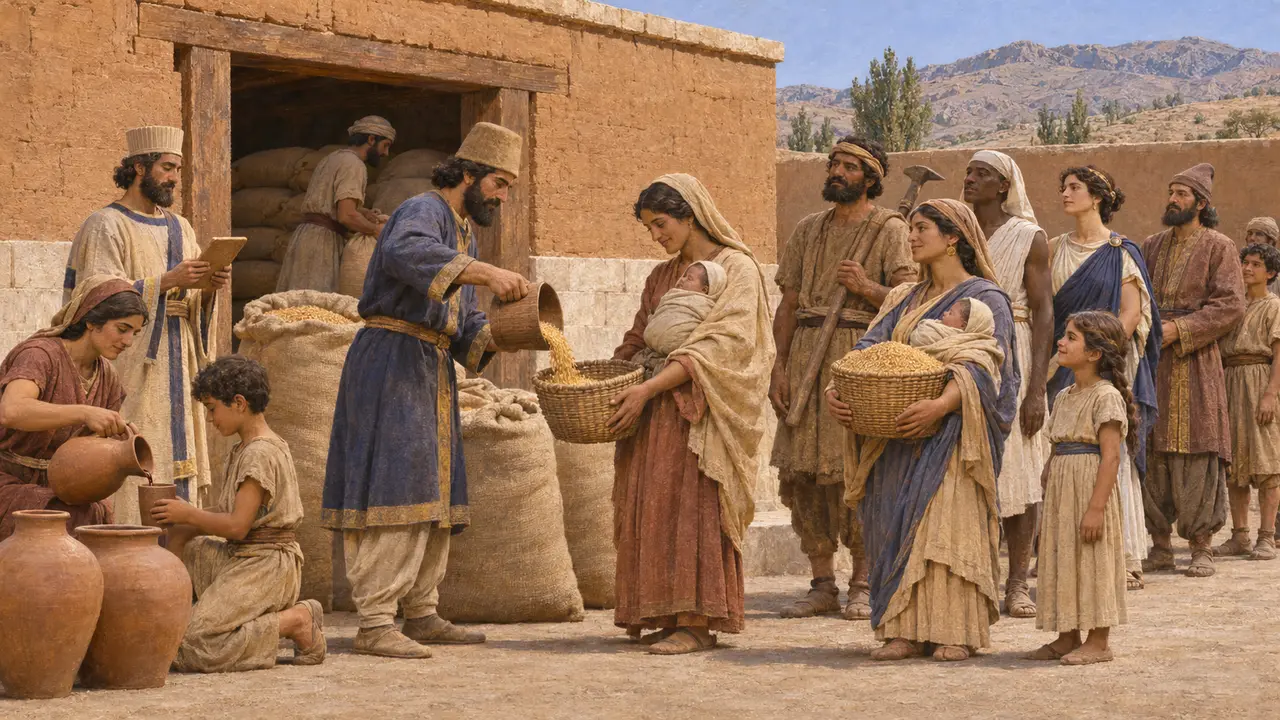
In the recordThe Persepolis Fortification tablets, mostly Elamite records from about 509 to 493, list rations of grain, wine and beer issued to groups of workers called kurtaš. The groups included men, women, boys and girls, and often named their origin: Egyptians, Ionians, Lycians, Bactrians, Babylonians, Skudrians (probably Thracians) and many more. Women who had just given birth received extra rations, and mothers of boys received more than mothers of girls.
R. T. Hallock, Persepolis Fortification Tablets, 1969
Craftsmen brought from the whole empire
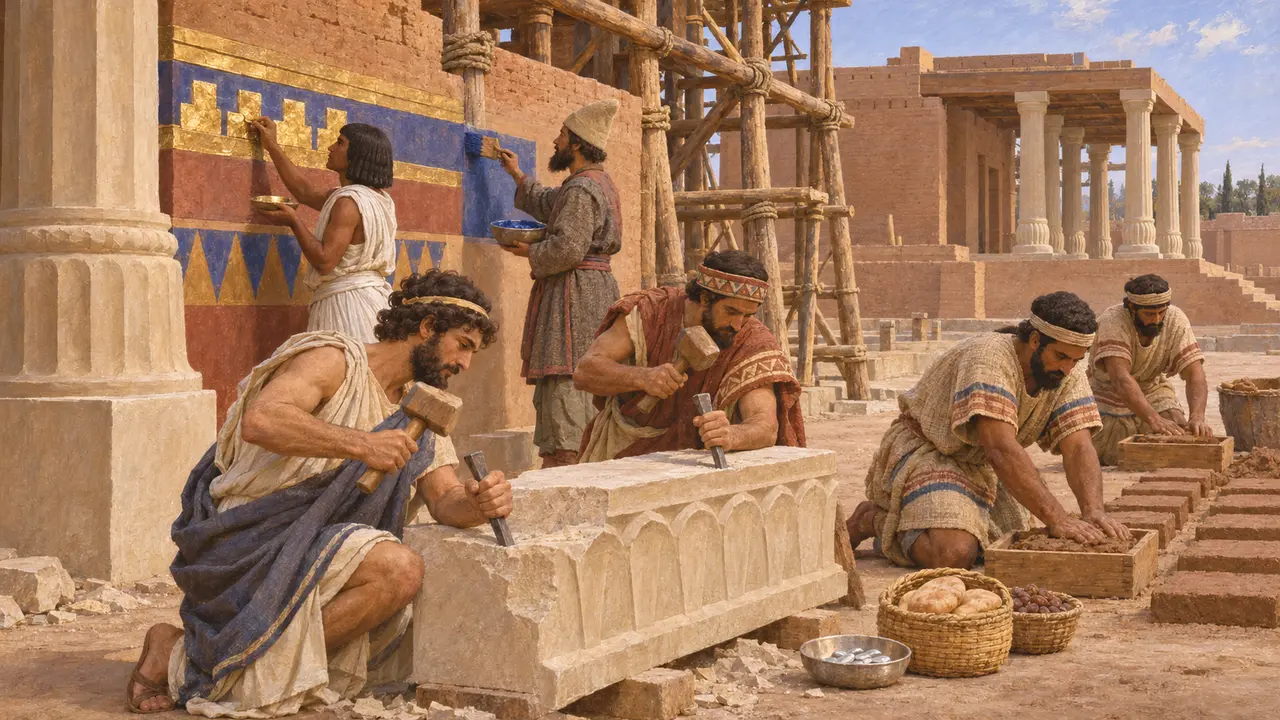
In the recordDarius's foundation charter from Susa names the peoples who supplied materials and labour for his palace: Ionians and Sardians cut stone, Babylonians moulded bricks, and Medes and Egyptians worked gold and decorated walls. The Persepolis Treasury tablets, which begin in 492, record workers on the royal buildings receiving part of their pay in silver alongside their rations.
DSf; G. G. Cameron, Persepolis Treasury Tablets, 1948
Service owed for land in Babylonia
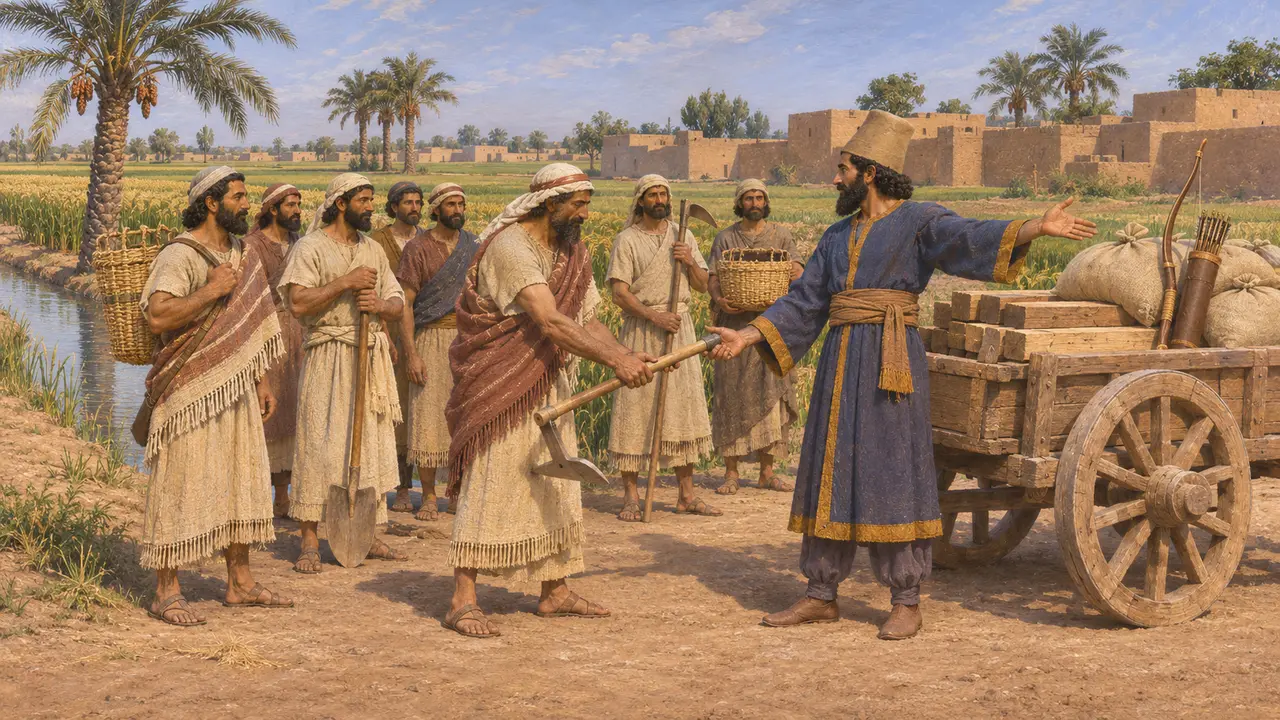
In the recordBabylonian documents show another form of royal labour. Holders of bow land, horse land and chariot land owed the King military or work service in return for their plots, and the Murashu archive of Nippur shows that by the late fifth century this duty was often paid off in silver. Babylonian temple archives under Darius also mention men and supplies sent to royal building work in Elam.
M. Stolper, Entrepreneurs and Empire, 1985; P. Briant, From Cyrus to Alexander, 2002
Levied, dependent or free
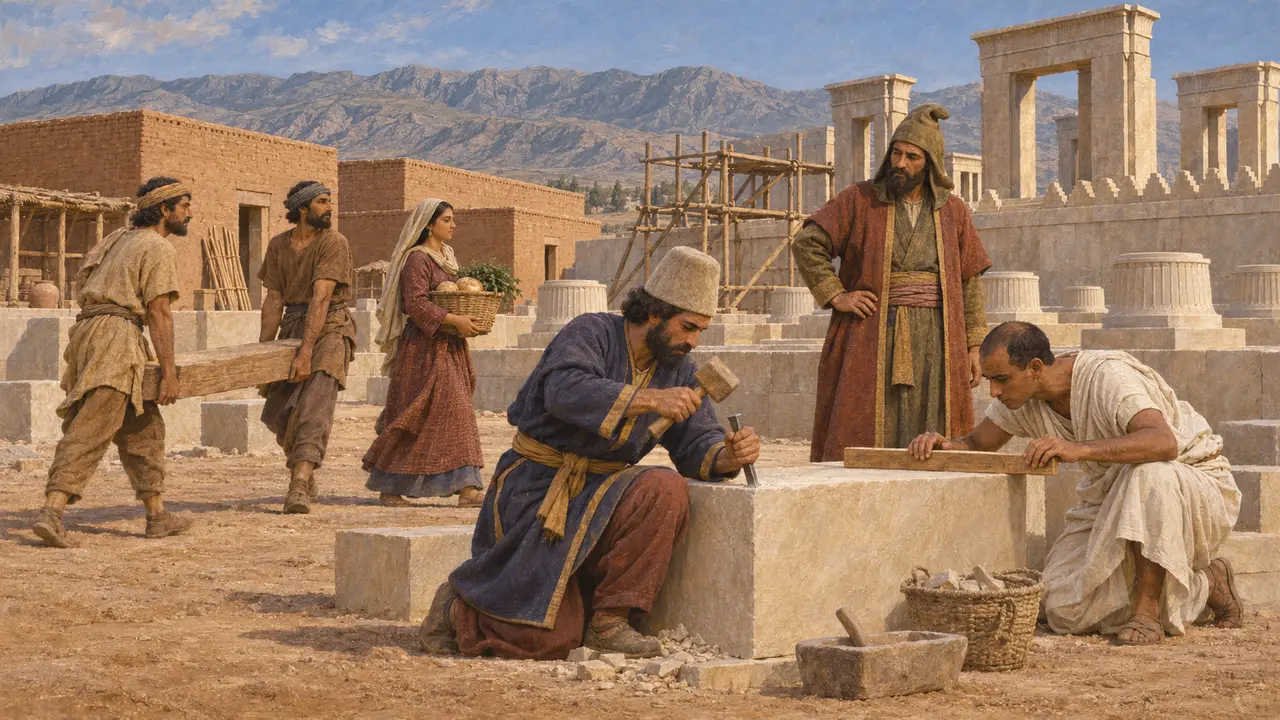
DisputedHistorians still argue over what kurtaš were. Some see them largely as deportees and dependants bound to royal estates. Others see a mixed body that included conscripted labourers serving for a term and skilled specialists who moved between projects. The word itself simply means workers or household personnel, so the tablets alone do not settle how free any given group was.
P. Briant, From Cyrus to Alexander, 2002
Digging under the whip at Athos
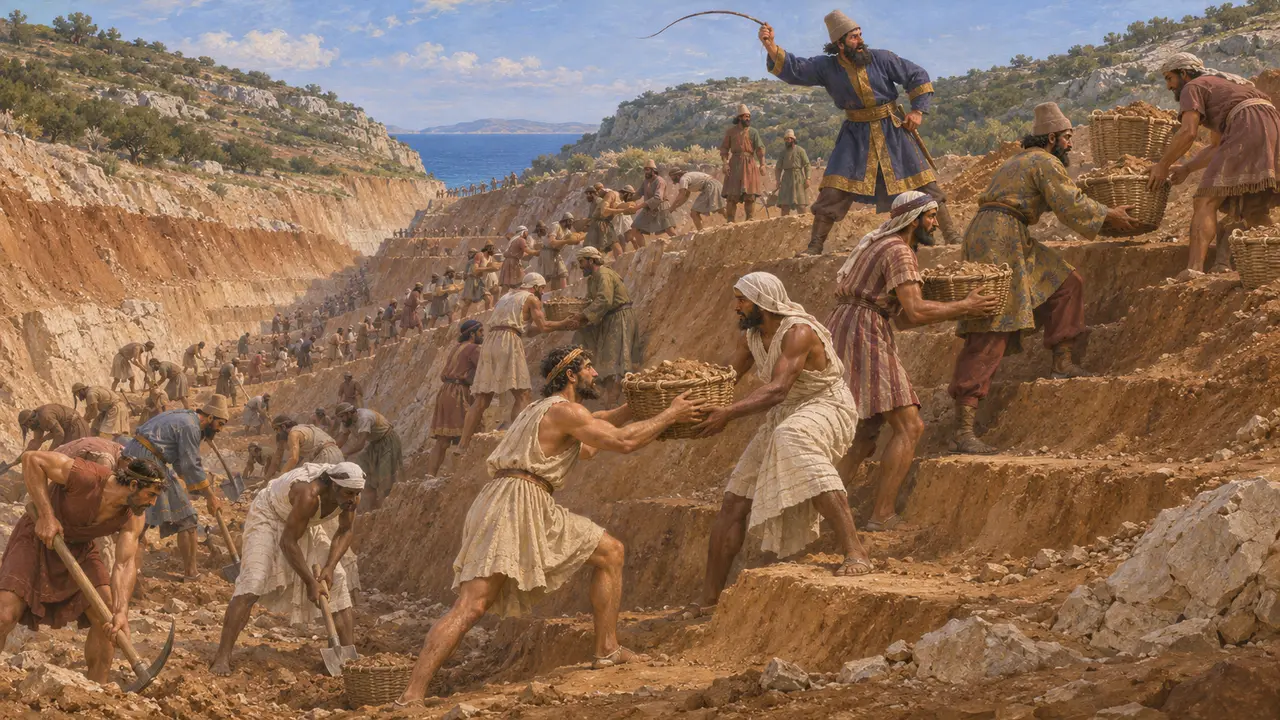
Ancient accountHerodotus describes the cutting of Xerxes' canal through the Athos peninsula about 483 to 480. He says men from the many nations of the army dug in relays, driven by whips, and passed the earth from hand to hand up to the top. The Phoenicians, he says, worked more skilfully by cutting the trench wider at the top. Historians note that his picture of forced labour also suits his wider theme of royal pride.
Herodotus 7.22-23
Sources
- R. T. Hallock, Persepolis Fortification Tablets, 1969
- G. G. Cameron, Persepolis Treasury Tablets, 1948
- DSf
- P. Briant, From Cyrus to Alexander, 2002
- M. Stolper, Entrepreneurs and Empire, 1985
- Herodotus 7.22-23