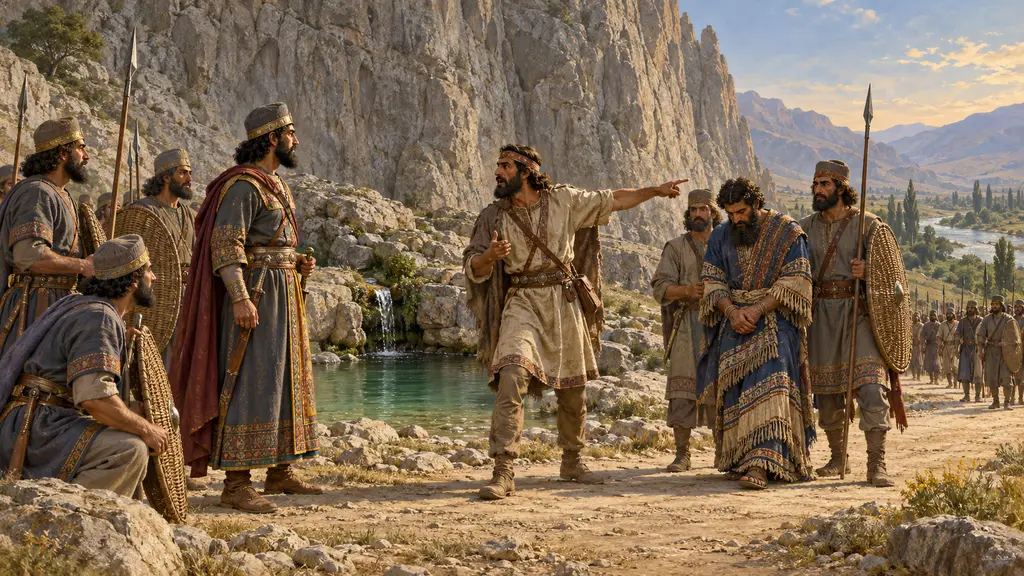
Zopyrus
Persian noble in Herodotus's tale of the recapture of Babylon, about 521 BCE
Herodotus credits Zopyrus, a Persian nobleman, with delivering Babylon to Darius by mutilating himself and pretending to desert. The story is told only by Greek writers. Darius's Behistun inscription describes the Babylonian revolts without naming him.
In the game: Zopyrus is named only in the event articles on the revolts of Nidintu-Bel and Arakha and has no mechanic of his own.
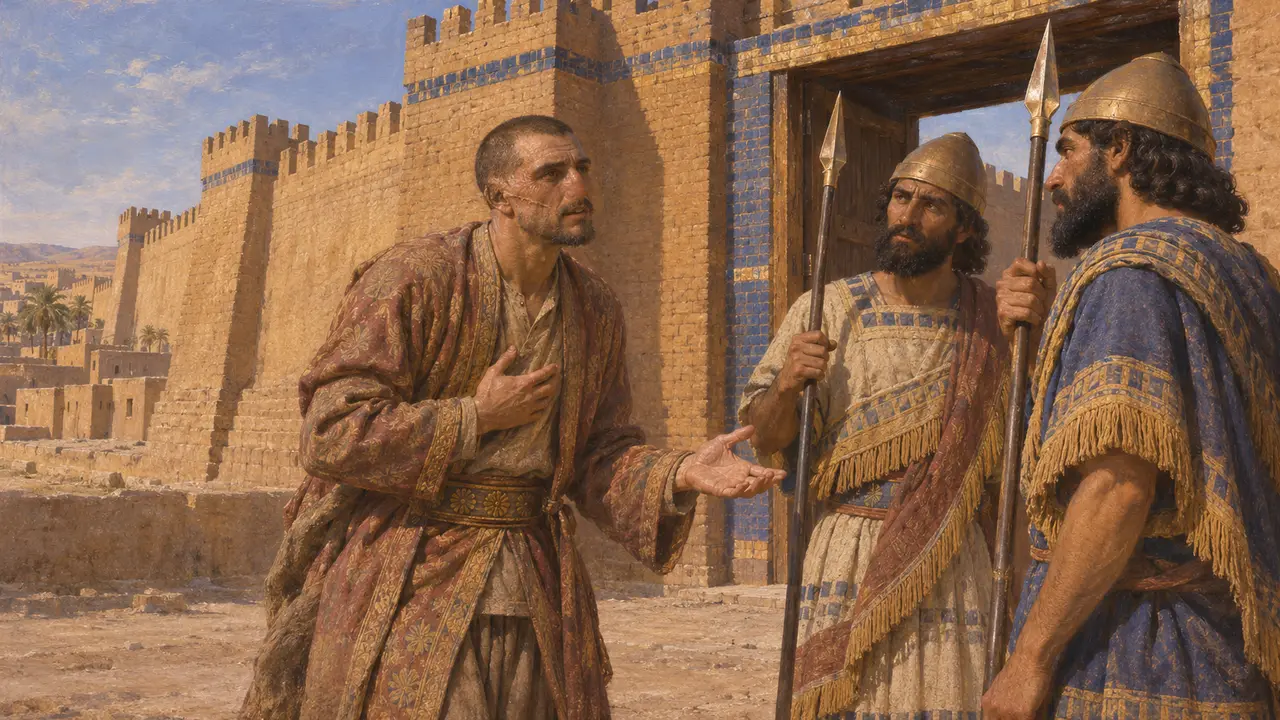
Herodotus's story of the siege
Ancient accountHerodotus says Babylon revolted against Darius and held out for twenty months behind its walls. He names Zopyrus as the son of Megabyzus, one of the conspirators against the false Bardiya. In his telling Zopyrus cut off his own nose and ears, had his hair shorn and went to the Babylonians as a victim of Darius's cruelty.
Herodotus 3.150-160
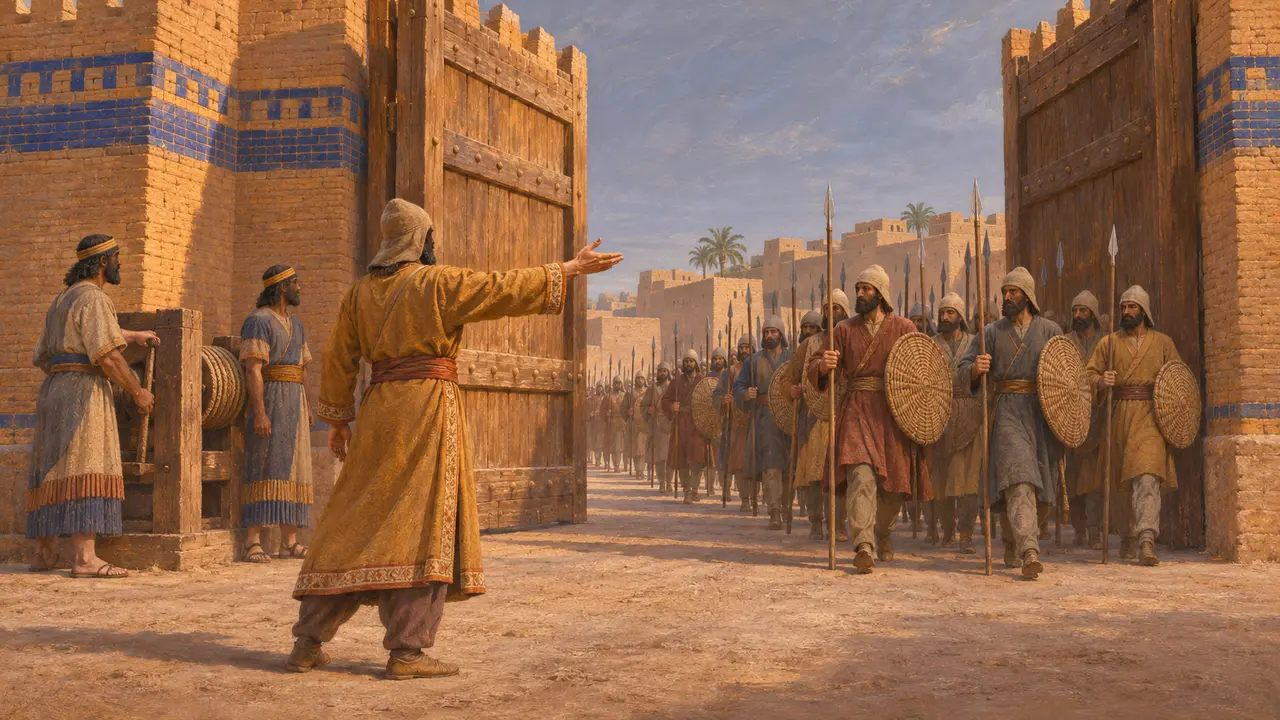
Command and the opened gates
Ancient accountHerodotus says the Babylonians trusted Zopyrus and gave him troops. He let a small force and then a larger one win easy victories, and at a later attack the gates were opened to the Persians. Darius, Herodotus says, gave him Babylon's revenue for life and declared that he would rather have Zopyrus unharmed than many Babylons.
Herodotus 3.150-160
What the Behistun inscription says
In the recordDarius's own text records two Babylonian revolts. The first, under Nidintu-Bel, who took the name Nebuchadnezzar, ended when Darius defeated his forces on the Tigris and the Euphrates. The second, under Arakha, was put down by Vindafarna, a Persian, and Arakha was impaled in Babylon. The inscription does not name Zopyrus and has no siege of twenty months.
DB §16-20, §49-50
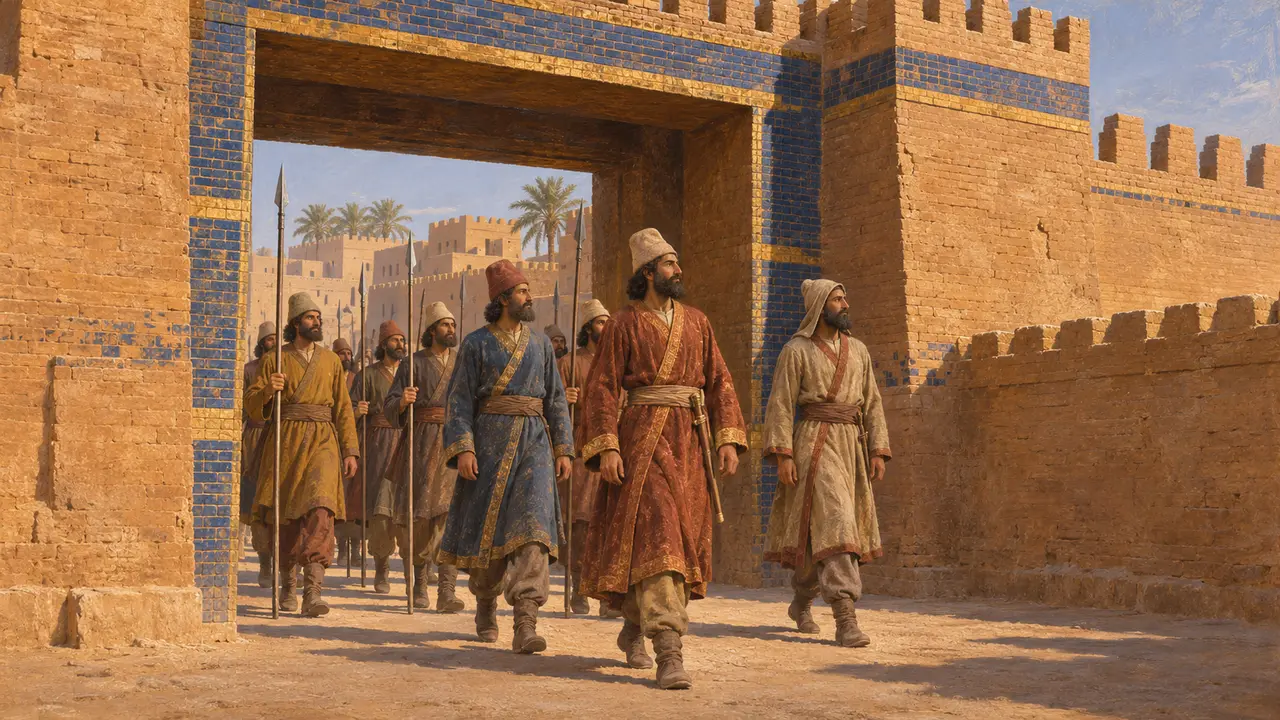
How the sources fit together
DisputedHistorians commonly treat Herodotus's single long siege as a compressed or confused version of the two revolts known from Behistun, which Babylonian business documents also reflect. Whether a Zopyrus took part in the recovery of Babylon is uncertain, and many regard the mutilation as a literary tale. The inscription gives no support to it.
P. Briant, From Cyrus to Alexander, 2002
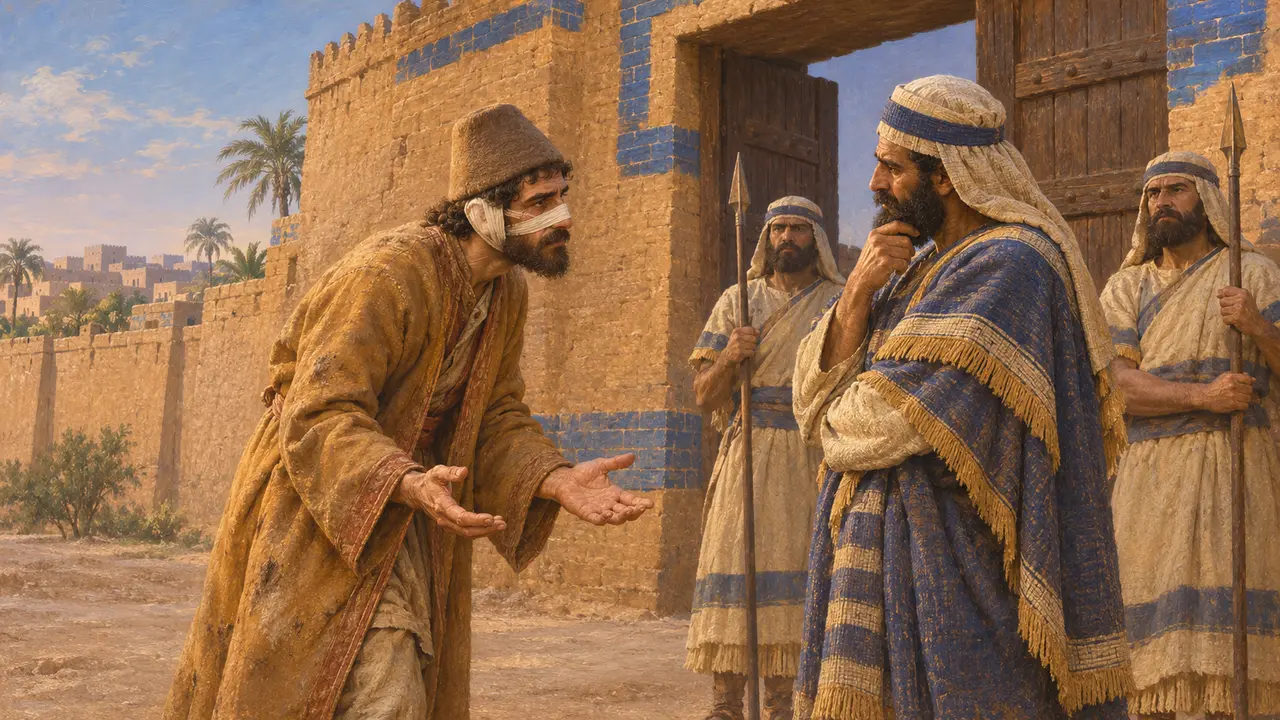
A stratagem tale
Later legendThe self-mutilated deserter belongs to a familiar type of story in which a loyal man wins an enemy's trust through visible suffering. Later Greek writers, including Polyaenus in his collection of stratagems, retold such tricks. The tale also presents Persian nobles as models of loyalty to the king.
Polyaenus, Stratagems
Sources
- Herodotus 3.150-160
- DB §16-20, §49-50
- P. Briant, From Cyrus to Alexander, 2002
- Polyaenus, Stratagems