Istros
Milesian Greek colony on the Black Sea near the Ister mouth, 7th century BCE onwards
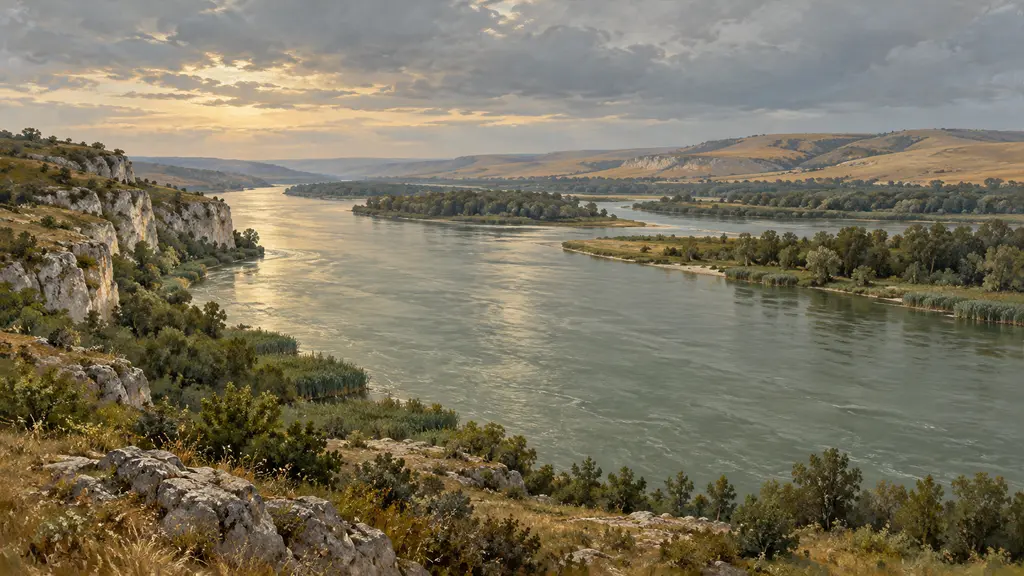
Istros, also called Histria, was a Greek city founded by settlers from Miletus on the western Black Sea coast, just south of the Danube delta in modern Romania. It traded with the Scythian and Thracian peoples of the hinterland, and it lay close to the river mouth where Darius's Greek fleet entered the Ister on the Scythian expedition of about 513.
In the game: The game makes Istros a trade partner in the Ister level. No ancient source records Istros trading with Darius's army; the link is a plausible simplification based on the city's position near the fleet's route.
A Milesian city at the river mouth
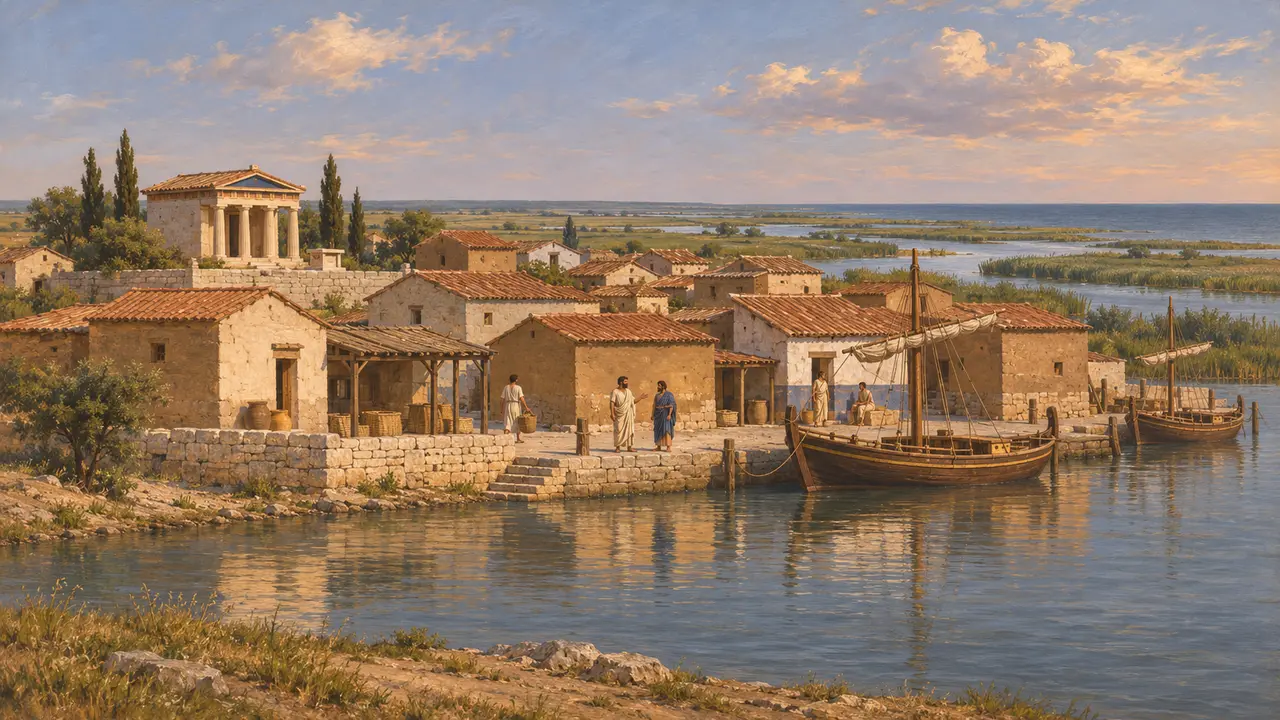
Ancient accountHerodotus, describing the course of the Ister, says the river reaches the sea at Istria, where Milesian colonists lived. Strabo, writing nearly five centuries later, places the small town of Istros some distance south of the Sacred Mouth of the river.
Herodotus 2.33; Strabo, Geography book 7
When the colony was founded
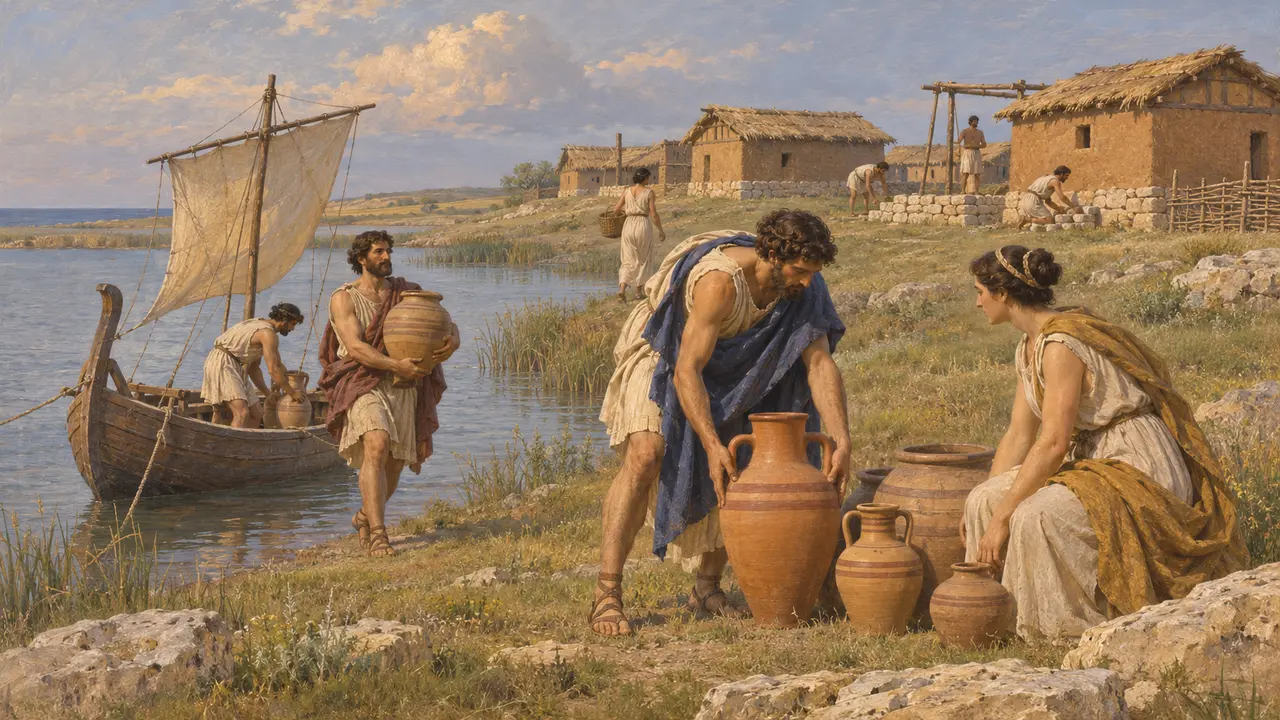
DisputedThe late chronicle tradition of Eusebius dates the founding to about 657. A geographical poem attributed to Pseudo-Scymnus links it to the time when Scythians pursued the Cimmerians into Asia. The earliest Greek pottery found on the site is usually dated to about 630 or a little earlier. Historians still argue over whether the literary date or the pottery should carry more weight.
Eusebius, Chronicle; Pseudo-Scymnus, Periodos; A. Avram, in M. H. Hansen and T. H. Nielsen, An Inventory of Archaic and Classical Poleis, 2004
What the excavations have found
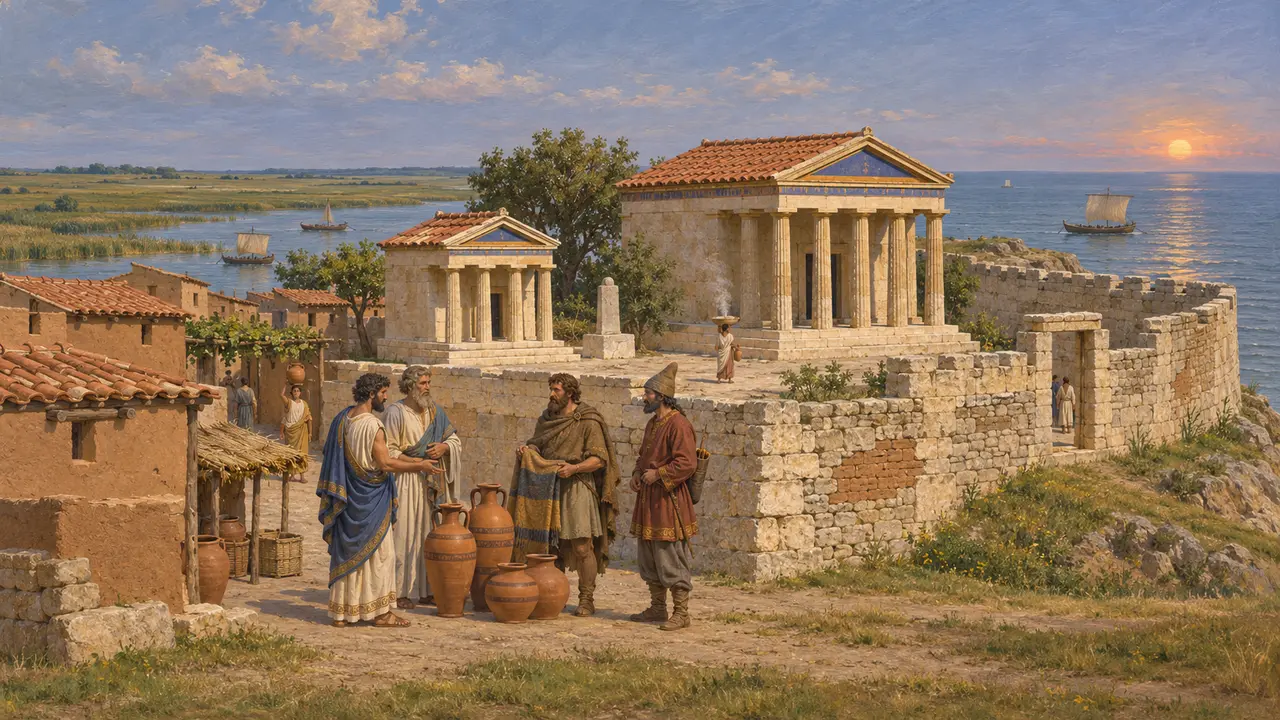
In the recordRomanian archaeologists have dug at Histria since 1914, beginning with Vasile Pârvan. The city stood on a low promontory beside a bay that has since silted into a lagoon, so the ruins now lie away from open sea. Excavators uncovered a sacred area with temples of Zeus Polieus and Aphrodite, houses, and walls rebuilt many times. Greek pottery from native sites inland shows trade with Getic and Scythian neighbours.
A. Avram, in M. H. Hansen and T. H. Nielsen, An Inventory of Archaic and Classical Poleis, 2004; G. Tsetskhladze (ed.), The Greek Colonisation of the Black Sea Area, 1998
Istros and the Scythian expedition
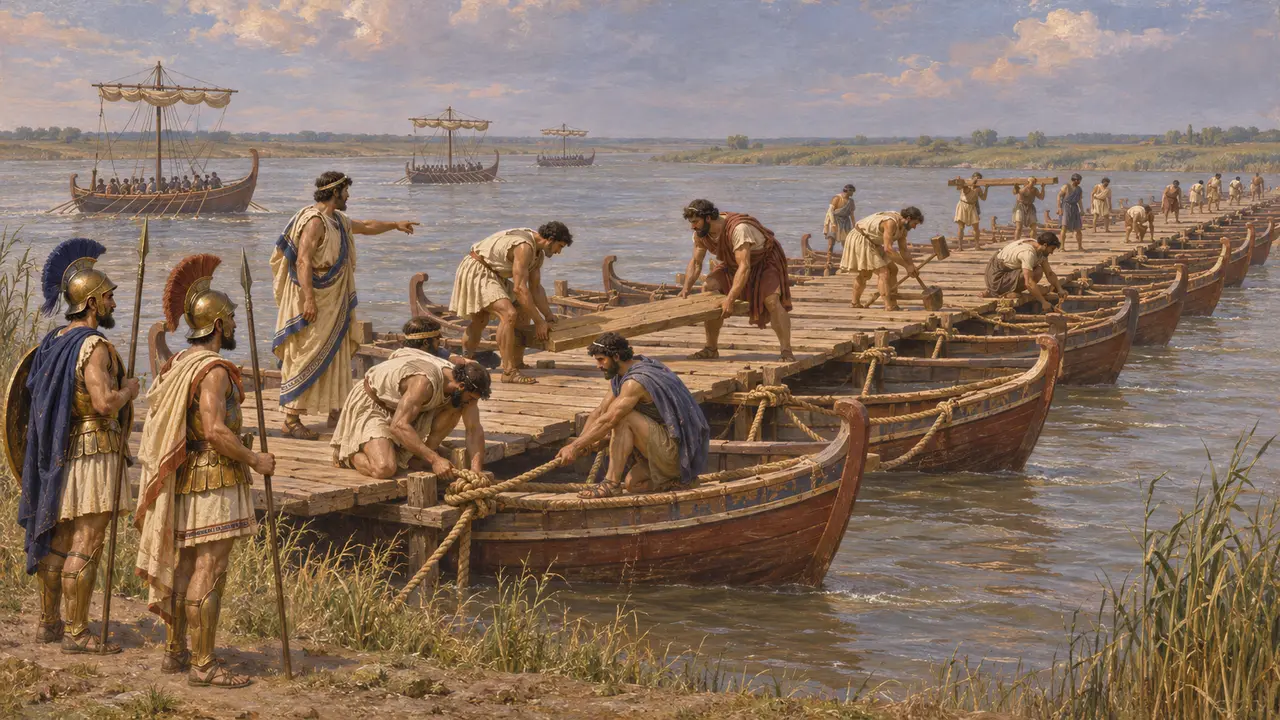
DisputedHerodotus says the Ionian and other Greek contingents sailed into the Ister to bridge it for Darius, but he never names Istros in his account of the campaign. Excavators have found a destruction level in the settlement from around the end of the sixth century. Some scholars connect it with Darius's expedition or with later Scythian raids; others see no link. Whether Istros ever came under Persian control is unknown.
Herodotus 4.89; A. Avram, in M. H. Hansen and T. H. Nielsen, An Inventory of Archaic and Classical Poleis, 2004
A Scythian king's Istrian mother
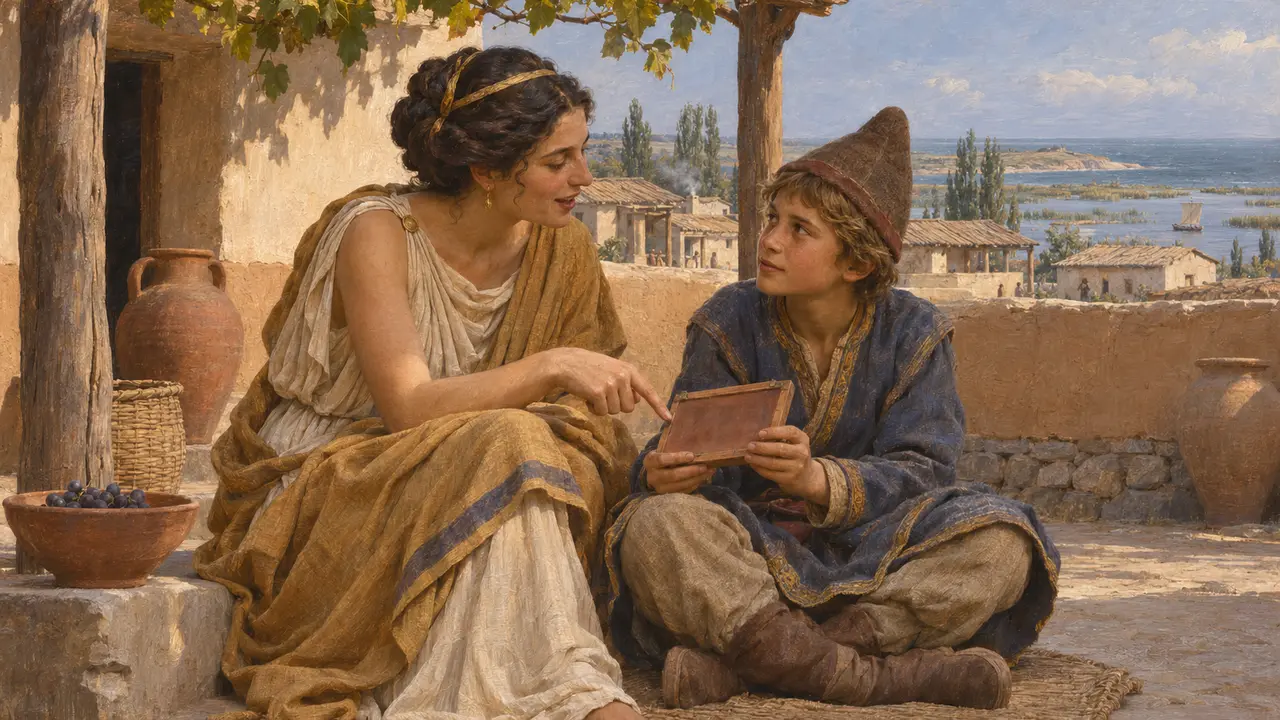
Ancient accountHerodotus tells of the Scythian king Scylas, whose mother came from Istria and taught him the Greek language and letters. Scylas, he says, later took up Greek dress and rites in the Greek city of the Borysthenites. The Scythians then rose against him, and his brother Octamasades had him beheaded. The story, whatever its truth, suggests that women of Istros could marry into Scythian ruling families.
Herodotus 4.78-80
Sources
- Herodotus 2.33; 4.78-80; 4.89
- A. Avram, Histria, in M. H. Hansen and T. H. Nielsen, An Inventory of Archaic and Classical Poleis, 2004
- G. Tsetskhladze (ed.), The Greek Colonisation of the Black Sea Area, 1998
- Strabo, Geography book 7
- Eusebius, Chronicle
- Pseudo-Scymnus, Periodos