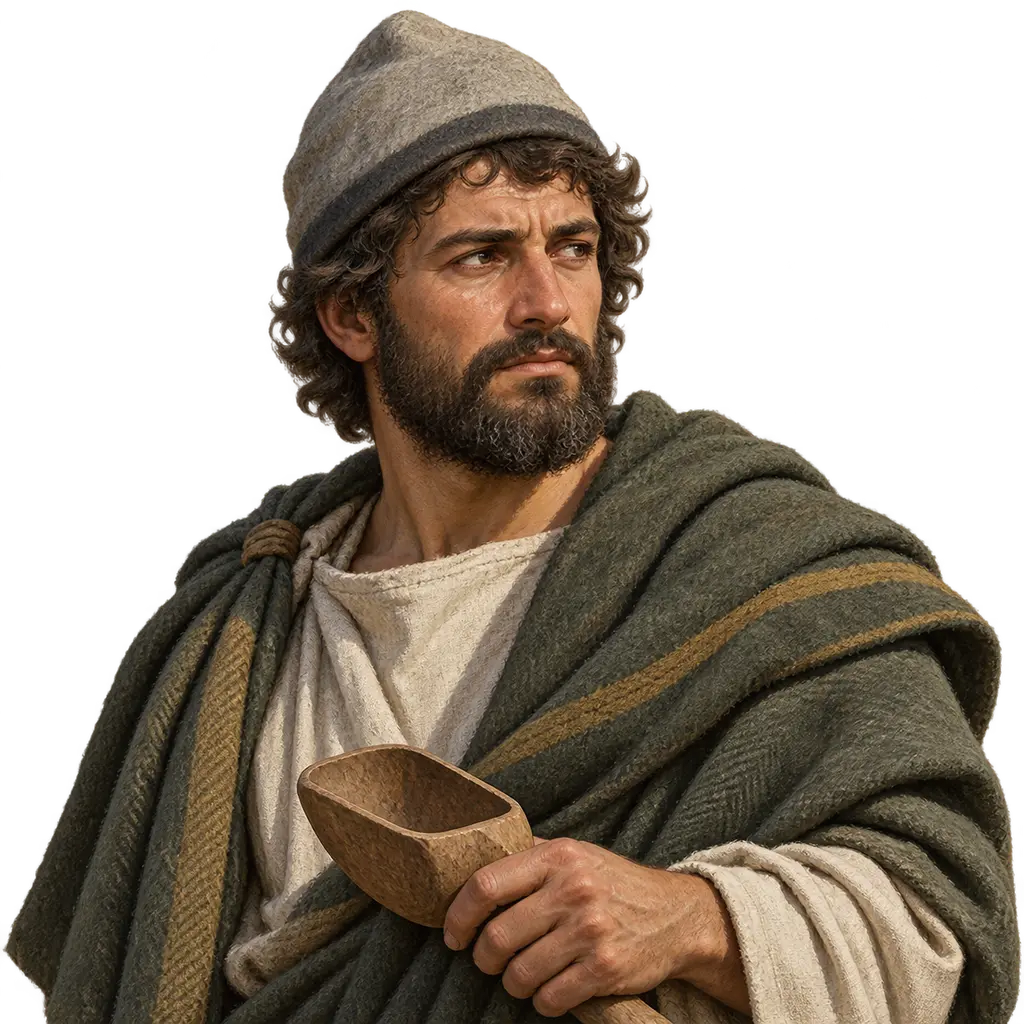
The Greeks of Istros
Milesian colony on the Black Sea coast near the mouth of the Ister, from the late 600s BCE
In the game: Level 6: The Bridge of Boats, Level 10: The Hot Gates
Istros, also called Histria, was a Greek city founded by settlers from Miletus on a lagoon south of the Danube delta, in what is now Romania. It lived by trade with the Getae and Scythians of the hinterland. When Darius led his army across the Ister against the Scythians in about 513, Istros lay close to the route, though no ancient writer says what part, if any, it played.
In the game: In the game, Istros is a trade partner in the Ister level. No ancient source records the city trading with Darius's army; this is a plausible invention based on its position near the river mouth.
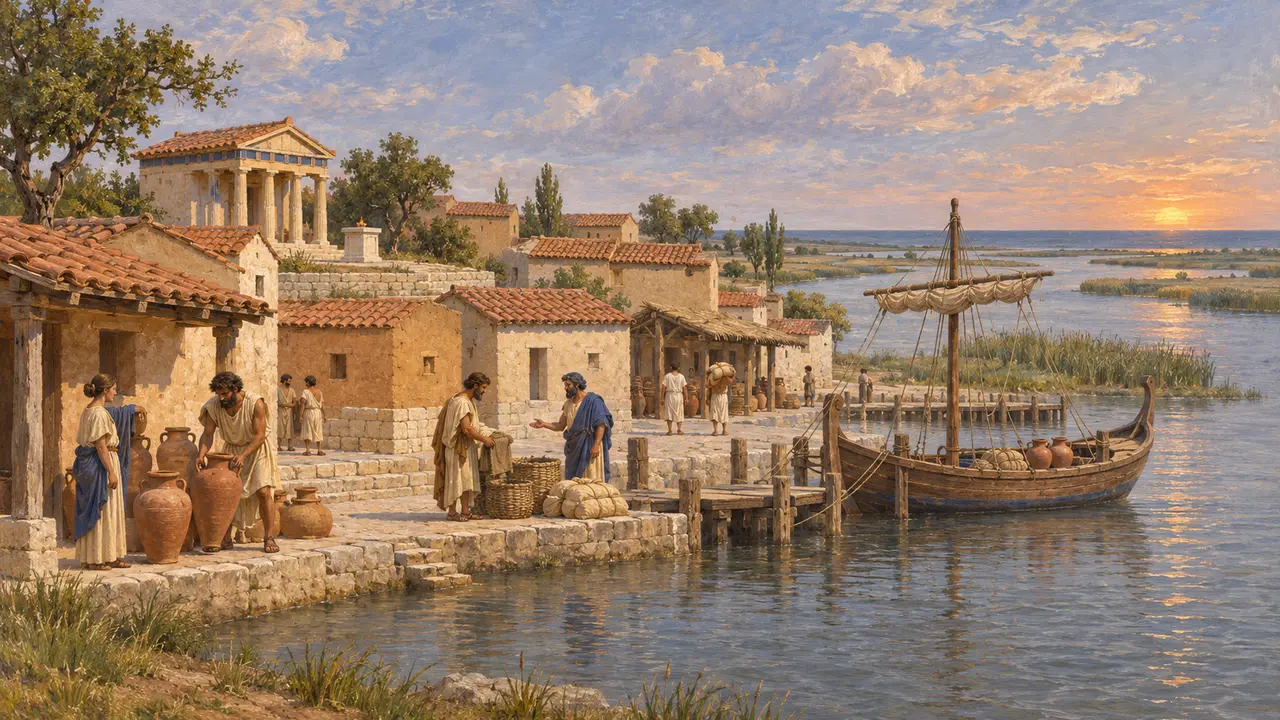
A Milesian city at the river mouth
Ancient accountHerodotus places Istria where the Ister flows into the Black Sea and calls it a settlement of the Milesians. Miletus founded many colonies around the Black Sea, and Istros was among the earliest on its western shore. Later Greek chronographers, Eusebius among them, dated its foundation to about 657.
Herodotus 2.33
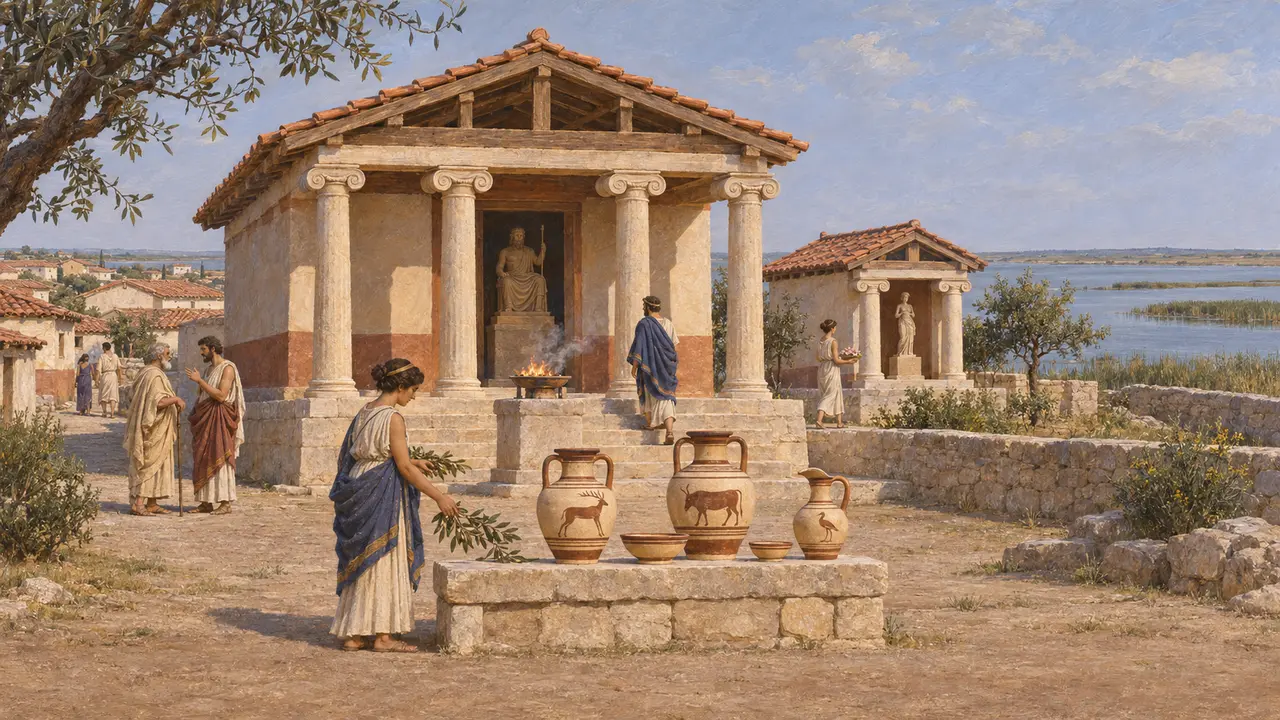
What the excavations show
In the recordRomanian excavations since 1914 have uncovered the city on a promontory beside Lake Sinoe. The oldest Greek pottery dates to the later 600s, somewhat after the date the chronographers give. A sacred area held temples, including one of Zeus Polieus and one of Aphrodite, and imported East Greek pottery shows close ties with Ionia.
A. Avram, 'Histria', in M. H. Hansen and T. H. Nielsen, An Inventory of Archaic and Classical Poleis, 2004
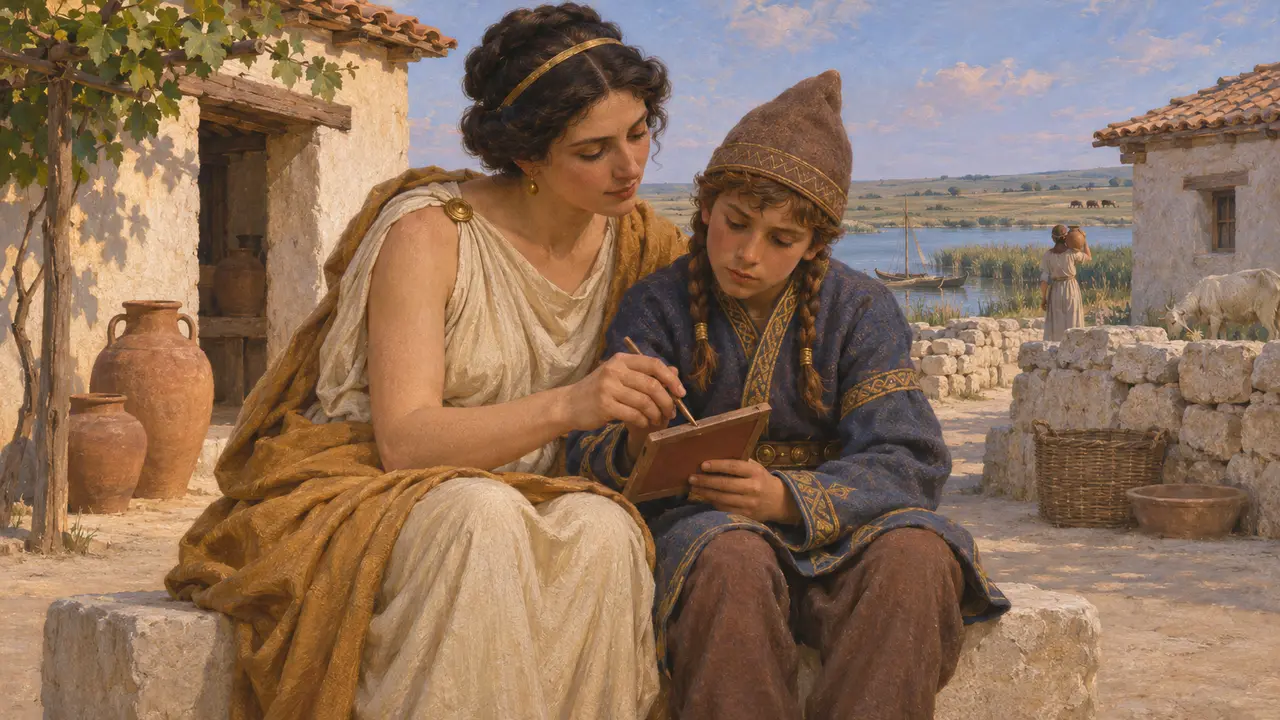
Neighbours of Getae and Scythians
Ancient accountHerodotus says that on his march to the Ister Darius subdued the Getae, a Thracian people living south of the river. Modern historians place them in the hinterland of Istros. Herodotus also tells of the Scythian king Scyles, whose mother was a woman of Istria. She taught him to speak and write Greek, and Herodotus says his love of Greek ways later cost him his throne and his life.
Herodotus 4.78-80; 4.93
Istros and Darius's campaign
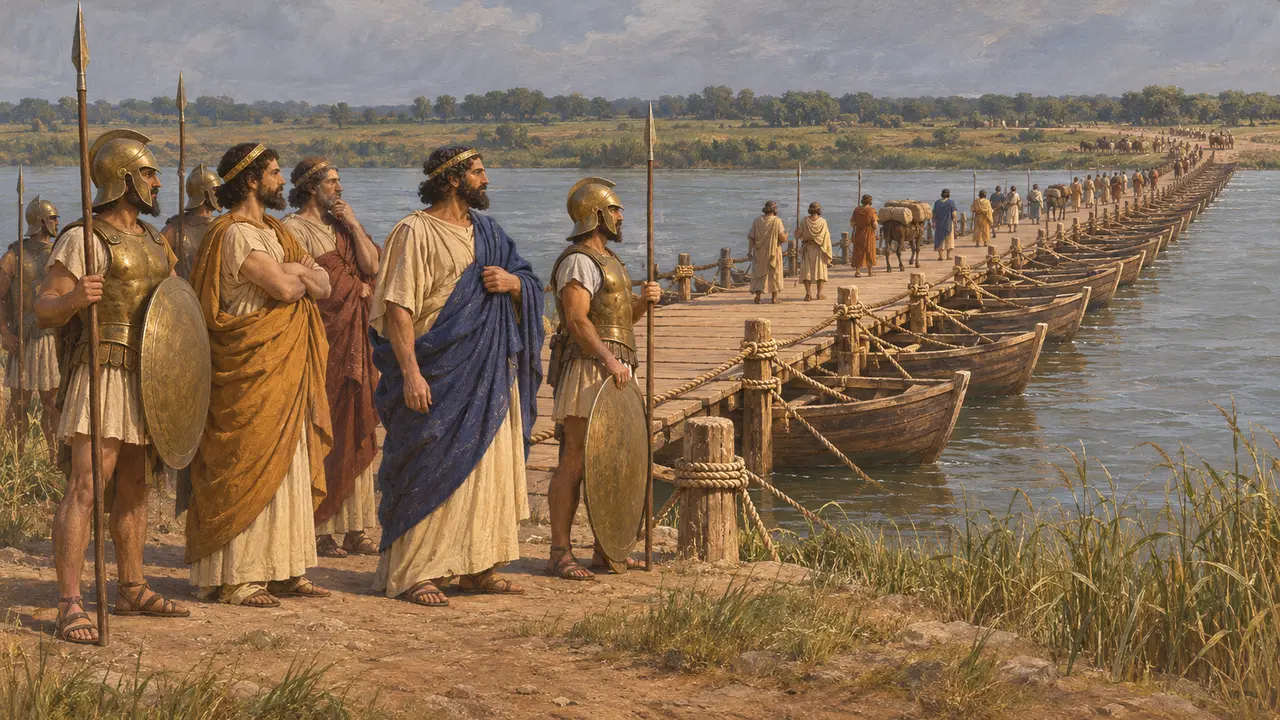
DisputedHerodotus says the Ionian fleet sailed up the Ister two days from the sea and bridged the river there, and that the Ionian tyrants guarded the bridge. He never names Istros in the story. Excavators found a destruction of the archaic settlement in the late 500s. Some link it to the Persian campaign or to a Scythian reprisal, but others doubt any connection.
Herodotus 4.89; 4.137; A. Avram, 'Histria', in M. H. Hansen and T. H. Nielsen, An Inventory of Archaic and Classical Poleis, 2004
The emblem beside its name
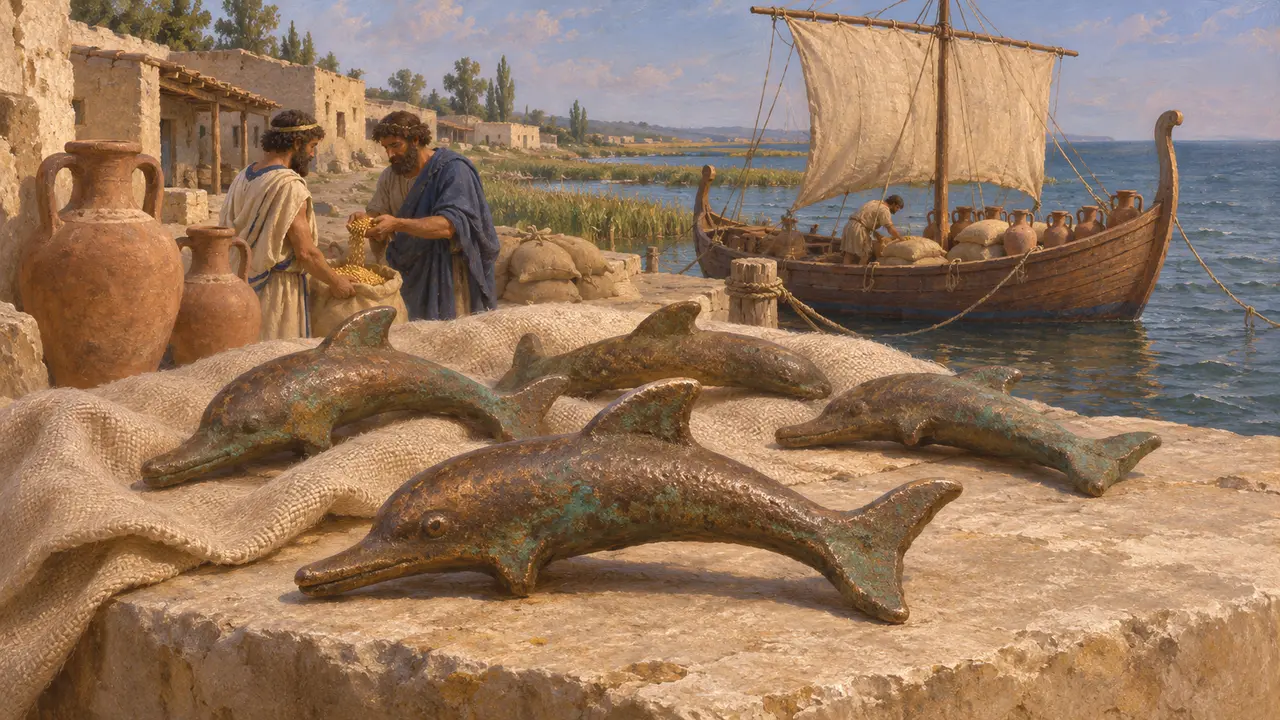
In the recordThe Greeks of Istros and the Pontic grain ships carry a dolphin, after the cast bronze dolphins that Olbia and the other Milesian colonies on the Black Sea used as money in the 6th and 5th centuries.
P. O. Karyshkovskij, Coins of Olbia, 1988
Sources
- Herodotus 2.33
- Herodotus 4.78-80
- Herodotus 4.89-98; 4.137
- A. Avram, 'Histria', in M. H. Hansen and T. H. Nielsen, An Inventory of Archaic and Classical Poleis, 2004
- P. Briant, From Cyrus to Alexander, 2002