Encyclopedia › Wildlife and weather
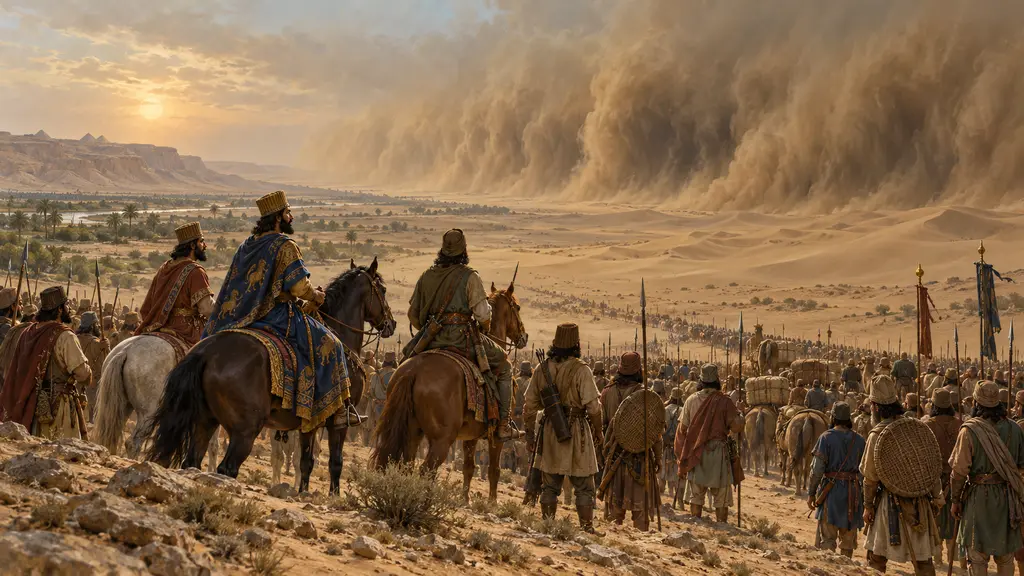
Sandstorms
Dust-laden desert winds at Memphis and Susa, and the tale of Cambyses' lost army, about 525 BCE
In the game: Level 2: The Spear-bearer, Level 5: The Charter
Fronts of wind-borne sand and dust are a regular hazard of Egypt's spring and of the dry plains of Khuzestan. The best-known ancient tale of one is Herodotus's report that a Persian army sent by Cambyses against the oracle of Ammon was buried in the desert. Historians doubt the story as told, but it shaped how Greek readers pictured Persian power meeting the desert.
In the game: The game shows a sandstorm front crossing the map at Memphis in the khamsin months and at Susa in its summer dust, dimming the day. It is scenery only and changes no rule.
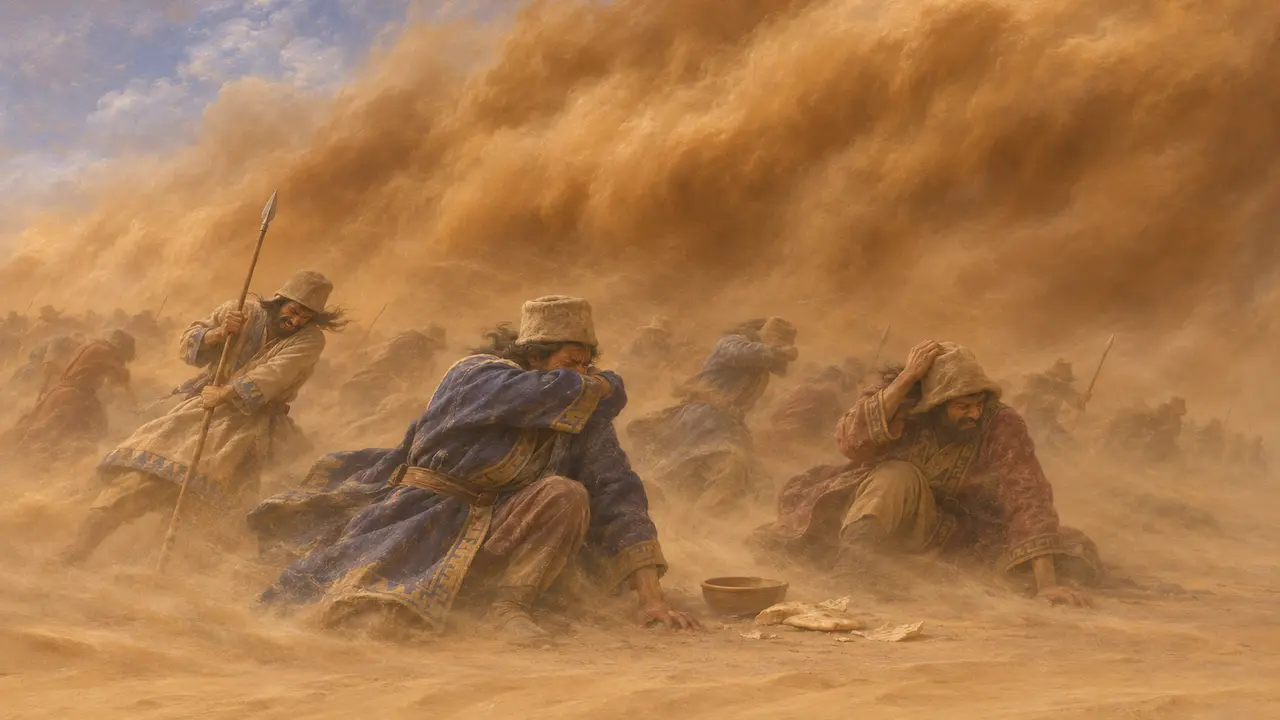
Herodotus on the lost army
Ancient accountHerodotus says Cambyses sent a force from Thebes in Egypt against the oracle of Ammon. He reports what the Ammonians told him: the army had gone about halfway across the desert when, as the men took their midday meal, a violent south wind buried them in sand. Herodotus says the army never reached the oasis and never came back.
Herodotus 3.25-26
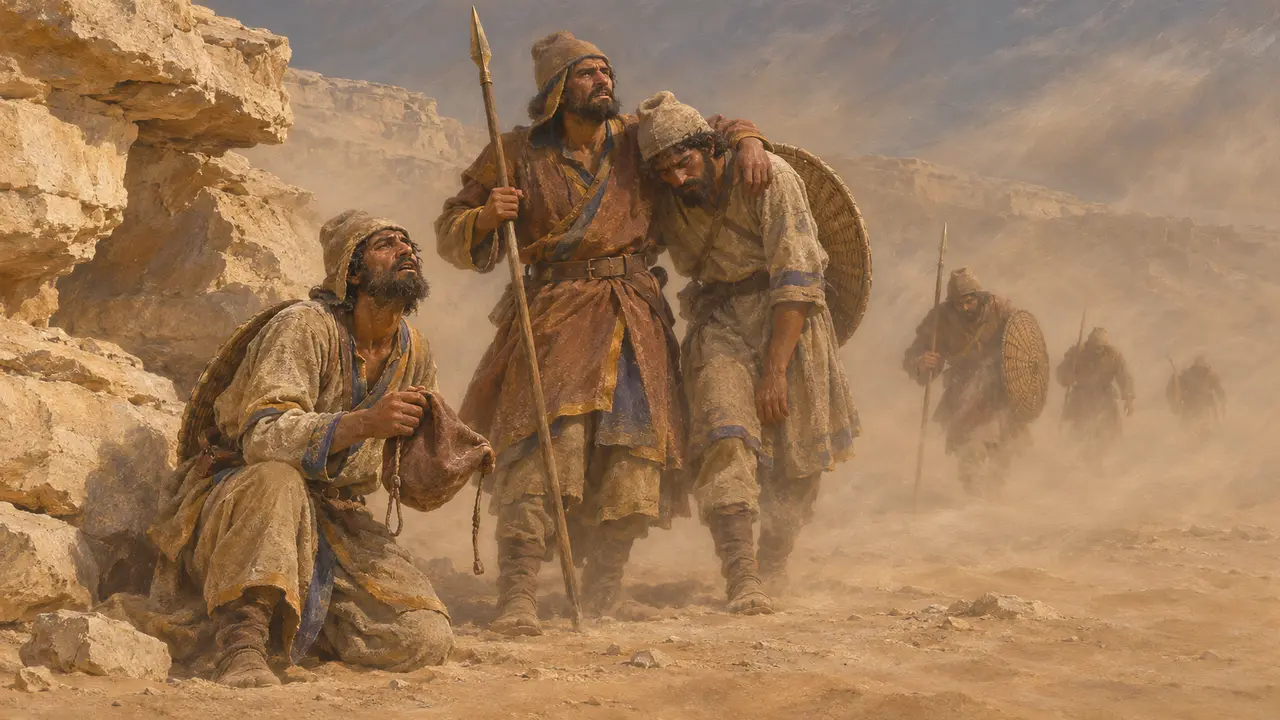
Whether the army was buried
DisputedModern historians doubt the tale as told. The distances involved, the lack of any contemporary record of such a force, and the Greek habit of shaping disasters into moral stories all weigh against it. Some historians suggest the force was probably lost to thirst, ambush or local resistance, with the sand offered afterwards as the explanation. Claims of discovering the remains in the western desert have not won general acceptance.
P. Briant, From Cyrus to Alexander, 2002
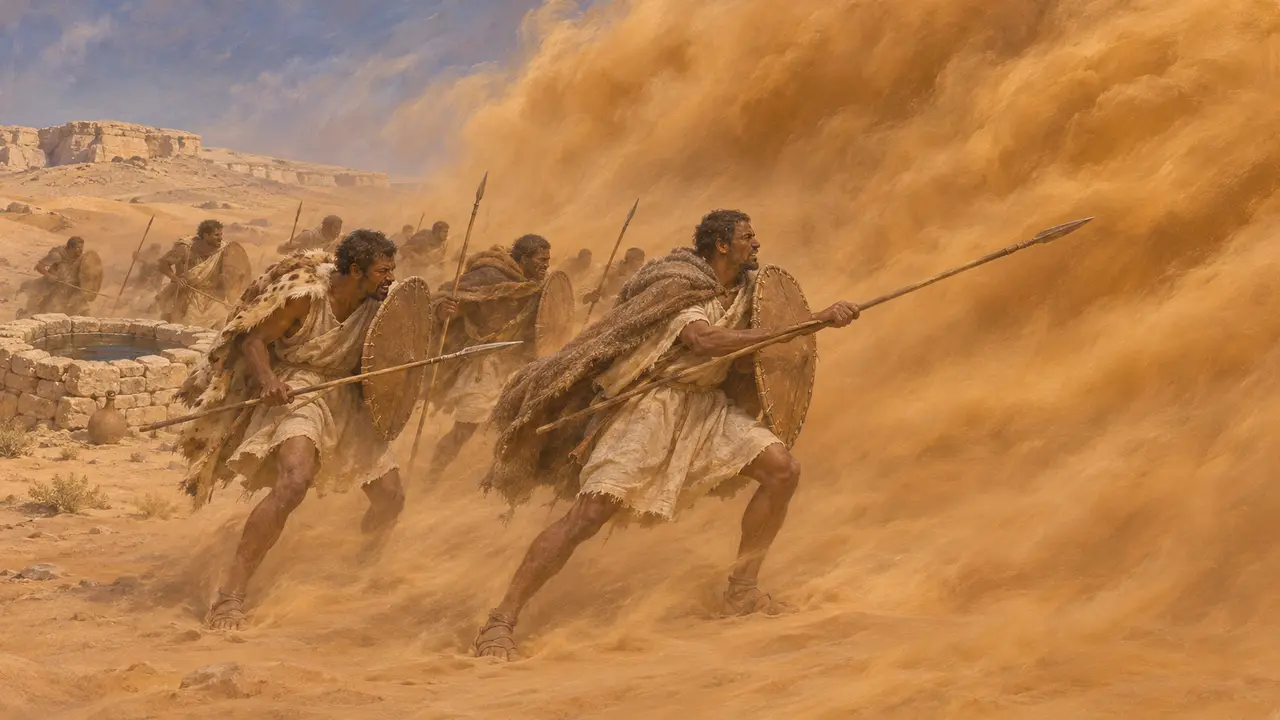
The Psylli and the south wind
Later legendHerodotus also tells of the Psylli, a people of Libya. He says their water cisterns were dried up by the south wind, so they marched out to fight it, and the wind buried them in sand. He gives this as what the Libyans say, and it reads as a tale of human pride against the desert.
Herodotus 4.173
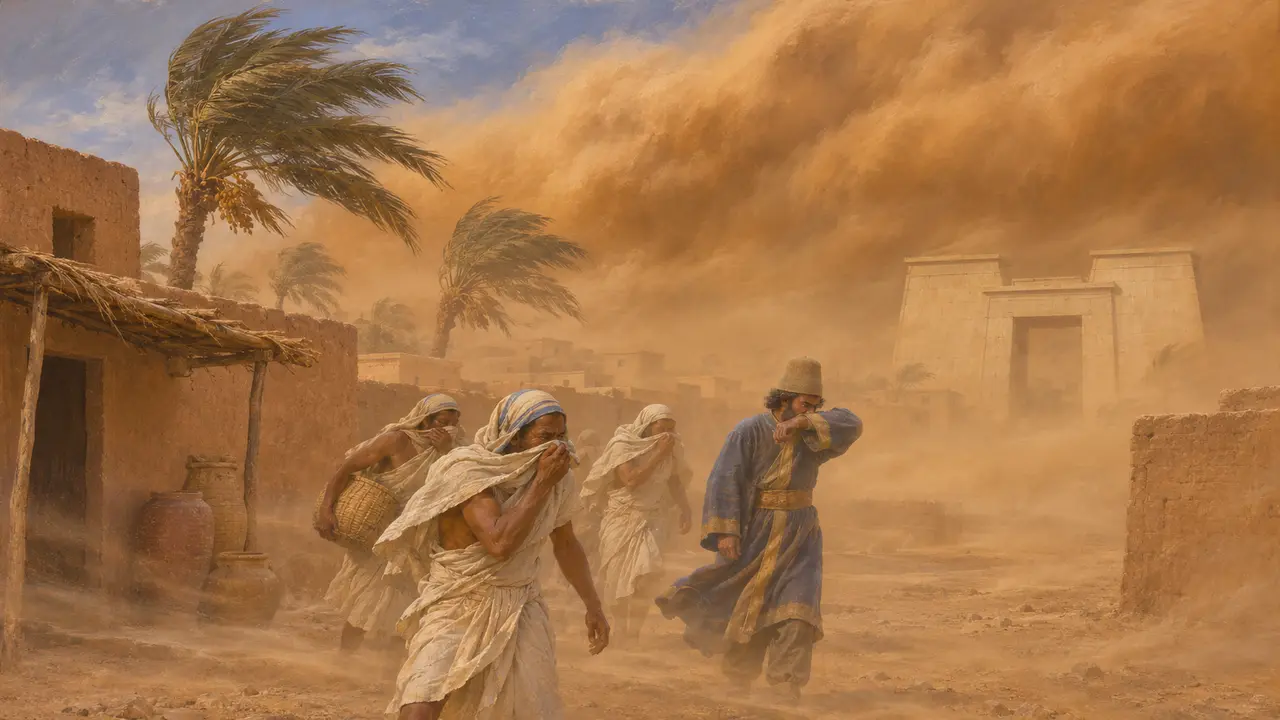
Dust at Memphis and Susa
DisputedSpring winds off the desert in Egypt and summer dust in Khuzestan are well known from modern climate records. For the Persian period the surviving sources say almost nothing about dust storms at either city. Placing storms there in the game therefore rests on modern climate, not on anything a Persian official or a Greek writer recorded.
Herodotus 3.25-26
Sources
- Herodotus 3.25-26
- Herodotus 4.173
- P. Briant, From Cyrus to Alexander, 2002