
The archons of Athens
Nine annual magistrates of Athens; the senior one named the year (6th-5th century BCE)
The archons were the chief annual magistrates of Athens, a board of nine men who held office for one year. The senior archon gave his name to the year, so Athenians dated events such as Marathon and the Persian capture of their city by archon. The office's changing powers trace Athens's path from tyranny to democracy in the decades when it fought Persia.
In the game: The game presents the archons as Athens's annual magistrates and uses archon-years to date events. Historically, only the senior or eponymous archon of the nine gave his name to the year.
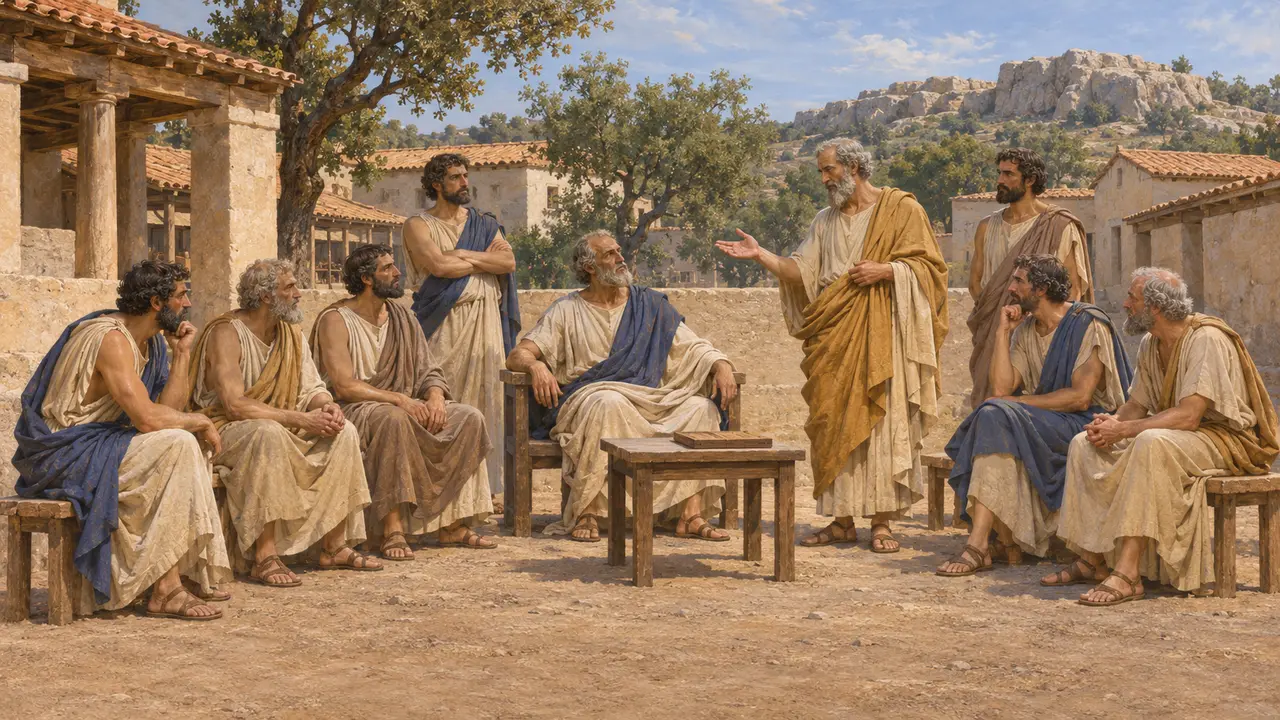
Nine magistrates for one year
Ancient accountThe Constitution of the Athenians, written in Aristotle's school in the 320s, describes a board of nine archons serving one year. The eponymous archon named the year and oversaw family and inheritance cases, the king archon ran ancestral rites, the polemarch had once led in war, and six thesmothetai handled lawsuits. Archons who passed their audit joined the council of the Areopagus for life.
[Aristotle], Athenaion Politeia 3; 55-59
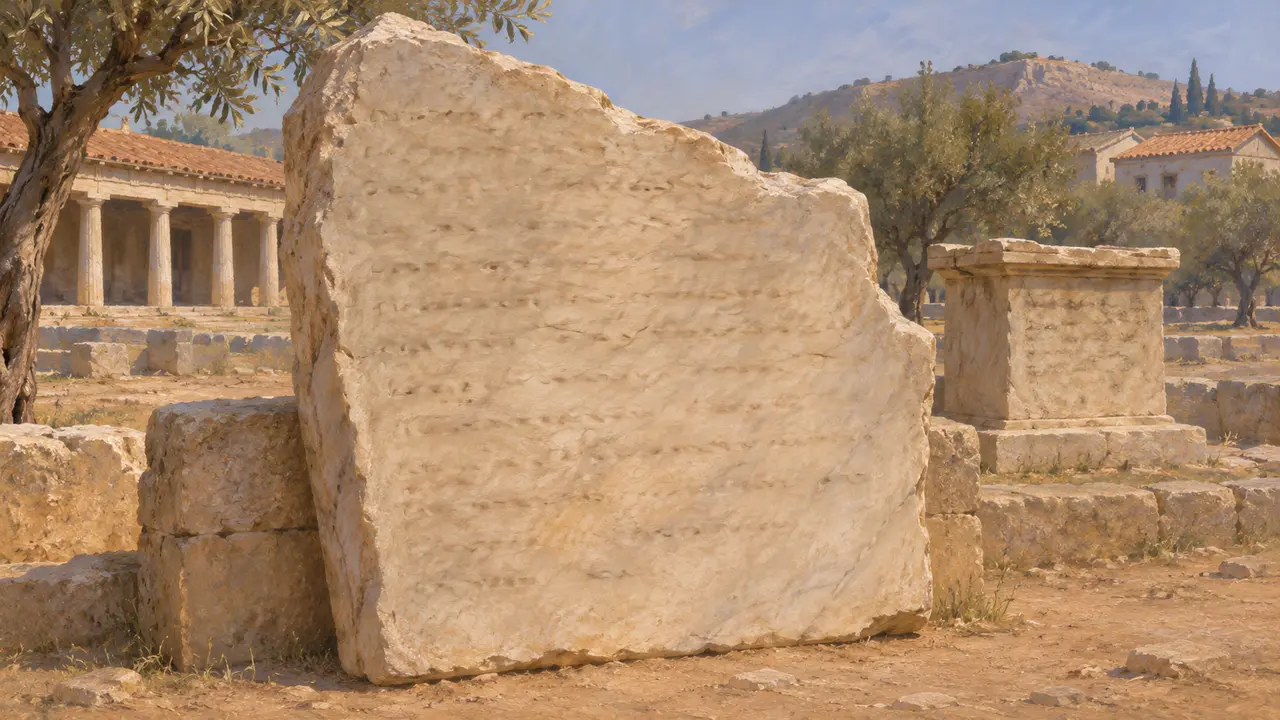
The archon list on stone
In the recordA fragment of a list of archons, inscribed about 425 and found in the Athenian Agora, names Hippias, Cleisthenes and Miltiades in turn, which scholars date to 526/5, 525/4 and 524/3. A dedication on the altar of Pythian Apollo, set up by Pisistratus son of Hippias during his archonship, also survives, and Thucydides cites its text. The stones show the tyrant family and leading noble houses holding the office.
IG I³ 1031; IG I³ 948; Thucydides 6.54
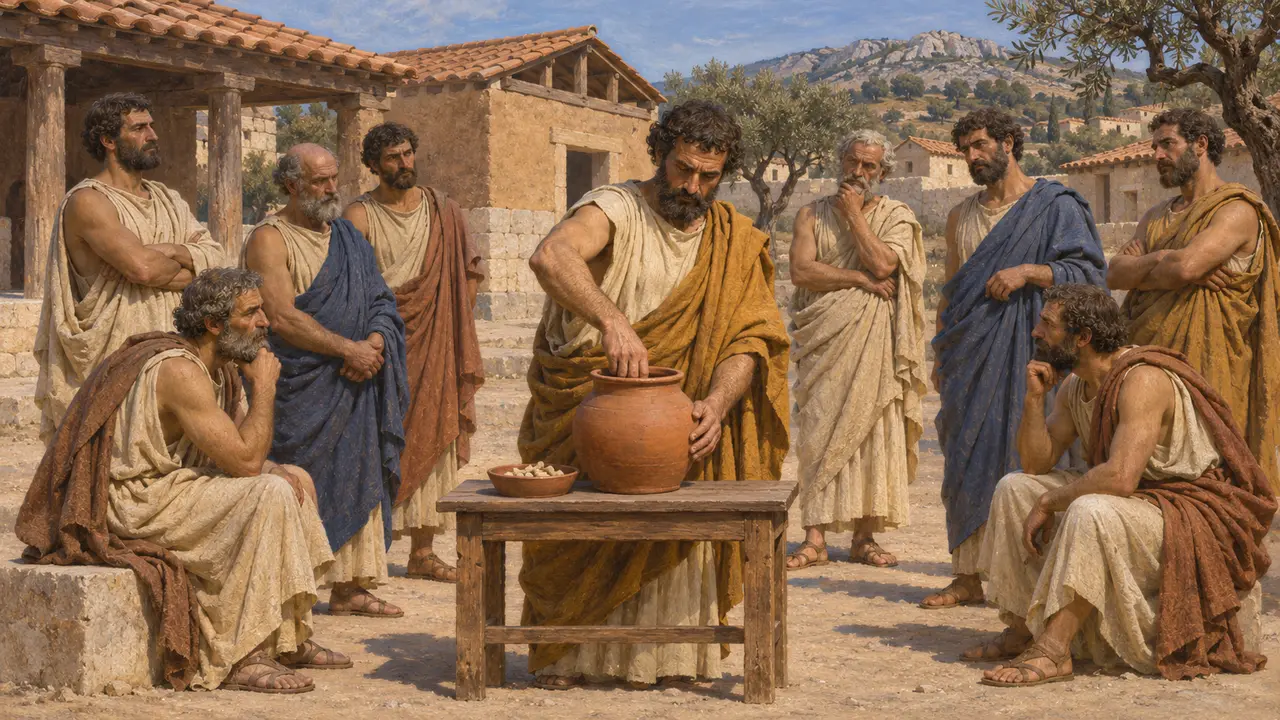
From tyranny to the lot
Ancient accountUnder Solon's rules only the wealthier property classes could serve, and the third class was admitted only in 457/6. Thucydides says the Pisistratid tyrants kept the old laws but made sure one of their own always held office. The Constitution of the Athenians says that in 487/6 archons were chosen by lot from candidates elected by the demes, the first time since the tyranny. Historians think the office then lost weight to the elected generals.
Thucydides 6.54; [Aristotle], Athenaion Politeia 7; 22.5; 26.2
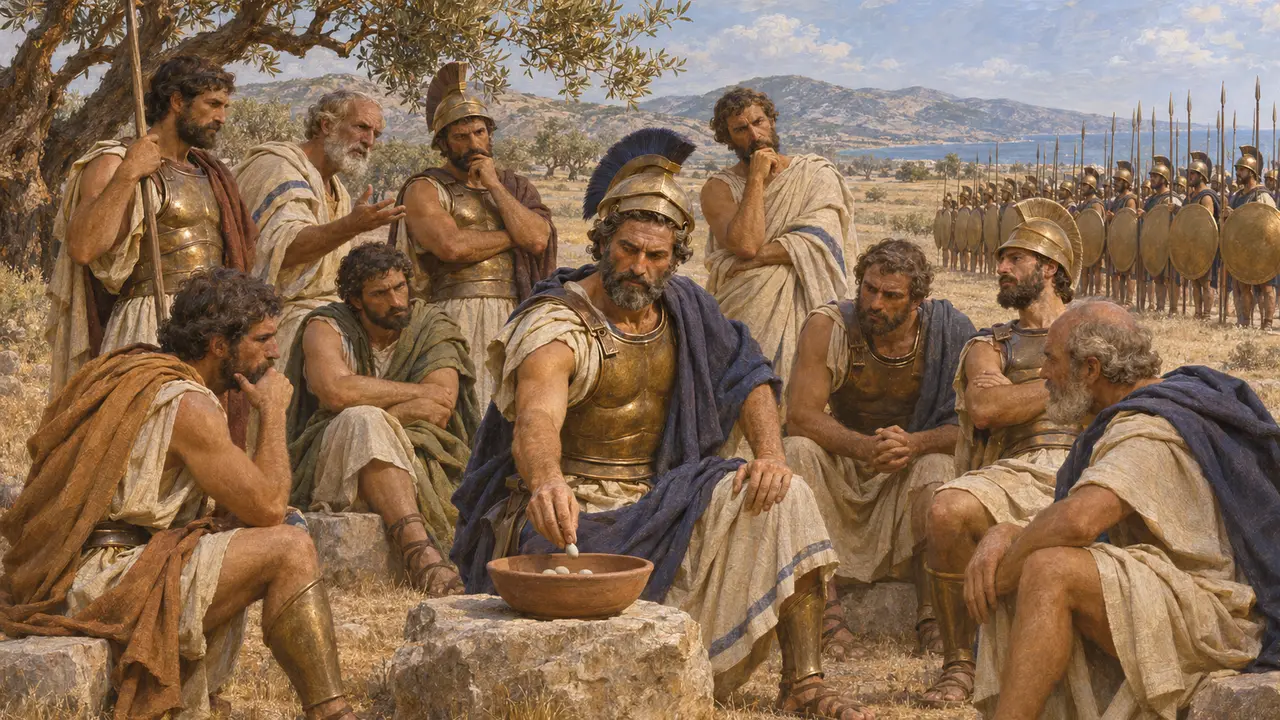
Callimachus and the lot at Marathon
DisputedHerodotus says the polemarch at Marathon, Callimachus of Aphidna, had been chosen by lot, cast the deciding vote to fight, and led the right wing. The Constitution of the Athenians dates the lot for archons to 487/6, after the battle. Historians still argue whether Herodotus projected later practice back, and how far command lay with the polemarch rather than with the ten generals.
Herodotus 6.109-111; [Aristotle], Athenaion Politeia 22.5
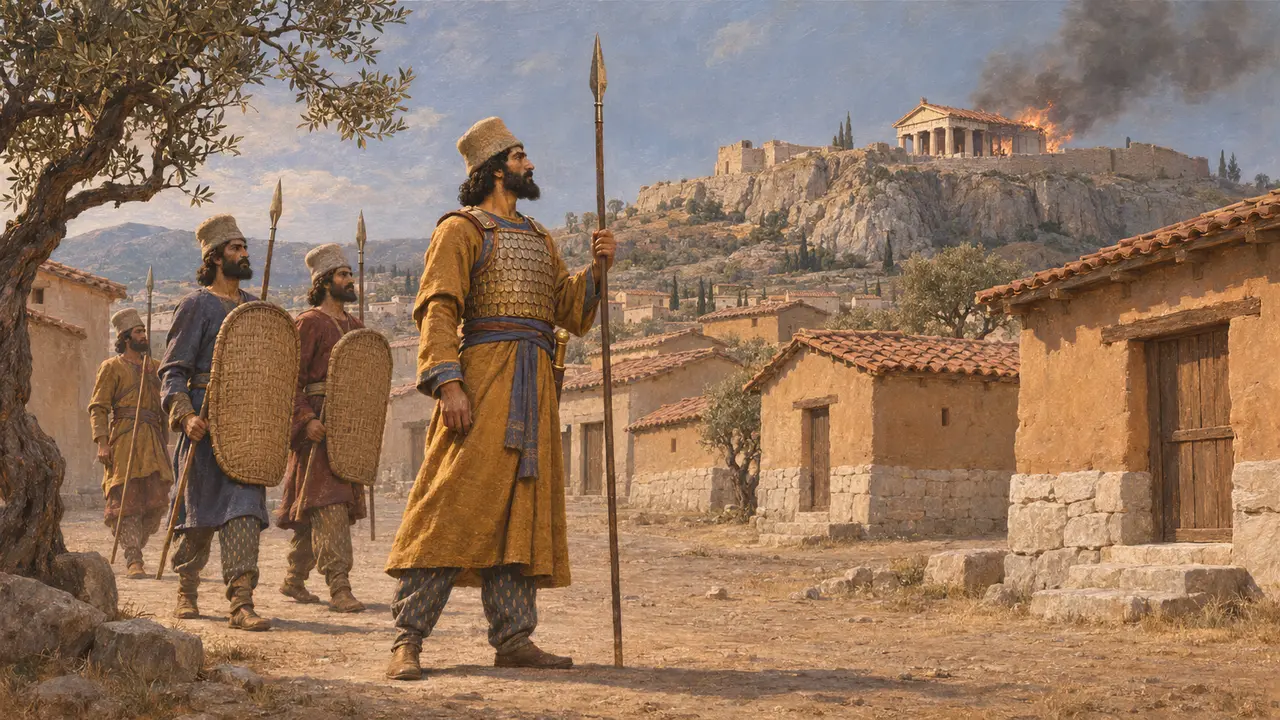
Dating the war years by archon
Ancient accountThe Athenian year began in midsummer, so each archon-year straddles two modern years. Herodotus, who rarely uses archon dates, places Xerxes' capture of Athens in the archonship of Calliades (480/79). The Constitution of the Athenians puts Marathon under Phaenippus (490/89). Persian scribes counted by the King's regnal years instead, and modern chronology lines up the two systems.
Herodotus 8.51; [Aristotle], Athenaion Politeia 22.3
Sources
- [Aristotle], Athenaion Politeia
- Herodotus 6.109-111; 8.51
- Thucydides 6.54
- IG I³ 1031 (Athenian archon list)
- P. J. Rhodes, A Commentary on the Aristotelian Athenaion Politeia, 1981
- R. Develin, Athenian Officials 684-321 BC, 1989