
Pactyes
Lydian who rebelled after the fall of Sardis, probably about 546-545 BCE
Pactyes was a Lydian to whom Cyrus entrusted Croesus's treasure after the fall of Sardis. After Cyrus had left for the east, he used it to raise a revolt on the Lydian coast. The rising collapsed, and Greek cities handed him on. Herodotus is the only continuous source.
In the game: The game names Pactyes only in the event articles on the fall of Sardis and Harpagus's conquest of Ionia. He has no mechanic of his own.
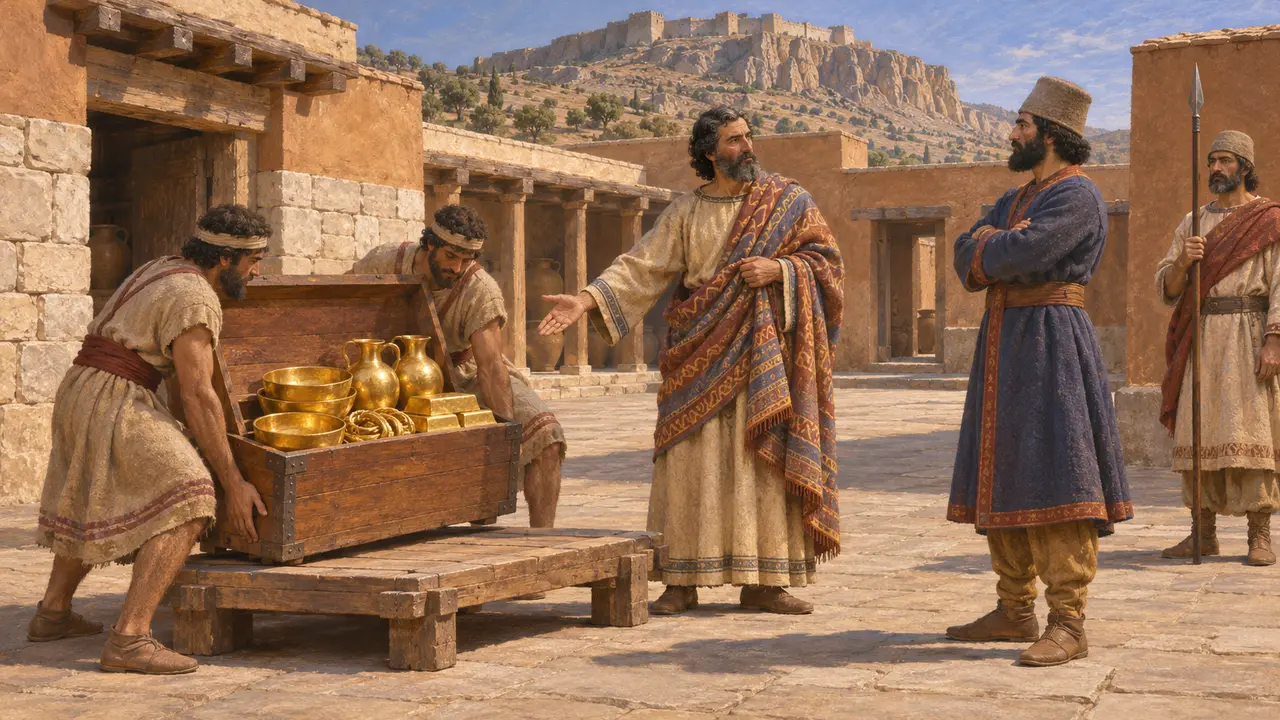
Keeper of Croesus's treasure
Ancient accountHerodotus says that Cyrus, after taking Sardis, went towards Ecbatana and took Croesus with him. He left a Persian, Tabalus, in command at Sardis. Pactyes, a Lydian, was told to bring Croesus's gold and other treasure. Pactyes was therefore a treasure bearer, and Tabalus held the command.
Herodotus 1.153
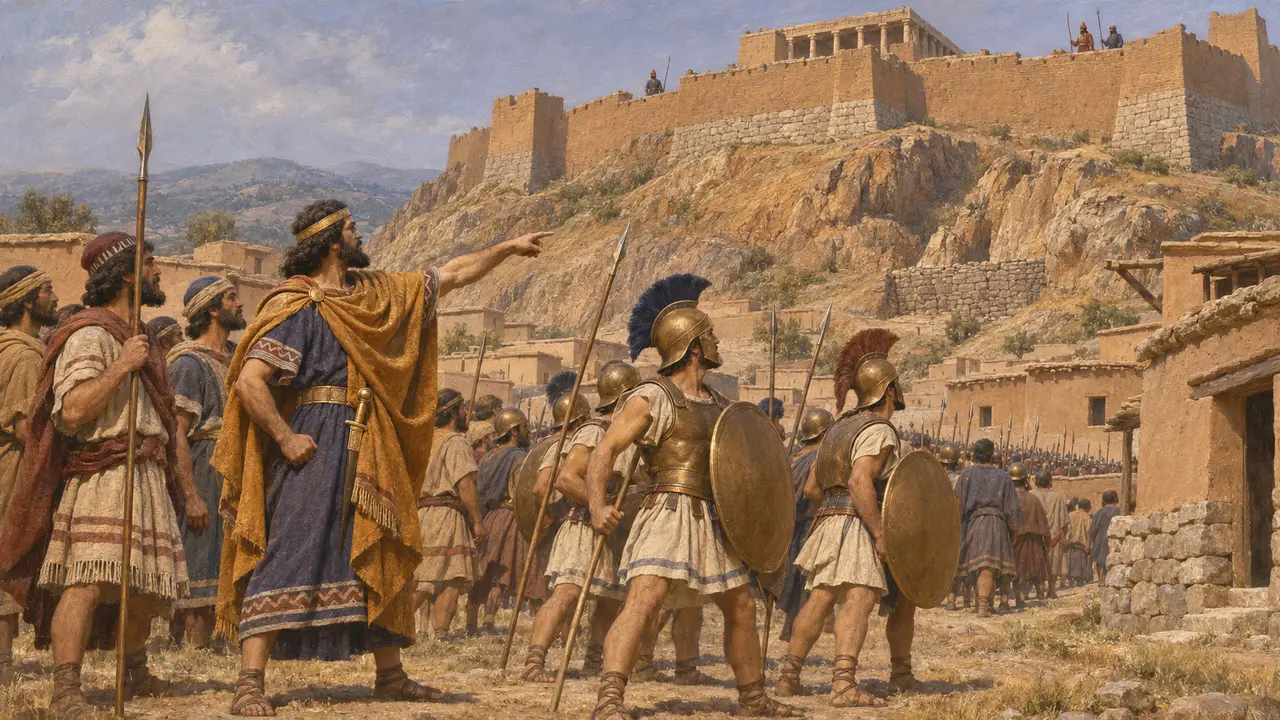
The revolt at Sardis
Ancient accountHerodotus says that once Cyrus was on his way, Pactyes persuaded the Lydians to rise against Tabalus and against Cyrus. He went down to the coast, used the treasure to hire mercenaries and brought the coastal people over to his side. He then besieged Tabalus in the citadel of Sardis.
Herodotus 1.154
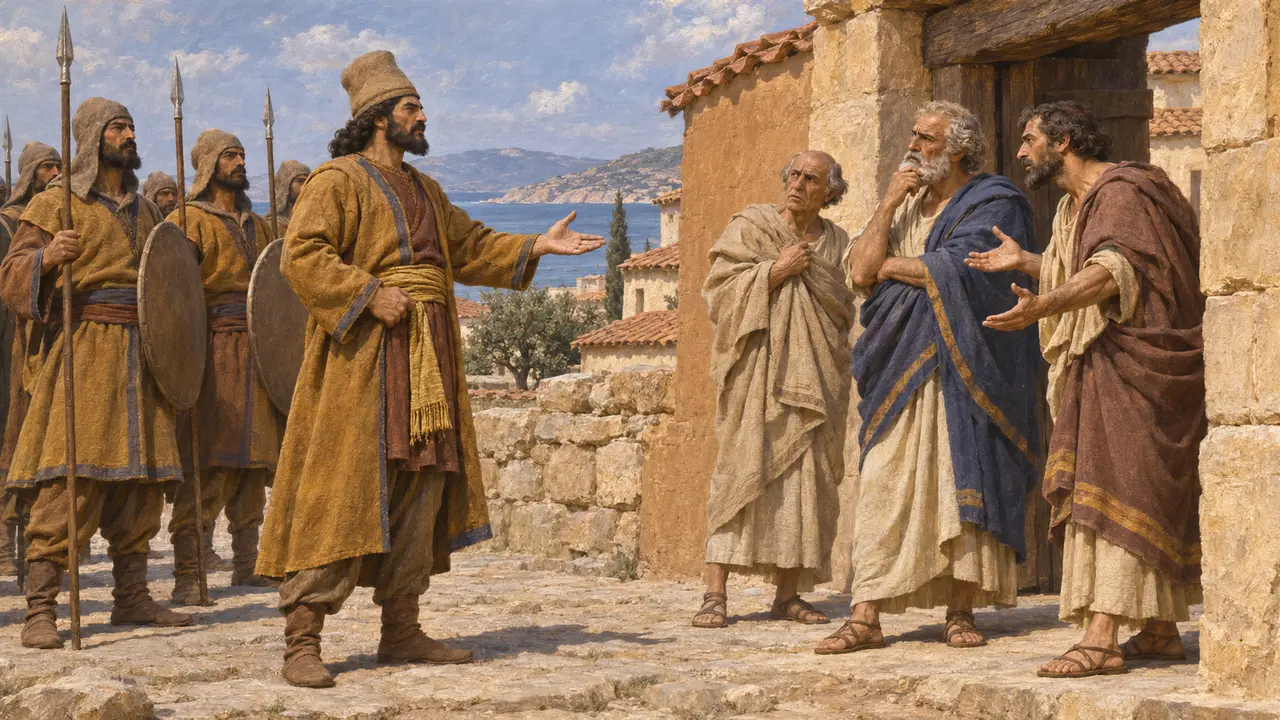
Cyrus's answer and Mazares
Ancient accountHerodotus says that Cyrus sent the Median commander Mazares with an army. On hearing of its approach, Pactyes fled to Cyme and his mercenaries scattered. Mazares then demanded Pactyes from the Cymaeans. In Herodotus's telling, Harpagus enters the story only after Mazares died of illness, and continued the conquest of the Ionian cities.
Herodotus 1.156-161
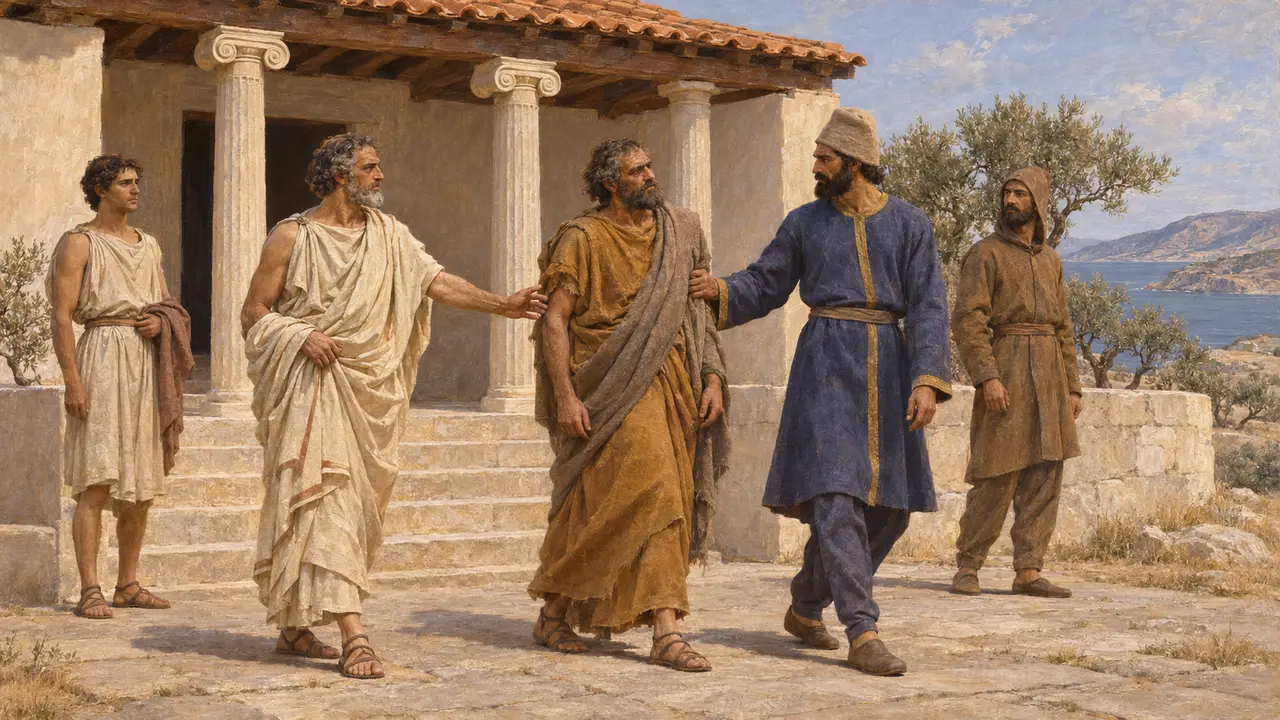
Passed from city to city
Ancient accountHerodotus says that the Cymaeans consulted the oracle at Branchidae, which told them to give Pactyes up. They sent him to Mytilene, which was ready to sell him, and then to Chios. The Chians took him from the temple of Athena and handed him over, and Herodotus says they received the land of Atarneus in Mysia in return. Herodotus does not say what became of Pactyes.
Herodotus 1.157-160
Croesus's advice on the Lydians
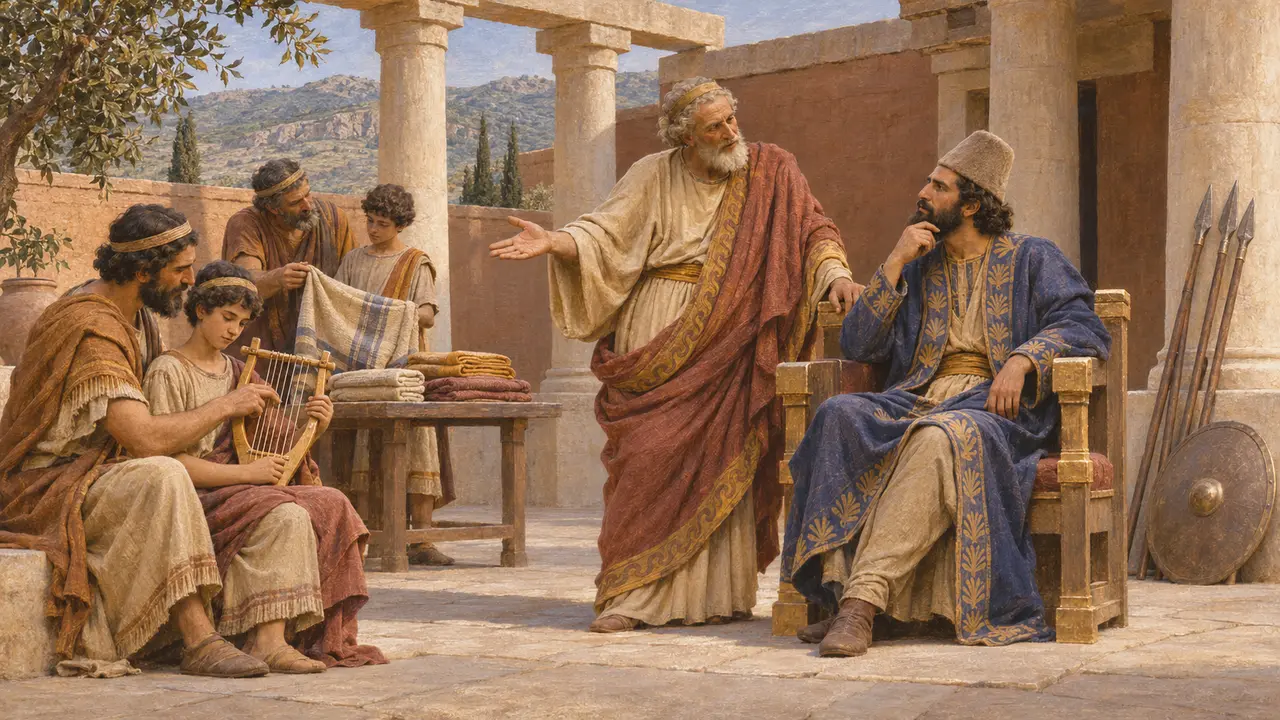
Later legendHerodotus reports that Cyrus wanted to enslave the Lydians, and that Croesus talked him out of it. In this story Croesus advised forbidding the Lydians weapons and making them wear soft clothes and teach their sons to play instruments and to trade. It reads as a moral tale about softness and empire, and should not be taken as a record of Persian policy.
Herodotus 1.155-156
What the revolt shows
DisputedHerodotus is the only source for these events, and no Persian text mentions Pactyes. Historians generally treat the revolt as a sign that Lydia was unsettled in the first years of Persian rule. The exact dates and the details of the treasure are uncertain.
P. Briant, From Cyrus to Alexander, 2002
Sources
- Herodotus 1.153-161
- P. Briant, From Cyrus to Alexander, 2002
- M. A. Dandamaev, A Political History of the Achaemenid Empire, 1989