The Thasians
Greek islanders of Thasos in the north Aegean, subjects of Persia 492-479 BCE
In the game: Level 9: The Canal
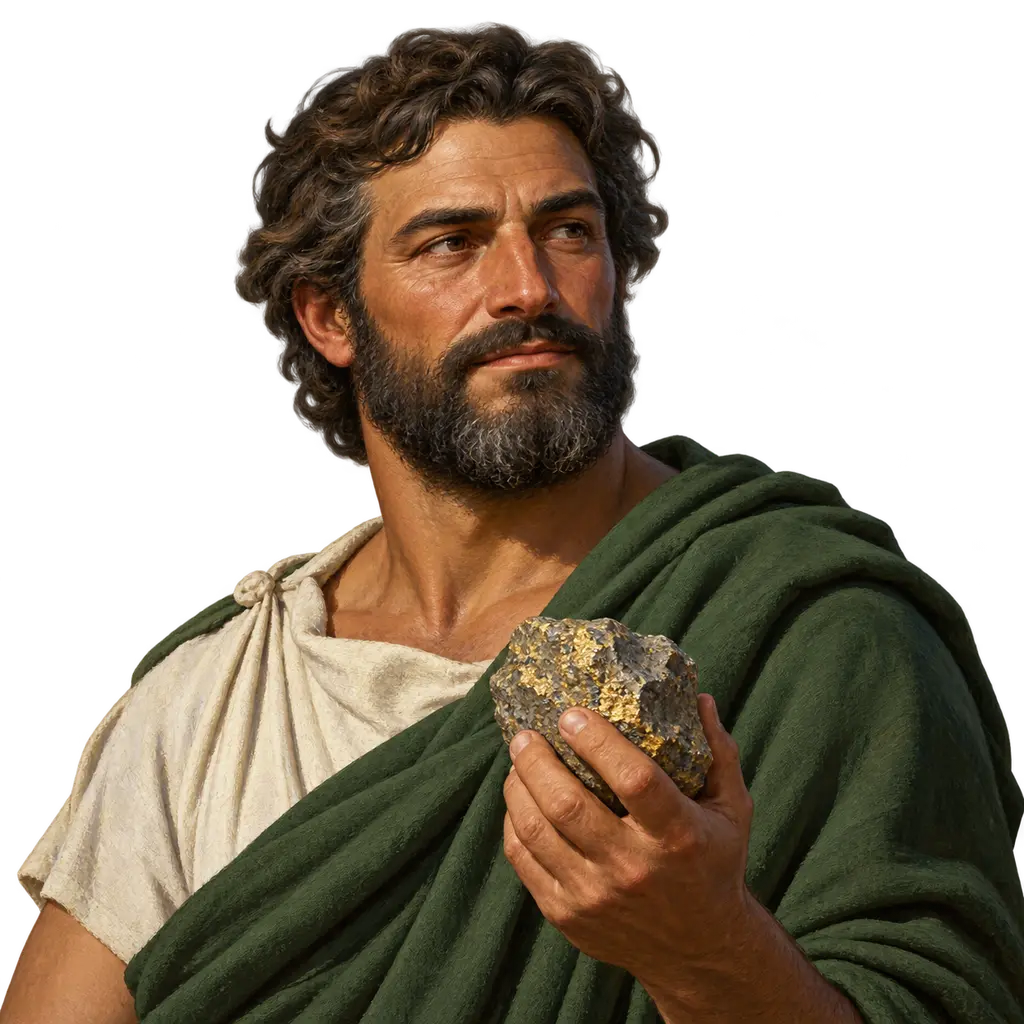
The Thasians were Greek settlers from Paros who held the island of Thasos and a strip of the Thracian coast opposite. Gold from the island and from mainland mines made them rich enough to build warships and walls. After 492 they were subjects of the Persian King, and in 480 they fed Xerxes' army on its march into Greece.
In the game: The game shows Thasos as a trade partner valued for its gold mines. The mines are historical, but from 492 Thasos was a subject city obeying Persian orders, not an equal partner, and the game simplifies this.
A colony of Paros
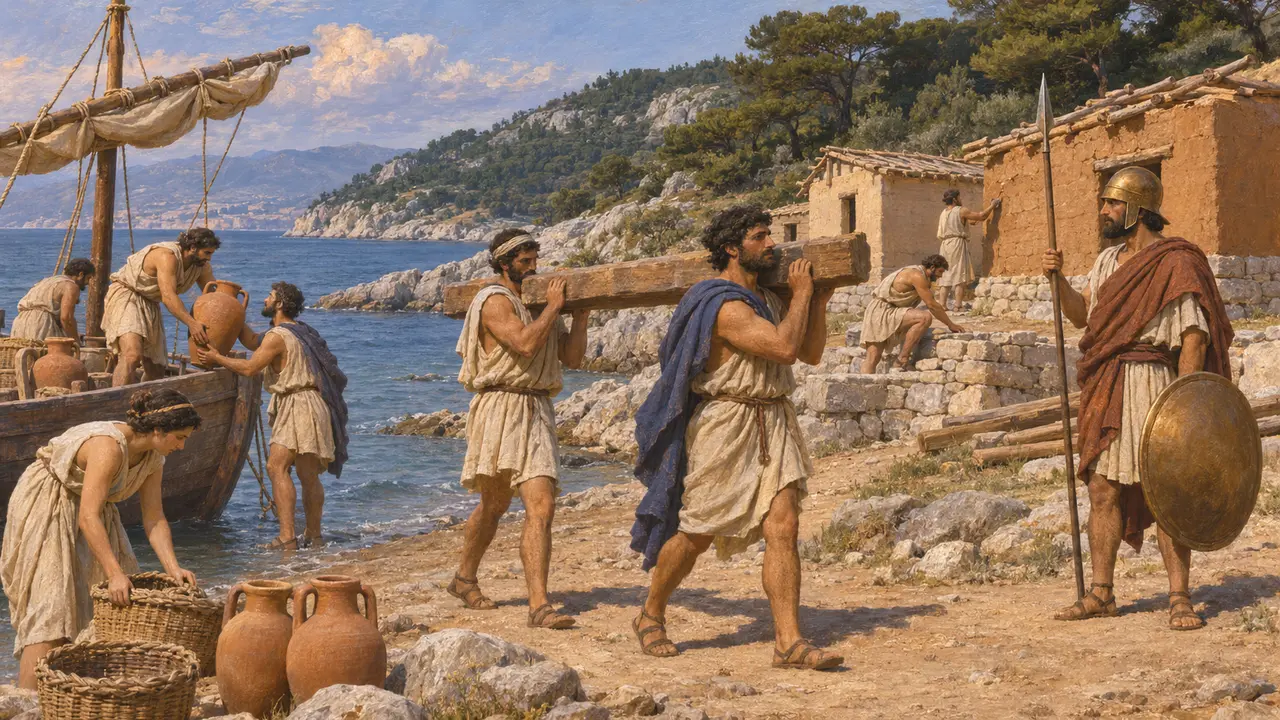
Ancient accountThucydides calls Thasos a colony of the Parians. The settlement probably dates to the first half of the 7th century. The poet Archilochus of Paros, who took part in it, wrote verses about the colony and its wars with the Thracians. Over time the colonists took control of coastal towns and trading posts on the mainland facing the island.
Thucydides 4.104; Archilochus, fragments
Gold from the island and Thrace
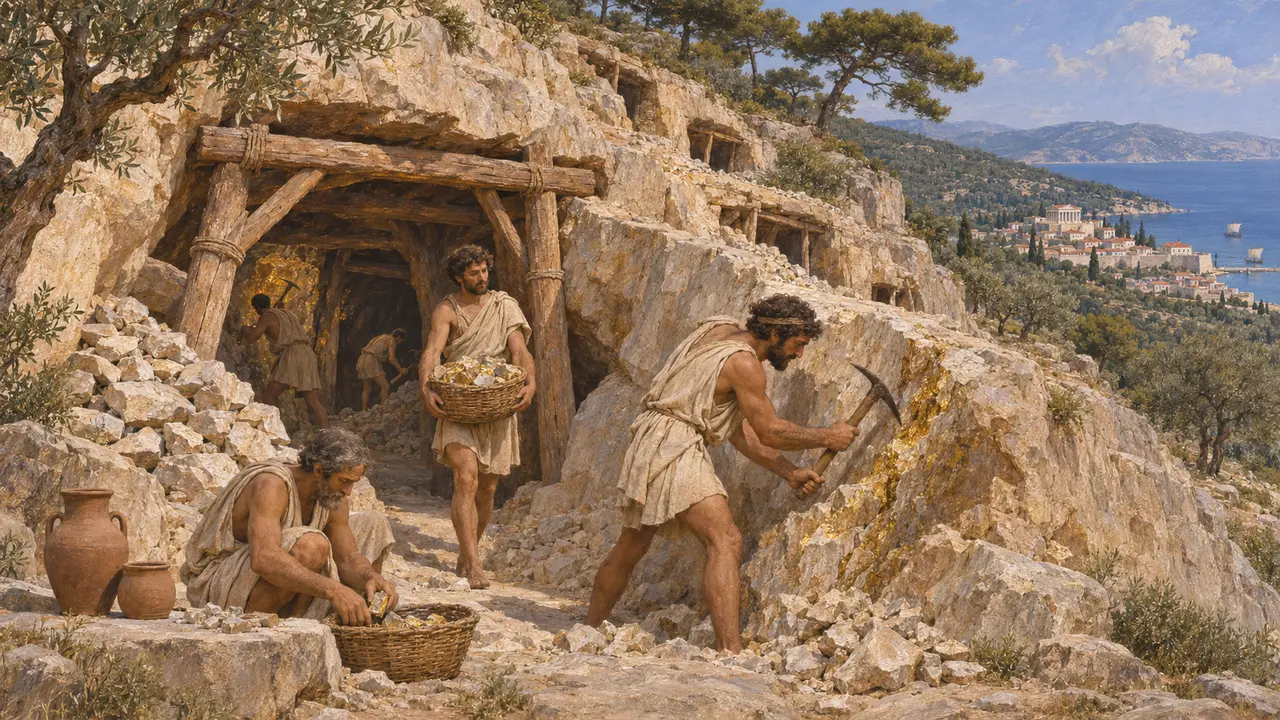
Ancient accountHerodotus says he saw the Thasian mines himself and that the most remarkable of them were opened by Phoenicians. He reports that the city's income from the island and from mainland mines such as Scapte Hyle was usually 200 talents a year and at most 300. These are his figures. Excavations on Thasos have found traces of ancient mining and a well-built city with rich public buildings.
Herodotus 6.46-47
Under Persian orders
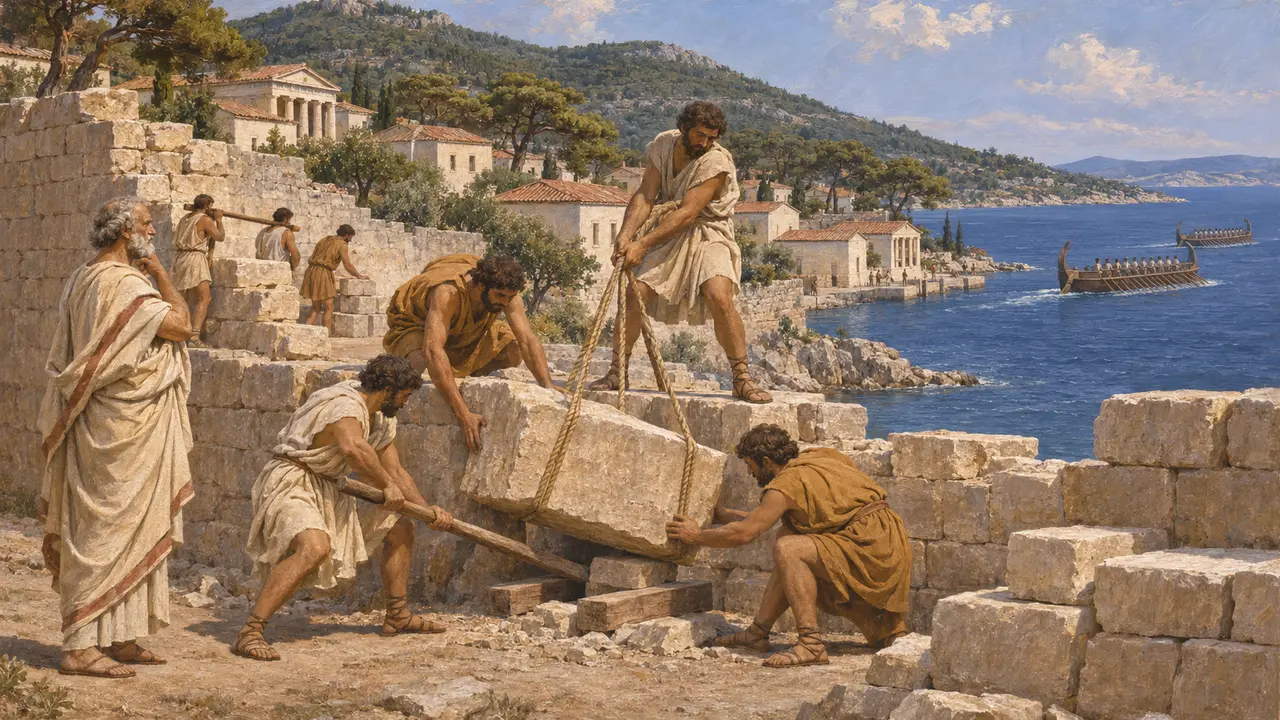
Ancient accountHerodotus says Histiaeus of Miletus besieged Thasos after the Ionian revolt. He left when he heard that the Phoenician fleet was sailing from Miletus against the rest of Ionia. The Thasians then spent their wealth on warships and stronger walls. In 492 they submitted to Mardonius without a fight. In 491 their neighbours accused them of planning revolt, and Darius ordered them to pull down their walls and send their ships to Abdera. They obeyed.
Herodotus 6.28; 6.44; 6.46-48
Feeding the King's army
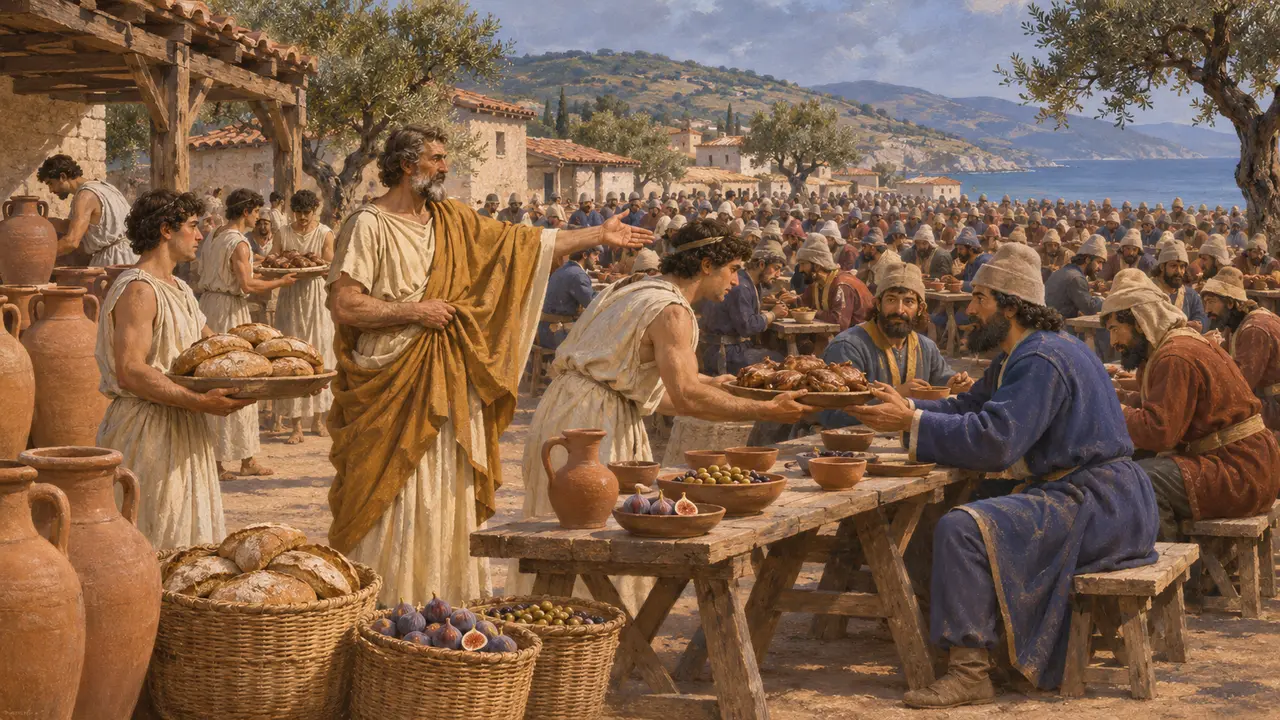
Ancient accountWhen Xerxes marched through Thrace in 480, the Thasians hosted the army on behalf of their mainland towns. Herodotus says the citizen Antipater, son of Orgeus, spent 400 talents of silver on this single meal. After 479 Thasos joined the Athenian alliance. It revolted in 465 over its mainland trading posts and mine, and surrendered after a siege of more than two years.
Herodotus 7.118; Thucydides 1.100-101
Thasos the Phoenician
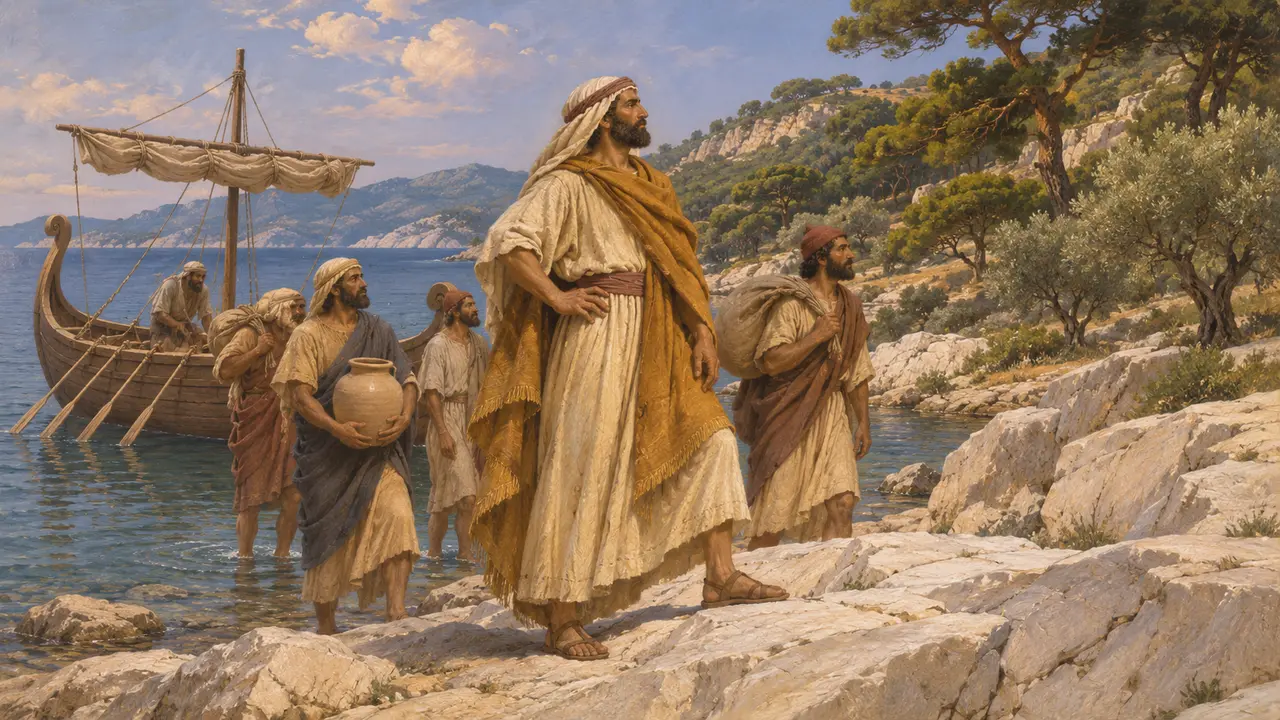
Later legendGreek tradition held that Phoenicians searching for Europa first settled the island under a leader named Thasos, who gave it his name. Herodotus repeats this and links it to a temple of Heracles that he visited on the island. Excavations have not confirmed a Phoenician settlement, and many historians treat the story as a founding legend.
Herodotus 2.44; 6.47
The emblem beside its name
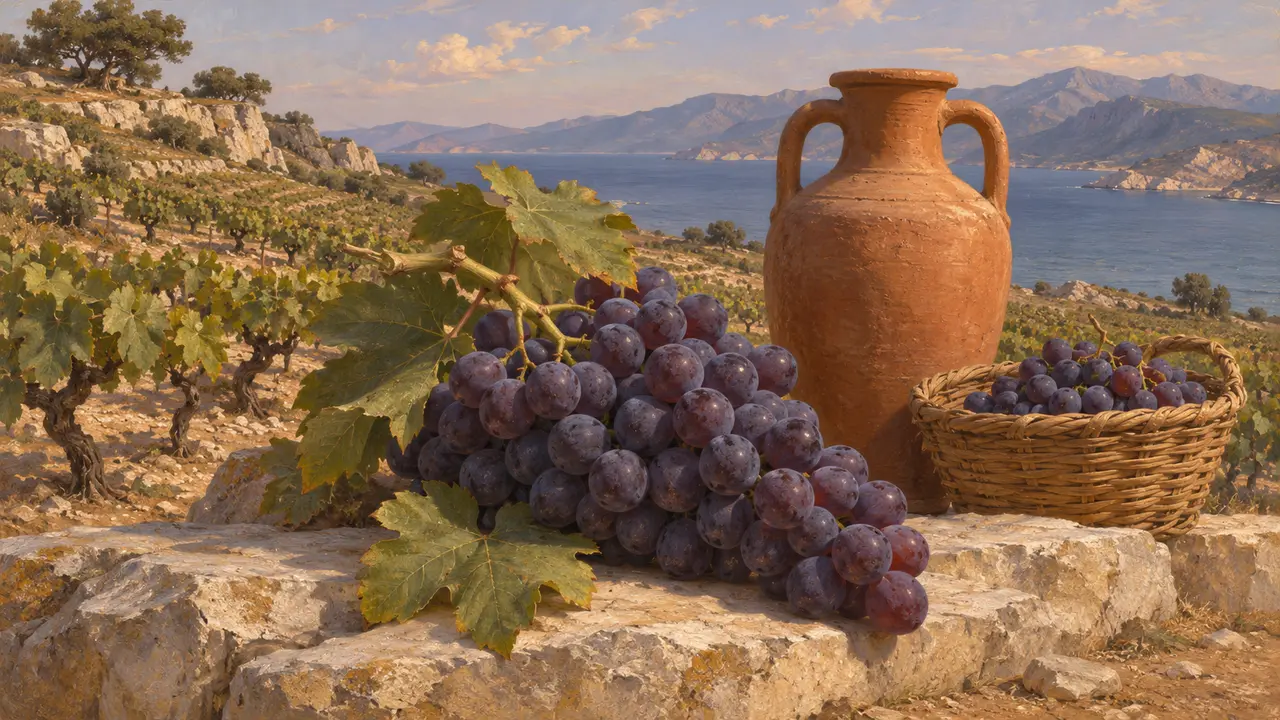
DisputedThasos's emblem in the game is a grape cluster, for the island's famous wine. The island's own coins of this period show a satyr carrying off a nymph; the grapes are the game's choice for the trade it is known by.
Head, Historia Numorum, Thrace
Sources
- Herodotus, Histories 2.44, 6.28, 6.44-48, 7.118
- Thucydides 1.100-101; 4.104
- Archilochus, fragments
- Y. Grandjean and F. Salviat, Guide de Thasos, 2000
- P. Briant, From Cyrus to Alexander, 2002