The Halys river
The great river of central Anatolia, Lydian frontier and road crossing, 6th century BCE
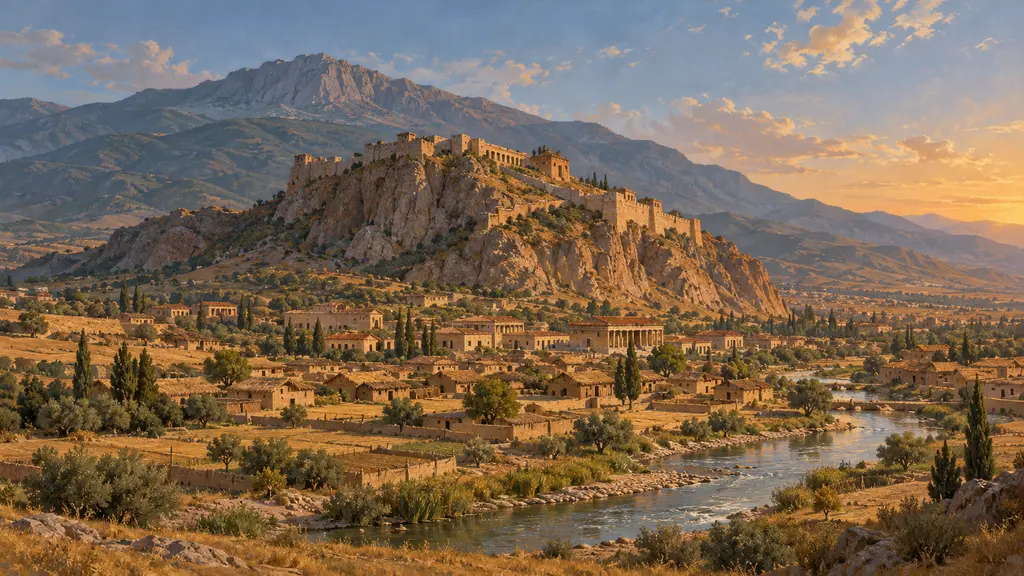
The Halys, now the Kızılırmak, is the longest river in Anatolia and curves north to the Black Sea. In the sixth century it was the boundary between the Lydian kingdom and its eastern neighbours. Herodotus makes it the line Croesus crossed to begin the war that ended with the fall of Sardis.
In the game: The game names the Halys only in the event articles on the fall of Sardis and the battle of Ephesus, and it has no mechanic of its own.
A river that bounded kingdoms
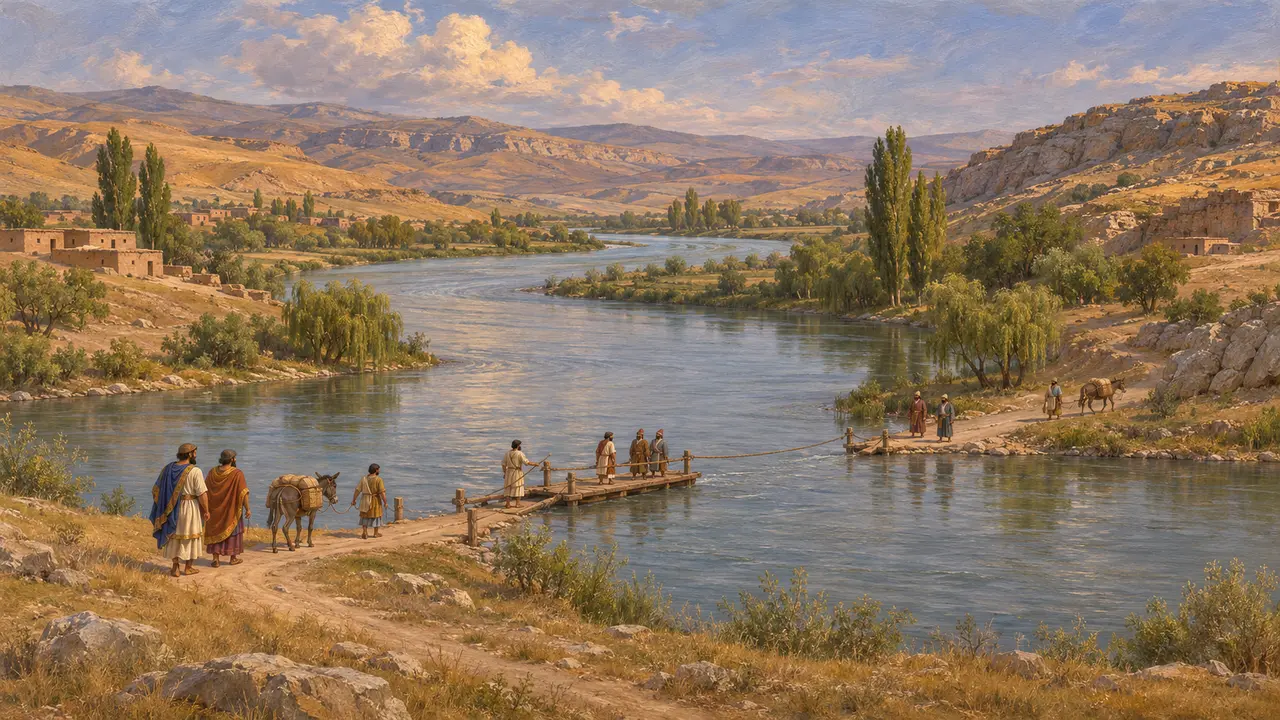
Ancient accountHerodotus describes the Halys as rising in the south and flowing north past the Syrians and Paphlagonians to the Black Sea. He says it divided the Lydian realm from the Median one, and that the treaty after the battle fought during an eclipse was sealed with a marriage between the two royal houses. The frontier role is his account; no Lydian or Median document survives to confirm it.
Herodotus 1.72, 1.74
Croesus crosses to attack Cyrus
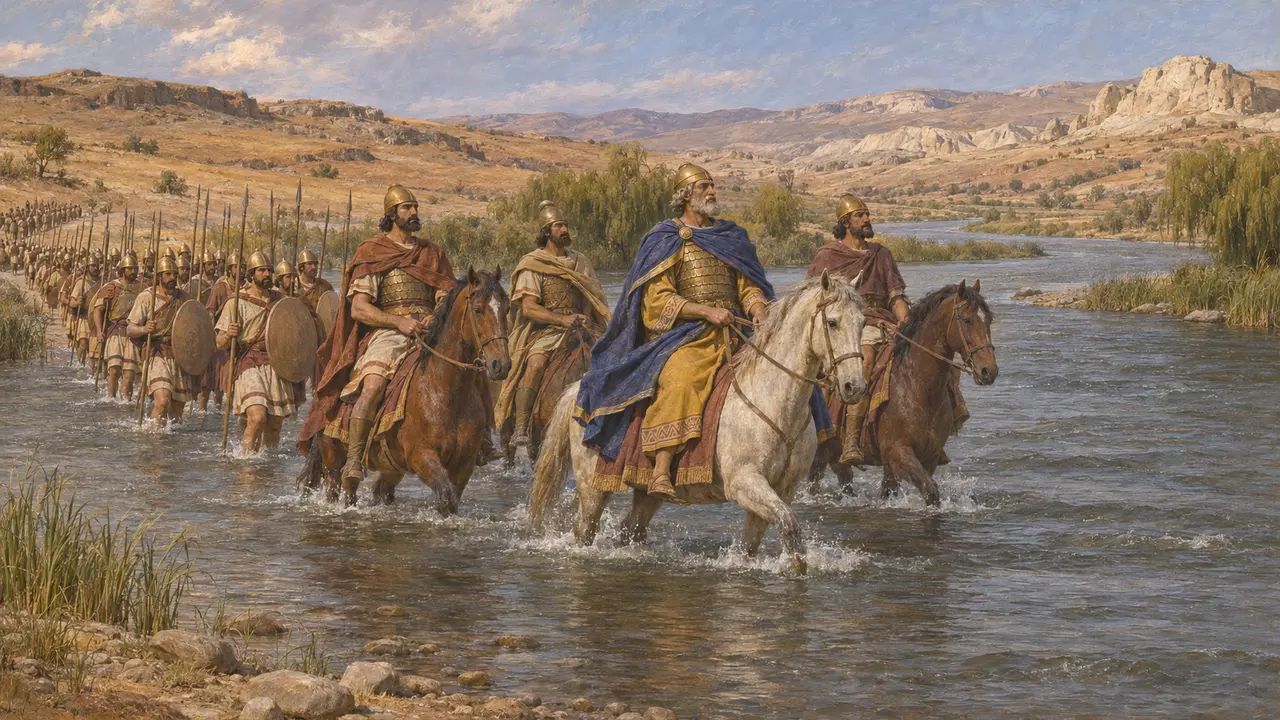
Ancient accountHerodotus says Croesus marched east over the Halys into Cappadocia, hoping to punish Cyrus and enlarge his kingdom. He fought Cyrus at Pteria without a clear result and withdrew to Sardis for the winter. Cyrus followed him, and Sardis fell. Many historians now identify Pteria with the hilltop city on Kerkenes Dağ; older writers placed it at the Hittite site of Boğazköy.
Herodotus 1.75, 1.76
What the Babylonian chronicle says
In the recordThe Nabonidus Chronicle, a Babylonian text, records for Nabonidus's ninth year that Cyrus, king of Parsu, marched against a land whose name, damaged on the tablet, was once read as Lydia; many scholars now read Urartu. The surviving text is damaged at this point and does not name the Halys or any battle site. The Persian side of the war is therefore known mostly through Greek writers. The year is placed around 547 or 546, and scholars still argue over which.
Nabonidus Chronicle
The oracle and the diverted river
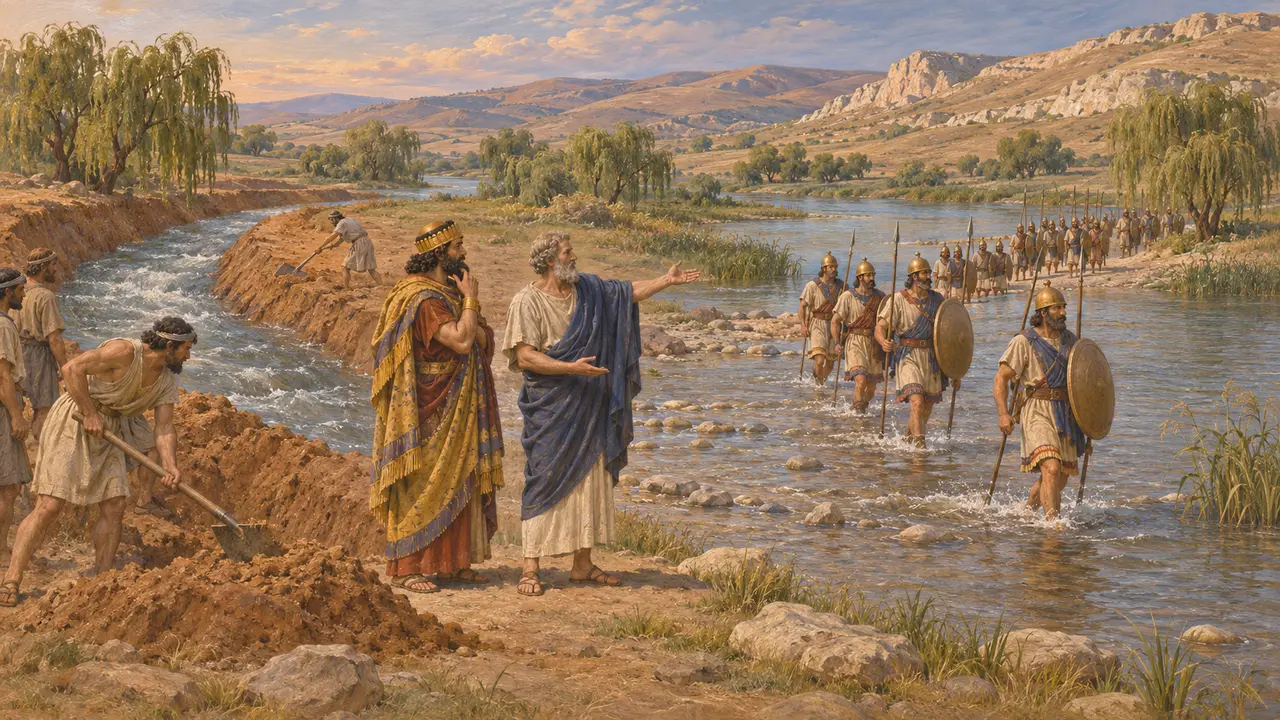
Later legendHerodotus tells that Delphi warned Croesus that crossing the Halys would destroy a great empire, and that he took this to mean Cyrus's. The story is shaped as a moral about misreading a god's words. Herodotus also reports a Greek tale that Thales of Miletus diverted the river so that the army could cross, and he says himself that he does not believe it.
Herodotus 1.53, 1.75
The Halys on the Royal Road
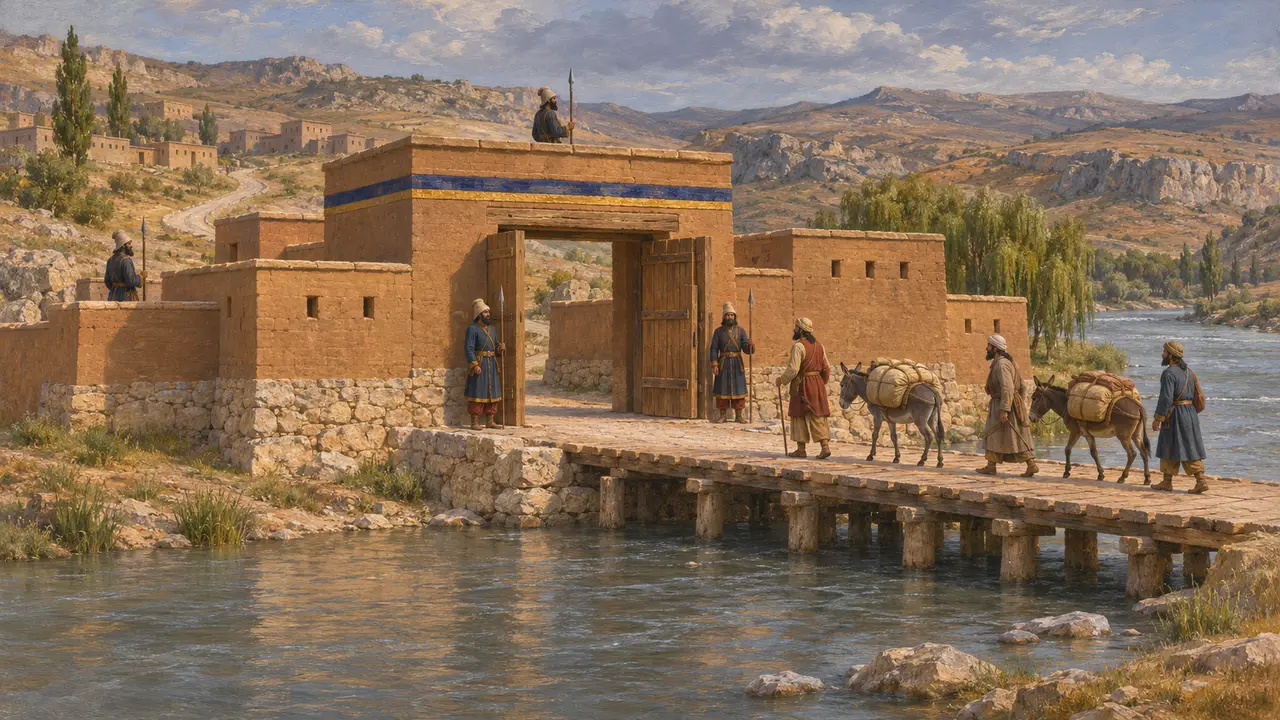
Ancient accountAfter the conquest the river lay inside the Persian empire. Herodotus says the road from Sardis to Susa crossed the Halys at a point with gates and a strong guard-post. This shows the river as a controlled crossing in his description of the road, set about 500. His description is the main evidence for that stretch of the road.
Herodotus 5.52
Sources
- Herodotus 1.53, 1.72-76
- Herodotus 5.52
- Nabonidus Chronicle (Babylonian chronicle for Nabonidus's ninth year)
- P. Briant, From Cyrus to Alexander, 2002