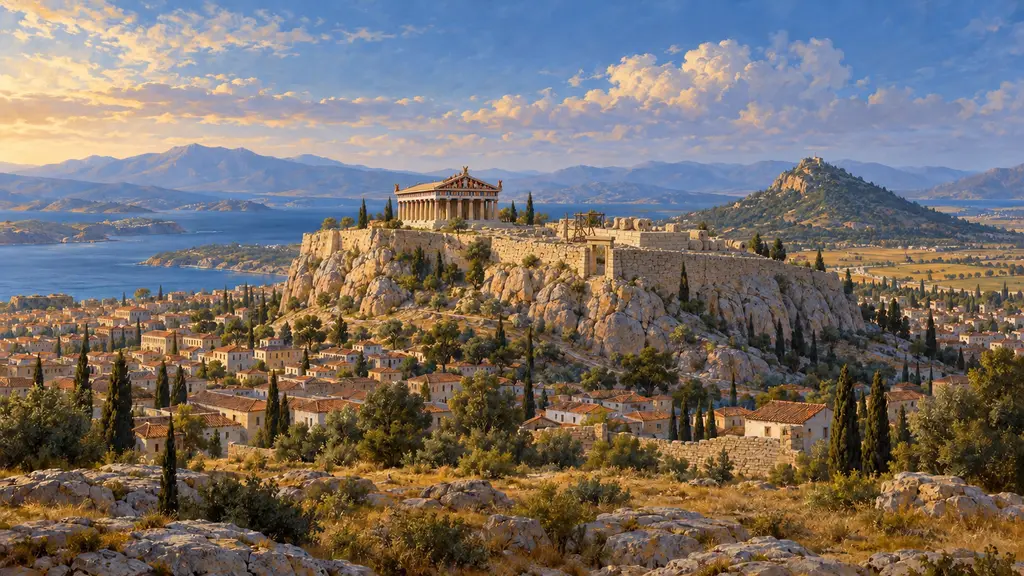
Empty House
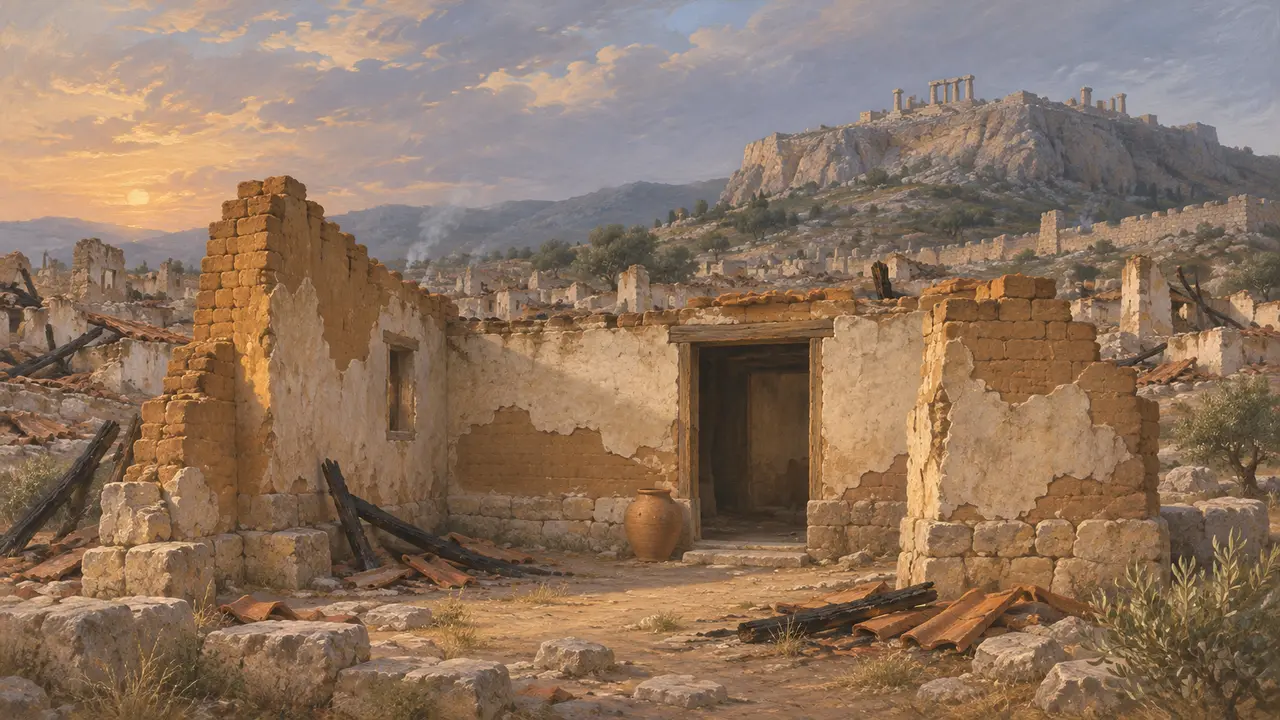
An abandoned house in the lower town of Athens, 480-479 BCE
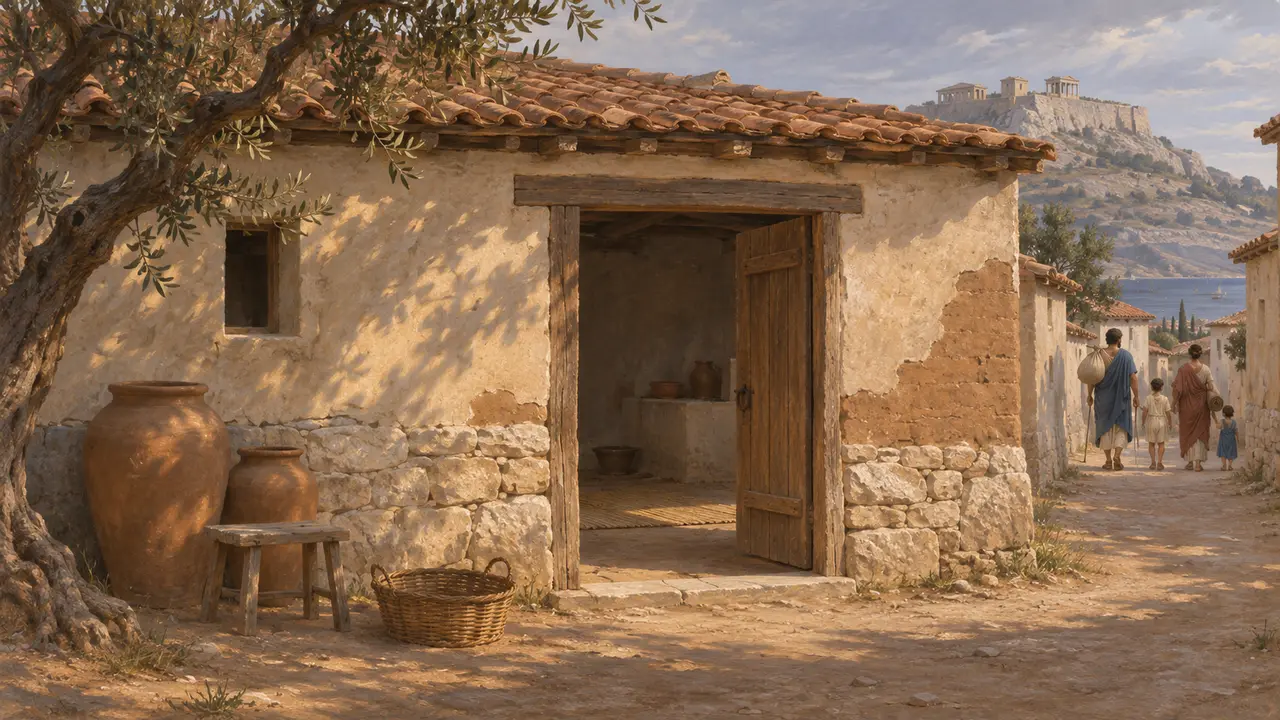
In 480, as Xerxes' army marched south after Thermopylae, the Athenians abandoned their city and carried their families across the water to Troezen, Aegina and Salamis. The houses of the lower town stood empty when the Persians arrived, and most were wrecked when Mardonius burned Athens again in 479. The evacuation kept the Athenian people and fleet intact for the battle of Salamis.
In the game: The Empty House stands on a level's map as a historic structure that the player does not build. Its note recalls the families sent to Salamis, Troezen and Aegina, following Herodotus 8.41.
Leaving the city in 480
Ancient accountHerodotus says the Athenian fleet put in at Salamis after Artemisium. A proclamation then told each household to save its children and servants as best it could. Most families went to Troezen, some to Aegina and some to Salamis. He adds that the priestess reported that the sacred snake of the Acropolis had left its honey cake untouched, and the Athenians took this as a sign that Athena too had left the city.
Herodotus 8.40-41
The city Xerxes found
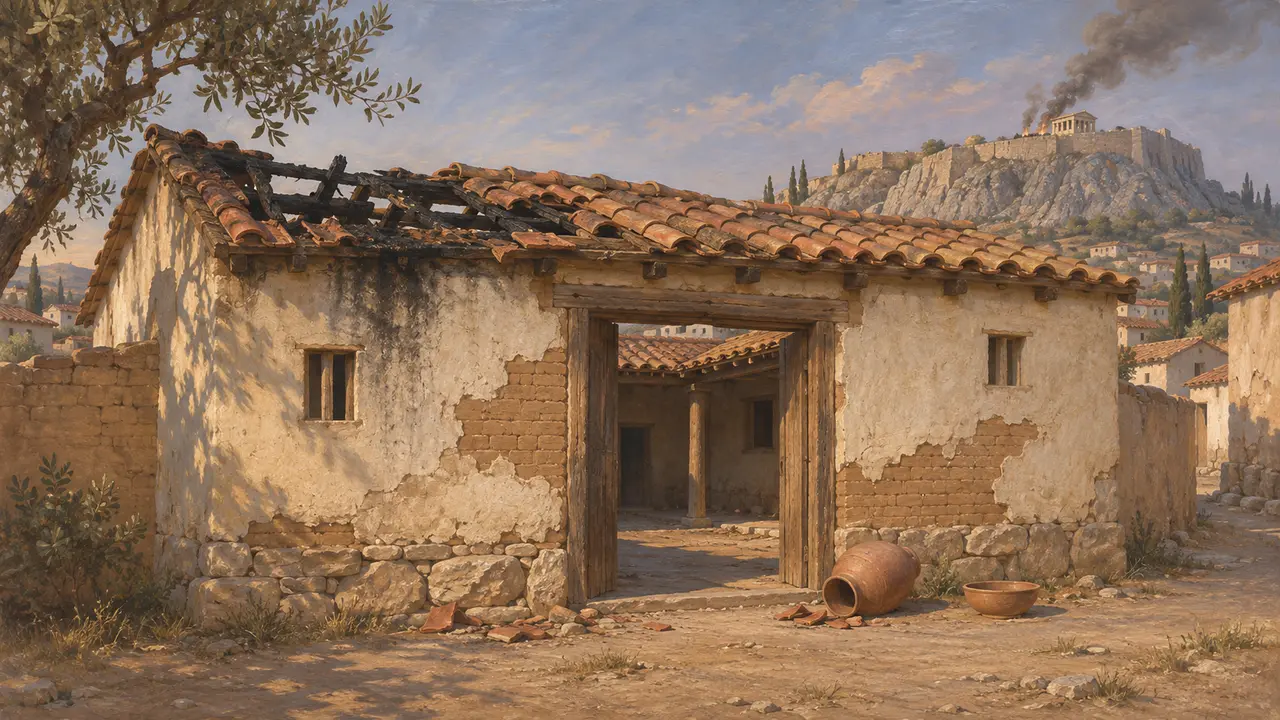
Ancient accountHerodotus says Xerxes' army entered a deserted Athens. Only a few temple treasurers and poor citizens remained, holding the Acropolis behind a wooden barricade. The Persians climbed the steep face near the shrine of Aglaurus, killed the defenders and burned the sanctuary. The empty houses below were probably plundered and partly burned at the same time.
Herodotus 8.51-53
The Themistocles Decree
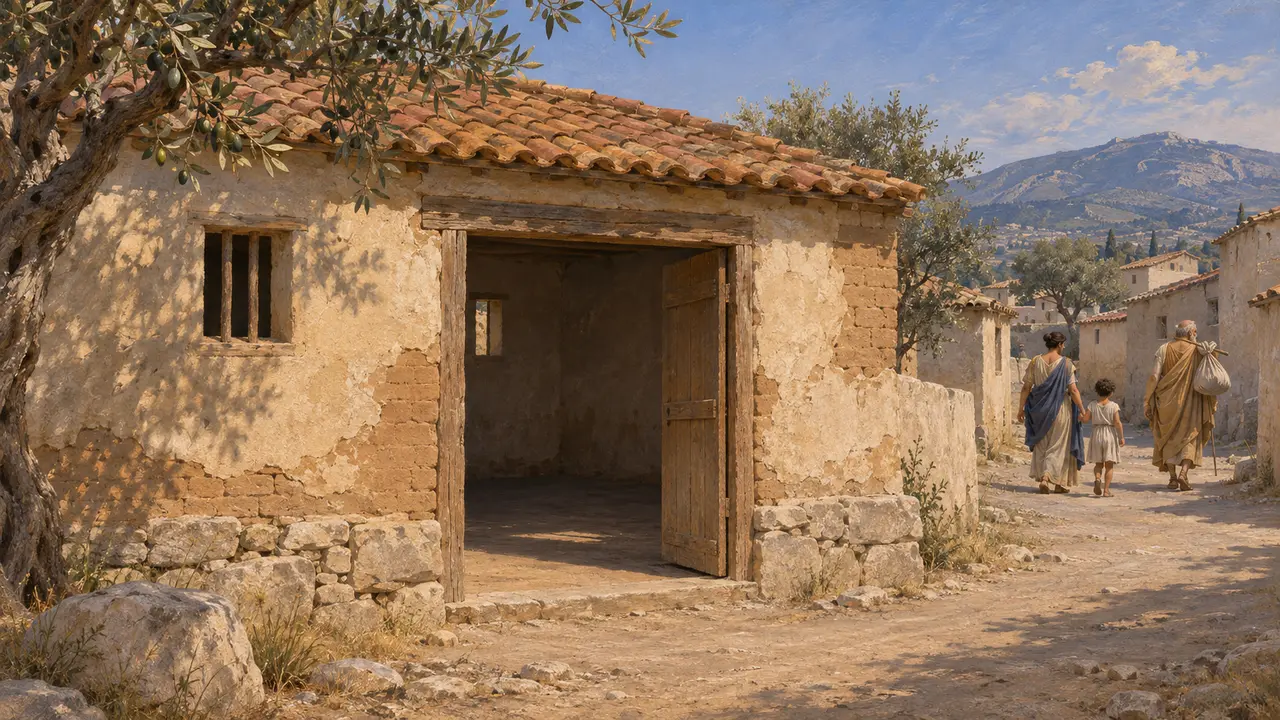
DisputedAn inscription found at Troezen in 1959 claims to record the Athenian vote, moved by Themistocles, to send women and children to Troezen and the old men and movable property to Salamis. The stone was cut in the third century, about two hundred years later. Historians still argue whether it preserves a genuine decree or a later patriotic version. It also sets the decision before the fleet sailed for Artemisium, while Herodotus puts the evacuation after that battle.
R. Meiggs and D. Lewis, A Selection of Greek Historical Inscriptions, 1969, no. 23
The second sack and the ruins
Ancient accountIn 479 Mardonius reoccupied Athens, which Herodotus says he again found empty. Before he withdrew to Boeotia, he burned the city and pulled down whatever wall, house or temple still stood. Thucydides says that when the Athenians came home, only short stretches of the circuit wall remained. Most houses had fallen, except a few in which Persian nobles had lodged.
Herodotus 9.3, 9.13; Thucydides 1.89
Debris in the ground
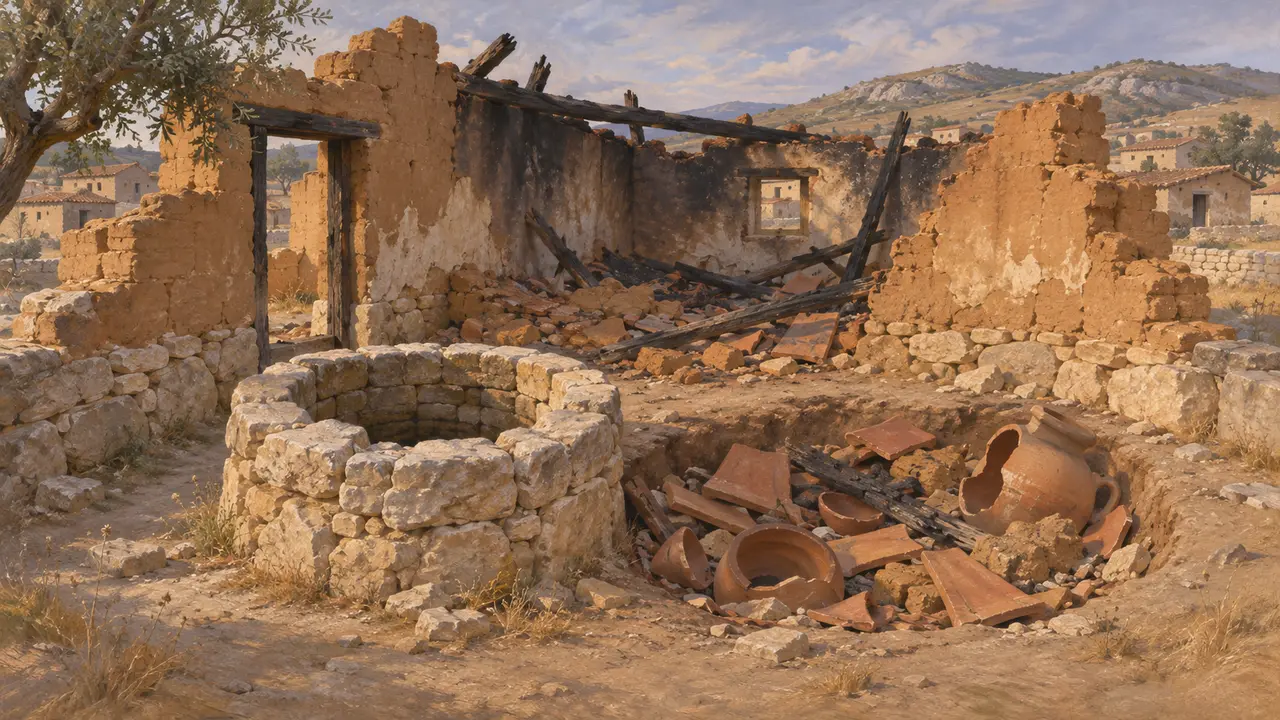
In the recordExcavations in the Athenian Agora have found wells and pits filled with broken pottery, roof tiles and rubble, which T. L. Shear Jr. linked to clearing up after the Persian sacks. Houses of this time were probably mostly mud brick on stone footings, so they collapsed easily once their roofs burned. The deposits are widely used to date pottery, though some scholars question whether all of them belong to 480-479.
T. L. Shear Jr., The Persian destruction of Athens, Hesperia 62, 1993
Sources
- Herodotus 8.40-41
- Herodotus 8.51-53
- Herodotus 9.3, 9.13
- Thucydides 1.89
- R. Meiggs and D. Lewis, A Selection of Greek Historical Inscriptions, 1969, no. 23
- T. L. Shear Jr., The Persian destruction of Athens, Hesperia 62, 1993