Encyclopedia › Battles and events
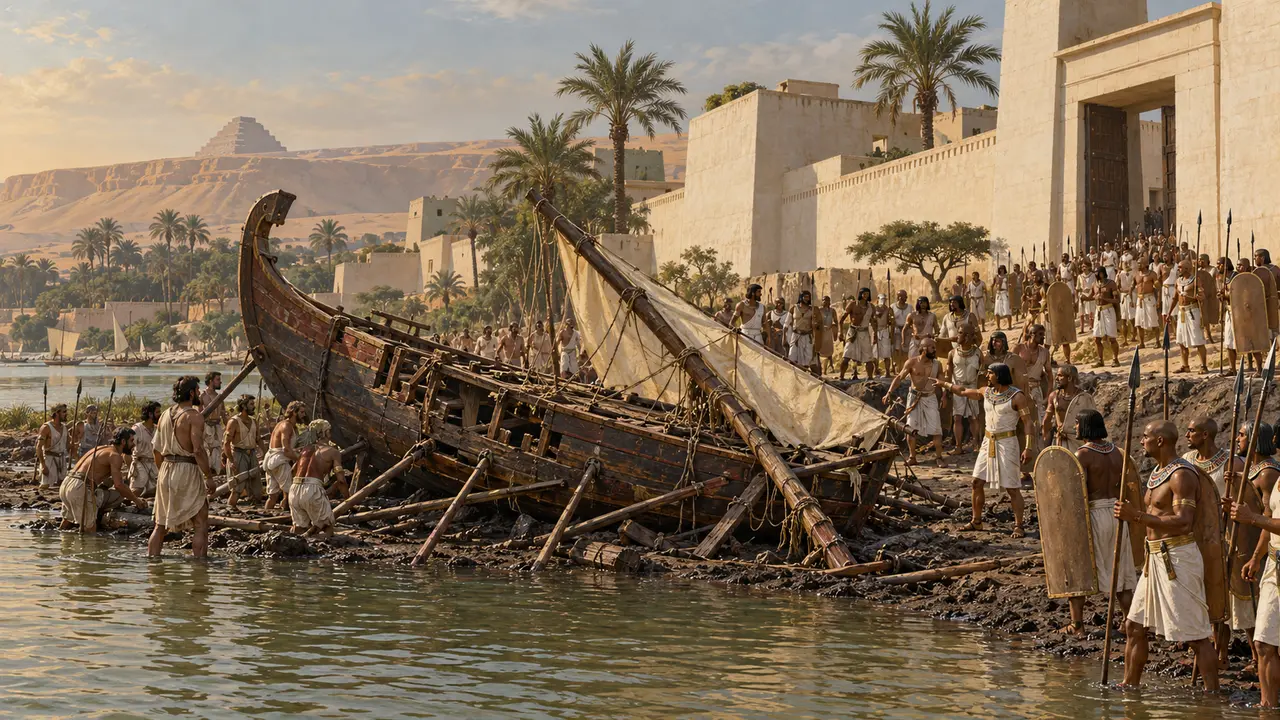
The siege of Memphis
Cambyses' siege and capture of Egypt's royal city after Pelusium, 525 BCE
In the game: Level 2: The Spear-bearer
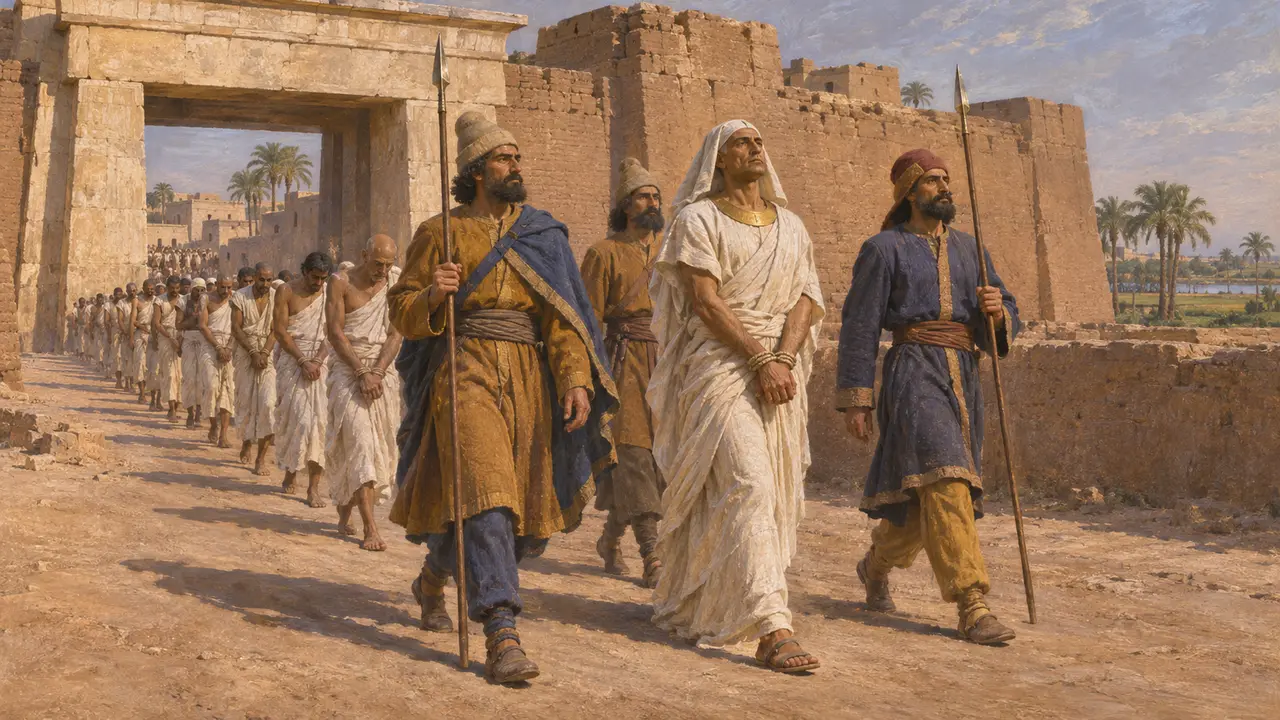
After their defeat at Pelusium, the Egyptian army and King Psamtik III fell back on Memphis, the old royal city at the head of the Nile delta. Cambyses besieged and took it, probably in 525 BCE, and Psamtik became his prisoner. The fall of Memphis ended the Twenty-sixth Dynasty and made Egypt a Persian province for more than a century.
In the game: The game follows Herodotus 3.13 closely: the herald's ship, the siege, Psamtik's capture and the Libyan gifts. The killing of the herald's crew and the gifts are known only from Greek writers, not from Egyptian or Persian records.
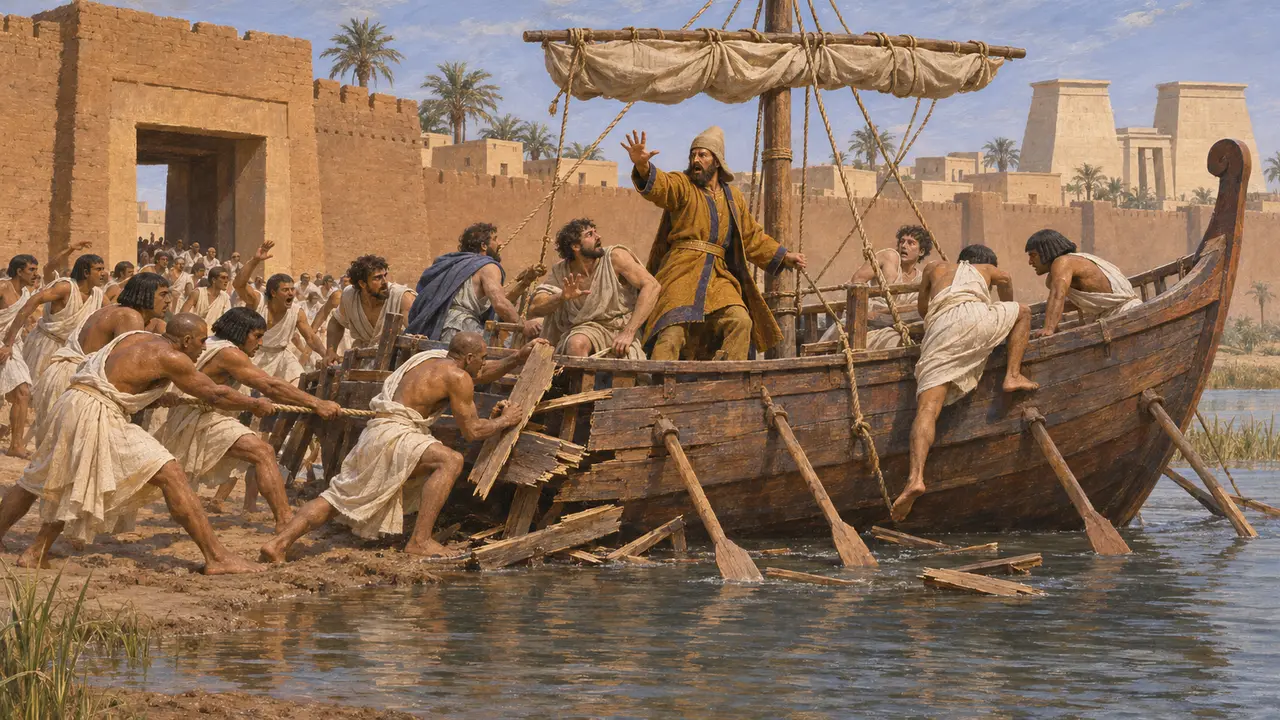
The herald's ship
Ancient accountHerodotus says the Egyptians fled from Pelusium to Memphis in disorder. Cambyses sent a ship from Mytilene on Lesbos up the Nile, carrying a Persian herald to call on them to surrender. When the ship reached the city, the Egyptians poured out, wrecked it and tore the crew apart, then carried the remains back inside the walls.
Herodotus 3.13
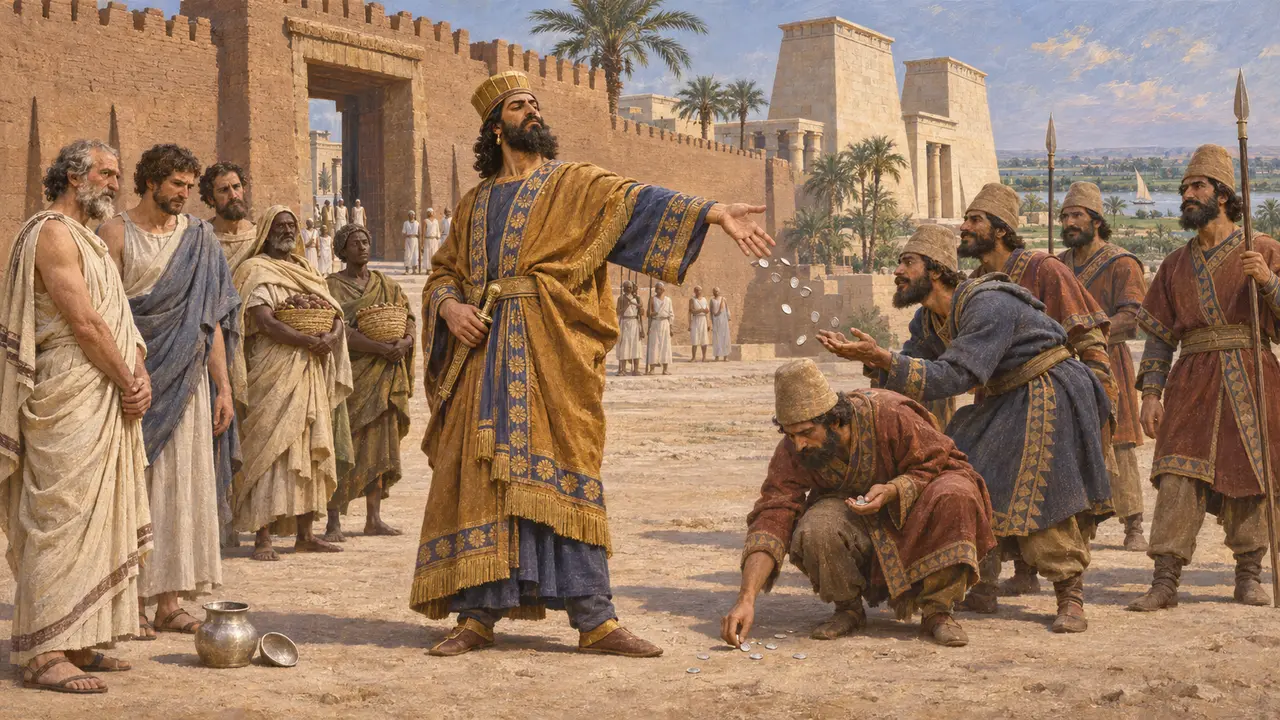
Siege, surrender and the western gifts
Ancient accountHerodotus says the Persians then laid siege to Memphis, and after some time the Egyptians surrendered. The Libyans living next to Egypt took fright, submitted without a fight, agreed to pay tribute and sent gifts, and the Greek cities of Cyrene and Barca did the same. He adds that Cambyses welcomed the Libyan gifts but thought the Cyrenaean silver too little and scattered it among his soldiers with his own hand.
Herodotus 3.13
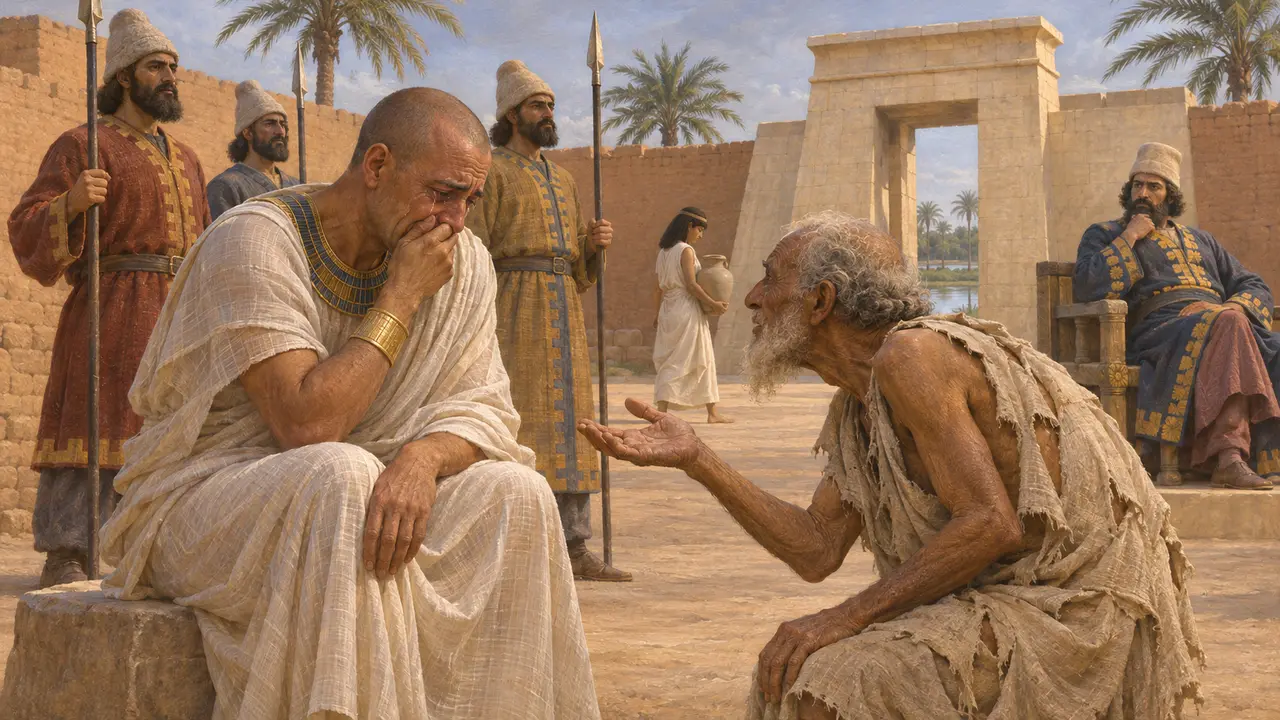
The testing of Psamtik
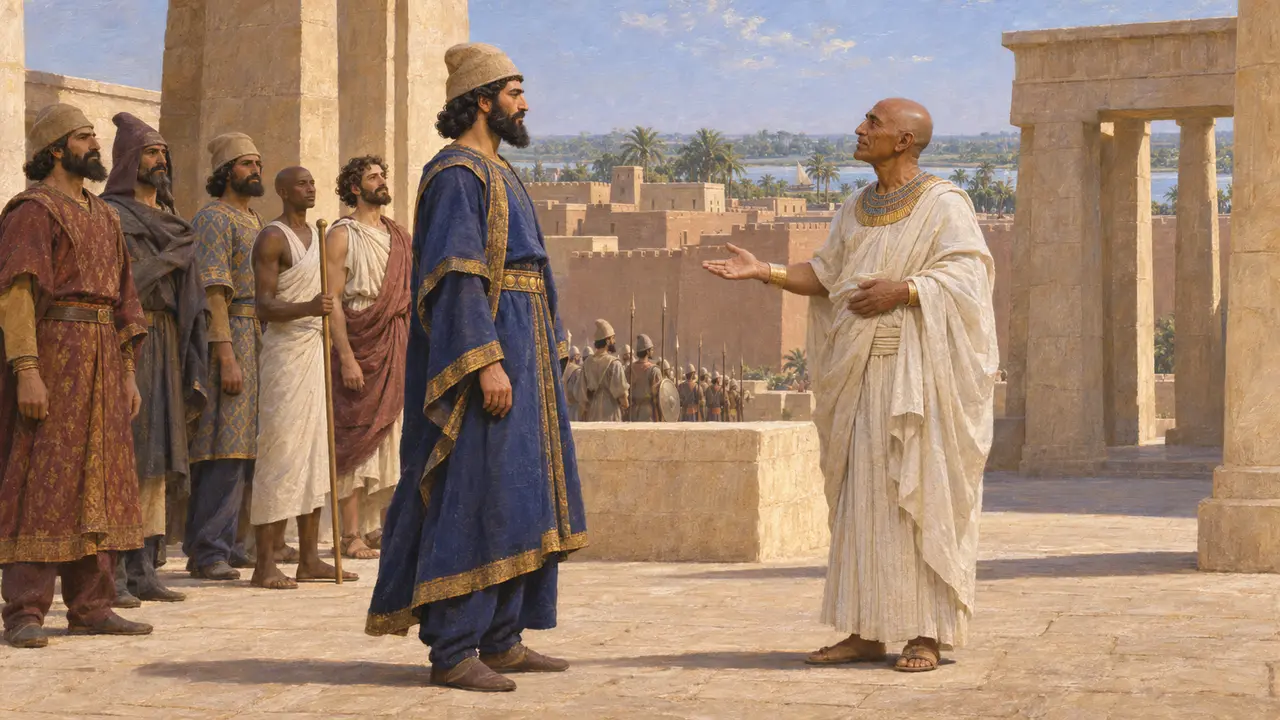
Later legendHerodotus tells a moral tale set ten days after the capture. Cambyses made Psamtik watch his daughter fetch water dressed as a slave and his son led out to execution with two thousand young Egyptians, ten for each man killed on the Mytilenean ship. Psamtik stayed silent, but wept on seeing an old companion reduced to begging. Herodotus also says Psamtik later plotted revolt and died after drinking bull's blood.
Herodotus 3.14-15
What the Egyptian record shows
In the recordNo Egyptian text from the time describes the siege itself. The inscribed statue of Udjahorresnet, a naval commander under Amasis and Psamtik III, says that Cambyses came to Egypt with foreigners of every land and became ruler of the whole country. Udjahorresnet then became his chief physician and composed his Egyptian royal titles. The statue also speaks of great turmoil in Egypt; historians debate whether this means the conquest or later disorders.
Statue of Udjahorresnet (Vatican Museums)
Date and other versions
DisputedThe conquest is usually dated to 525 BCE, but some historians argue for 526 BCE, because the Egyptian evidence for the end of Psamtik's reign and the start of Cambyses' can be read either way. Ctesias tells a different story: he calls the Egyptian king Amyrtaeus, says the victory came through the treachery of a court eunuch, and has the captive king sent to Susa with six thousand Egyptians. Historians generally prefer Herodotus on the outline, but not on every detail.
Ctesias, Persica (summary by Photius); J. F. Quack, Zum Datum der persischen Eroberung Ägyptens unter Kambyses, 2011; P. Briant, From Cyrus to Alexander, 2002
Sources
- Herodotus 3.13-15
- Statue of Udjahorresnet (Vatican Museums)
- Ctesias, Persica (summary by Photius)
- P. Briant, From Cyrus to Alexander, 2002
- A. Kuhrt, The Persian Empire: A Corpus of Sources from the Achaemenid Period, 2007
- J. F. Quack, Zum Datum der persischen Eroberung Ägyptens unter Kambyses, 2011