Artayntes
Persian fleet commander who escaped the defeat at Mycale, 479 BCE
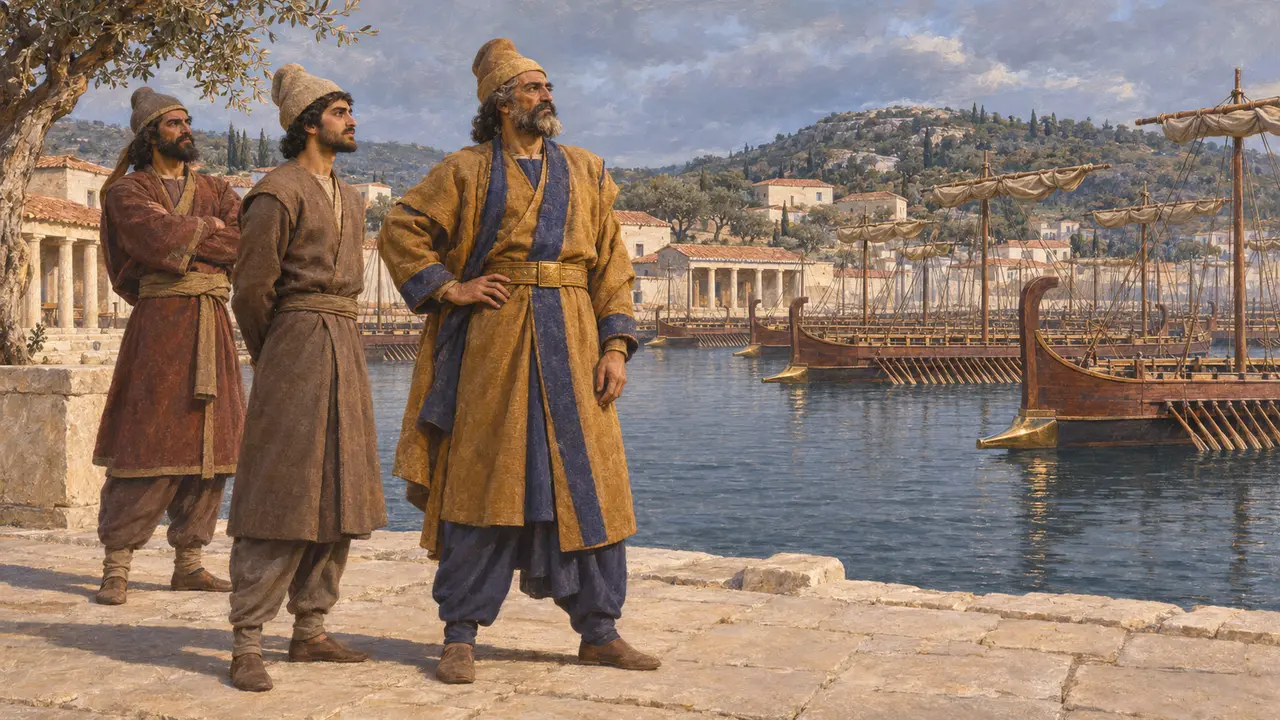
Artayntes was a Persian commander of the fleet that wintered at Samos after Salamis. Herodotus says he escaped the Persian defeat at Mycale in 479. He is known almost entirely from Herodotus, so the Greek account is the main voice on him.
In the game: Artayntes is named in the game's articles on the battle of Mycale and on Xerxes' return to Asia. He has no figure, unit or mechanic of his own.
Mycale and the escape
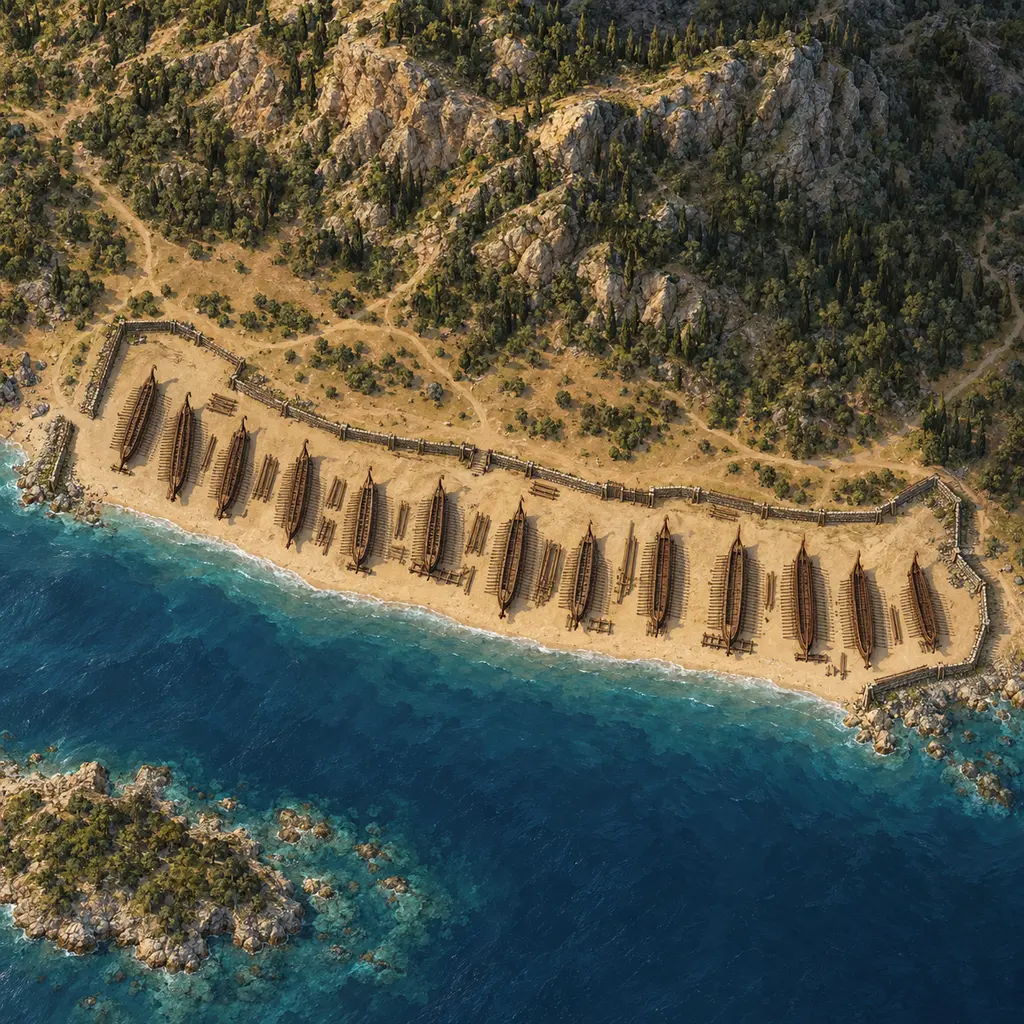
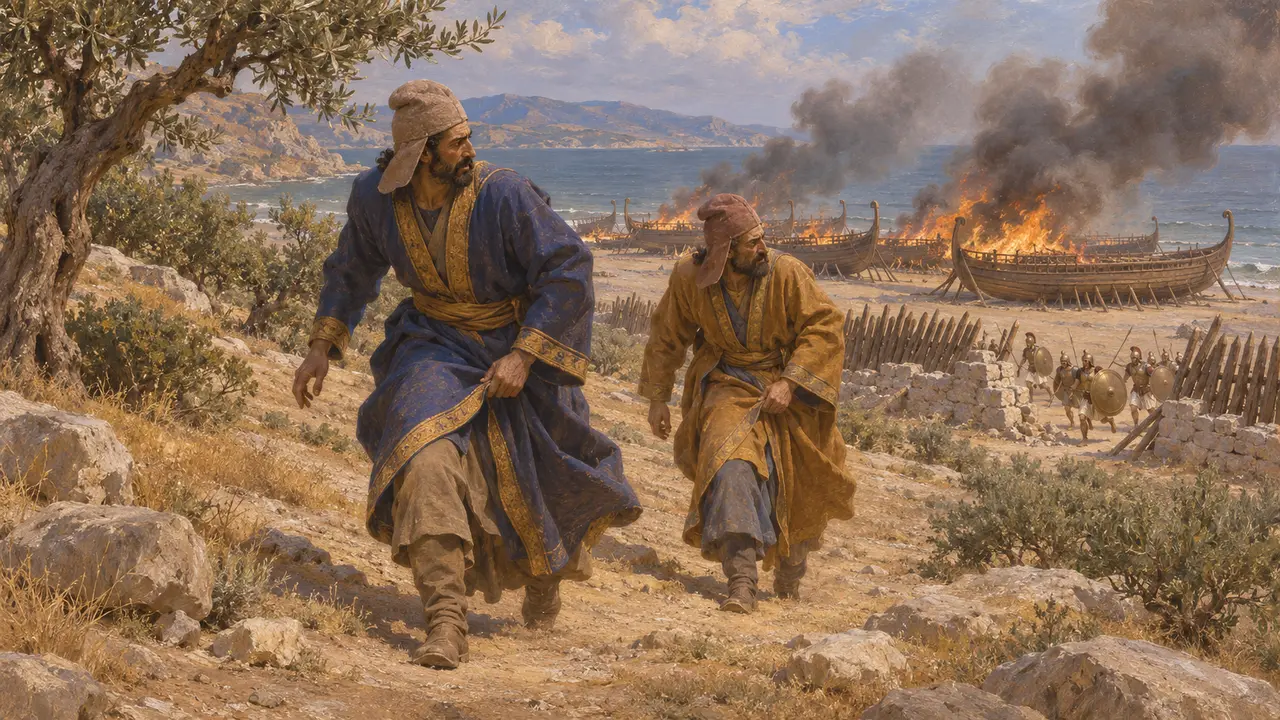
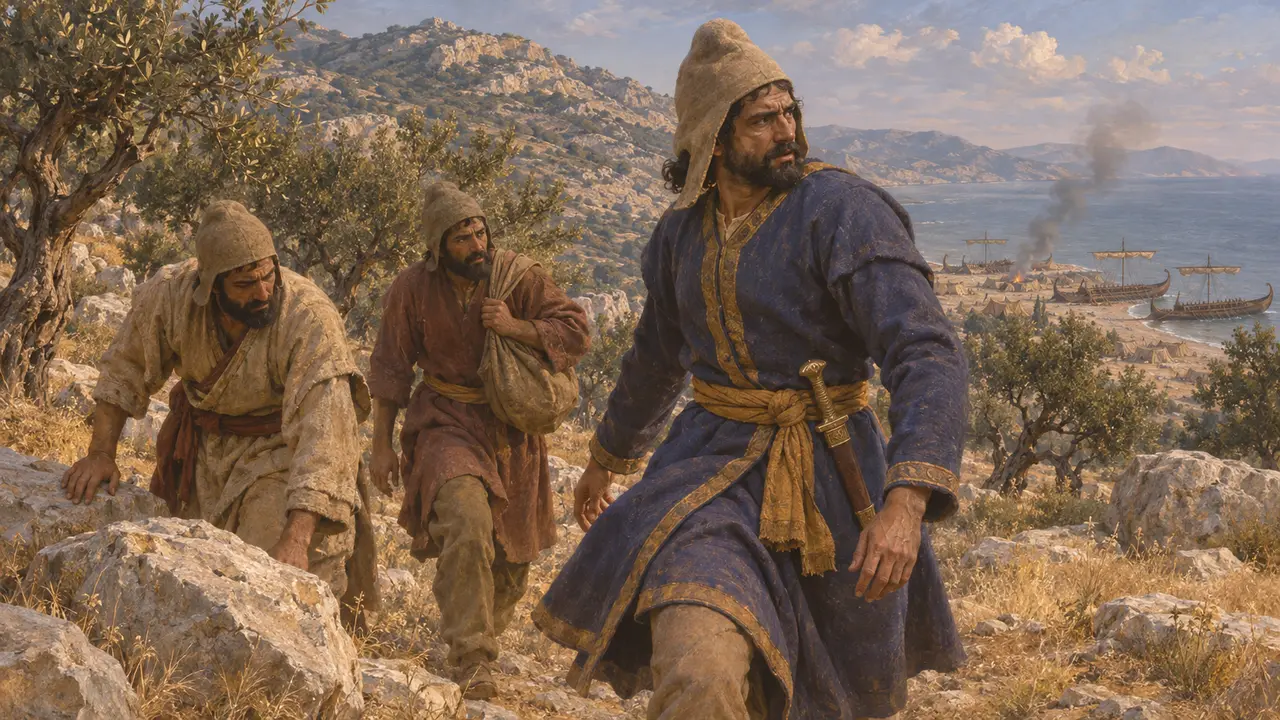
Ancient accountIn Herodotus's telling the Persians drew their ships up at Mycale behind a barrier of stakes and stones. The Greeks landed and broke the Persian line, and the army commander Tigranes was killed. Herodotus says Artayntes and Ithamitres were among those who got away, while the Greeks burned the ships.
Herodotus 9.96-106
The quarrel with Masistes
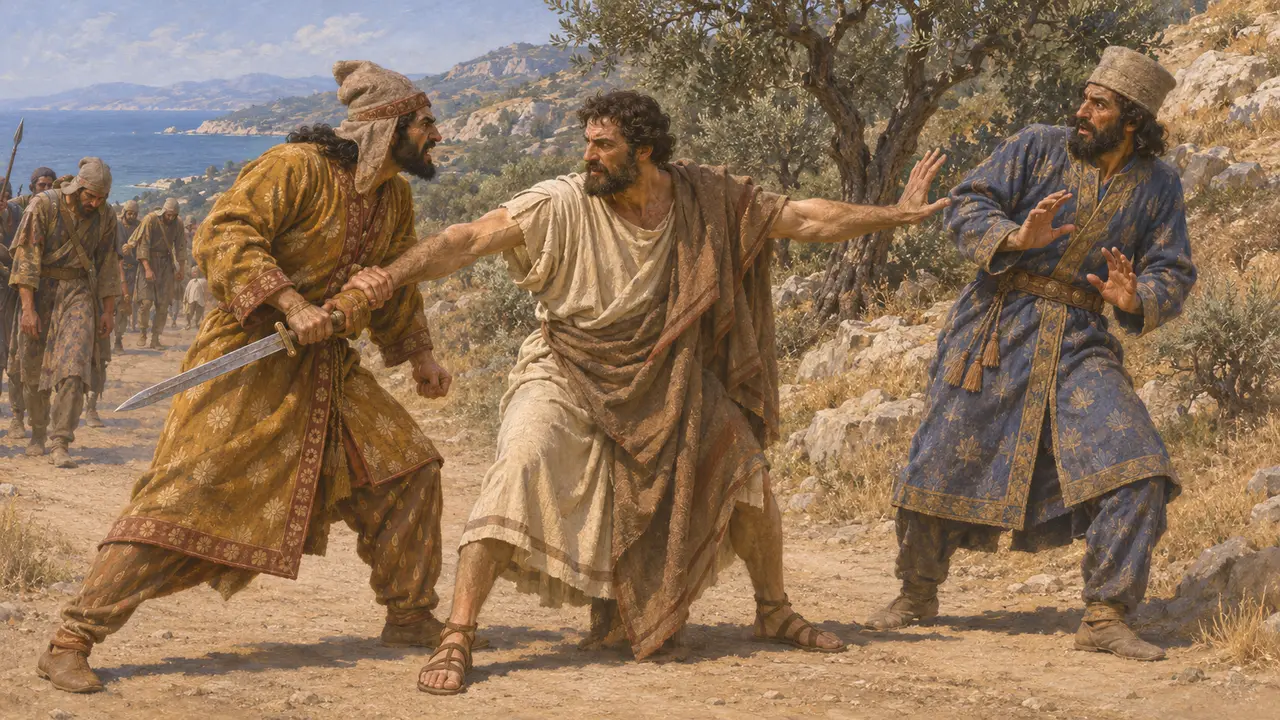
Ancient accountHerodotus says Masistes, a son of Darius, was angered by the defeat and abused Artayntes as worse than a woman. Masistes drew his sword, and Xenagoras of Halicarnassus is said to have stepped in and saved Artayntes. Herodotus places this on the retreat from the field.
Herodotus 9.107
What the sources allow
DisputedNo Persian inscription or tablet is known to the checker to name Artayntes, so Herodotus is the only voice for his conduct. Historians accept that a Persian force was beaten at Mycale, but they argue over its size and over how far Greek tradition shaped the stories told of Persian commanders. The quarrel with Masistes may owe something to that tradition.
Herodotus 9.107
The rumour of Plataea
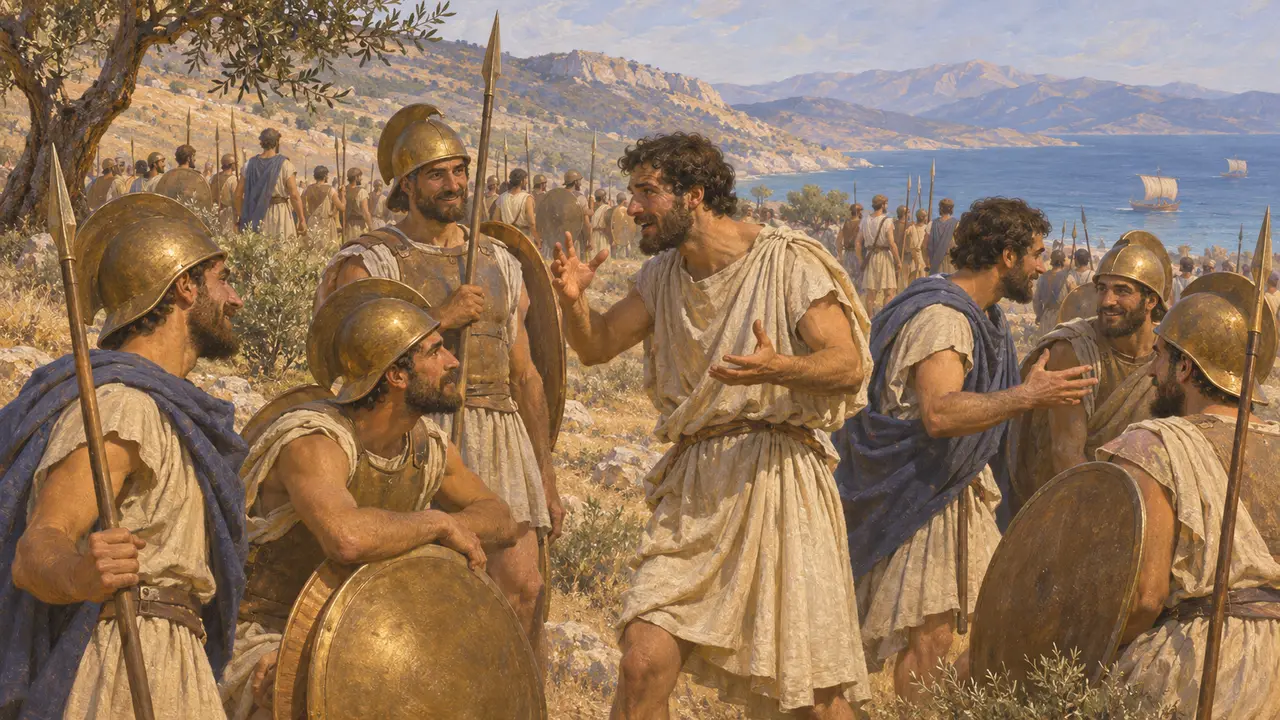
Later legendHerodotus reports that a rumour of victory at Plataea ran through the Greek army before the fight at Mycale and heartened it. He presents the coincidence of the two battles as a sign of divine favour. This is a story shaped to carry a moral, and it is not firm evidence of what happened.
Herodotus 9.100-101
Sources
- Herodotus 9.96-107
- Herodotus 8.130
- Herodotus 7.22