Tigranes
Achaemenid noble, commander of the Medes and of the army at Mycale, died 479 BCE
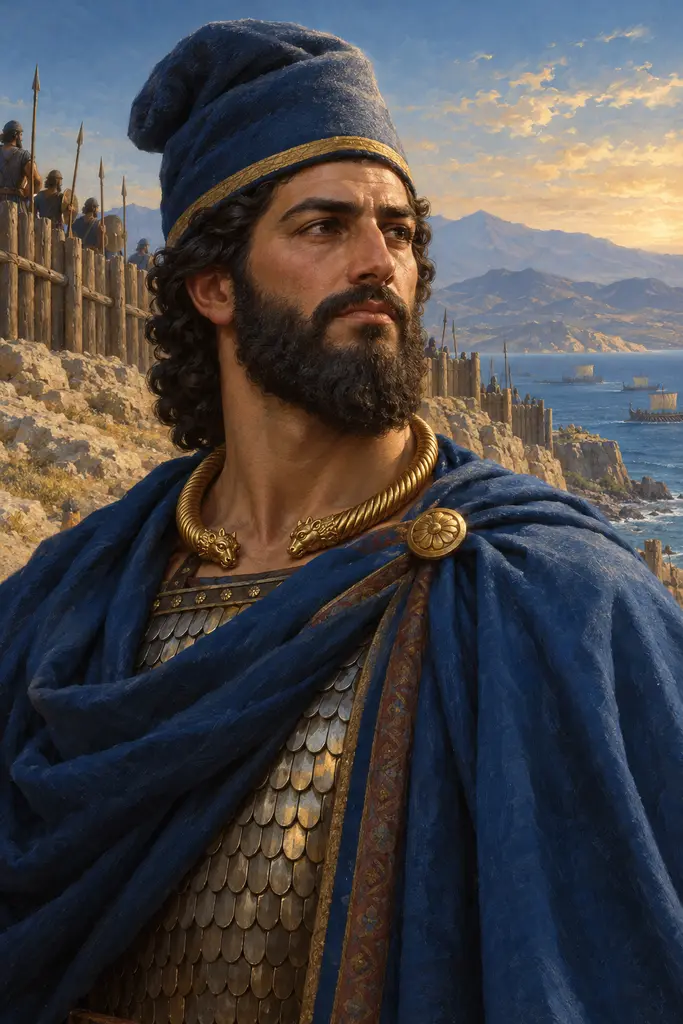
Tigranes was a Persian of the royal Achaemenid clan who led the Median contingent in Xerxes' invasion of Greece. He later commanded the land army that Xerxes had left to guard Ionia, and he was killed when the Greeks stormed the Persian camp at Mycale in 479. Almost everything known about him comes from Herodotus.
In the game: The game's chronicle presents Tigranes as an Achaemenid who led the Medes and fell commanding at Mycale. This follows Herodotus, the main source for him.
Commander of the Medes
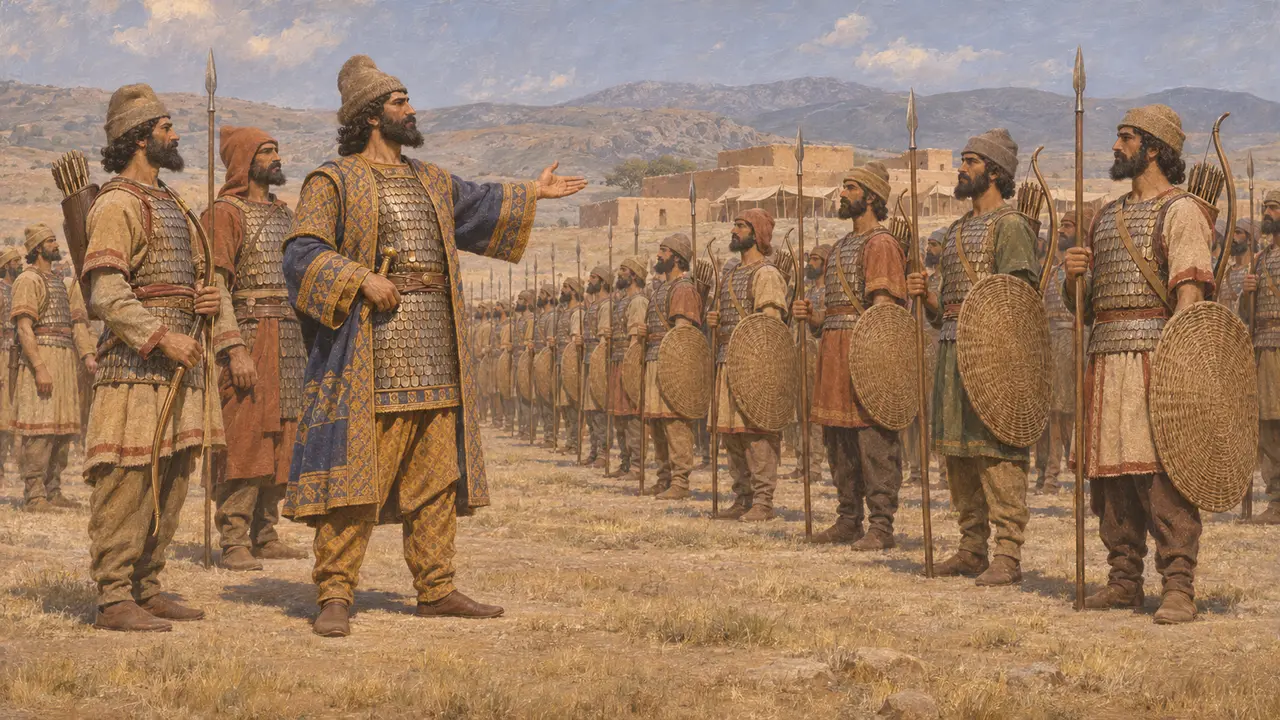
Ancient accountHerodotus lists Tigranes, an Achaemenid, as commander of the Medes in the muster of Xerxes' army. He says the Medes were equipped like the Persians, with felt caps, sleeved tunics, scale armour, wicker shields, short spears and large bows. Placing a Persian noble at the head of the Median troops fitted the way Persian kings gave senior commands to men of their own clan.
Herodotus 7.61-62
The army left to guard Ionia
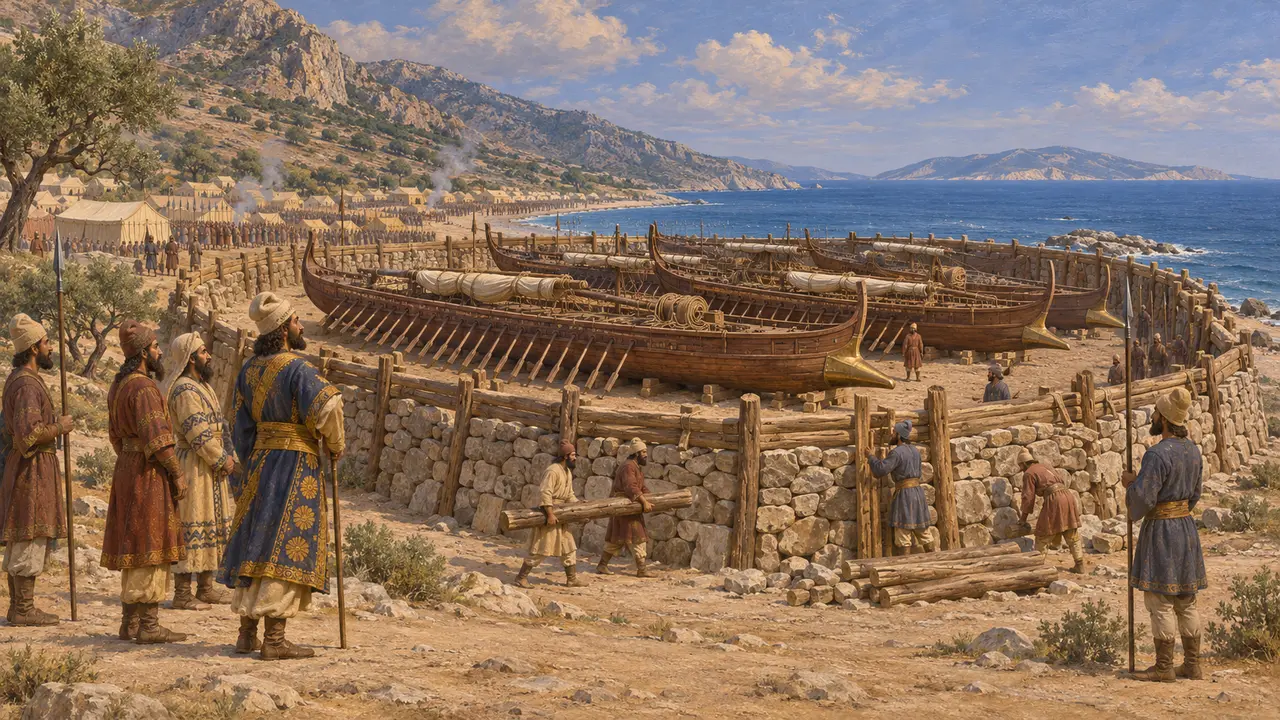
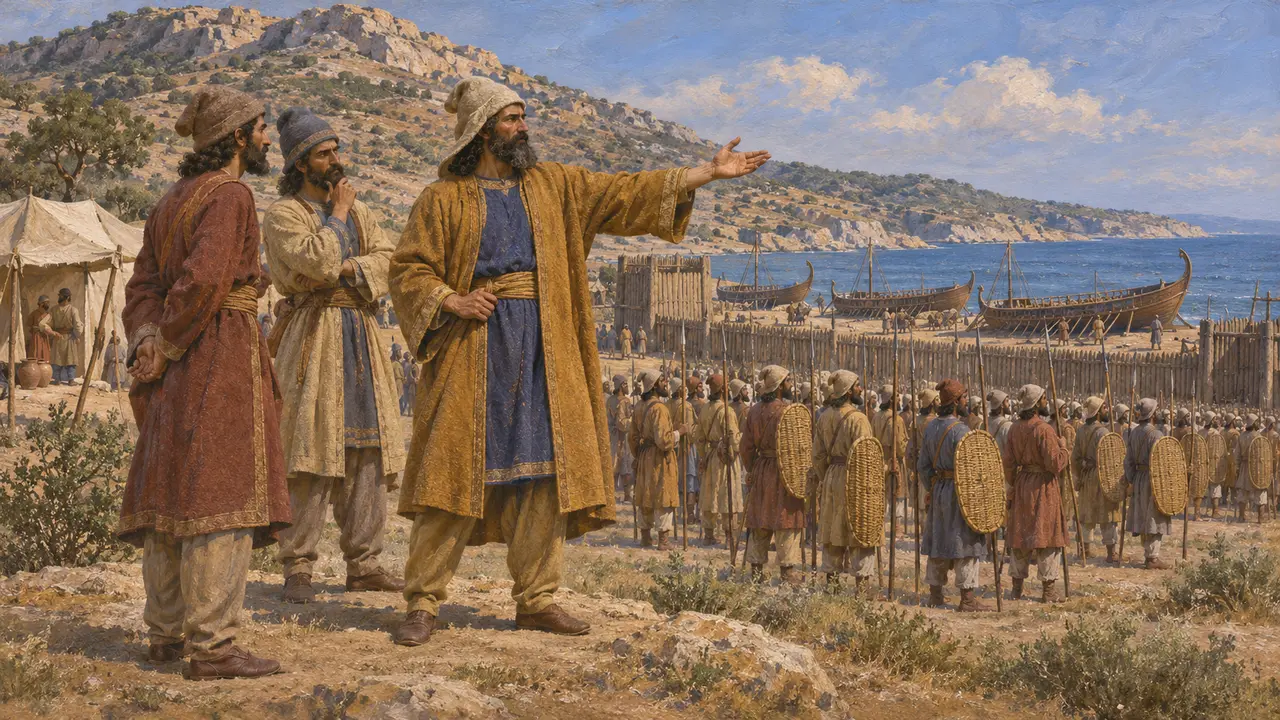
Ancient accountHerodotus says Xerxes had left a land army under Tigranes at Mycale, on the coast facing Samos, to keep watch over Ionia. When the Greek fleet approached in 479, the Persian ships sailed to Mycale. There they were drawn up on the shore and enclosed with a rampart of stones and timber. Herodotus gives the army as 60,000 men.
Herodotus 9.96-97
Death at Mycale
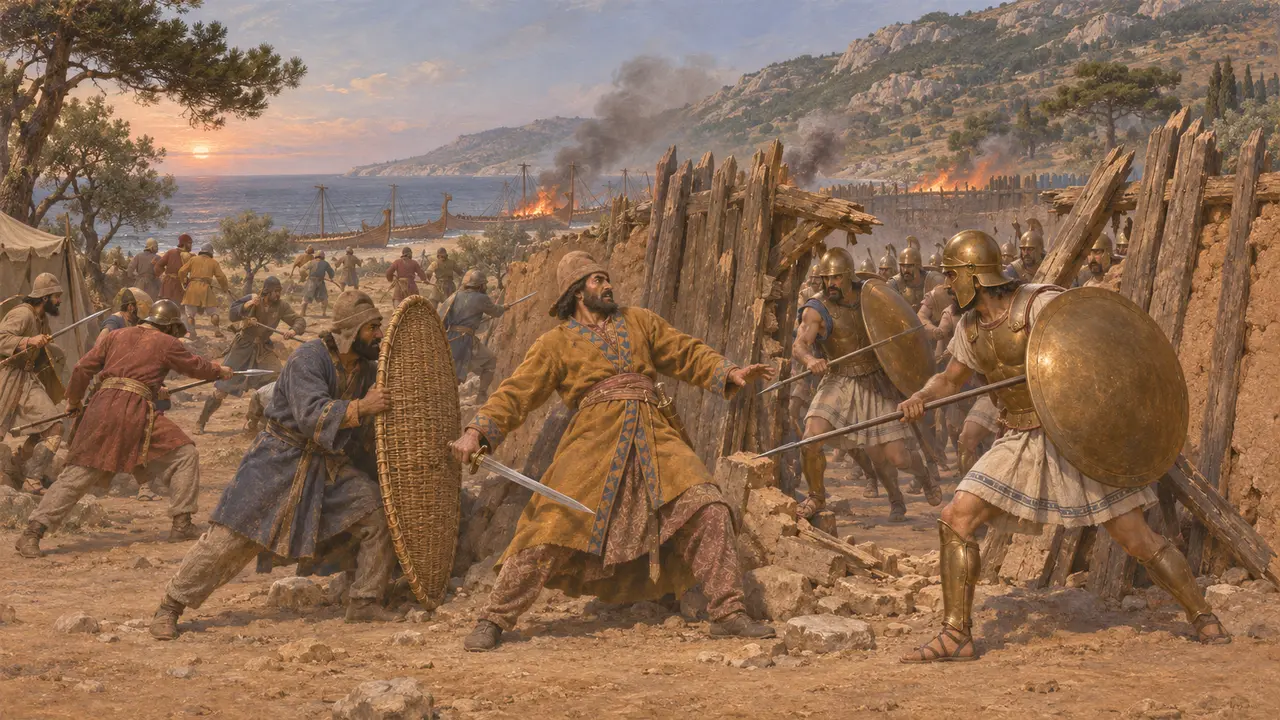
Ancient accountThe Greek fleet under Leotychides of Sparta and Xanthippus of Athens landed and attacked the camp. Herodotus says the Athenians and the troops beside them broke into the rampart, and that the Persians fought on in small groups after others fled. Of four Persian commanders, Artayntes and Ithamitres escaped, while Mardontes and Tigranes, general of the land army, died fighting. The Greeks then burned the ships and the rampart.
Herodotus 9.102-106
The man Herodotus describes
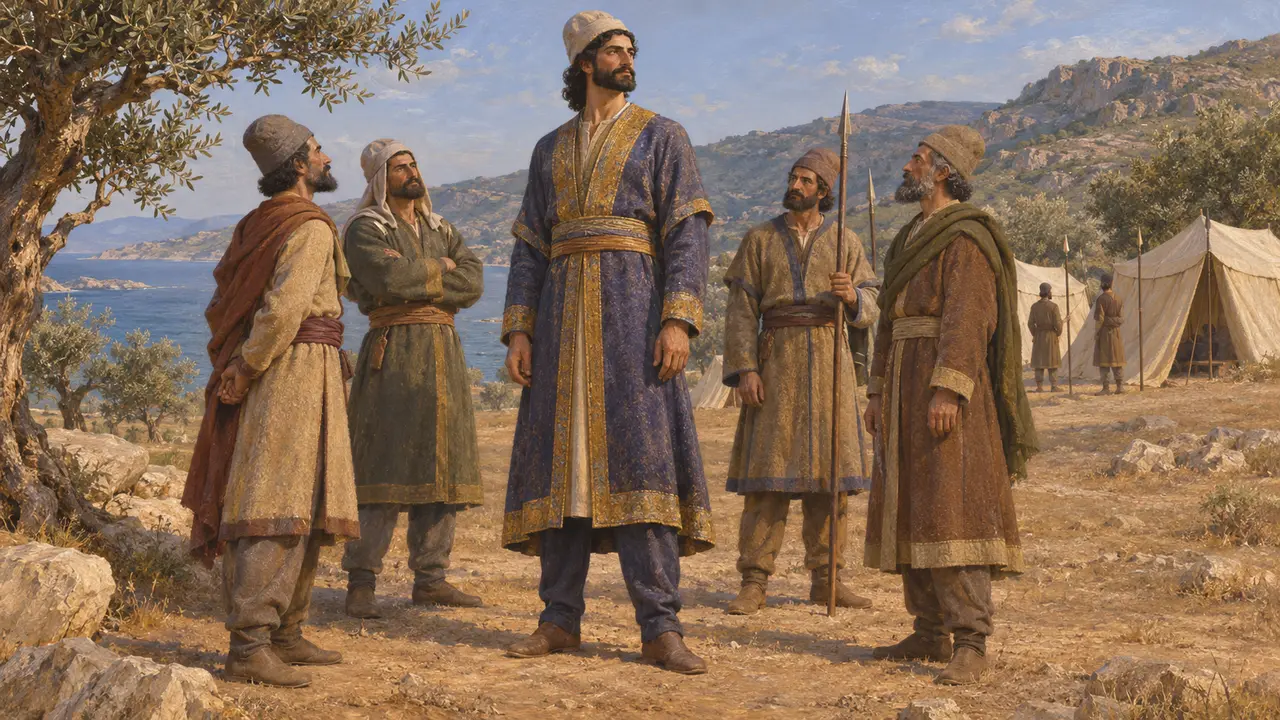
Ancient accountHerodotus remarks that Tigranes surpassed the Persians in beauty and stature. He praises other Persians in similar terms: Masistius, whose body the Greeks paraded after he was killed at Plataea, and Xerxes himself. The detail may be genuine, but it also suits Herodotus's habit of marking notable figures on the enemy side.
Herodotus 9.96; Herodotus 9.25; Herodotus 7.187
What remains uncertain
DisputedNo Persian document is known to name this Tigranes, so his career rests on Greek testimony. Historians generally treat Herodotus's figure of 60,000 men at Mycale as too high. Herodotus also says Mycale was fought on the same day as Plataea, a coincidence many scholars doubt. It is usually assumed, though Herodotus does not say so outright, that the commander of the Medes and the general at Mycale were the same man.
Herodotus 9.100-101; P. Briant, From Cyrus to Alexander, 2002
Sources
- Herodotus, Histories 7.61-62, 9.96-106
- P. Briant, From Cyrus to Alexander, 2002
- A. R. Burn, Persia and the Greeks, 1962