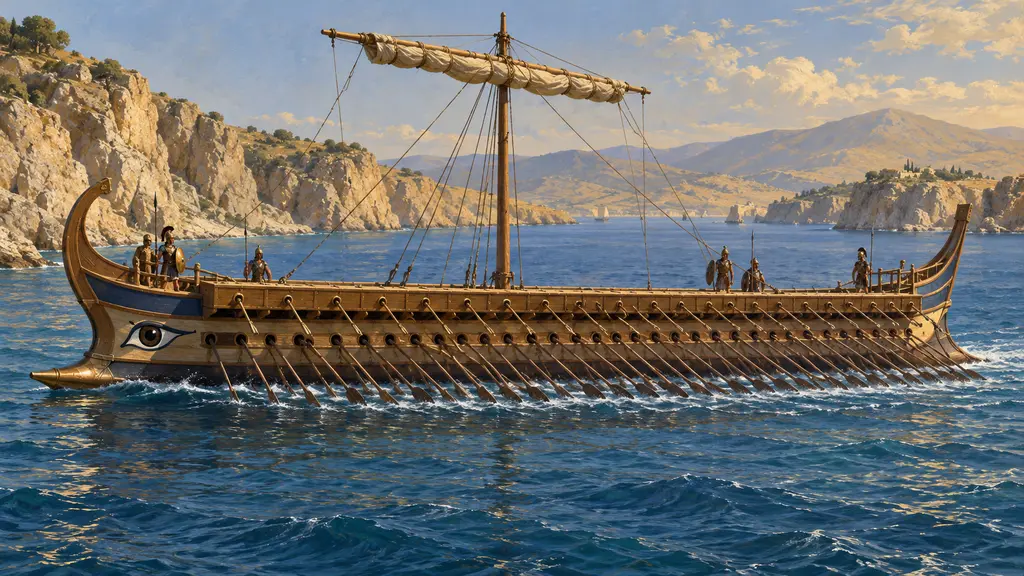
The Cilicians
People of south-eastern Anatolia, sailors in the King's fleet, 6th-5th century BCE
The Cilicians lived on the south-eastern coast of Anatolia, between the Taurus mountains and the sea facing Cyprus. Under the Achaemenid kings they kept rulers of their own, whom the Greeks called Syennesis. Herodotus says they paid tribute in silver and horses and sent warships to the royal fleet at Lade and in Xerxes' war of 480.
In the game: The game shows the Cilicians only as squadrons in the King's fleet, which fits Herodotus for 494 to 480. Their horse tribute, the cavalry that guarded their land and their native rulers are not part of the game's picture.
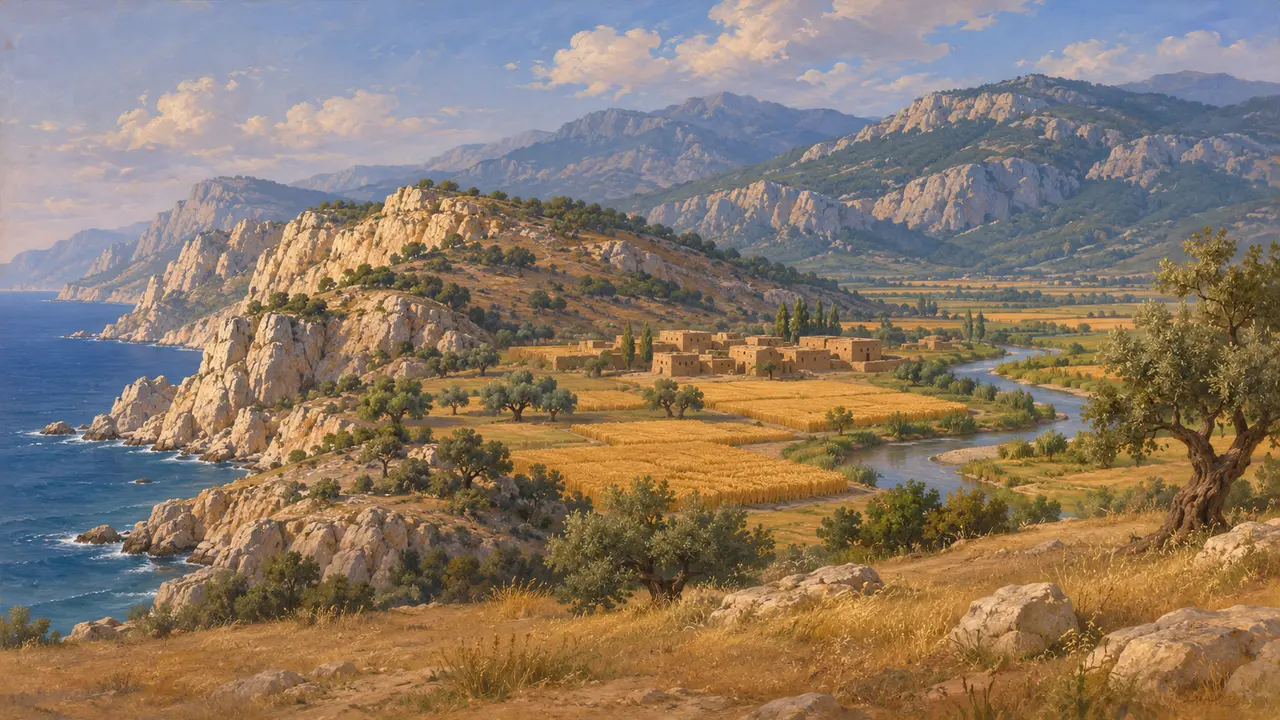
Plain and rough Cilicia
In the recordCilicia had a fertile eastern plain around Tarsus and a rugged western highland along the coast. Assyrian royal texts call the plain Que and the highlands Hilakku. A Babylonian chronicle records that Neriglissar marched in 557 against Appuashu, king of Pirindu in the rough west, and pursued him through mountain country towards the sea. No surviving document says how or when Cilicia came under Persian rule.
Neriglissar Chronicle (Chronicle 6 in A. K. Grayson, Assyrian and Babylonian Chronicles, 1975)
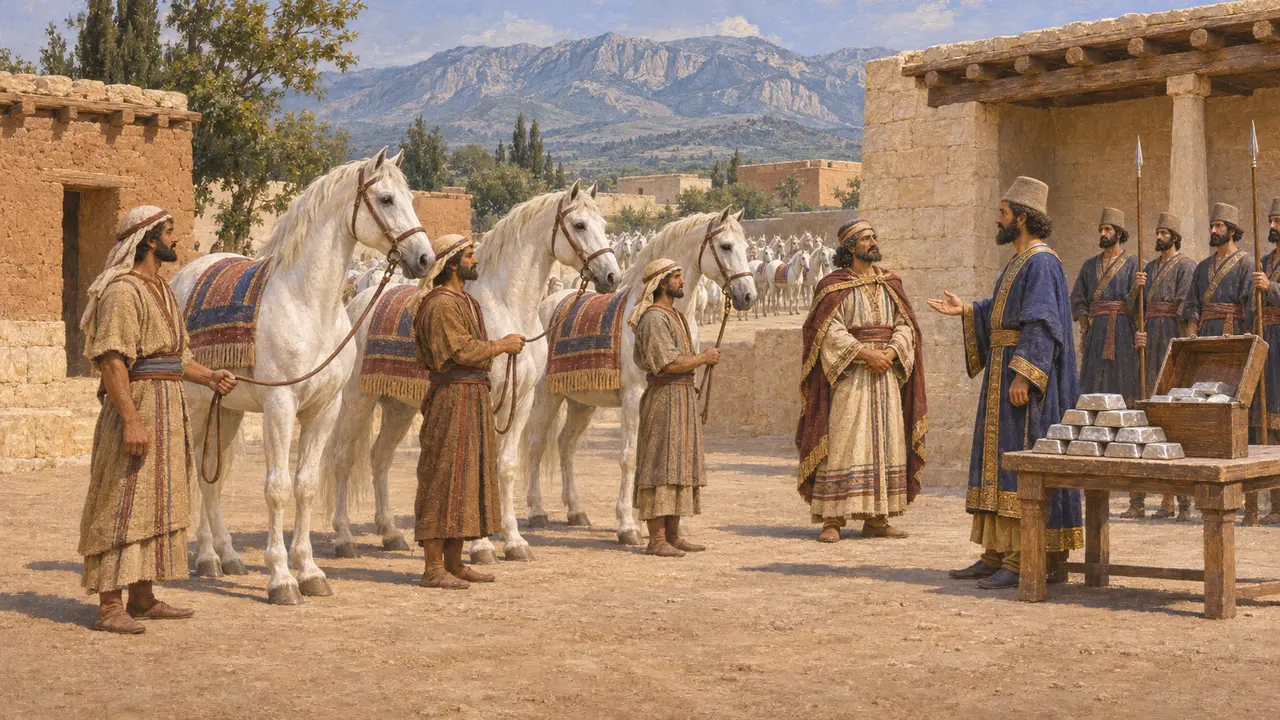
The Syennesis and the King's tribute
Ancient accountHerodotus says a Syennesis of Cilicia helped arrange peace between the Lydians and the Medes after the battle of the eclipse, and later Cilician rulers bore the same name. In his list of Darius's tribute districts, Cilicia formed the fourth. It paid 360 white horses, one for each day of the year, and 500 talents of silver. Of the silver, he says, 140 talents went to the cavalry that guarded Cilicia.
Herodotus 1.74; 3.90
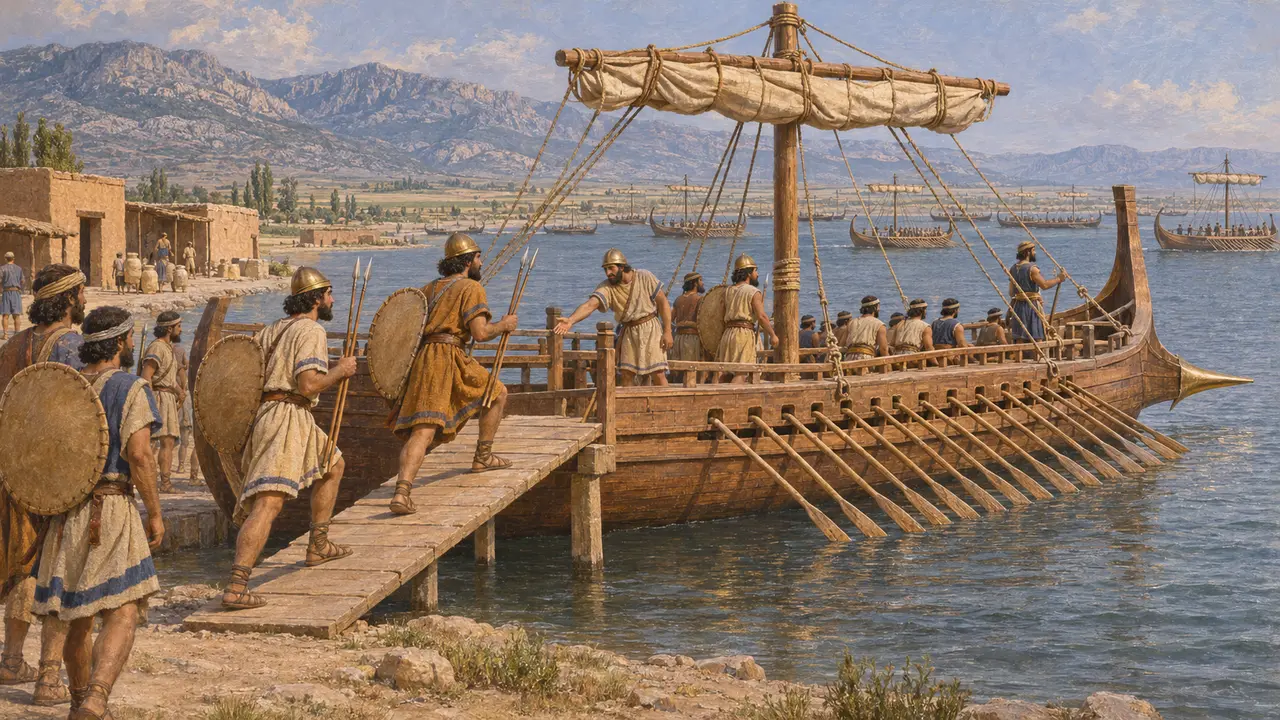
Cilician ships in the royal fleet
Ancient accountHerodotus places Cilician ships beside Phoenician, Cypriot and Egyptian squadrons at Lade in 494. He says the army of Datis and Artaphernes mustered on the Aleian plain of Cilicia in 490 and boarded the fleet there. For Xerxes in 480 the Cilicians sent 100 ships, whose fighting men wore native helmets and woollen tunics and carried rawhide shields and two javelins. At Artemisium the Greeks destroyed a squadron of Cilician ships.
Herodotus 6.6; 6.95; 7.91; 8.14
Allied kingdom or province
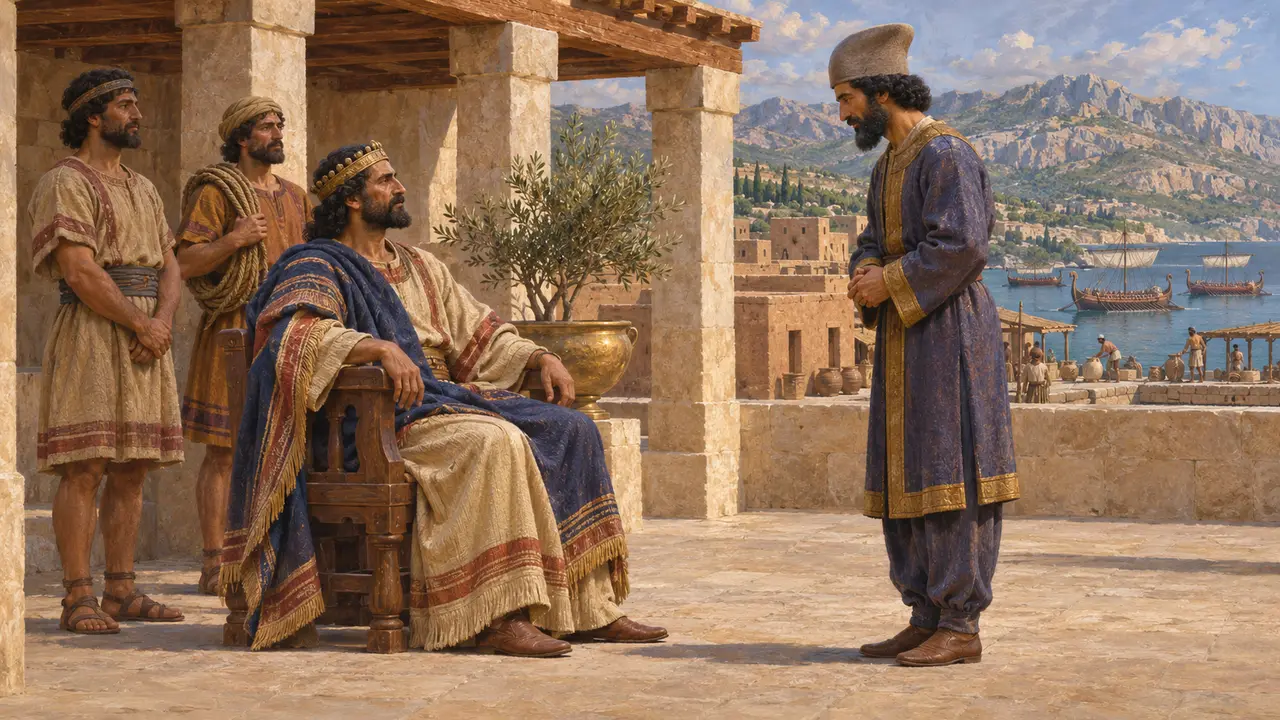
DisputedCilicia is not named in Darius's lists of subject lands, and its native rulers stayed in place under Persian oversight. Historians argue whether it was a client kingdom or a province, and whether Syennesis was a name or a title. Herodotus lists Syennesis son of Oromedon among the fleet's chief men, and Aeschylus has a Syennesis die at Salamis. Herodotus says Xerxes later gave Xenagoras of Halicarnassus rule over all Cilicia.
Herodotus 7.98; 9.107; Aeschylus, Persians; P. Briant, From Cyrus to Alexander, 2002
Cilix, son of Agenor
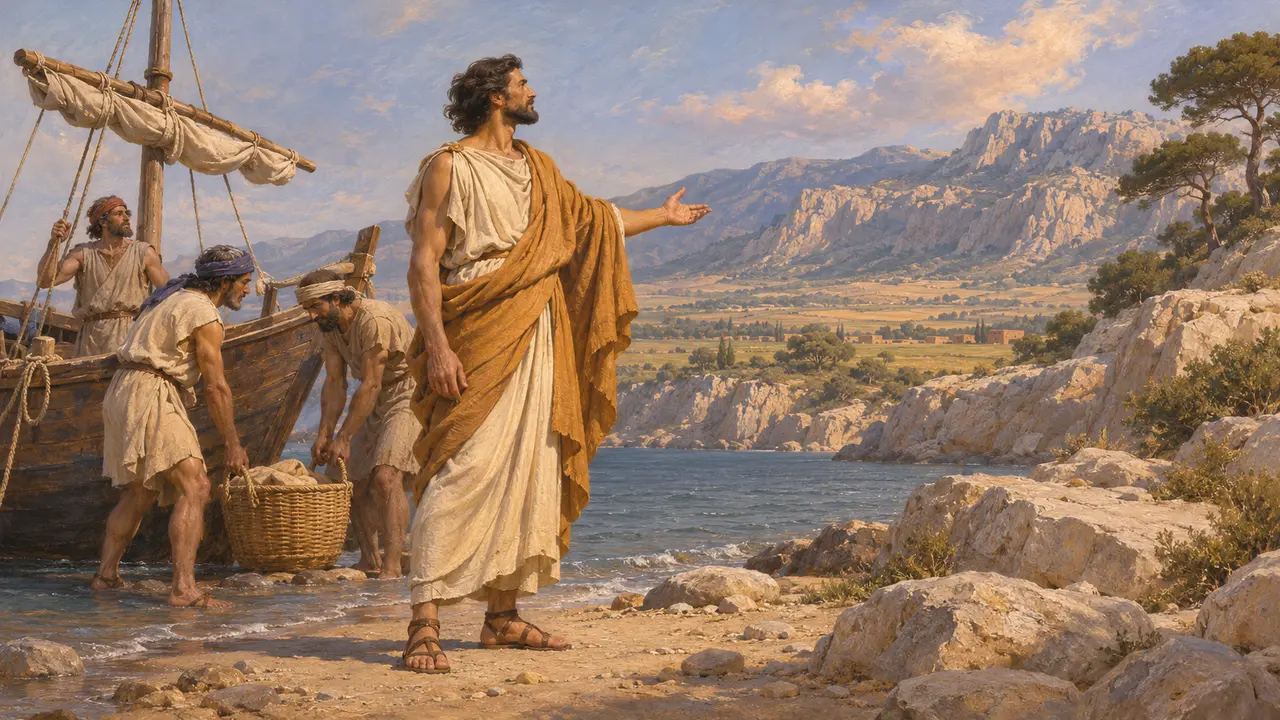
Later legendHerodotus reports that the Cilicians were once called Hypachaeans and took their later name from Cilix, son of the Phoenician Agenor. Cilix belongs to the Greek story of Europa, whose brothers went out to search for her and founded new peoples. The tale shows the Greek habit of explaining foreign peoples through heroes. It does not record their real origins.
Herodotus 7.91
Sources
- Herodotus, Histories
- A. K. Grayson, Assyrian and Babylonian Chronicles, 1975
- Aeschylus, Persians
- P. Briant, From Cyrus to Alexander, 2002