Cemetery by the Road
Greek roadside cemeteries outside city walls, Attica and Boeotia, about 600-479 BCE
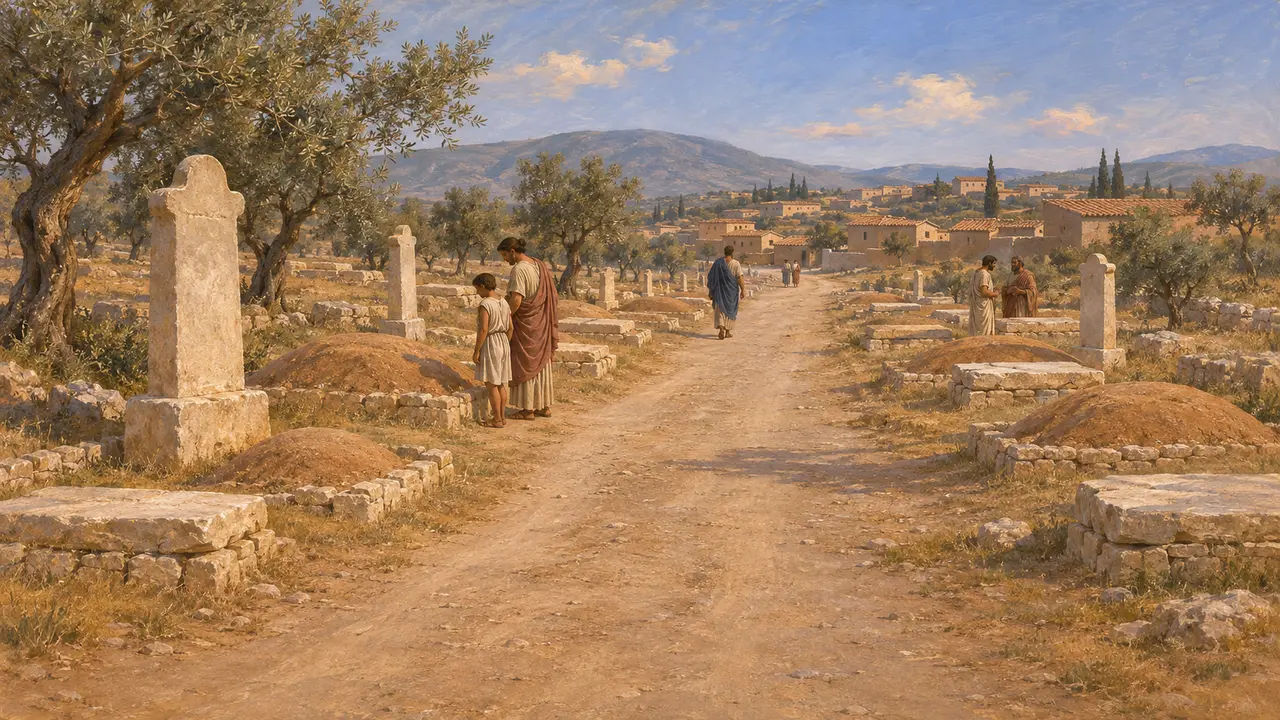
Greek cities usually buried their dead outside the settled area, along the roads leading out of town, so that anyone entering or leaving passed the graves of its families. At Athens the largest of these cemeteries lay in the Kerameikos. The wars with Persia in 490 and 480-479 added another kind of grave: mounds raised for the fallen on the battlefields themselves.
In the game: The game shows roadside graves with stelae and mounds, served by bearers. Its rule that unburied dead sicken houses simplifies history: Greeks feared ritual pollution and dishonour more than disease, and many battle dead were buried on the field.
Graves outside the town
In the recordExcavations in the Kerameikos at Athens have uncovered graves lining the roads northwest of the city, in use from the early Iron Age onward. After 479 these roads ran through the Dipylon and the Sacred Gate of the new city wall. Burial inside the settled area, including ground later used for the Agora, had probably largely ceased by about 700. Roadside cemeteries of the same pattern are known outside many other Greek towns.
D. Kurtz and J. Boardman, Greek Burial Customs, 1971; I. Morris, Burial and Ancient Society, 1987
Stelae, statues and mounds
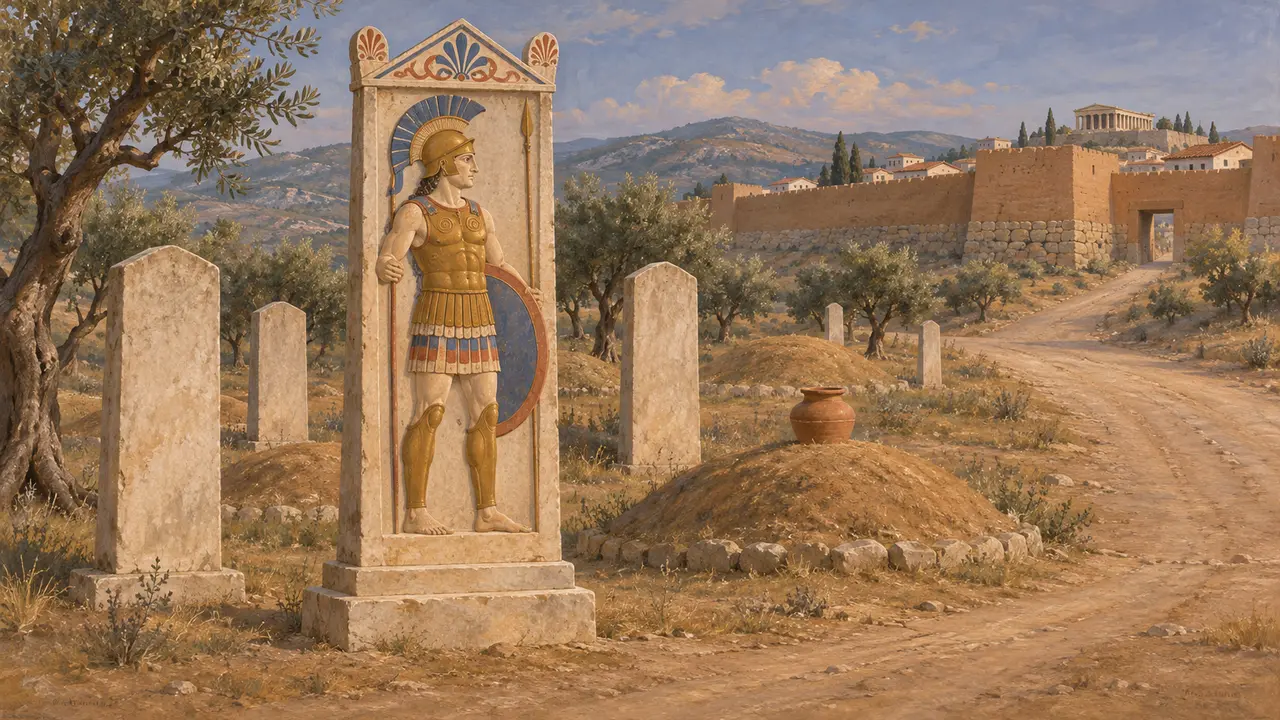
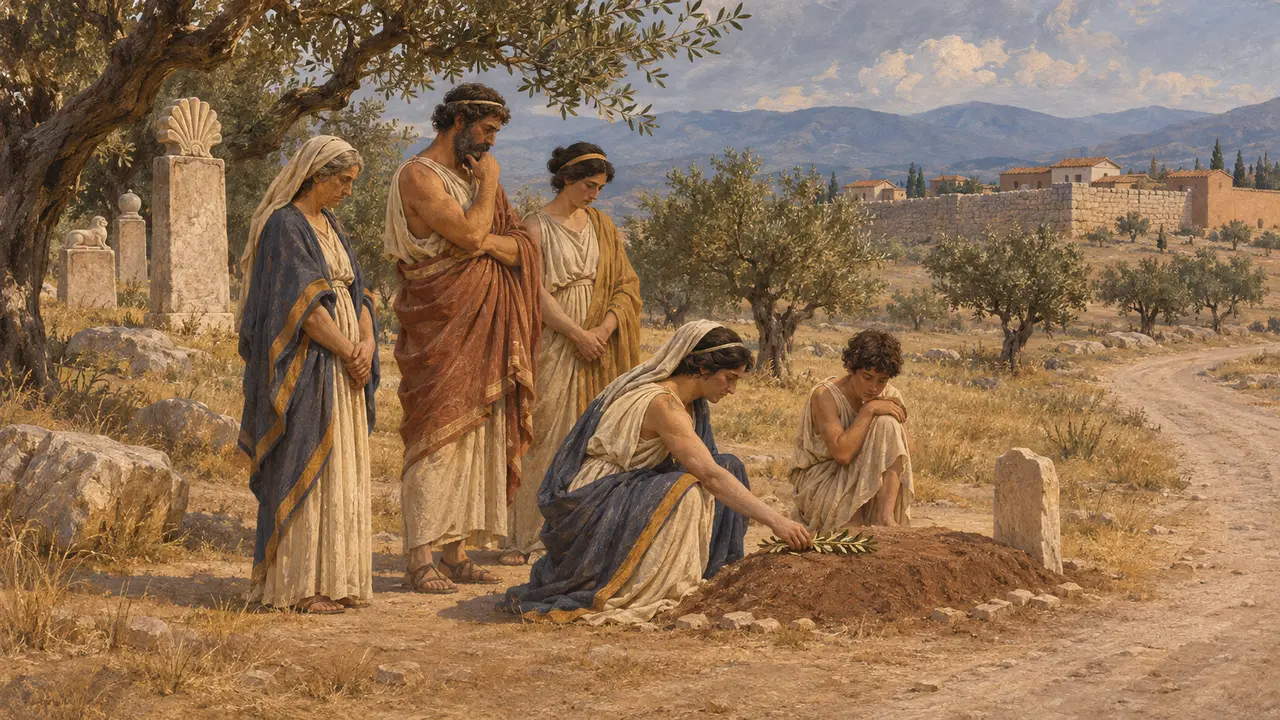
In the recordWealthy Attic families of the 6th century marked graves with tall carved stelae, painted reliefs of the dead, or marble kouroi. Surviving examples include the kouros of Kroisos from Anavyssos, about 530, and the stele of Aristion signed by Aristokles, about 510. Simpler graves had earth mounds, plain slabs or a pot set on top. Many markers carried a short verse naming the dead.
D. Kurtz and J. Boardman, Greek Burial Customs, 1971
Laws against display
DisputedPlutarch says Solon limited the cost and noise of funerals at Athens. Cicero reports a later law that restricted the size of tombs and banned elaborate monuments. Historians argue over when that later law was passed. Some link it to the decline of lavish Attic grave markers around 500-480, while others think the change in taste had other causes.
Plutarch, Solon 21; Cicero, De legibus 2
The battle dead of 490-479
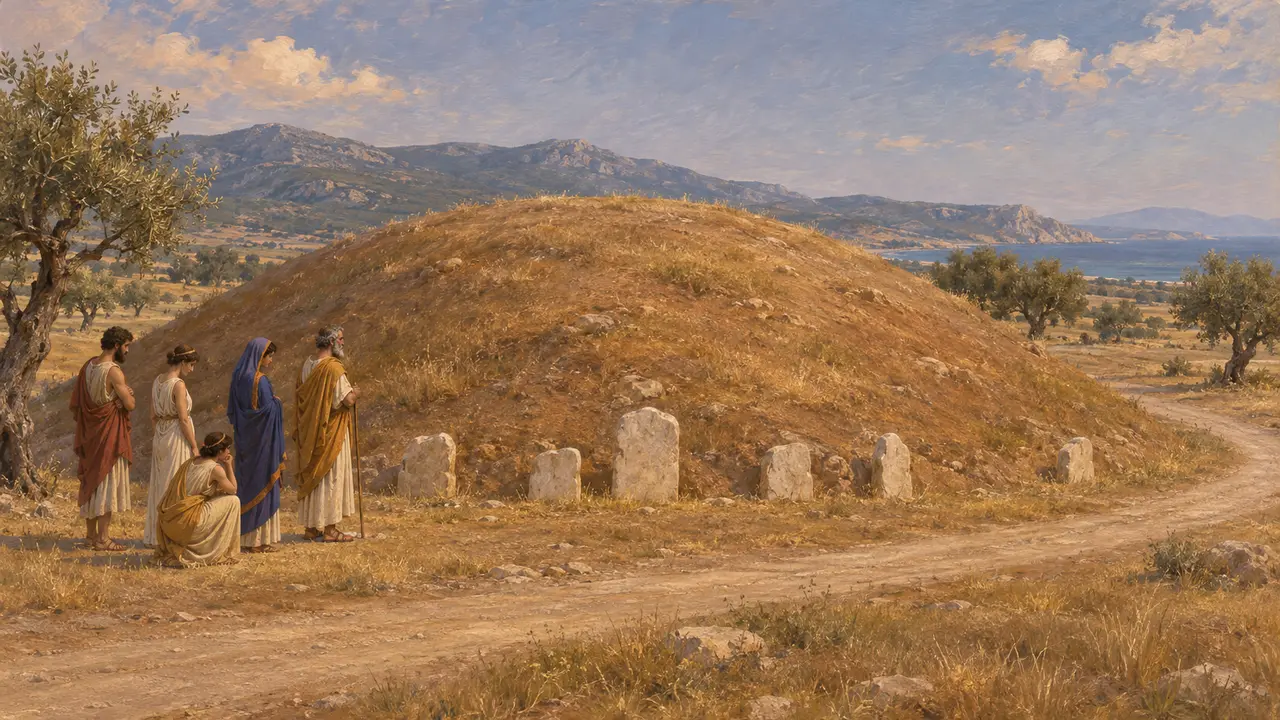
Ancient accountThucydides says the Athenians normally brought their war dead home to a public tomb in the city's finest suburb, usually identified as the Kerameikos. He adds that they buried the men of Marathon on the field to honour their courage. Herodotus describes the markers and epitaphs raised at Thermopylae and the separate graves dug at Plataea for Spartans, Tegeans, Athenians and others. Pausanias later saw the Marathon grave with stones listing the dead by tribe.
Thucydides 2.34; Herodotus 7.228; Herodotus 9.85; Pausanias 1.32
The mound at Marathon today
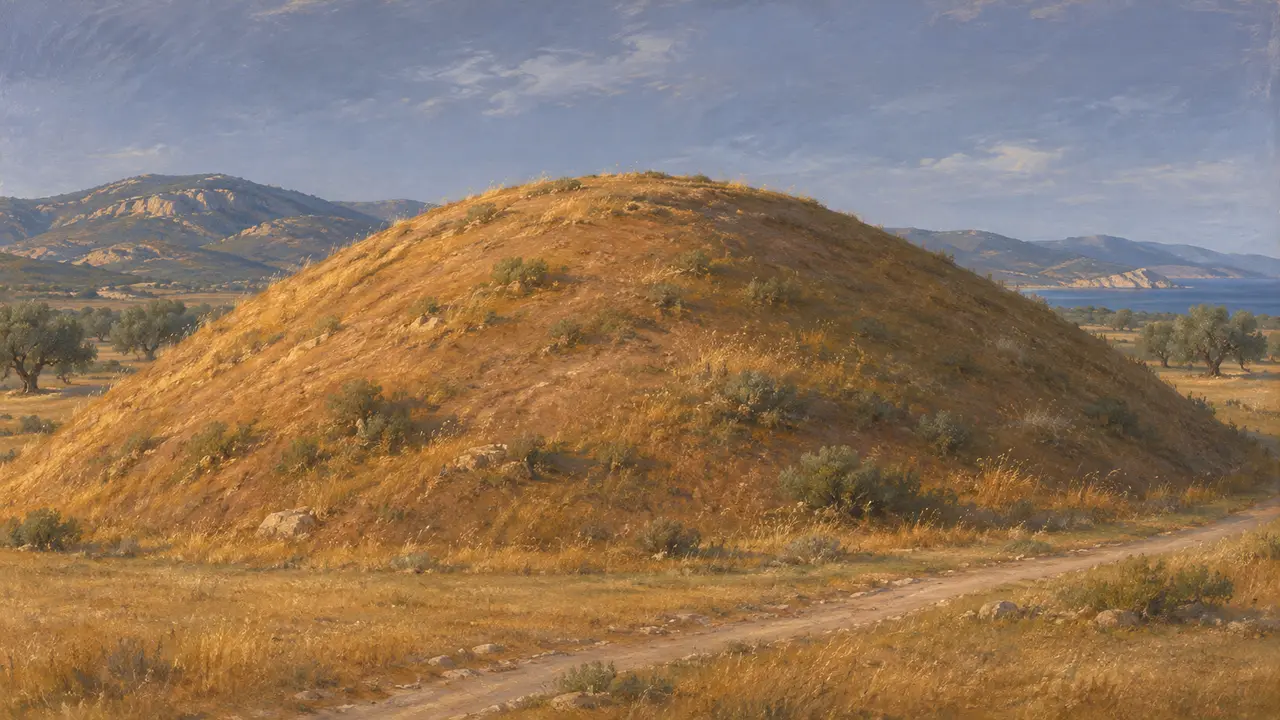
In the recordThe Soros is a mound about 9 metres high on the plain of Marathon. Valerios Stais excavated it in 1890-1891 and found a layer of ash and burnt bone with Attic black-figure lekythoi of about 490. These finds support its identification as the tomb of the Athenian dead. Herodotus gives 192 Athenians killed against 6,400 on the Persian side, and historians still debate how reliable the Persian figure is.
V. Stais, reports on the Soros excavation; Herodotus 6.117
Greek and Persian ways with the dead
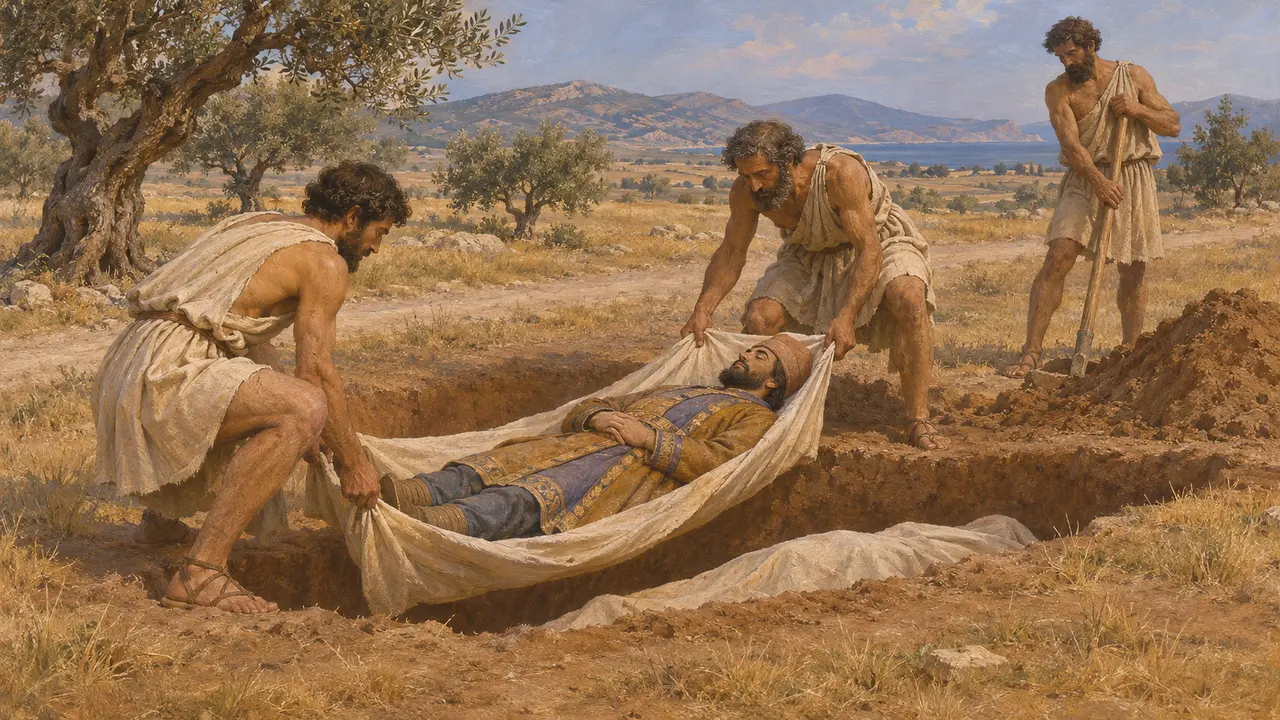
Ancient accountHerodotus says it was reported that a Persian's body was not buried until birds or dogs had torn it, a practice he was certain the magi followed. He adds that other Persians coated the dead in wax before burial. Pausanias says the Athenians claimed to have buried the Persian dead at Marathon in a trench, though he could find no mound for them.
Herodotus 1.140; Pausanias 1.32
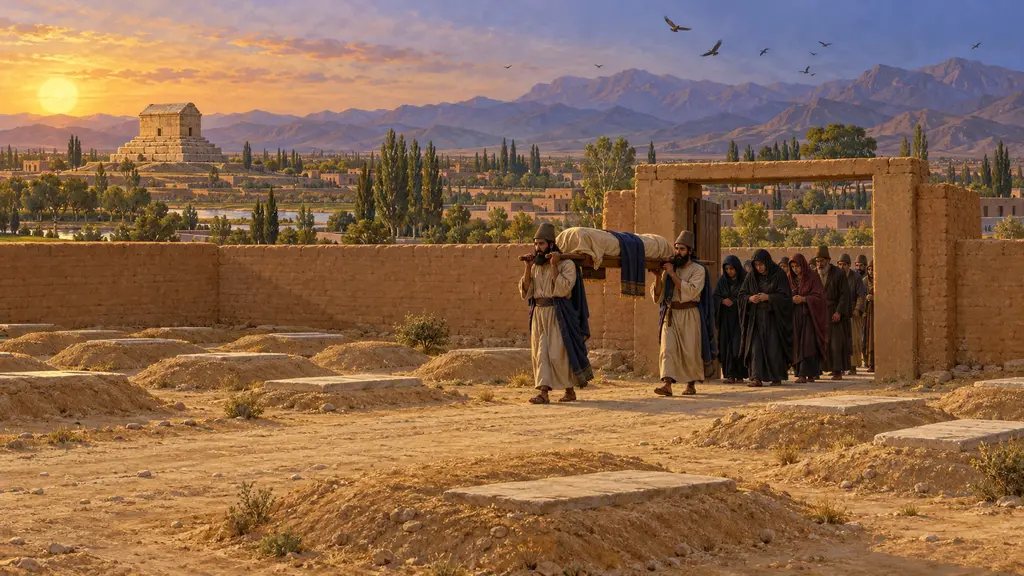
Persian royal graves
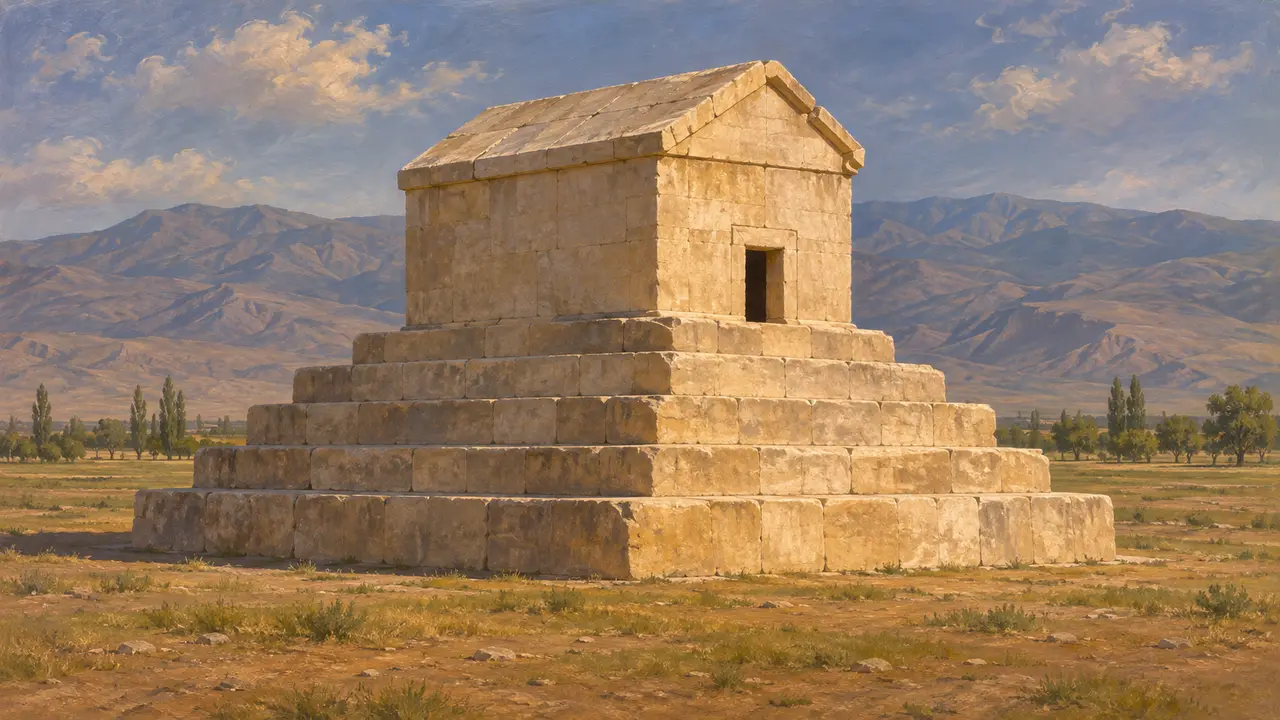
In the recordThe Persian monuments themselves show that burial was practised at the highest level. Cyrus lies in a stone tomb at Pasargadae. Darius and his successors were placed in rock-cut tombs at Naqsh-e Rostam. These remains fit Herodotus's report of burial after the body had been treated, though they say nothing about the customs of ordinary Persians.
D. Stronach, Pasargadae, 1978; P. Briant, From Cyrus to Alexander, 2002
Sources
- Herodotus, Histories 1.140, 6.117, 7.228, 9.85
- Thucydides 2.34
- Pausanias 1.29, 1.32
- D. Kurtz and J. Boardman, Greek Burial Customs, 1971
- I. Morris, Burial and Ancient Society, 1987
- Plutarch, Solon 21; Cicero, De legibus 2